Alabama Hornets: Who to Watch

The 2024 college football season was a solid one for the Alabama Hornets. The team emerged from the regular campaign with a 7-5 record under Head Coach Eddie Robinson, and that return left them in third place in the Southwestern Athletic Conference East Division.

Like most teams in the NCAA set up, the Hornets will look to improve on that return in 2025. Winning trophies may not be a genuine target, but Alabama can certainly produce better results, and there are some talented players to watch this term.

Alabama Prospects

Independent verdicts suggest this will be another brutal campaign for the Alabama Hornets. Sportsbooks regularly provide updates on odds together with the likelihood of colleges claiming the top prizes, and their opinion may be disheartening for Hornets fans.

According to the latest college football odds, the Ohio State Buckeyes will likely win the CFP Football Championship. The teams in pole position to make a challenge are the Texas Longhorns, the Penn State Nittany Lions, the Georgia Bulldogs, and the Oregon Ducks.

The Alabama Hornets, meanwhile, are down among the underdogs. That’s probably a fair reflection of the team’s chances in 2025, but some exceptional players within the roster will aim to defy those odds.

The Man in Charge

There are no changes in the dugout for the 2025 season. Head Coach Eddie Robinson has been in charge of the Hornets since 2022, and while results have scope for improvement, the team needs consistency and a familiar face in the dugout.

Robinson enjoyed a ten-year playing career in the NFL, but he is relatively inexperienced in coaching. This is his first role as a coach, and if Alabama is going to move forward, he will need the help of some leaders on the field.

Offense Standouts

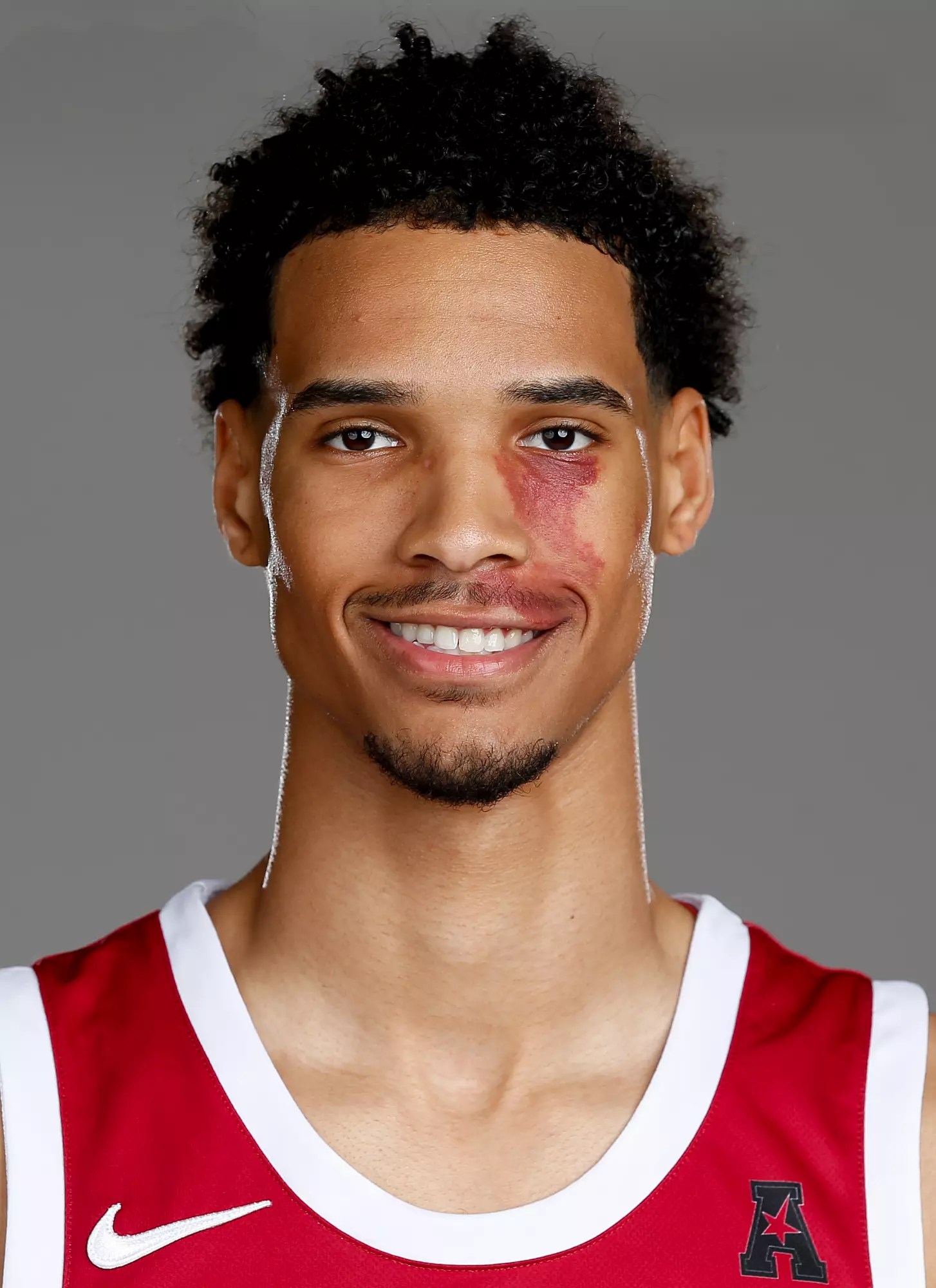
Any successful team needs a solid set of players protecting the quarterback, and one man to watch in 2025 is Desmond Daniels. Daniels, an offensive lineman, was one of four players promoted within the setup, and he will join the main roster in 2025.

Daniels enjoyed a productive 2024 campaign among the second-tier unit, starting in eleven of the team’s 12 games. He ranked strongly for snaps and pressures, and an overall grade of 85 percent suggests he can cope with the step up.

Desmond Daniels joins the first team alongside safety Keane Lewis, and both will be looking to make a difference in 2025.

Pulling the Strings

In any football team, there will always be a focus on the quarterback. These are the most influential players, capable of turning a game with one pass or a well-timed touchdown run. In the Alabama Hornets roster, Coach Robinson has a choice of QBs to select from, and any could come through to deliver an exceptional season.

Andrew Brody is number one on the list, so he is destined to become the Hornets’ starting quarterback in 2025. Brody began 2024 as Alabama’s first choice, but unfortunately suffered a season-ending injury in the first game. He’ll be eager to put that disappointment behind him and prove he has what it takes to become a future NFL star.

Brody will receive competition for the QB role from Te’Sean Smoot and Kareem Kaye.

Claiming Those Extra Points

Kickers can sometimes go under the radar when it comes to assessing the strength of a football roster. They are expected to land those extra points, and only seem to hit the headlines when they fail their task.

Those points will often be the difference between winning and losing, and it’s a role that carries great importance at the Alabama Hornets. The man in possession here is Brandon Gilliam, the starter kicker in 2024. During last season’s campaign, Gilliam made 19 of 27 field goal attempts and was named specialist of the week twice.

Hornets Finding Their Sting

There will be a focus on key areas of the pitch, and these are among the top Hornets players to watch in 2025. Others are looking to make a breakthrough in offense, defense, and special teams.

Wide receivers Bravis Cave, Ajai Harrell, and Jalen Jones should all be key for this college next term. Running backs Jamarie Hostzclaw, Karl Ligon, and DJ Brown will also be under the spotlight.

2025 Prospects

The first target for this talented Alabama Hornets group is to build on their results from last season. A return of 7-5 is steady, and it’s always good to see more wins than losses, but it wasn’t enough for the team to go deeper into the campaign.

All of these players must step up and confirm their potential, but anyone on the roster could emerge and become the difference-maker for the Hornets next term.

Several HBCU Alumni Secure 2025 NFL Roster Spots

HbcuLB

The 2025 NFL season will showcase an impressive wave of HBCU talent as alumni from schools across the country earned their place on official 53-man rosters. While only one HBCU player was drafted this year, the resilience, skill, and determination of HBCU athletes once again proved that they belong on football’s biggest stage.

This moment is more than just a sports milestone—it’s a powerful reminder that Historically Black Colleges and Universities continue to shape professional football. From Jackson State to South Carolina State, and from Howard to Florida A&M, HBCU athletes are leaving their mark across the league.


Drafted to Protect Lamar Jackson

The lone HBCU player selected in the 2025 NFL Draft was Carson Vinson of Alabama A&M, who joined the Baltimore Ravens. Vinson, an offensive lineman, now has the opportunity to protect superstar quarterback Lamar Jackson. His selection is a reminder that even when draft numbers are small, the quality of HBCU football talent speaks volumes.


Intro to the Divine Nine: Black Greek 101

HBCU BUZZ HBCU RESOURCES 1200 X 675 Px 3

What is the Divine Nine (NPHC)?

The National Pan-Hellenic Council (NPHC) is a council of nine historically Black fraternities and sororities—often called the Divine Nine—that have shaped HBCU life for over a century. These organizations blend scholarship, service, leadership, cultural expression, and lifelong brotherhood/sisterhood. On campus you’ll see them everywhere: mentoring programs, voter registration drives, scholarship galas, community service, step shows and probates, homecoming traditions, and alumni giving. Off campus, the same energy scales up through city-wide alumni chapters, national campaigns, and global relief work.

NPHC life is rooted in service and scholarship. Every organization carries its own founding story, symbols, and signature programs—but they share core values: academic excellence, leadership development, community uplift, and respect for ritual. While the culture is vibrant and public at times (step shows, strolls, plots), membership education and rituals are private by design. The line between those worlds is important—celebrate the art, protect the sacred.


The Nine at a Glance (alphabetical)

Note: Colors, mottos, hand signs, and ritual details are reserved for members and official channels. Keep the overview high-level in print; link readers to chapter/alumni pages inside Buzz where appropriate.


How Membership (Intake) Works—The Basics

  • Eligibility: Each chapter sets GPA, credit-hour, and service requirements. Many hold interest meetings (“rush”) each term.
  • Intake: Follow official chapter communications only. Universities and NPHC orgs maintain strict anti-hazing policies.
  • Graduate/Alumni Chapters: Not just for undergrads—many members join after college through local alumni chapters.
  • Service First: Campus/community service, study hours, and leadership roles are part of the culture.
  • Respect Privacy: Membership education is private; probates/new member presentations are the public celebration.

Step Shows & Probate Traditions Explained

HBCU BUZZ HBCU RESOURCES 1200 X 675 Px 1

Stepping and probates are two of the most visible cultural expressions on HBCU campuses—equal parts art, pride, and history. Step shows are high-energy performances built on rhythm, precision, and storytelling. Crews transform the stage into a drumline with their hands, feet, and voices, layering chants, call-and-response, and skits to rep their organization and chapter. You’ll see clean formations, creative themes (from film homages to comic-book universes), tight transitions, and crowd work that turns the audience into a chorus.

The Culture: What You’re Seeing and Why It Matters

Probates (also called “New Member Presentations”) are different. They’re not talent shows; they’re ceremonial, structured introductions of newly initiated members of a Black Greek-letter organization. Think: a formal rollout to the campus and community. Lines are presented with order and symbolism—chants, history recitations, call signs, and salutes—ending with a reveal when masks, hoodies, or shades come off and the new members finally share names and faces. The moment is emotional: line brothers/sisters, prophytes, alumni, and families often tear up because it marks the end of a long process and the beginning of lifelong service and scholarship.

Both spaces are rooted in the legacy of the Divine Nine (NPHC organizations) and campus traditions shaped by African diasporic rhythms, military drill influence, and HBCU creativity. They’re community events—fundraisers, recruitment pipelines, and cultural education rolled into one. Respect the art, respect the organizations, and remember that some elements are public performance while other parts of membership are private by design.


Step Shows 101: What to Expect

  • Format: 5–12 minute sets; most events feature multiple orgs and guest teams.
  • Judging: Panels score rhythm, difficulty, creativity, formations, crowd engagement, and overall precision.
  • Production: Expect lighting cues, props, sound effects, and custom mixes. The best teams rehearse for weeks to lock tempo and clean lines.
  • Crowd etiquette: Cheer big, record responsibly, and give every team space to perform (don’t block aisles or the front of stage).
  • Purpose: Beyond bragging rights, proceeds often fund scholarships or community service.

Step Show Do’s & Don’ts

Do: Arrive early, clap on beat, give each org equal love, and keep aisles/ramps clear.
Don’t: Rush the stage, step on plots/crest banners, or imitate calls/signs that aren’t yours.


Probate (New Member Presentation) 101

  • Occasion: The official public introduction of a new line.
  • Flow: Chapter roll call → history/tenets → calls/songs → skits or salutes → reveal (names/faces) → stroll/celebration.
  • Tone: Formal, proud, and disciplined—less “show,” more “presentation.”
  • Recording: Normal to film the public parts, but never crowd the line or staff. If asked to pause recording, respect it.
  • After: Photos with family, chapter greetings, and gift handoffs (line jackets, paddles for display, flowers, etc.).

Probate Etiquette

Do: Stand when asked, make room for families, and keep the center aisle open.
Don’t: Interrupt chants, ask about private processes, or post close-ups of documents/cues not meant for public view.

Important: All NPHC organizations prohibit hazing. Campuses follow strict Membership Intake guidelines. Celebrate culture—don’t romanticize harmful myths.


Terms You’ll Hear (Quick Glossary)

  • Step/Stepping: Percussive performance using body and voice.
  • Stroll: Social line dance done by members of the same org to a song; give them space.
  • Line: The group of new members initiating together.
  • Ace/Deuce/Tail: First, second, and last positions on a line.
  • Prophyte/Neophyte: Experienced member vs. newly initiated member.
  • Crossing: Completing initiation and becoming a member.
  • Call/Response: Vocal signature and crowd reply unique to each org.
  • Shares/Sands: Members who crossed around the same time across different schools.
  • Plot: Designated outdoor area honoring a chapter/organization (don’t stand on it).

How Events Get Built (For Campus Planners)

  • Venue & Access: Prioritize ADA seating, wide aisles, and clear plot protection.
  • Sound & Lights: One tech rehearsal minimum; dedicated cue sheets; spare mics.
  • Safety: Trained ushers, water stations, and clear emergency exits.
  • Judging: Transparent rubric; tie-break rules; neutral tabulation.
  • Content: Family-friendly standards if billed as a community event; brief MC script to educate the crowd without slowing the pace.
  • Impact: Promote scholarships/service drives during intermissions; QR codes for donations and chapter interest meetings.

How to Support (As a Non-Member)

  • Buy tickets and merch from official chapter channels.
  • Share event flyers and post-event recaps (credit the chapter).
  • Volunteer for ushering or clean-up—service is part of the culture.
  • If you’re media, request a press lane and follow filming guidelines.

Frequently Asked

Can anyone attend? Yes—most step shows and probates are public or campus-ticketed.
Can I learn to step? Many campuses host open workshops—great for non-Greek students, band members, and dance teams.
Is strolling the same as stepping? No. Strolling is social; stepping is choreographed performance.
Why are some details private? Rituals and internal education are for members only. Respect the line between public celebration and private tradition.

Top 10 Companies Hiring HBCU Students in 2025

HBCU BUZZ HBCU RESOURCES 1200 X 675 Px

If you’re an HBCU student mapping the next move, treat 2025 like a season—not a single game. Most elite internships and early-career programs open rolling requisitions in late summer/fall and close earlier than the posted deadlines once interview slates fill. That means you can’t “set and forget” applications; you need a weekly cadence. Build a simple tracker (Sheet or Notion) with columns for program, role, location, deadline, recruiter contact, and status. Every Sunday night, spend 30 minutes updating it, then block a 60–90 minute sprint mid-week to apply, nudge referrals, or prep assessments.

Read this first: how to win 2025 recruiting

Your strategy should balance three lanes: (1) Pipelines (summits, hackathons, fellowships, and HBCU-specific initiatives that fast-track interviews); (2) Internships (10–12 week roles that convert to return offers); and (3) Rotational programs (1–2 year tracks that accelerate you into leadership or specialized tech roles). Pipelines are especially powerful—think Disney on the Yard events, JPMorgan’s Code/Data for Good, Goldman Sachs Possibilities Summits, or Boeing x TMCF cohorts. These touchpoints put your name in a company’s CRM and often come with recruiter office hours, resume banks, and interview prep. Show up, follow instructions, and close the loop with a short “thanks + portfolio” note.

On resumes, lead with evidence: shipped projects, GitHub links, Tableau dashboards, TikTok/IG campaign metrics, campus leadership impact (“grew membership 62%,” “raised $18k sponsorships”). Keep it one page, clean headers, and a short “Selected Projects” section with 1–2 bullets each. For technical roles, link to a public repo with a clear README; for business/creative, link to a portfolio or media kit. Add a QR code top-right that points to a single hub (Notion or Linktree) so a recruiter has everything in one click.

Networking is simpler than most people make it: target alumni at your company of interest (start with your HBCU’s LinkedIn page), write a three-sentence opener (“HBCU + role interest + one specific question”), and ask for advice, not a job. After any chat, send a thank-you with one takeaway and the exact role you plan to apply to. If they offer a referral, great; if not, you still earned insight and a potential interview coach. Don’t sleep on student orgs, too—NSBE, NABA, PRSSA, AMA, SHPE, and SWE host partner company sessions where the hiring team literally tells you what to put on your resume.

Finally, protect your energy. Treat recruiting like training blocks: short, focused sprints and real rest. You’ll get rejections; they’re data, not identity. Iterate your resume every 10 apps, update your storytelling after each interview, and keep receipts of your progress. If your goal is a return offer by next summer, the most reliable path is stacking three advantages: (1) pipeline program → (2) strong internship performance → (3) documented impact you can narrate in 90 seconds. The list below prioritizes companies with clear HBCU engagement, visible early-career openings, and programs that consistently convert to offers in tech, media, finance, retail, and aerospace. Use it as your shortlist, then make the roles your own.

1) The Coca-Cola Company

Coca-Cola hires across brand, supply chain, analytics, engineering, finance, and more—plus the independent bottlers (UNITED, Coke Florida) run their own HBCU-facing internships. The corporate team recruits twice a year (fall and early year), and joining the talent network gets you alerts for webinars and openings. Bottlers give you additional on-ramps: UNITED’s Pay It Forward (HBCU-focused) and Student Internship Program, and Coke Florida’s 11–12 week internship across business and technical tracks. Together, these create multiple shots on goal for summer offers and, if you’re strong in ops or field marketing, fast conversions to full-time roles in high-growth markets.
Programs to watch: Corporate university internships (global), UNITED Pay It Forward (HBCU), UNITED Student Internship Program, Coke Florida Internship Program.
Tips: Build a portfolio bullet on a campus brand activation or event ops; ops + storytelling = interview magnet.
Apply: Coca-Cola internshipsCoca-Cola UNITED internshipsCoke Florida internships

Top 10 HBCU Classic Football Games You Must Attend

HBCU Resources HBCU Buzz 2

HBCU classics aren’t just football games—they’re living, breathing cultural festivals that happen to include four quarters and a scoreboard. In one weekend you’ll catch a family reunion in the parking lot, a world-class music showcase at halftime, and a civic homecoming that pours millions into local businesses.

Why Classics Matter (and how to do them right)

Alumni plan vacations around them; students shape lifelong memories at them; cities wrap parades, step shows, college fairs, and concerts around them. Even the small details feel big: the aroma of ribs and fish plates drifting over the lot, the flash of line jackets and stoles, the careful choreography of a drum major’s salute, the way a whole section answers one trumpet hit like a choir.

If you’re new to the scene, know this: you don’t “attend” a classic—you commit to it. That means arriving early enough to catch pregame (some of the most precise band work happens before kickoff), staying planted through halftime (never a bathroom break), and holding your spot for the “fifth quarter,” when the bands turn the stadium into an open-air concert. It means finding the alumni tent from your school—or the one that looks like it has the best plates—and introducing yourself. It means respecting the space, tipping the grill master, and making room when The Wobble or Swag Surf ripples down the bleachers.

Because classics are magnets, logistics matter. Dates and venues can shift year to year; ticket packages and hotel blocks can sell out months in advance. Aim to lock travel 60–90 days out, choose walkable neighborhoods when possible, and build in buffer time for Friday night events and Sunday brunch goodbyes. Hydrate (early-season heat is real), wear comfortable shoes (you’ll stand and dance), and pack a portable charger (your group chat will be popping from tailgate to postgame).

How did we pick this list? Tradition, atmosphere, band prestige, consistency, rivalry juice, and city experience. There are more great classics than we can fit—your regional favorite might be missing—but if you’re building a bucket list, start here. We’ve included quick context, signature moments, and simple pro tips to maximize your weekend. One last thing: band time is sacred. If you remember nothing else, remember this—arrive for pregame, never move during halftime, and stay for the fifth. That’s not extra credit; that’s the assignment.


1) Bayou Classic — Southern vs. Grambling State (New Orleans, LA)

The standard-bearer. Thanksgiving weekend in New Orleans turns into a multiday summit for HBCU culture, capped by Southern’s Human Jukebox and Grambling’s World Famed going note-for-note under the dome lights. The city itself is a co-star—brass bands on the corners, beignets in the morning, gumbo at night—so the weekend feels like culture on top of culture.
Signature moments: Friday Greek Show & Battle of the Bands, second-line energy outside the stadium, a thunderous fifth quarter.
Pro tip: Book flights and hotels early; consider arriving Thursday to pace the weekend and snag dinner reservations.

Top 10 HBCU Scholarships for 2025

HBCU Resources HBCU Buzz 1

The cost of college continues to rise, and for students attending Historically Black Colleges and Universities (HBCUs), scholarships can be life-changing. Whether you’re a freshman just moving into your dorm or a senior preparing for graduate school, finding financial support is essential.

Each year, millions of dollars are awarded to HBCU students through scholarships backed by nonprofits, corporations, celebrities, and alumni chapters. These awards not only reduce student loan debt but also open doors to internships, mentorship, and national recognition.

At HBCU Buzz, we’ve compiled the Top 10 HBCU Scholarships for 2025 every student should know about.


💵 Why Scholarships Matter for HBCU Students

HBCUs educate nearly 300,000 students each year, and many rely heavily on financial aid. Scholarships provide more than money: they recognize leadership, support first-generation scholars, and keep doors open for Black excellence.

By taking advantage of opportunities like these, students can focus on academics, campus leadership, and career development instead of worrying about tuition bills.


🏆 Top 10 HBCU Scholarships for 2025


1. Thurgood Marshall College Fund (TMCF) Scholarships

The Thurgood Marshall College Fund is the largest scholarship provider for students at public HBCUs. Beyond generous awards, TMCF offers leadership training, corporate partnerships, and career development opportunities.

  • Award: Up to $15,000 per year
  • Eligibility: Enrolled at a TMCF-member HBCU; 3.0 GPA or higher recommended
  • Focus: Academic excellence, financial need, leadership potential
  • Apply Here: tmcf.org

Vivian Ayers Allen, Pulitzer-Nominated Poet and ‘Hidden Figure’ Honored for Apollo 11, Dies at 102

Images 15 C43e68

CHESTER, S.C. — Vivian Ayers Allen—a Pulitzer Prize–nominated poet, cultural activist, educator, and a “Hidden Figure” celebrated for contributions connected to the Apollo 11 era—has passed away at 102. She died on August 18, 2025, closing a century-spanning life that bridged arts, education, HBCU heritage, and the early space age.

A life shaped by HBCU roots and artistic vision

Born July 29, 1923 in Chester, South Carolina, Ayers Allen graduated from the historic Brainerd Institute before attending Barber-Scotia College and Bennett College, where her intellectual path and commitment to cultural stewardship took shape. In the early 1950s she published Spice of Dawns, a collection that earned Pulitzer consideration, and in 1957 released her book-length poem Hawk—an allegorical meditation on freedom, responsibility, and the frontier of space that anticipated America’s leap beyond Earth’s atmosphere.

Her writing resonated across generations. Hawk was republished for new readers and often cited for linking the wonder of space exploration to human possibility. Later, her work appeared in anthologies and inspired performances and adaptations that kept her voice present in contemporary culture.

Honored as a “Hidden Figure” in the Apollo story

In 2024, NASA’s Johnson Space Center in Houston dedicated Building 12 as the Dorothy Vaughan Center in Honor of Women of Apollo—recognizing the often-unsung women whose work undergirded the space program. Ayers Allen’s poem Hawk and her portrait were installed in the building, and the program spotlighted her cultural contributions alongside technical pioneers of the era. The tribute affirmed how art and narrative helped fuel a national imagination that made the Apollo missions possible.

17557816535546

Breaking barriers in higher education and community arts

Beyond the page, Ayers Allen broke new ground in academia, becoming Rice University’s first Black full-time faculty member in the mid-1960s. She also launched Workshops in Open Fields, an arts-education initiative for young children; founded the Adept Quarterly literary magazine; and helped preserve the legacy of the Brainerd Institute through heritage and literacy programs in her hometown. Her career mapped a through-line from classroom to community, with art as both curriculum and catalyst.

A family legacy intertwined with HBCUs

Ayers Allen’s impact is inseparable from her family’s creative footprint. Her daughters, Phylicia Rashad and Debbie Allen, carried the HBCU torch into their own groundbreaking careers—Rashad as a proud Howard University alumna and dean of the Chadwick A. Boseman College of Fine Arts, and Allen as a transformative force in dance, theater, and television. Together with their brothers Andrew “Tex” Allen Jr. and Hugh Allen, the Allen family embodies the power of HBCU-shaped excellence to ripple through American culture.

Why her story matters now

Ayers Allen’s life reminds us that HBCUs don’t just produce scientists and scholars; they also produce the storytellers who frame what’s possible. Her poetry helped make the cosmos feel within reach, even before Sputnik and Apollo turned speculation into reality. Today—as HBCUs expand research footprints and students pursue careers in aerospace, AI, and the creative economy—her example underscores how culture and STEM move further and faster together.

Her passing also arrives amid a renewed reckoning with whose names we remember in American innovation. Honoring Ayers Allen alongside the mathematicians and engineers of the Apollo era widens the lens on achievement, making space (literally and figuratively) for the artists, editors, and educators who shaped the national will to explore.

The bottom line

From Bennett and Barber-Scotia to NASA and Rice, Vivian Ayers Allen stitched together poetry, pedagogy, heritage, and the heavens—leaving a body of work that still points us outward and upward. May her memory continue to inspire HBCU students to write boldly, learn widely, and imagine without limits.

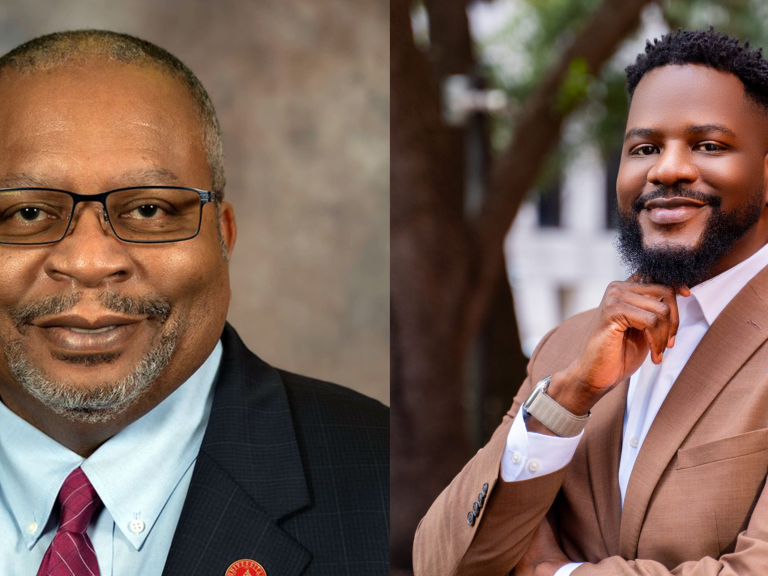
Howard University President Ben Vinson III Steps Down; Wayne A.I. Frederick Tapped as Interim

Howard University President Ben Vinson III Steps Down Wayne AI Frederick Tapped As Interim

WASHINGTON, D.C. — Howard University announced that President Ben Vinson III, Ph.D. will step down as the institution’s 18th president on August 31, 2025, concluding just under two years at the helm. The Board of Trustees has appointed Wayne A.I. Frederick, M.D., MBA—Howard’s 17th president and president emeritus—to serve as interim president beginning September 1, 2025, while a national search is conducted for the next permanent leader.

What happened

In a statement shared Friday, the Board confirmed Vinson’s planned departure date and outlined a leadership transition aimed at maintaining stability as the fall semester begins. University officials said Vinson has worked with trustees to ensure a smooth handoff. Bringing back Frederick as interim leverages more than a decade of prior presidential experience at Howard and deep familiarity with the campus, alumni community, and key initiatives already underway.

Why this matters

Vinson’s tenure overlapped with one of the most consequential milestones in Howard’s modern history: the University’s elevation to Carnegie Research One (R1) status in February 2025. The designation placed Howard among the nation’s elite research institutions and affirmed years of investment in research infrastructure, doctoral education, and external funding. Beyond that recognition, Howard has highlighted recent gains in social mobility metrics and global rankings—momentum University leaders say they intend to sustain through the transition into the 2025–26 academic year.

Wayne Frederick 0

Who is stepping in

Wayne A.I. Frederick previously led Howard from 2014–2023 (after serving as interim in 2013). During that period, the University advanced major fundraising efforts, academic modernization, and significant capital projects. His interim term is slated to begin September 1, 2025 and continue until the Board completes a comprehensive national search. Frederick’s return is expected to provide continuity for students, faculty, and staff as the new academic year begins and major initiatives—including research expansion and campus development—move forward.

What we know about the transition

  • Effective dates: Vinson’s last day is August 31, 2025; Frederick begins September 1, 2025.
  • Reason for departure: The University’s statement did not specify a reason for the change, characterizing it instead as a planned leadership transition timed with the start of the academic year.
  • Next steps: The Board of Trustees will engage stakeholders and launch a national search for a permanent president. A formal search timeline and process will be shared with the campus community.

The bigger picture for HBCUs

Howard’s leadership change arrives at a moment of heightened attention on higher education governance and the future of research at HBCUs. With R1 status secured and an experienced leader stepping in on an interim basis, Howard enters the search with strong research credentials, deep alumni support, and brand strength that could shape the national candidate pool. The University’s strategic direction—spanning AI and data science, health and life sciences, interdisciplinary research, and global engagement—will likely be central topics as candidates outline their vision for the next decade.

What’s next

Students are returning for the fall semester, and the administration has emphasized continuity in academic programs, student services, and research operations. Expect updates from the Board in the coming weeks regarding the search committee, stakeholder listening sessions, and opportunities for the campus community to provide input.

Alabama A&M Sets Record Freshman Enrollment; 42% of the Class Are Male Students

Freshmanlr4darker

HUNTSVILLE, AL — August 21, 2025 — Alabama A&M University (AAMU) is kicking off its 150th year with a milestone freshman class and a notable surge in male enrollment. The university introduced 2,157 preliminarily registered first-time freshmen at its annual Torch Lighting Ceremony—surpassing last year’s mark and signaling momentum for the Bulldogs heading into the fall. According to the university, 42% of the incoming class are male students, bucking a decades-long national slide in Black male college enrollment.

Record numbers and wider reach

AAMU says the Class of 2029 represents 40 states and five countries, with most first-years planning to live on campus as part of a more immersive experience. The growth highlights Huntsville’s growing appeal as a tech-forward city and AAMU’s positioning within Alabama’s higher-ed landscape.

Coverage of the announcement has also appeared across national outlets, including Black Enterprise, which underscored the significance of the university’s male enrollment milestone this fall.

Addressing the male enrollment gap

For years, colleges nationwide—and HBCUs in particular—have grappled with a persistent gender gap in undergraduate education. That’s why the 42% male share in AAMU’s freshman cohort stands out: it suggests targeted recruitment, community engagement, and campus-life investments are reaching prospective male students and their families. Black Enterprise’s report frames the increase as meaningful progress amid longer-term declines in Black male enrollment in higher education.

What’s driving interest at AAMU

AAMU’s enrollment momentum builds on recent growth trends and a campus experience that emphasizes community and belonging. The university’s Torch Lighting Ceremony—a tradition that welcomes first-year students into the AAMU family—set the tone for this fall’s record class. As AAMU elevates residential life and academic support, more students are choosing to begin their college journey “on the Hill” in Huntsville.

The university has also consistently communicated progress on overall enrollment and retention in recent years, positioning AAMU as a competitive destination in the state and across the region.

Why it matters for HBCUs

  • Momentum in STEM and workforce pathways: With Huntsville’s innovation economy, AAMU is well-placed to channel students into internships, research, and early career roles, strengthening HBCU pipelines into high-demand fields.
  • A recruitment blueprint: The male enrollment gain offers a case study for peer HBCUs seeking to close gender gaps through purposeful outreach, campus life, and student success initiatives.
  • Scaling belonging: Traditions like Torch Lighting and a strong residential experience help drive persistence—key to improving graduation rates and long-term outcomes for first-gen and underrepresented students.

The bottom line

Alabama A&M’s record freshman class—and the jump in male enrollment—reflects a strategic push to grow, retain, and graduate more students as the university marks 150 years. It’s an encouraging signal for HBCUs nationally and a timely win for the Bulldog community.

Tennessee State to Build $50M State-of-the-Art Engineering Hub

NASHVILLE, TN — August 21, 2025 — Tennessee State University (TSU) is moving forward with a $50 million engineering hub designed to expand hands-on learning, research capacity, and industry partnerships on its Nashville campus. The nearly 70,000-square-foot facility received approval from the Tennessee State Building Commission on August 15 and is slated to break ground later this year, with completion targeted for summer 2027.

What TSU Is Building

The new hub will bring TSU’s Engineering and Applied & Industrial Technology programs under one roof, consolidating classrooms, computer labs, and 30+ specialized research and teaching labs. Plans highlight three flagship spaces: a Future Energy Lab, an Additive Manufacturing Lab, and a Drone Flight & Air Traffic Lab—all aimed at preparing students for emerging roles across energy systems, advanced fabrication, and autonomous flight operations

Designed by Melvin Gill & Associates and Bauer Askew Architecture, the complex is being developed alongside TSU’s Planning, Design, and Construction team to prioritize collaboration, innovation, and sustainability from day one.

IMG 9598

A Boost for Students—and for Nashville

Anchored in one of the South’s fastest-growing metros for tech, healthcare, and advanced manufacturing, the facility positions TSU to deepen partnerships with regional employers and give undergraduates, master’s students, and doctoral researchers access to modern tools that translate directly to workforce needs. The university has emphasized “future-ready” preparation—linking classroom learning with project work, internships, and research tied to real-world challenges.

This momentum builds on recent wins for TSU Engineering, including new funding to enhance smart mobility and safety research in Nashville—part of a broader push to connect academic expertise with city-scale solutions. (Related: TSU’s $700K SMART Grant supporting pedestrian-safety innovation.)

Why It Matters for HBCUs

  • STEM capacity at scale: Major science and engineering investments like TSU’s set a blueprint for HBCUs to expand lab space, attract grants, and grow graduate programs.
  • Hands-on learning first: Focused labs (energy, additive manufacturing, UAV systems) help students build portfolio-ready skills before they enter the job market.
  • Industry pipeline: With Nashville’s growth, the hub strengthens the talent pathway from TSU to regional and national employers.
  • Signal to prospective students: A dedicated, modern facility is a recruitment asset that showcases the breadth of research and tech opportunities at an HBCU.

Leadership & Timeline at a Glance

University leaders and college officials have framed the project as a strategic leap for interdisciplinary collaboration and workforce alignment. Following state approval, construction is expected to begin in 2025 with opening planned for summer 2027, pending typical construction schedules.

The Bottom Line

TSU’s $50M engineering hub is a timely investment—and a strong signal about where HBCU STEM is headed. With modern labs, expanded research space, and deeper ties to industry, the project is built to accelerate student outcomes, faculty research, and regional impact for years to come.

Buffalo Bills Sign Alcorn State RB Jarveon Howard, Giving a Physical Back a Shot to Stick

Images 13 F0b23a

The Buffalo Bills have added another HBCU playmaker to their preseason mix, signing former Alcorn State running back Jarveon Howard. It’s a low-risk, high-upside move that gives Buffalo a north–south runner who can punish tacklers, finish forward, and help control tempo when the weather (and game scripts) get cold late in the year.

Who he is: a proven workhorse with SWAC production

Howard built his reputation in Lorman after transferring from Syracuse, quickly becoming one of the SWAC’s most dependable bell-cow backs. He’s a compact, powerful runner with outstanding contact balance, patience behind his blocks, and the willingness to run through arm tackles rather than around them. For coaches who want reliability on early downs and toughness inside the 5, he checks the right boxes.

That résumé translates to the pros in subtle but important ways: backs who convert short yardage, protect the football, and keep the offense on schedule are the ones coaches trust when margins get thin. Howard’s film at Alcorn mirrors that profile—drive-sustaining carries, a knack for finding creases, and enough burst to turn routine runs into chain-movers.

Why Buffalo is a smart fit

Preseason is about contested jobs and contingency plans. Buffalo’s backfield needs depth for August snaps and situational answers for December. Howard offers both. His downhill style complements the Bills’ space-and-speed packages, giving the offense a hammer when it needs to salt away games or survive in less-than-perfect conditions.

If he’s going to stick, the path is classic for late-summer signings:

  • Pass protection: earn trust on third down by ID’ing and stoning pressure.
  • Ball security: one fumble can derail a shot; zero tolerance is the standard.
  • Special teams: carve out value on coverage and return units while the offensive role grows.

Howard’s temperament fits that grind. If he stacks good practices and clean reps in the final preseason run-up, he can force tough decisions—53-man vs. practice squad now, and call-up later when attrition hits.

HBCU-to-NFL pipeline, spotlighted again

Every time a player from an HBCU signs at the next level, it moves the conversation beyond brand names and into results. For Alcorn State, this is another data point that the program develops pros—backs with vision, toughness, and discipline. For recruits scrolling their feeds, it’s a reminder that there are multiple paths to Sunday opportunities, and HBCUs are paved with them.

The visibility matters. A camp signing becomes a headline, which becomes a highlight, which becomes a freshman in a Braves jersey two years from now. Alumni feel it too—another reason to talk their program up at work the next morning.

What success looks like from here

For a physical back like Howard, success doesn’t have to mean a Week 1 breakout. It can look like this: special-teams snaps in August, a practice-squad landing spot, and a midseason elevation when legs are heavy and short-yardage conversions decide close games. If he proves he can handle protections and protect the rock, he’ll make it hard for Buffalo to let him walk.

And whatever happens next, the message is clear: the distance from the Yard to the league keeps getting shorter when talent meets preparation.

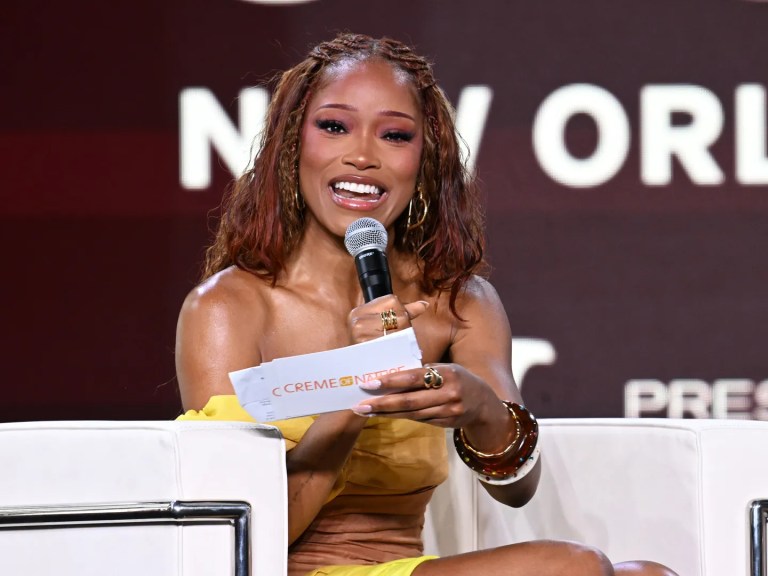
‘Love Island’ star Olandria Carthen Says Choosing an HBCU Was About Belonging

09e62f970bc0d0ace566e79db8c567df

Love Island USA standout Olandria Carthen is using her spotlight to amplify a message HBCU grads know well: college is about more than a diploma—it’s about belonging. In a recent live chat, the Tuskegee University alumna reflected on why she picked an HBCU in the first place and how that decision still shapes the way she shows up on and off screen. For future students and families weighing options, her story lands as both a reminder and a recruiting pitch.

“I wanted to feel seen”—the why behind her choice

Carthen shared that the draw of an HBCU wasn’t just academics; it was the environment. She wanted to spend four (or five) years in spaces where culture, community, and confidence were centered—not a side note. That everyday affirmation from classmates, professors, and traditions created a foundation she still stands on. It’s a familiar refrain across HBCU circles: when you’re supported and understood, you stretch further, speak up sooner, and lead with less hesitation.

At Tuskegee University—a campus rich with legacy, innovation, and alumni impact—that shows up as mentors who push and protect, peers who network like family, and traditions that train you to lead. For first-generation students in particular, that combination can be catalytic.

Xj3XgNJAa9FHrZotvF2bCQ

From the Yard to your feed

Carthen hasn’t left her HBCU story in the past. Throughout her reality TV run, she made a point to rep Tuskegee and speak to the value of her experience. That matters. A quick shoutout on a platform with massive reach sparks searches, inspires DMs from high school seniors, and reminds alumni they’re seen. It’s organic brand lift for the Golden Tigers and a subtle nudge to students considering where they’ll feel most at home.

And the timing is powerful: more Gen Z viewers are discovering HBCUs through culture—music, sports, and yes, reality TV—before they ever land on a campus tour. When alumni connect the dots between visibility and values, it helps families understand what HBCUs uniquely provide: rigorous academics, cultural alignment, leadership reps, and a lifelong network.

Reality TV lessons, HBCU-made

Part of Carthen’s appeal is how she navigated the game in real time: adapting to twists, building trust, and staying poised when the pressure spiked. That skill set is familiar to HBCU grads—group projects that become case studies, organizations that demand real leadership, internships powered by alumni who hold you accountable and open doors. The on-screen poise is the off-screen preparation showing up.

Her momentum now spans brand opportunities, hosting, and content creation—all lanes where authenticity and community translate. Because she’s clear about where she comes from, Tuskegee benefits twice: in the immediate shoutouts and in the longer arc of students who choose HBCUs after seeing themselves in stories like hers.

Why this resonates right now

HBCU applications and attention have climbed in recent years, but decisions still come down to stories that feel personal and real. Carthen’s message is direct: choosing an HBCU can be about choosing to be centered—about being majority in the spaces where you learn, lead, and launch. For many students, that shift is the difference between surviving and thriving.

The bigger takeaway: HBCUs remain pipelines for talent across entertainment, tech, media, sports, and beyond. When alumni show up in mainstream spaces and credit their HBCU experience, it affirms what campuses build every day—confidence, community, and readiness to shine when the lights are brightest.

Eagles Legends Michael Vick & DeSean Jackson Set an HBCU Showdown at the Linc

Two former Philadelphia Eagles greats—now first-year HBCU head coaches—will meet when Norfolk State and Delaware State face off at Lincoln Financial Field on Thursday, October 30, 2025.

Two former Philadelphia Eagles greats—now first-year HBCU head coaches—will meet when Norfolk State and Delaware State face off at Lincoln Financial Field on Thursday, October 30, 2025.

Philly lights, HBCU stage

Philadelphia is about to host a full HBCU football experience. Michael Vick, now at the helm of Norfolk State, and DeSean Jackson, the new head coach at Delaware State, will bring their MEAC rivalry to an NFL stage with bands, cheer squads, and alumni energy in the heart of South Philly. It’s the same field where Vick and Jackson once connected for game-changing moments—and now it becomes a recruiting and visibility boost for their programs.

Why this move matters for HBCUs

Moving a regular-season conference game into an NFL venue changes the conversation. Players get the locker-room and big-screen experience, bands get the acoustics they deserve, and both schools gain exposure to sponsors and media beyond the usual HBCU footprint. For the MEAC, it’s a showcase that reinforces the conference’s place in college football culture while giving recruits a taste of “big time” before they ever touch the pros.

Familiar faces, new jobs

Vick and Jackson don’t need introductions in Philadelphia. As NFL stars, they electrified Sundays with speed and explosive plays. Now, they’re channeling that equity into building staffs, setting standards, and opening doors for student-athletes.

  • Vick at Norfolk State: A quarterback’s eye for offense and national name recognition that resonates with recruits and donors.
  • Jackson at Delaware State: A deep-ball legend whose energy and network can modernize the Hornets’ attack and brand.
Dimsapnews 1

The details so far

  • Date: Thursday, October 30, 2025
  • Venue: Lincoln Financial Field (Philadelphia)
  • Kickoff: Evening start (listings vary by outlet and may be finalized closer to game week)

Whether you’re wearing green from the Eagles days or rocking school colors, the setup screams culture: drumlines echoing across an NFL bowl, alumni sections in full force, and a city that loves big football moments embracing an HBCU night game.

What to watch on the field

Expect both teams to lean into identity—pace, explosives, and special teams that can flip the game in one snap. Vick’s offense should stress spacing and quarterback play, while Jackson’s group will look to create chunk gains and field position swings. In a venue like the Linc, momentum can turn fast; the band-to-bleachers atmosphere will make it feel like a postseason showcase even in October.

The bigger picture

This matchup isn’t just nostalgia. It’s a blueprint for how HBCUs can leverage iconic alumni and major-market partners to grow the game. Putting MEAC football under NFL lights spotlights the talent pipeline—athletes, musicians, coaches, and creatives—while giving both schools a national talking point with recruits and sponsors. If this hits the way it should, don’t be surprised if more neutral-site, big-stage HBCU showcases follow.

LinkedIn’s New Ranking Names Top 10 HBCUs for Long-Term Career Success

1953d144fcd987b709a9727eb1909e5e

Howard University is No. 1, with Morehouse and Spelman close behind

LinkedIn has released its first-ever Top Colleges rankings—built on real alumni outcomes—and the list includes a dedicated Top 10 HBCUs. The ranking looks beyond prestige to measure what matters after graduation: getting hired, building a strong network, and moving up over time.

The Top 10 HBCUs (2025)

  1. Howard University
  2. Morehouse College
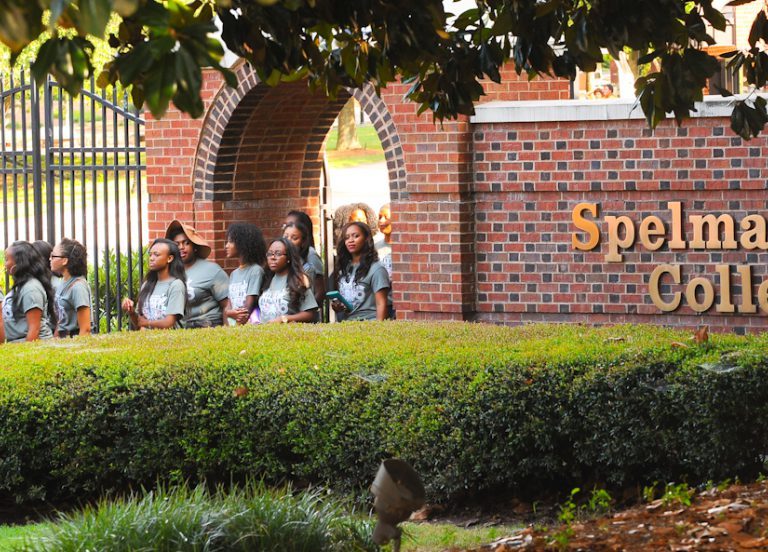
  3. Spelman College
  4. North Carolina A&T State University
  5. Hampton University
  6. Tuskegee University
  7. Florida A&M University (FAMU)
  8. Clark Atlanta University
  9. Xavier University of Louisiana
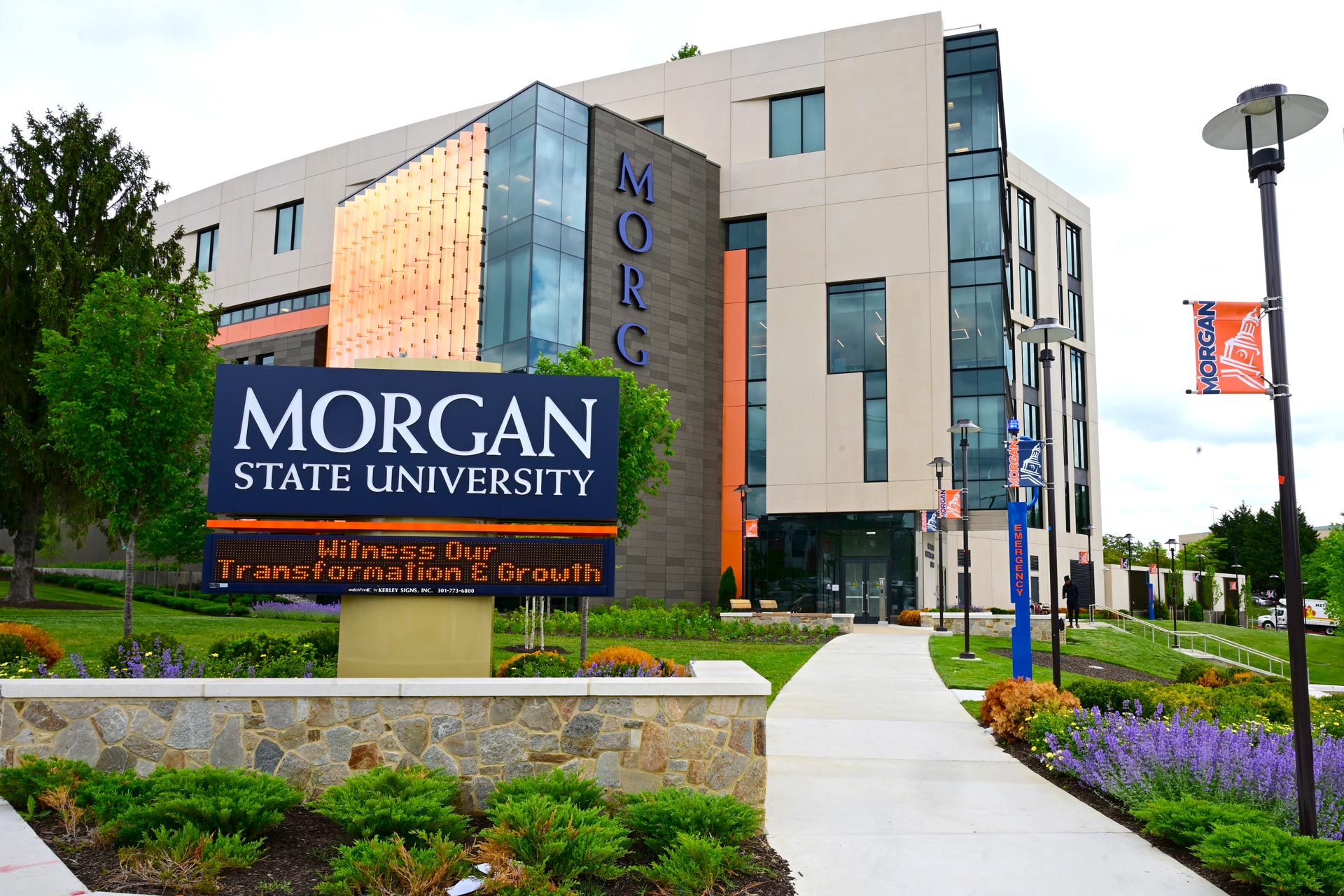
  10. Morgan State University

Howard University confirmed the No. 1 spot and highlighted how LinkedIn’s outcome-first approach aligns with what students and families weigh most: job placement, internships and recruiter demand, career success, network strength, and knowledge breadth.

Why LinkedIn’s list is different

Traditional rankings often lean on surveys or school-reported inputs. LinkedIn says its methodology is built from platform data tied to alumni pathways—such as how quickly graduates land roles or enroll in grad school, how often recruiters reach out, and how alumni networks accelerate advancement. The company’s broader Top Colleges rollout underscores a shift toward measuring returns from a degree using real-world career signals.

What it means for students and families

For prospective students comparing offers this fall, the HBCU list provides a data-backed view of long-term career traction—especially around early job placement and alumni networks. If you’re deciding between programs with similar aid packages, this ranking adds clarity on career outcomes that can compound over time.

What it means for campuses and employers

  • Recruiting pipelines: Expect interest from employers to deepen at schools where LinkedIn data shows strong internship participation and recruiter outreach.
  • Alumni engagement: Because network strength is a key pillar, alumni mentoring and on-campus recruiting could become even more central to student success strategies.
  • Outcomes transparency: Outcome-first lists raise the bar for all institutions to show evidence of career mobility, not just classroom excellence.

Quick notes on the top three

  • Howard University (No. 1): Confirmed LinkedIn’s top HBCU based on alumni career success and network effects.
  • Morehouse College (No. 2) & Spelman College (No. 3): Both continue to appear prominently in outcome-focused discussions, reflecting strong alumni trajectories and connections across industries.

The HBCU Hustle: Morehouse Man, Jeremy Hall Built a College Playbook

Article Newsletter Option 2

ATLANTA, GA — Some books give advice. The HBCU Hustle: Making Moves in College gives you the game. Written by Morehouse College’s own Jeremy Hall, this isn’t a “feel-good” college survival guide — it’s a movement for students ready to dominate in the classroom, on campus, and in life.

From the South Side to the Spotlight

Hall’s journey begins on Chicago’s South Side — a place that taught him grit, resilience, and how to turn setbacks into setups. Now, he’s a national voice for ambition and purpose. He’s been featured on ABC, Nasdaq Watch, WSB-TV Atlanta, and The Atlanta Voice. He’s addressed thousands of donors at the UNCF Atlanta Mayor’s Masked Ball, shared stages with leaders, and still finds time to mentor the next generation.

The HBCU Hustle isn’t just his story — it’s the playbook for anyone who’s tired of being told to “wait their turn.”

Why This Book Hits Different

Most college advice focuses on the “what.” Jeremy focuses on the “how” — how to navigate when you’re under-resourced, underestimated, or overlooked. Inside these pages, he lays out strategies for building influence, finding your purpose, and leveraging every opportunity that crosses your path.

His rules are simple but powerful:

  • Write your own story — don’t let anyone else hold the pen.
  • Defy every limit — both the ones you see and the ones they hide.
  • Lift as you climb — success means nothing if you’re the only one eating.

“Where you start does not define where you can go,” Hall says. “With faith, hustle, and heart, you can surpass expectations — even your own.”

Receipts to Back It Up

This isn’t a theory. Hall is a UNCF Michael L. Lomax Scholar, a Forbes 30 Under 30 nominee, and a Goldman Sachs intern. He’s led Morehouse’s University Innovation Fellows program, served as a Center for Black Entrepreneurship Lead Ambassador, and represented HBCUs internationally, from Nasdaq’s closing bell to Capetown, South Africa.

Industry leaders call him “authentic,” “magnetic,” and “the kind of leader the world needs more of.” From education to entrepreneurship, his track record proves that The HBCU Hustle is more than hype — it’s a system that works.

From People Who’ve Worked With Him

People who’ve worked with Hall highlight his follow‑through, professionalism, and student impact.

  • Justine Boyd, UNCF Assistant Vice President, Regional Development: “He captivated over 2,000 donors at the Mayor’s Masked Ball—he has the qualities to lead, inspire, and make a lasting difference.”
  • Hal Kravitz, Director/Board Member, Celsius Holdings, Inc.: “One of the sharpest and most personable young men I’ve met—I’m proud to mentor him.”

Impact highlight: UNCF Atlanta Mayor’s Masked Ball appearance reached 2,000+ donors.

Why HBCUs Need This Now

HBCUs are producing trailblazers every year — but too often, students graduate without a roadmap for turning ambition into sustained impact. Hall’s book changes that. It’s not just about getting a degree — it’s about mastering the art of strategic hustle so you leave campus with influence, network, and purpose intact.

The Invitation

The HBCU Hustle: Making Moves in College is more than a book. It’s a rallying call for students, alumni, and advocates who refuse to play small. It’s for the dreamers who work like visionaries. It’s for every underdog who knows the game is winnable — if you play it right.

If you’re ready to flip the script on your college journey, join the movement. Learn more at thehbcuhustle.com