
Texas Southern Makes Historic Investment in Aviation Program with New Cirrus Aircraft Fleet

MViQepYV

Texas Southern University (TSU) is taking its Aviation Science Management program to new heights with the acquisition of 12 state-of-the-art Cirrus SR20 G7+ aircraft, marking a historic first-of-its-kind partnership between Cirrus Aircraft and a Historically Black College or University. The multimillion-dollar investment represents one of the largest single fleet purchases in the program’s history and sets TSU apart as a national leader in collegiate aviation education. Announced in late September, the new aircraft fleet features cutting-edge technology, including the Cirrus Airframe Parachute System (CAPS®) installed on all 12 planes and Safe Return Emergency Autoland™ on seven of them — the same safety innovations found in modern private jets. According to Business Wire, the SR20 G7+ models will give students access to one of the safest and most technologically advanced training fleets in the country.

A Game-Changing Moment for TSU’s Aviation Program

TSU leaders called the purchase a major step forward in expanding opportunities for aspiring pilots, aviation managers, and aerospace professionals. The acquisition was made possible through a combination of alumni philanthropy, state legislative support, and institutional investment, underscoring the collaborative effort to elevate the university’s aviation offerings. University officials said the partnership with Cirrus represents more than just new planes; it’s about expanding hands-on learning, enhancing workforce readiness, and positioning TSU as a pipeline for diverse talent in an industry facing nationwide pilot shortages. TSU’s Aviation Science and Technology Department, based at Ellington Airport in Houston, will house the new fleet and integrate it into its flight training curriculum. “We’re not just adding planes — we’re opening doors,” a TSU spokesperson told Texas Southern News, emphasizing that the fleet will help students log more flight hours, gain proficiency on advanced avionics, and graduate with competitive credentials.

Historic Partnership Between Cirrus and an HBCU

This partnership marks the first time Cirrus Aircraft has delivered a full fleet of SR-Series G7+ aircraft to an HBCU, demonstrating TSU’s emergence as a serious player in aviation education. Cirrus executives highlighted that TSU’s fleet is one of the largest university acquisitions of the new SR20 G7+ series in the nation, reflecting the industry’s commitment to supporting diversity in aviation. The collaboration was spotlighted at EAA AirVenture Oshkosh 2025, the world’s largest aviation showcase, where TSU’s new planes drew attention for combining next-generation safety features with a historic push to train more minority pilots.

Empowering Future Pilots and Strengthening Diversity

TSU has a longstanding reputation for preparing students for careers in aviation management and flight operations, but the addition of the Cirrus fleet significantly raises the program’s profile. For students, the aircraft mean more flight availability, faster progression through required hours, and exposure to modern avionics systems like the Garmin Perspective+ flight deck. The investment also underscores TSU’s commitment to diversifying the aviation workforce, a priority given that African Americans account for less than 3% of commercial airline pilots nationwide. University leaders hope the fleet will help attract new students to aviation science and inspire future generations to pursue careers as pilots, engineers, and aerospace innovators.


Funding Innovation with Community Support

The fleet acquisition was made possible in part by a generous gift from a TSU alumnus, combined with funding from the Texas Legislature aimed at advancing workforce development programs at public universities. Houston city officials also supported TSU’s ongoing expansion at Ellington Airport, including infrastructure upgrades to accommodate the new planes. This investment builds on prior initiatives such as the Houston Airport System’s commitment of up to $5 million in 2023 to support TSU’s flight training facility. Together, these milestones reflect a growing partnership between local government, private industry, and the university to address critical workforce gaps in aviation.

Elevating TSU’s National Standing

With this acquisition, TSU’s Aviation Science Management program now boasts one of the most advanced training fleets among HBCUs and regional universities alike. The fleet not only modernizes the curriculum but also positions TSU to compete with leading aviation schools across the country, giving students access to equipment that meets or exceeds industry standards. Cirrus Aircraft leaders have stated that equipping future pilots with advanced avionics and safety systems from day one will set TSU graduates apart in an increasingly competitive job market.

A Historic Takeoff

Texas Southern University’s investment in its aviation program signals a new era of growth and opportunity for HBCU students in STEM and aerospace. As the university continues to expand its presence at Ellington Airport and strengthen partnerships with industry leaders, the new fleet of Cirrus aircraft represents not just an upgrade in technology but a transformative leap toward equity, innovation, and excellence in aviation education.

Former South Carolina State Star Shaquille Leonard Retires from NFL as Three-Time All-Pro

Usatsi 21672573 168388561 Lowres

Former South Carolina State University standout and three-time NFL All-Pro linebacker Shaquille “Shaq” Leonard has announced his retirement from professional football, closing the chapter on one of the most decorated careers ever by an HBCU-born defensive player. The 29-year-old, who became the face of the Indianapolis Colts’ defense for six seasons, will officially retire as a Colt during a special ceremony at halftime of the team’s Week 5 game against the Las Vegas Raiders. Leonard shared his decision on October 1, 2025, thanking his family, teammates, coaches, and fans for what he described as a “dream realized beyond measure.” “From Lake View, South Carolina, to SC State to the NFL, I’ve been blessed to live out my purpose on and off the field,” Leonard said in a statement via the Colts.

From Bulldog to NFL Star

Leonard’s journey to NFL stardom began at South Carolina State University, where he was a dominant force in the MEAC and helped elevate the Bulldogs’ national profile. Over four seasons, he racked up 394 tackles, 42.5 tackles for loss, 13.5 sacks, and six interceptions, earning MEAC Defensive Player of the Year twice (2016 and 2017). His explosive play and leadership turned heads at the 2018 NFL Combine, where he went on to be drafted 36th overall in the second round by the Colts. Leonard quickly validated that pick. As a rookie in 2018, he recorded 163 tackles, leading the entire NFL and earning NFL Defensive Rookie of the Year honors. Over his career with Indianapolis, he amassed 607 tackles, 15 sacks, 17 forced fumbles, 12 interceptions, and 2 defensive touchdowns, becoming a cornerstone of the Colts’ defense. He was named First-Team All-Pro three times (2018, 2020, 2021) and selected to four Pro Bowls.

A Proud HBCU Legacy

Leonard’s success represents more than just personal achievement — it’s a point of pride for HBCU football programs nationwide. As one of the most accomplished defensive players to come out of an HBCU in the modern era, Leonard often credited his development to SC State’s culture of discipline and resilience. “I wouldn’t be the player or man I am today without South Carolina State and Coach Buddy Pough,” Leonard told WIS-TV in an earlier interview. His story has been a rallying cry for athletes at smaller HBCUs, showing that elite NFL careers can emerge from programs outside the Power 5 conferences.

Battling Through Injuries

Leonard’s retirement also reflects the toll the game has taken on his body. After a string of back and ankle injuries that required surgeries and limited his snaps in recent seasons, he acknowledged that the time was right to step away to prioritize his long-term health and family. “This decision wasn’t easy, but I want to walk away while I can still enjoy the life I’ve built,” he said in his retirement note. The Colts, in their official statement, praised Leonard as “the heartbeat of the defense and a leader whose impact goes beyond statistics.”

Celebrated by the Colts and HBCU Community

Indianapolis will honor Leonard during a halftime ceremony in Week 5 against the Raiders, giving fans a chance to salute the player affectionately nicknamed “The Maniac” for his relentless energy on the field. Colts owner Jim Irsay said Leonard “embodied toughness, character, and community spirit,” highlighting the linebacker’s charity initiatives and mentoring work with young athletes. At SC State, news of Leonard’s retirement sparked tributes from alumni and current players, many of whom grew up watching his rise from an HBCU standout to an NFL star. The MEAC released a statement congratulating Leonard on his career and calling him “an inspiration for generations of student-athletes.”

Legacy of Leadership and Service

Beyond his on-field accolades, Leonard has consistently used his platform to give back to his hometown of Lake View, South Carolina, and to support HBCU scholarships. His “Maniac Foundation” has provided resources for underserved communities, youth sports, and education programs. For many, Leonard’s journey underscores the broader importance of investing in HBCU athletic programs, which often produce talent capable of competing — and excelling — at the highest levels of professional sports.

Closing a Chapter, Inspiring the Next

Shaquille Leonard leaves the game as a three-time All-Pro, four-time Pro Bowler, and one of the most decorated HBCU-born players of his generation. His retirement is both a farewell to a stellar NFL career and a reminder of the rich legacy that HBCU athletes bring to professional football. As Leonard puts down his helmet for the last time, his impact will continue to be felt not only in Colts history books but also across the halls of South Carolina State and the broader HBCU sports community he championed throughout his journey.

Alabama Governor Declares October as HBCU Month for the Fourth Year in a Row

Asu Alabama State

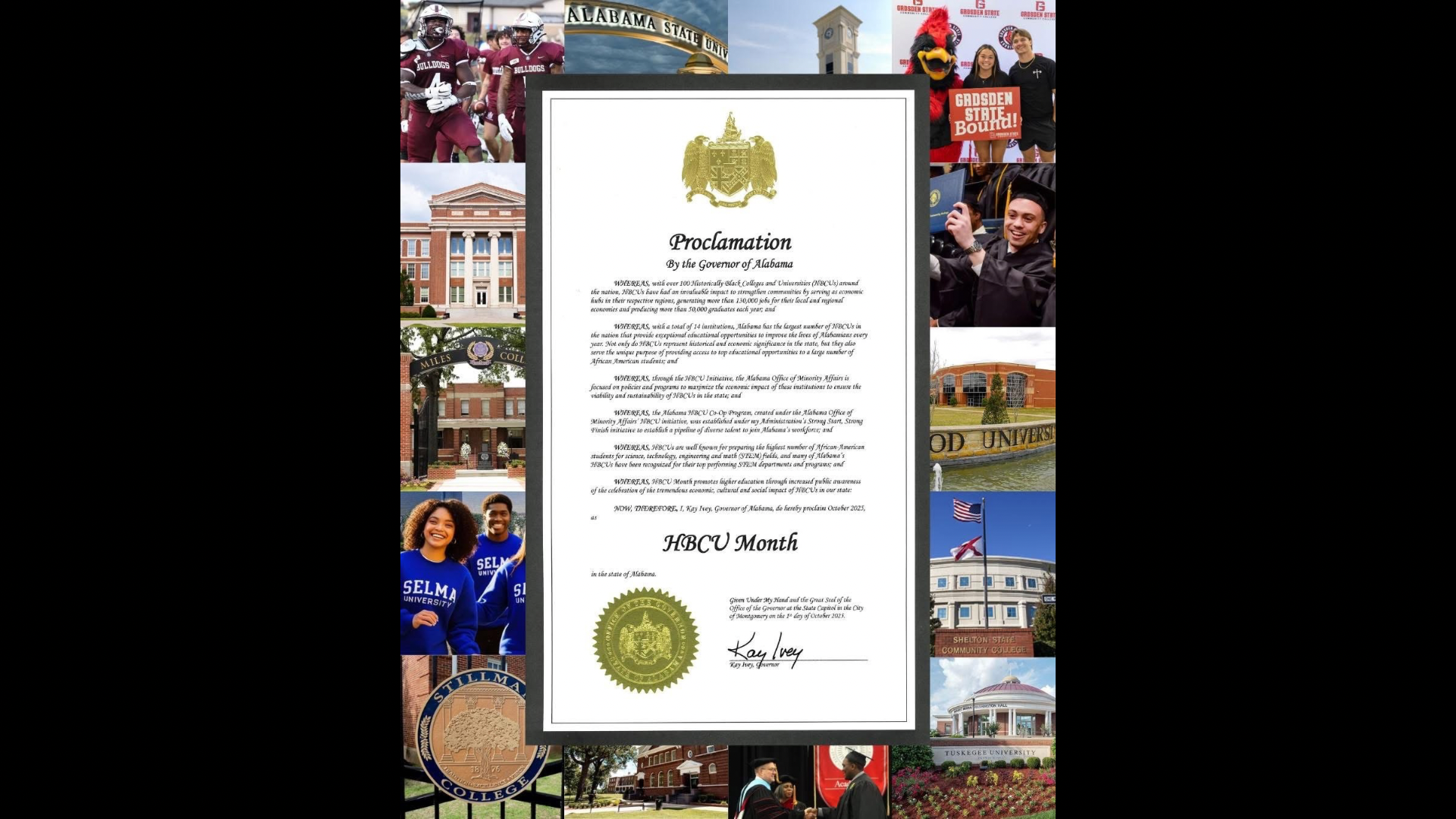
Alabama Governor Kay Ivey has officially declared October as “HBCU Month” in Alabama, recognizing the state’s 14 Historically Black Colleges and Universities and their lasting contributions to education, culture, and economic development. This marks the fourth consecutive year Ivey has issued the proclamation. (WTVY) “Alabama is proud to be home to more HBCUs than any other state in the country,” Ivey said in a statement shared by the Governor’s Office. “These historic institutions have shaped leaders, innovators, and changemakers who continue to strengthen our communities.”

Highlighting Alabama’s HBCU Legacy

Alabama’s HBCUs include institutions such as Alabama State University, Tuskegee University, Stillman College, Miles College, and Oakwood University — among others that have educated generations of Black scholars and professionals. The proclamation celebrates the legacy of these schools as cornerstones of access and excellence in higher education. It also underscores their ongoing role in advancing workforce development, economic growth, and cultural heritage within the state.

Alabama Governor Declares October As HBCU Month For The Fourth Year In A Row
https://governor.alabama.gov/assets/2022/09/HBCU-Month-Proclamation.pdf

Focus on Economic Impact and Opportunity

Governor Ivey’s announcement highlights the work of the Alabama Office of Minority Affairs’ HBCU Initiative and the Alabama HBCU Co-Op Program, which aim to expand opportunities for students by connecting them with internships and workforce pipelines. “These programs ensure that our students not only receive a quality education but also gain meaningful career experience that keeps Alabama competitive,” Ivey said. According to a UNCF economic impact study, Alabama’s HBCUs collectively generate hundreds of millions of dollars in economic activity each year and support thousands of jobs statewide.

A Continued Commitment to Recognition

By declaring October as HBCU Month for the fourth straight year, Ivey and state leaders signal a continued commitment to recognizing the historical and present-day value of HBCUs. Community members and school leaders see this recognition as more than symbolic. It provides a platform to advocate for increased state support, scholarships, and equitable funding for the institutions that have historically served underrepresented students.

Reactions from the HBCU Community

Leaders at Alabama’s HBCUs praised the proclamation, noting the importance of having statewide recognition. Officials from Alabama State University called the move “a celebration of our students’ excellence and the promise of future generations.” Advocates also point to the need for translating recognition into policy support, urging lawmakers to pair proclamations with resources that strengthen facilities, academic programs, and student services.

Wilberforce University Eyes Historic Football Comeback After Nearly a Century

Wilberforce Football Team Then 1024x815 900xx1200 675 0 140

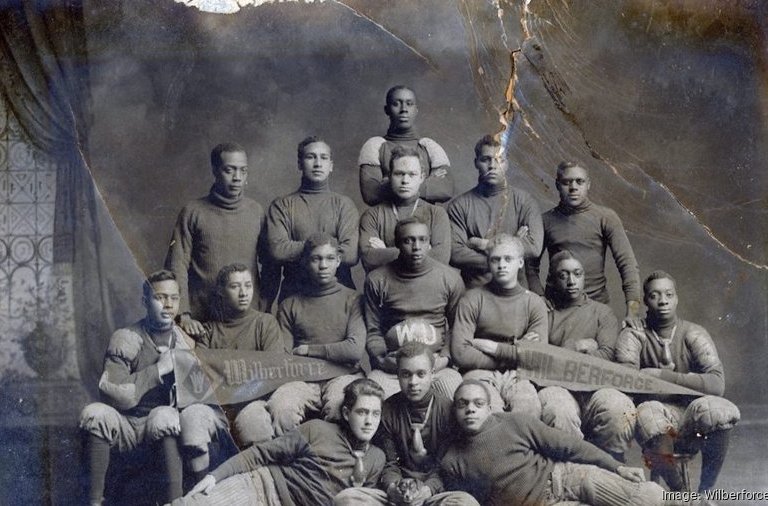
Wilberforce University — the nation’s oldest private Historically Black College and University — is taking steps to revive its storied football program nearly 100 years after it was discontinued. The Ohio-based HBCU announced in September that it has launched a feasibility study to explore what it would take to bring football back to campus. The last time the Bulldogs fielded a team was in the 1930s, when Wilberforce captured the 1931 Black College National Championship. “This is more than about athletics — it’s about reclaiming our legacy, enriching the student experience, and energizing our campus culture,” said Wilberforce president Dr. Vann R. Newkirk in the school’s official statement.

A Return to the Gridiron Rooted in Legacy

Founded in 1856, Wilberforce University has long been a cornerstone of Black higher education. Its football program dates back to the early 20th century, when the Bulldogs were among the nation’s most competitive Black college teams. In 1931, under head coach Harry C. Graves, Wilberforce defeated Tuskegee University to claim the national title — a milestone that still resonates with alumni and sports historians. The program, however, was shuttered later that decade due to financial challenges and shifting institutional priorities.

Growth Sparks a New Vision

According to the university, renewed interest in football stems from projected enrollment growth, with Wilberforce expecting to surpass 1,000 students by 2026. Leaders believe a football program could boost school spirit, attract prospective students, and expand opportunities for scholarships and community engagement. The feasibility study will examine facility needs, staffing, funding models, and student-athlete interest, as well as Title IX compliance to ensure balanced resources for men’s and women’s sports. Dr. Newkirk emphasized that any decision to bring football back will prioritize “sustainability, equity, and student safety.”

1024px Galloway Hall Wilberforce University

Community and Alumni Enthusiasm

The idea of returning to the field has sparked excitement among alumni who see football as central to HBCU culture — from the energy of Homecoming Saturdays to the pageantry of halftime shows. Several supporters told HBCU Gameday that a team could help restore traditions lost over generations and strengthen alumni engagement.

Challenges Ahead

Restarting a football program after nearly a century presents challenges: building a stadium or upgrading facilities, hiring coaching staff, recruiting athletes, and raising millions of dollars in operating funds. The university has not set a final timeline, but if feasibility plans progress, football could return as early as Fall 2027.

Why It Matters for HBCU Athletics

Wilberforce’s initiative reflects a broader trend among smaller HBCUs seeking to revitalize athletics to drive enrollment, community ties, and national visibility. A successful relaunch would make Wilberforce one of the few HBCUs to restore a discontinued football program, offering lessons for other campuses weighing the balance between tradition and fiscal responsibility.

FAMU Fined and Announcer Suspended After Remarks About ASU’s Honey Beez

FAMU Fined And Announcer Suspended After Remarks About ASUs Honey Beez

Florida A&M University (FAMU) is facing public backlash and league penalties after the Southwestern Athletic Conference (SWAC) issued a $10,000 fine and a formal reprimand over inappropriate remarks made by the school’s longtime football game announcer.

The comments, directed at Alabama State University’s beloved Honey Beez dance line during last weekend’s matchup, have sparked conversations about respect, inclusivity, and sportsmanship within HBCU culture.

SWAC Issues Fine and Suspension

In a statement released on October 1, 2025, the SWAC cited violations of its Principles and Standards of Sportsmanship for “inappropriate comments and invective language” used over the public-address system at Bragg Memorial Stadium.

As part of the league’s disciplinary action, the conference levied a $10,000 fine against FAMU and suspended public address announcer Joe Bullard for two games.

The SWAC’s swift response drew support from many across the HBCU community, with alumni and fans applauding the conference for upholding a standard of respect at athletic events.

The Remarks and Public Reaction

During halftime of the FAMU vs. ASU football game, Bullard made comments that many found disparaging toward the Honey Beez, particularly singling out their appearance in a way that offended fans and dancers alike. Clips of the remarks quickly spread across social media, generating outrage and widespread criticism.

In a written apology, Bullard acknowledged that what he intended as “lighthearted banter” came across as disrespectful. “I recognize the hurt my words caused and sincerely apologize to the Honey Beez, Alabama State University, and the entire HBCU community,” he said.

FAMU leadership also released a statement condemning the remarks and promising to review internal policies to prevent similar incidents in the future.

Spotlight on the Honey Beez

The Honey Beez, founded in 2004, have earned national acclaim for their high-energy performances and their commitment to challenging stereotypes in the world of collegiate dance. The team is widely celebrated for promoting body positivity, representation, and inclusivity at ASU sporting events and throughout the HBCU dance community.

Supporters of the Honey Beez were quick to point out that the incident underscores why representation matters — and why those in positions of influence, including game-day announcers, must be held to higher standards of respect.

Cultural Accountability in HBCU Athletics

This controversy highlights the importance of sportsmanship as a reflection of institutional values. While spirited rivalries are a hallmark of HBCU football culture, the SWAC’s decision reinforces that language used in stadiums can have far-reaching consequences.

Many alumni and students have called on FAMU to provide additional training for announcers and other staff who help shape the game-day experience, ensuring future commentary uplifts rather than demeans.

Moving Forward

FAMU announced it will cooperate fully with the SWAC’s directives and explore ways to strengthen internal oversight of its game-day operations. The university expressed its commitment to creating an environment that celebrates HBCU traditions without compromising dignity or inclusivity.

As the football season continues, the incident serves as a reminder that words matter — especially in spaces meant to showcase the pride and talent of HBCU students and alumni.

HBCU Buzz will continue to follow this developing story and share updates as FAMU implements any policy changes or if further action is taken by the conference.

Fort Valley State Suspends Marching Band Amid Hazing Allegations Ahead of Homecoming

81612715 5896 43df 82f4 8e5c8638832a 532G442700 00 43 10Still002

Fort Valley State University (FVSU) has suspended its entire marching band following hazing allegations that surfaced just days before Homecoming week, the university confirmed in a public statement.

The decision was announced on September 25, 2025, and immediately halted all band-related activities, including upcoming Homecoming performances. FVSU leaders said the move reflects their commitment to student safety as an investigation gets underway.

“The safety and well-being of our students is our top priority,” said Britney Smith, FVSU’s Executive Director of Marketing and Communications. “While we recognize how much the marching band means to our school spirit, we have to take these allegations seriously.”

A Difficult Call Before a Big Weekend

The suspension comes as FVSU prepares for one of its biggest events of the year — the annual Homecoming football matchup against Tuskegee University. The marching band, long considered a centerpiece of the Wildcats’ game-day and Homecoming traditions, will be notably absent from the festivities.

Students and alumni expressed disappointment on social media but also voiced support for the university’s swift response, noting that hazing continues to be a serious issue across campuses nationwide.

Hazing Remains an Ongoing Concern at HBCUs

Hazing incidents have repeatedly cast a shadow over HBCU culture in recent years. The Florida A&M University Marching 100 tragedy in 2011, where drum major Robert Champion died after a hazing ritual, still resonates as a turning point that forced bands and Greek organizations to reevaluate practices and safety standards.

More recently, Southern University found itself in the spotlight after the death of Caleb Wilson, who was reportedly involved in a hazing event tied to a fraternity. The university expelled the fraternity and launched a campus-wide hazing prevention review in response.

FVSU’s current investigation underscores that, despite past reforms and heightened awareness, hazing remains a persistent threat to student life and institutional reputation at Historically Black Colleges and Universities.

University Launches Investigation

The school has not released details about the nature of the allegations or the individuals involved but confirmed that an internal review is already underway. FVSU officials said they will work with law enforcement if necessary and promised to keep the campus community updated as the investigation progresses.

Administrators also encouraged students to report any hazing-related incidents through the university’s confidential hotline and reiterated FVSU’s zero-tolerance policy.

Impact on Campus Culture and Future Seasons

Suspending the band is a rare and consequential move — one that could affect the group’s rehearsal schedule, competitions, and recruitment for seasons to come. For now, the priority remains ensuring student safety and restoring trust among parents, alumni, and prospective Wildcats.

The incident also serves as a reminder that traditions tied to school pride must never come at the expense of well-being. FVSU joins a growing list of HBCUs confronting the challenge of preserving cultural legacies while eradicating harmful practices.

HBCU Shop Launches As The Official Lifestyle Brand For HBCUs

HBCU SHOP HBCU BUZZ1

LOS ANGELES, CA — SEPTEMBER 22, 2025 — Today marks a major milestone in HBCU culture and fashion: HBCU Shop (hbcushop.co), the new lifestyle brand created to amplify and celebrate Historically Black Colleges and Universities, officially launches. Rooted in heritage, style, and pride, the brand brings together tradition and modern streetwear in fresh, meaningful ways.

Founded by Bowie State University alumni, business partners, and longtime friends — Luke Lawal Jr. (entrepreneur and CEO of HBCU Buzz) and Kyle Moore (designer and creative lead) — HBCU Shop emerges from a shared vision of cultural representation. Both men are also brothers of Omega Psi Phi Fraternity. Determined to fill a gap in the fashion landscape, they set out to build more than just a clothing line; their ambition was to forge a movement that dresses the culture in its own voice.

HBCU Shop debuts with collections across HBCU Active, HBCU Leisure, and University categories — each designed not just for wearing, but for storytelling. Every piece carries the spirit, vibrancy, and legacy of HBCUs. From bold graphics and refined color palettes to fine fabric choices and attention to detail, the brand’s offerings reflect pride, identity, and movement.

“HBCU Shop is more than a store — it’s a movement,” said Lawal. “We built this brand to represent our culture unapologetically, from campus to the city, and to create apparel that speaks to both history and the future.”

Moore elaborates on the design philosophy:

“Design is storytelling. With HBCU Shop, we’re creating pieces that feel timeless while staying rooted in the pride and creativity of our community.”

HBCU SHOP UNIVERSITY

What sets HBCU Shop apart is not only its aesthetic ambition, but also the ethos behind it. This is apparel with purpose. Whether you’re on campus, out in the city, or representing your alma mater across the country, the brand aims to bridge identity and everyday wearability. The collections are intended to be relevant, authentic, and accessible — enabling wearers to express HBCU pride in any setting.

At launch, the full collection is available now on hbcushop.co, where the brand plans to continue evolving its catalog and forming collaborations with designers, artists, and institutions tied to HBCU legacy. The platform also serves as a cultural hub — a place to spotlight stories, amplify voices, and deepen connections within the community.


About HBCU Shop

HBCU Shop is a purpose-driven lifestyle brand dedicated to the culture, pride, and heritage of Historically Black Colleges and Universities. Its mission is to fuse authenticity with modern design to empower wearers to represent their heritage — boldly and confidently — every day.

Operated under HBCU Buzz, the brand leverages the founders’ background in media, entrepreneurship, and HBCU advocacy to support its vision. By integrating storytelling, design, and cultural celebration, HBCU Shop aspires to be more than a label — it aims to become the emblem of a movement.

In addition to selling apparel and accessories under its Active, Leisure, and University lines, the brand will grow through:

  • Collaborations with artists, designers, and HBCU institutions
  • Limited-edition drops that spotlight cultural moments or milestones
  • Content and storytelling initiatives via its site, newsletter, and social channels
  • Community engagement, events, and partnerships uplifting HBCU culture

By situating fashion as both a form of representation and a cultural voice, HBCU Shop seeks to uplift HBCU identity — celebrating its history and shaping its future.

Tennessee State Removes Unauthorized MAGA Group After Campus Confrontation

G1jrXpRW8AA9mRf

TSU Acts Against Unauthorized Campus Visit

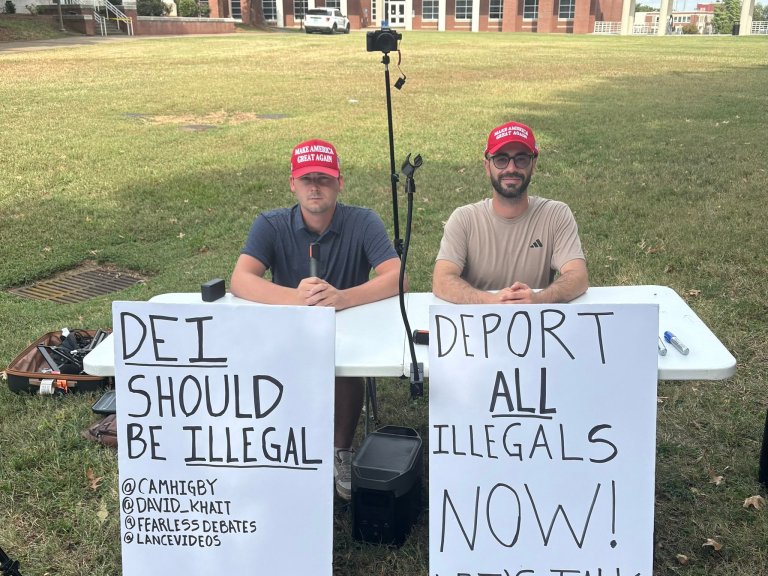
On September 23, 2025, Tennessee State University (TSU) found itself at the center of campus controversy when a group known as “Fearless Debaters” arrived unannounced on its Nashville campus. The group donned Make America Great Again (MAGA) hats and held signs reading “DEI should be illegal” and “Deport all illegals now.” According to The Tennessean, the group attempted to stage what they called a “debate table” aimed at sparking confrontation.

University officials confirmed the visitors were unauthorized and unaffiliated with TSU. Under university rules, protests or demonstrations must receive advance approval and permitting. Campus police and staff escorted the group off the property without incident.

In its official statement, TSU emphasized that “at all times, TSU students conducted themselves in a professional and respectful manner.” The university reiterated that the safety and well-being of students, faculty, and staff remain its highest priority.


What the Fearless Debaters Claimed & How Students Reacted

According to reporting, the group claimed TSU as the first stop on its “Fearless Tour” of HBCUs, seeking to promote “open debate” on campuses. The Tennessean notes that social media profiles linked to the group suggest inspiration from the late Charlie Kirk and a desire to contest DEI and immigration issues at HBCUs.

On the ground, students quickly mobilized. Some documented the group’s presence via video, and large numbers gathered to vocalize opposition as the group exited campus. One posted video showed student involvement in escorting the group from campus. Some members of the group later posted claims on social media, alleging that students had interfered with their property or exit, but the university denied those claims and maintained that order was preserved.

In response, the NAACP Nashville Chapter issued a solidarity statement, condemning what it called a deliberate tactic to provoke and intimidate students. The organization argued the act was more than free speech—it was a targeted, antagonistic effort at an HBCU, meant to destabilize and unsettle the campus environment.


Why the Tennessee State Unauthorized Group Removal Is Significant

This episode at TSU is emblematic of broader tensions and risks facing HBCUs today:

  1. Campus Governance & Free Speech Tension
    Universities must balance protecting free expression with maintaining safety and order. TSU’s enforcement of its approval policy demonstrates one approach to that balance in a volatile environment.
  2. HBCUs as Political Flashpoints
    The group’s messaging—attacking DEI, pushing immigration rhetoric—seems specifically aimed at challenging HBCU values and identity. The Tennessean framing indicates this may be part of a pattern of intentional targeting of HBCU spaces.
  3. Student Agency & Institutional Strength
    TSU’s praise for its students’ professionalism underscores how critical student behavior is in shaping perceptions and outcomes during tense situations.
  4. Precedent & Deterrence
    How TSU handles the aftermath—investigations, public messaging, policy reviews—can either deter or invite future unpermitted intrusions on campuses across the country.

Next Moves for Tennessee State

Moving forward, TSU has several fronts to address:

  • Full accounting and transparency: It should provide details about who the Fearless Debaters are, how they accessed campus, and any policy gaps discovered.
  • Policy review and security upgrades: Strengthen permitting systems, monitor external group access, and improve event oversight.
  • Community dialogue: Host forums or panels that center student voice, free speech, and campus values.
  • Communications strategy: Maintain consistent, clear messaging to internal and external audiences.
  • Collaboration with HBCU network: Share lessons with peer institutions facing similar tactics and build collective defense strategies.

The Tennessee State unauthorized group removal is more than just a campus anecdote—it reflects how politically charged groups are probing HBCUs. TSU’s swift action, combined with student resolve, may set a blueprint for how other HBCUs guard their spaces and values in turbulent times.

Huston-Tillotson University Secures Historic $150 Million Moody Foundation Gift, Largest in HBCU History

Ratio3x2 960 43cf85

Huston-Tillotson Makes History

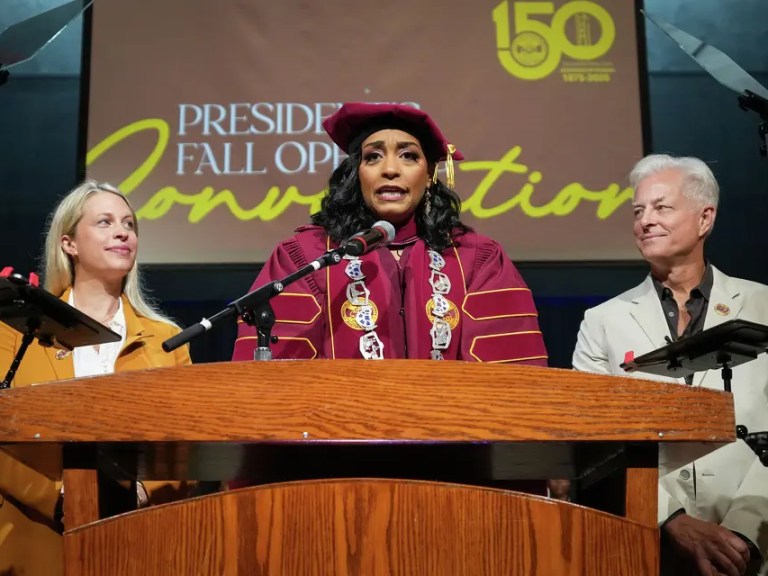
Huston-Tillotson University in Austin, Texas, has made national headlines after announcing a transformative $150 million donation from the Moody Foundation, the largest single gift ever given to a Historically Black College or University (HBCU). The announcement came as the university celebrates its 150th anniversary, making the timing both symbolic and monumental.

The gift positions Huston-Tillotson as a leader in shaping the future of HBCUs, not only by strengthening its campus but also by redefining what’s possible for smaller, private institutions that often operate with limited resources compared to their larger counterparts.

The Moody Foundation’s Historic Investment

The Moody Foundation, based in Galveston, Texas, is widely known for supporting education, arts, and community initiatives across the state. This $150 million commitment is the largest donation in the foundation’s history and part of its broader pledge to invest $1 billion in Texas education by 2035.

Moody Foundation leaders noted that Huston-Tillotson’s legacy as Austin’s only HBCU and its growing role in shaping Black excellence made the university an ideal partner for such an unprecedented investment.

12af174dc57d2deb408c00bbedf935ac

Impact on Huston-Tillotson’s Campus and Students

The donation will address critical needs and open new opportunities for students and faculty:

  • Housing & Residence Halls: Expanding and modernizing student housing to accommodate more on-campus living, reducing the number of students forced to seek housing off-site.
  • Academic Infrastructure: Upgrading labs, classrooms, and technology to enhance teaching and research opportunities.
  • Scholarships & Endowments: Establishing scholarships to increase access and retention for students from diverse backgrounds.
  • Institutional Growth: Strengthening development, marketing, and operational resources to ensure long-term stability.

With an enrollment of just over 1,000 students, Huston-Tillotson has always punched above its weight in academic and cultural influence. This gift will accelerate its ability to compete with larger universities and expand its reach.

A Turning Point for HBCUs

This record-breaking donation adds to a growing wave of historic philanthropic support for HBCUs. In recent years, HBCUs across the country have received transformational gifts from major foundations and philanthropists. However, Huston-Tillotson’s $150 million donation now sets a new benchmark.

“This is bigger than Huston-Tillotson,” one alum noted. “It sends a message to every HBCU student that our schools matter, and our futures are worth investing in.”

Looking Ahead

Huston-Tillotson’s historic moment is a reminder of both the challenges and opportunities facing HBCUs today. With the backing of the Moody Foundation, the university is now poised to expand its role as a leader in higher education, innovation, and cultural impact in Austin and beyond.

As the school looks to the future, this $150 million investment ensures that Huston-Tillotson not only celebrates its sesquicentennial but also lays the foundation for the next 150 years of excellence.

MacKenzie Scott HBCU Donation: $70 Million Gift to UNCF Strengthens HBCUs

Ewscrippsbrightspotcdn

Introduction

The MacKenzie Scott HBCU donation of $70 million to the United Negro College Fund (UNCF) marks one of the largest philanthropic contributions to historically Black colleges and universities (HBCUs). The gift is structured to strengthen financial stability across 37 member institutions and address long-standing funding inequities.


How the MacKenzie Scott HBCU Donation Works

UNCF will transform the $70 million contribution into a $370 million pooled endowment, with $10 million allocated for each member institution. The fund will pay out about 4% annually, giving HBCUs predictable, sustainable revenue for scholarships, academic programs, and campus improvements.


Closing Funding Gaps for HBCUs

The MacKenzie Scott HBCU donation comes at a critical time. HBCU endowments trail predominantly white institutions by nearly 70%, leaving campuses financially vulnerable. In 2019, Ivy League schools received $5.5 billion in foundation support, compared to just $45 million awarded collectively to HBCUs.

This donation, combined with UNCF’s ongoing $1 billion campaign, represents a significant step toward equity in higher education funding.


A Vote of Confidence in HBCUs

Dr. Michael Lomax, President and CEO of UNCF, described the MacKenzie Scott HBCU donation as “a powerful vote of confidence in HBCUs.” Importantly, Scott placed no restrictions on how funds must be used, giving colleges the freedom to address their most pressing needs.

Scott, known for her large unrestricted gifts since signing the Giving Pledge in 2019, has already changed the philanthropic landscape by centering historically underfunded institutions.


Lasting Impact of the MacKenzie Scott HBCU Donation

This donation will:

  • Create reliable annual income for HBCUs.
  • Expand scholarships and student aid.
  • Boost institutional independence and resilience.
  • Inspire other major donors to contribute at scale.

For students, this translates to more opportunities, stronger resources, and campuses prepared for long-term success.


Why This Donation Matters

The MacKenzie Scott HBCU donation is about more than numbers — it’s about changing the trajectory of HBCU funding. By investing in stability rather than short-term fixes, Scott is helping ensure HBCUs continue their vital role in producing leaders, innovators, and changemakers.

NASCAR confirms San Diego street race for 2026: A bold shift toward the coast

If you’re eager to dive straight into the action without the hassle of ID checks, then no verification betting sites might be exactly what you’re after. Much like these instant-access platforms, NASCAR fans can now prepare for a no-delay experience of their own: the Cup Series is officially heading to San Diego in 2026. After months of speculation, NASCAR has confirmed it will host a race at the Naval Air Station North Island in Coronado, California, replacing the Chicago street race on the schedule.

The decision, finalized in coordination with city and Navy officials, shifts the summer focus from Midwestern grids to coastal speed. Set for Father’s Day weekend, the new event will mark the first time a NASCAR Cup race runs entirely on a functioning military base. It’s not just a geographic change—it’s a signal that the sport is evolving again, leaning into spectacle, accessibility, and untapped fan markets.

From the Loop to the runway

Not only did the downtown circuit of Chicago attract attention, but it also caused tension. Traffic closures, negative feedback from the community, and adverse weather all work to undermine its long-term viability. While the first two editions drew strong attendance, local resistance and logistical friction led NASCAR to explore alternatives for 2026.

Enter Coronado.

North Island, known for its sprawling runways and views of downtown San Diego, offers a vastly different canvas. There’s no residential congestion to contend with, no holiday clashes, and no need to rewire city streets. The track will utilize a portion of the naval airfield, converting a former Festival of Speed layout into a modern Cup Series circuit.

NASCAR officials have emphasized that this isn’t just a relocation—it’s a redesign of what a race weekend can feel like.

What fans can expect

The move to San Diego comes with built-in advantages. The climate is milder. The backdrops are cinematic. And the base’s layout allows for a flexible race footprint that includes fan zones, music stages, and wide, accessible viewing angles. For drivers, it’s a fresh challenge. For spectators, it’s a step closer to immersive motorsport entertainment.

Here’s what will define the 2026 experience:

  • The track is being developed in collaboration with Cup engineers and base personnel, with an emphasis on speed and visibility—expect a hybrid of street-course turns and airfield straights.
  • Event organizers are planning a full weekend slate, including concerts, driver showcases, and potentially support races from Xfinity or Trucks.
  • Security protocols are being aligned with naval regulations, but fans will still enjoy open public access, similar to an air show.

This new setup could quickly become one of the most photogenic stops on the calendar.

Strategic gains for NASCAR

At first glance, moving from Chicago—a global city with deep media roots—to a military base might seem like a step sideways. However, NASCAR is strategically positioning itself for the long term. With Auto Club Speedway removed from the Cup Series after 2023, Southern California lost its marquee event. Bringing a race back to the region doesn’t just patch a gap; it expands the brand in a way that embraces new formats without relying on traditional ovals.

More importantly, the military backdrop builds on NASCAR’s long-standing connection with U.S. service members. The symbolism isn’t lost on the fanbase. A high-speed race alongside aircraft carriers and naval operations is the kind of Americana-meets-adrenaline moment that aligns naturally with the sport’s image.

Only two questions remain

Though the concept is firm, two pieces of the puzzle are still being fine-tuned:

  1. The final track layout.
    Engineers are currently testing simulations that blend the old Festival of Speed runway with new safety features, garage access, and broadcast needs. Expect long straights, technical turns, and aggressive braking zones designed to challenge both veterans and street-race rookies.
  2. Support series and race timing.
    While the Cup Series race is locked for Father’s Day weekend, it’s not yet clear whether Xfinity, Trucks, or ARCA will be added to the card. Depending on the logistics, this could expand to a three-day motorsport festival, with staggered starts and entertainment between sessions.

Who wins in this setup?

Fans certainly do. The West Coast hasn’t had a fresh NASCAR venue in years, and Southern California’s massive population base is under-served when it comes to live racing events. By tapping into Coronado, the sport adds a high-impact venue without sacrificing safety, scale, or speed.

Teams and drivers will benefit too, particularly those who thrive in street-style unpredictability. Road-course specialists will have a rare opportunity to showcase skill on a wide, unconventional layout—especially if weather conditions vary from practice to race day.

Here’s who stands to gain the most:

  • Southern California fans who’ve missed the presence of a top-tier NASCAR weekend
  • Street course specialists like Shane van Gisbergen or AJ Allmendinger, whose skills match technical layouts
  • Broadcast partners, who will gain an oceanfront visual package unlike anything on the current calendar
  • Sponsors, especially those targeting military families, tech, and lifestyle markets in the Southwest

On top of that, this serves as a testing ground for NASCAR itself. If San Diego proves to be successful, additional non-traditional venues may be tested during subsequent seasons. This may include expanding into other military bases or distinctive public spaces that enable the installation of temporary circuits without the hassles that are associated with urban environments.

A move designed for momentum

NASCAR’s return to Southern California isn’t a nostalgia play. It’s a pivot—one that combines modern race production with untapped terrain and logistical pragmatism. Holding a Cup Series race at Naval Air Station North Island is more than just a change of location. It’s an architectural experiment. A broadcast upgrade. A fan-centric redesign.

For fans ready to experience racing without red tape and for a sport that thrives on speed and spectacle, San Diego 2026 is already shaping up to be more than just another weekend on the calendar. It’s the next evolution of what a NASCAR event can be.

North Carolina Central Wins 2025 Men’s HBCU National Tennis Championship

DSC07160

NCCU Brings Home National Tennis Title

North Carolina Central University has soared back into the spotlight of HBCU athletics with a major victory. The Eagles clinched the 2025 Men’s HBCU National Tennis Championship at the South Fulton Tennis Center in Atlanta, finishing with 82 points to outlast Alabama State (57 points) and Tennessee State (52 points).

The win marks NCCU’s first men’s tennis national championship since 2014, breaking an 11-year drought and reestablishing the program as one of the top forces in HBCU tennis.


A Weekend of Competition and Excellence

The annual HBCU National Tennis Championship brought together programs from across the country, showcasing both rising stars and veteran athletes in singles and doubles play. NCCU’s men’s team performed with consistency throughout the tournament, delivering decisive victories that built their point total and secured the overall title.

Head coach D. Curtis Lawson, head men’s tennis coach at NCCU, praised the collective effort of his squad, emphasizing that every player contributed to the championship run. “This was about discipline, determination, and representing North Carolina Central with pride. Our team has worked tirelessly, and this moment reflects their commitment and belief,” Perry shared after the victory.


Elevating HBCU Tennis

While basketball and football often dominate headlines, the Eagles’ tennis triumph underscores the depth of athletic talent across Historically Black Colleges and Universities. Programs like Alabama State, Tennessee State, and Florida A&M have consistently raised the level of competition, making the HBCU National Tennis Championship a premier event for showcasing excellence in the sport.

For NCCU, the victory adds to a legacy of athletic achievement that spans multiple sports. Beyond the championship trophy, it highlights the importance of investing in Olympic and non-revenue sports at HBCUs, where athletes continue to thrive and make history.


A Win That Resonates Beyond the Court

This championship is more than a title—it’s a rallying point for Eagle fans, alumni, and the broader HBCU community. The success of the men’s tennis program is a reminder that championships at HBCUs come in many forms, and each one carries a story of perseverance and pride.

As the Eagles return to Durham with the 2025 HBCU National Tennis Championship, the celebration stretches far beyond the tennis courts. For NCCU, it is proof that determination and teamwork can bring home victories that inspire generations.


Looking Ahead

The momentum from this victory positions NCCU’s tennis program for future success, both on the recruiting trail and in upcoming competitions. With renewed energy and visibility, the Eagles are poised to build on this foundation and continue their ascent in HBCU athletics.

For now, North Carolina Central can proudly say it is back on top of HBCU tennis — and the Eagle family has a new championship to celebrate.

Prairie View A&M Launches Program To Support Students Living With Sickle Cell Disease

white and red dandelion flower

Prairie View A&M Prioritizes Student Health With New Initiative

Prairie View A&M University is breaking new ground with the launch of the Student Sickle Cell Warrior Project, a pilot program designed to provide critical health resources and support for students living with sickle cell disease (SCD). The initiative officially began on September 17, 2025, and is already being recognized as a potential model for universities nationwide.

Through the program, students identified by Prairie View’s Owens Franklin Health Center will gain direct access to specialized medical care and community-based resources. Partnerships include Texas Children’s Hospital, Baylor College of Medicine, UT Houston, and the Sickle Cell Association of Texas’s Marc Thomas Foundation in Austin.


Addressing Health Disparities That Impact Black Communities

Sickle cell disease is the most common inherited blood disorder in the United States and disproportionately affects African Americans. In Texas alone, 85% of families impacted by SCD are Black, underscoring the urgency of initiatives like Prairie View A&M’s.

For students between the ages of 18 and 24, the challenges are even greater. This transitional stage—moving from pediatric to adult care—often results in gaps in treatment, increased hospitalizations, and more severe complications. By creating a safety net for students, Prairie View A&M is tackling both a health equity issue and a barrier to academic success.


Creating a Model for HBCUs and Beyond

The Student Sickle Cell Warrior Project is about more than medical support—it’s about empowerment. The program provides students with preventive care, education on disease management, and coordinated services that extend into the community. This holistic approach ensures that students aren’t left to navigate the healthcare system alone while juggling their academic responsibilities.

What makes this program especially significant is its potential scalability. If successful, Prairie View’s initiative could be adopted across other HBCUs, creating a nationwide network of support for students managing chronic conditions. By centering student health as a priority, HBCUs can lead in addressing disparities that have long affected Black communities.


The Bigger Picture

Prairie View A&M’s program highlights the powerful role HBCUs play in advancing not just education, but also health outcomes for their students. By partnering with leading medical institutions and community organizations, the university is proving that higher education can—and should—take an active role in addressing systemic health challenges.

For students living with sickle cell disease, the launch of this program offers more than just treatment—it offers hope, community, and the assurance that their well-being matters. As Prairie View A&M sets this precedent, other universities will be watching closely.

This initiative is not only a victory for Prairie View students but also a roadmap for how institutions can support the next generation of leaders living with chronic health conditions.

Tennessee State Welcomes Three New Administrators Under President Dwayne Tucker

Tennessee State University, a public historically black land-grant university in Nashville, Tennessee.

Tennessee State University (TSU) is ushering in a new era of leadership with the appointment of three new administrators in advancement, fundraising, and human resources. President Dwayne Tucker made the announcement on September 16, 2025, underscoring his vision for bold leadership and student-centered excellence. The move is part of a broader strategy to position TSU for growth, accountability, and continued impact as one of the nation’s leading HBCUs.


A New Era of Leadership at TSU

Since taking the helm, President Tucker has emphasized transformation, accountability, and expanding resources for both students and faculty. The addition of these new administrators represents a significant investment in the infrastructure of the university, aimed at strengthening institutional advancement, alumni engagement, and the employee experience.

“This leadership team brings a wealth of experience, vision, and a deep commitment to help advance our great university,” Tucker said.


Meet the New Administrators

Alexis 150x150 1

Eloise Abernathy Alexis – Vice President for Institutional Advancement
Alexis brings more than three decades of expertise in philanthropy, fundraising, and higher education leadership. She previously served in advancement roles at HBCUs and most recently worked with LEAD Public Schools in Nashville. A graduate of Spelman College with a bachelor’s in English, Alexis also holds a master’s degree in higher education administration from Vanderbilt University. Her appointment signals TSU’s renewed focus on building sustainable partnerships and increasing philanthropic support.

Southern University Professor Suspended Over Social Media Post About Charlie Kirk

A Southern University law professor has been suspended after a controversial social media post about conservative activist Charlie Kirk sparked backlash nationwide. The incident has reignited debates over free speech, professionalism in higher education, and the limits of online expression for faculty at Historically Black Colleges and Universities (HBCUs).

The Post That Sparked the Suspension

The professor, Kelly Carmena, reportedly made the comments on her personal social media account shortly after Kirk was fatally shot on September 10 while speaking at Utah Valley University.

In her post, Carmena stated: “I will 1000% wish death on people like him. He is the epitome of evil, and I have no compassion, not even a minute ounce of it for people like him who go around spewing hate the way he does.”

The message quickly gained traction online, drawing sharp criticism from conservative media outlets and political figures.

Southern University’s Response

Southern University’s Board Chairman, Tony Clayton, confirmed Carmena’s immediate suspension. In an official statement, Clayton emphasized that the professor’s remarks were inconsistent with the standards expected of faculty at the Baton Rouge institution.

“Distasteful statements should not be tolerated, particularly as it relates to death,” Clayton said. “That conduct will not be tolerated at Southern University, period.”

The university also announced it will launch a formal investigation, which could lead to Carmena’s termination.

Broader National Backlash

This suspension follows a national trend in which employees across various sectors have faced consequences for public comments about Kirk’s death. According to reports, several professionals have been reprimanded, suspended, or even fired for posting statements that either celebrated or dismissed the conservative activist’s killing.

U.S. Vice President J.D. Vance also weighed in, calling for “accountability” for individuals making statements that glorify or trivialize Kirk’s death.

Free Speech vs. Professional Standards

The incident has sparked conversations on social media and within academic circles about the tension between free speech rights and professional responsibility. Supporters of Carmena argue that faculty members should not face employment consequences for personal opinions expressed online, even if controversial. Critics, however, contend that such remarks cross a line when they appear to condone violence or celebrate death.

This tension is especially sensitive at HBCUs like Southern University, where faculty are often seen as role models to students and representatives of the broader HBCU community.

What’s Next for Southern University

As the investigation continues, Southern University has not provided a timeline for its final decision on Carmena’s employment. The case is being closely watched not only within the HBCU community but also nationally, as it reflects ongoing cultural and political divides surrounding free expression, higher education, and online discourse.

Closing

The suspension of a Southern University professor over comments about Charlie Kirk underscores the complexities of social media in the modern era. For HBCUs and higher education institutions alike, this case raises critical questions about where the line should be drawn between personal freedom of speech and professional accountability.

Trump Redirects $500M Toward HBCUs, Cuts Other Minority-Serving Programs

2025 09 11t211304z 1439639993 Rc2xpgartbg5 Rtrmadp 3 Usa Trump

The Trump HBCU funding shift is sparking national conversation after the administration announced a major change in how federal money is distributed among minority-serving institutions. Nearly $500 million will now be redirected toward HBCUs and Tribal Colleges and Universities (TCCUs), while $350 million will be cut from other minority-serving programs such as Hispanic-Serving Institutions (HSIs). The announcement has been met with mixed reactions, with some celebrating the boost for HBCUs while others criticize the cuts to programs serving Latino and other underrepresented students.

What the Policy Does

The Department of Education confirmed that several discretionary grants for minority-serving institutions will be discontinued. Instead, those funds will be reallocated to HBCUs and TCCUs. Officials argue this Trump HBCU funding decision reflects a commitment to student success at schools that have historically faced inequities.

For HBCUs, the increased funding could be transformative—providing resources to expand scholarships, strengthen academic programs, and upgrade facilities. Advocates say this could help address years of underfunding compared to predominantly white institutions.

But the decision is not without controversy. By redirecting funds instead of creating new resources, critics argue the administration has set up a zero-sum game where one group of minority-serving institutions benefits at the expense of another.

Reactions from the HBCU Community

Within the HBCU community, reactions to the Trump HBCU funding plan are divided. Leaders welcome the recognition and additional resources but remain cautious about the framing of the policy. Some worry that labeling other minority-focused programs as “ineffective” or “discriminatory” could create long-term instability in federal support for all MSIs, including HBCUs.

Why It Matters

This Trump HBCU funding shift highlights the growing role of HBCUs in higher education. Over the last decade, these institutions have become more visible for producing leaders, advancing research, and serving students who might otherwise be left out of higher education.

Still, limited resources remain a challenge. While $500 million is significant, experts warn that it may not be sustainable if tied to politically motivated reallocations rather than permanent funding streams.

What Comes Next

Education Secretary Linda McMahon has defended the decision, pointing to a focus on outcomes and investment in historically underserved schools. Meanwhile, lawmakers and leaders from other minority-serving institutions are preparing to challenge the cuts and push for restoration of funding.

For HBCUs, this moment represents both opportunity and risk. They must use the additional resources strategically while continuing to advocate for long-term equity in higher education.