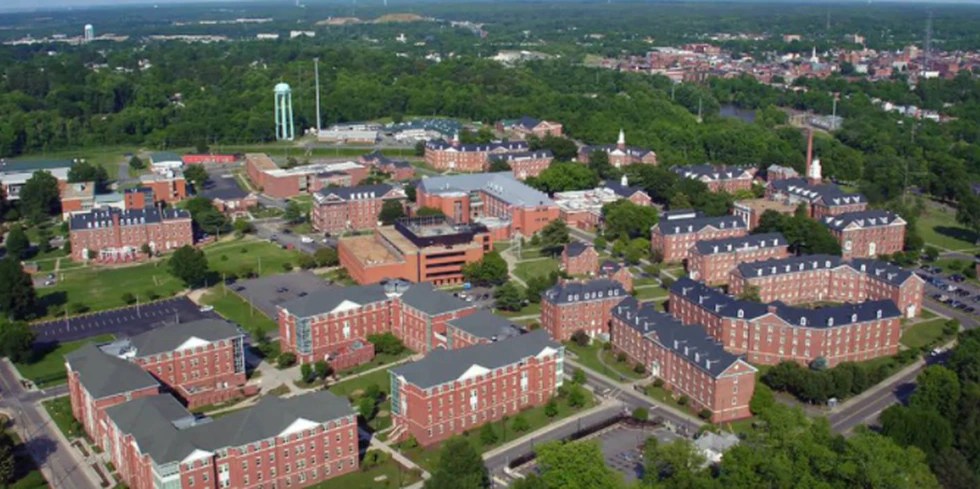
Norfolk State University’s head football coach, Michael Vick, has announced his inaugural recruiting class, signing 30 new players on National Signing Day. This group comprises 22 mid-year enrollees and eight high school seniors, aiming to strengthen the team’s roster across various positions.
“We are excited to welcome these 30 student-athletes to Norfolk State University,” Vick stated. “We believe that these young men will help build the foundation of Spartan football. I cannot wait to see what they will do in spring practice and during the fall season.”
The coaching staff placed a significant emphasis on in-state talent, signing 11 players from Virginia. They also effectively utilized the transfer portal, acquiring three players from Hampton University and one from William & Mary.
Notably, linebacker Jaden Kelly, an All-SWAC honoree from Arkansas Pine-Bluff, joins the Spartans after recording 91 tackles and 3.5 tackles for loss last season. Additionally, quarterback Israel Carter transfers from the University of South Florida. A former three-star recruit ranked as the No. 19 quarterback nationally, Carter completed 11 of 14 passes with four touchdowns in limited action last season.
This diverse and talented group of recruits is poised to make a significant impact as Coach Vick begins his tenure at Norfolk State.
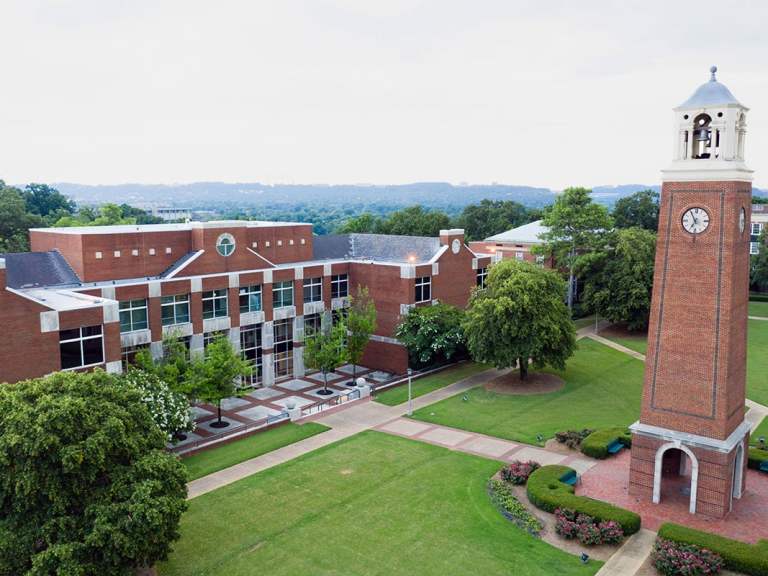
On Thursday, Bishop State Community College proudly unveiled its newly renovated Carver Instructional Site. The college commemorated the milestone with a festive ribbon-cutting ceremony attended by local officials, community members, students, faculty, and staff. The event showcased the college’s commitment to enriching the Mobile community through improved educational resources and facilities.
The extensive renovation, which totaled approximately $10.6 million, began with the project bidding process in September 2022 and construction starting in October of that year. Interior renovations were completed by April 2024, while work on the exterior facade continued until its completion in January 2025. The revamped Carver Instructional Site promises to provide students with state-of-the-art facilities conducive to learning and innovation.
“This campus has been a beacon of this community for well over 50 years,” said Olivier Charles, president of Bishop State Community College, during the ceremony. “The opportunity to restore it and put the right programs in place, not just for this community but for all of Mobile, is something that makes us proud as a college.”
The updated facility houses several academic programs, including welding, culinary arts, barbering and hairstyling, and adult education. Each program features cutting-edge amenities designed to bolster students’ educational experiences. Notably, the welding department now boasts 80 welding booths, with plans to expand to over 100. The Culinary Arts wing underwent a complete overhaul, introducing a baking lab, an a la carte kitchen, and a teaching kitchen to prepare students for real-world culinary challenges. The Adult Education department also received a complete renovation with modern classrooms, computer labs, and office spaces.
Student enthusiasm was palpable as they explored their new learning environment. “I feel so overwhelmed with excitement,” said Zoe Wilcox, a sophomore in the culinary arts program. “This is not just something for us culinary students. It also shows others who want to study culinary arts that Bishop State is the place to be.”
Welding freshman Malaishia Golston shared similar sentiments. “It’s more than I expected,” she said.
The Carver Instructional Site will continue its legacy as an education, training, and community engagement hub.
This article sources information from Bishop State Community College.
Rashad Rayford, an alumnus of Alabama A&M University, is poised to bring a historical icon to life as he takes on the role of Dr. Martin Luther King Jr. in Katori Hall’s acclaimed play “The Mountaintop.” Set to run from Feb. 14 to 23 at the Tennessee Performing Arts Center, the production offers a reimagining of Dr. King’s final night at the Lorraine Motel in 1968, before his assassination.
Rayford is a Nashville native who graduated from Alabama A&M in 2003 with a degree in industrial technology. He fondly remembers how his time on campus ignited his passion for performance. “My confidence and ability to communicate effectively were seeded at Alabama A&M University,” Rayford reflected. He attributes his growth in public speaking to various campus organizations such as The Poetry Club and the William Hooper Council Oratorical Society.
Through his involvement with Dramatic Expressions, AAMU’s campus acting group, Rayford developed a strong foundation in improvisation and theatrical performance. Since then, he has built a career that spans over twenty years, with credits including national commercials, independent films, and theater productions. His latest film, Clone Cops, recently premiered on Prime Video, showcasing his versatility as an artist.
Rayford is not just an accomplished actor but also a keynote speaker, author, and poet. He founded Elevate Your Vibe, a company combining storytelling, business insights, and spoken word to assist organizations in refining their messaging. His storytelling prowess earned him national acclaim when he won the MOTH GrandSLAM Championship in 2019, captivating audiences with his performance piece “A Fish Out of Water.”
As Rayford prepares to step into the shoes of one of America’s most revered civil rights leaders, he carries the lessons learned and experiences from his time at AAMU.
In a bold move to transform the landscape of higher education in West Virginia, West Virginia State University has unveiled the Yellow Jacket Pledge. The innovative program prioritizes access, affordability, and career readiness to ensure student success. The initiative was announced to the WVSU Board of Governors and will take effect in the fall 2025 semester.
“With The Yellow Jacket Pledge, West Virginia State University is setting the standard for access, affordability, and career readiness for higher education in West Virginia,” said WVSU President Ericke S. Cage. “We know that higher education must change to meet the demands of today’s workforce, and we are taking bold steps to address these demands head-on.”
Yellow Jacket Pledge Promises
The cornerstone of The Yellow Jacket Pledge is guaranteed admission for all West Virginia high school graduates who maintain a minimum 2.5 GPA. Additionally, students who have accumulated at least 30 credit hours from a West Virginia community or technical college with the same GPA or those who have obtained an associate’s degree from a West Virginia community college will also qualify for guaranteed admission.
Furthermore, WVSU is freezing in-state tuition rates for incoming students for eight semesters, providing financial predictability during their academic journey. Room and board rates for students residing on campus will also remain unchanged for the upcoming academic year. WVSU will eliminate application fees to enhance affordability, removing another financial barrier for prospective students.
Recognizing the vital connection between education and career readiness, The Yellow Jacket Pledge also addresses post-graduation employment challenges. Graduates who find themselves unemployed one year after completing their degree will be eligible to take additional courses at WVSU at no extra cost for up to a year, allowing them to bolster their skills and increase their marketability.
In addition to these initiatives, WVSU is enhancing access to its Regents Bachelor of Arts degree program. The RBA is specifically tailored for non-traditional students who have been out of high school for at least four years. New RBA students will benefit from a complimentary first semester that covers tuition and fees.
“This comprehensive approach guarantees that West Virginia State University is with you every step of the way, from the classroom to your career success,” Cage added.
This article sources information from West Virginia State University.
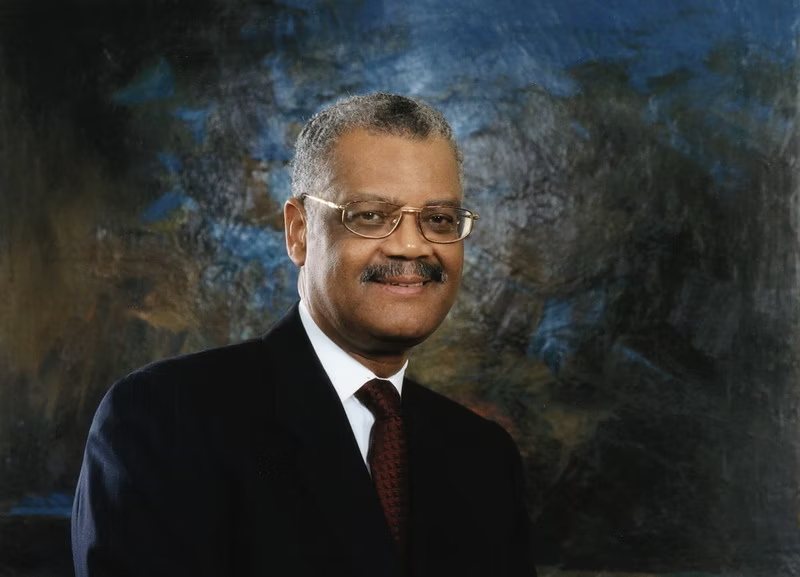
Texas Southern University has appointed Dr. Gilbert L. Rochon, former president of Tuskegee University, as the interim dean of the Barbara Jordan-Mickey Leland School of Public Affairs. Known for his dynamic leadership and extensive experience in academia, Dr. Rochon will step into this role on Feb. 10.
Dr. Rochon served as the sixth president of Tuskegee University from November 2010 to October 2013. In addition to his presidential duties, he was a university professor. He was also appointed by the Alabama governor to the Governor’s College & Career Ready Task Force, showcasing his commitment to enhancing educational standards in the region.
“Dr. Rochon brings more than 30 years of higher education and public administration experience to the Barbara Jordan-Mickey Leland School of Public Affairs,” said Dr. Carl B. Goodman, provost and senior vice president for academic affairs at TSU. “Our School of Public Affairs is a national research and career preparation leader. We are pleased that Dr. Rochon will bring his research-driven leadership to assess and evaluate the school’s future direction while the University engages in a national search for a permanent Dean.”
Dr. Rochon’s robust background includes significant roles in both academic and governmental settings. Before his tenure at Tuskegee, he was the associate vice president for collaborative research and engagement at Purdue University for over eight years. His career includes time as a research community planner with the U.S. Environmental Protection Agency and 18 years as the Conrad Hilton endowed professor and director of the Urban Studies & Public Policy Institute at Dillard University.
Tuskegee to Texas Southern
“I am excited about the opportunity to lead the accomplished faculty and staff of the Barbara Jordan-Mickey Leland School of Public Affairs in this interim capacity,” said Dr. Rochon. “This school is known industry-wide, and throughout academia for the research these men and women do daily and for the opportunities it provides students to commence from their program prepared to thrive in their chosen field. I look forward to identifying ways to enhance the services we provide students to prepare them in an even more relevant way for the careers of their dreams.”
Dr. Rochon holds a Ph.D. in urban and regional planning from the Massachusetts Institute of Technology and a Master of Public Health in health services administration from Yale University School of Medicine. He earned his bachelor’s degree from Xavier University of Louisiana and has held federal appointments with agencies including NASA, the Department of Defense, and the USDA Forest Service.
This article sources information from Texas Southern University.
Lane College has officially appointed Stanley Conner as its new head football coach. With an impressive 30-year coaching career, Conner is poised to lead the team into a new era of competitiveness and success.
An official press conference held on Feb. 6 in Kirkendoll Hall introduced Conner to the Lane community, where he expressed his excitement about this new opportunity after eight impactful seasons as the running backs coach and recruiting coordinator at Miles College. There, he contributed to three SIAC Championships.
His extensive coaching experience includes former head coaching roles at Benedict College and Concordia-Alabama and pivotal positions at Alabama A&M and Alabama State. He led those teams to numerous SWAC Eastern Division Championships. Conner’s deep connections within Southern football are bolstered by his background as a former player at Jackson State University.
“Stanley Conner is a proven winner, and his depth of experience will be an invaluable asset to our football program,” said Derrick Burroughs, director of athletics at Lane College. Burroughs expressed enthusiasm about Conner’s leadership style and commitment to developing student-athletes on and off the field, aligning with the college’s mission to foster a disciplined and competitive environment.
From Left to Right: Dr. Donald Comer, Lane College President, Stanley Conner, Head Football Coach, Derrick Burroughs, Director of Athletics. (Courtesy of Lane College)
Elevating the Dragons
During the press conference, Conner shared his vision for the future of Lane College football. “I am excited for the opportunity to lead the Lane College football program. I look forward to building a winning culture and mentoring young men to succeed both on the field and in life,” he said.
Conner, his wife, and their two daughters are eager to immerse themselves in the Lane College community, signaling a fresh start for the football program.
This article sources information from Lane College.
In an exciting invitation, Grammy-nominated artist Travis Scott took to social media recently to extend an opportunity to college bands, particularly those from Historically Black Colleges and Universities. Scott tweeted that he’s looking for college bands to collaborate with him at the upcoming Coachella festival.
Following the debut of his new single “4×4,” featuring performances from Prairie View A&M University’s Marching Storm band and a sample from Tennessee State University’s Aristocrat of Bands, Scott encouraged any HBCU or college band capable of taking on the song’s horn arrangement to showcase their talent.
“Any hbcu or really any college with a band. Big or small. That stand to take on that horn arrangement from 4×4. I’m down to bring u with me to Coachella to do it with me. And posssibly figuring out a way to take care a semester cause college is hard. But music is fun. :)). Show me something,” the rapper said in his tweet.
This gesture could elevate the visibility of participating bands and enhance recruitment efforts for HBCUs seeking to attract more students passionate about music. The opportunity to perform at Coachella would also provide invaluable exposure for young musicians and promote the cultural significance of HBCU bands on a world-renowned platform.
As buzz builds around the prospect of an HBCU band gracing the Coachella stage, students and faculty alike have eagerly responded to the tweet showcasing their skills and unique sounds.
Dr. China Jude, an Alabama State University alumna, has been appointed president of business operations for the Motor City Cruise. MCC is the NBA G League affiliate of the Detroit Pistons.
“I am excited to work with the talented team of professionals at the Detroit Pistons and to help build the Motor City Cruise brand within the community,” said Dr. Jude.
Beginning her new role on Jan. 27, Jude will spearhead business strategies to enhance revenue opportunities and strengthen connections with ticketholders, fans, sponsors, and partners.
Congratulations to our Past President @ChinaJude on this new opportunity 👏 Dr. Jude has been an influential leader in college athletics for many years and is now making an impact in pro sports 🏀 https://t.co/7uKAaQjWsY
“The city of Detroit is a fantastic sports city, and I look forward to identifying new ways in which the Motor City Cruise can build its fan base and carve its own niche in the broader sports landscape,” said Jude. “I look forward to advancing the club’s success and contributing to the larger picture in which this team supports the Detroit Pistons.”
A Proven Leader in Sports
Originally from Waukegan, Illinois, Jude came to Alabama State University on a volleyball scholarship. She quickly made her mark as a SWAC all-conference player. After obtaining a degree in broadcast journalism from ASU, Dr. Jude also served in the U.S. Naval Reserves and earned a Doctor of Education degree from Northcentral University.
Her impressive career spans over two decades across various high-profile sports organizations. Before joining the Motor City Cruise, Jude worked with organizations such as the Denver Broncos. She also held leadership positions at institutions, including the University of Wyoming, Queens College in New York, the University of North Carolina-Wilmington, and the University of the District of Columbia. Most recently, she served as an organizational strategist for USA Volleyball.
“We are pleased to welcome China to the organization, knowing her sports business experience and leadership will galvanize our Cruise business operations team and catalyze growth both on and off the court,” said Melanie Harris, president of Detroit Pistons business operations.
This article sources information from Alabama State University.
Walters-Morgan secured 210 out of 409 votes during the DNC’s Winter Meeting held in Washington, D.C. Her election marks a pivotal moment for the organization and the broader movement for voter rights, which she has championed throughout her career.
Photo Courtesy of Reyna for DNC Vice Chair
A proud North Carolina native and alumna of the University of North Carolina at Chapel Hill and Howard University School of Law, Walters-Morgan brings an extensive civic engagement and advocacy background. As a dedicated member of Alpha Kappa Alpha Sorority, Incorporated, she has long been at the forefront of the fight for voter protection and participation. Before her new role, she served as the DNC’s Civic Engagement and Voter Protection director, managing significant voter protection programs for the 2020 presidential election and the 2022 midterms.
Walters-Morgan’s transformative vision for her new position is critical as Democrats prepare for upcoming elections, particularly the 2025 Gubernatorial elections. Her strategy focuses on incorporating new technologies—like large language models and social media—to reach voters where they are most active. Additionally, she aims to rebuild national and state voter protection teams with year-round organizing efforts and enhanced partnerships beyond traditional frameworks.
Her election has garnered support from various DNC coalitions, including endorsements from the North Carolina DNC delegation and the High School Democrats of America.
As she steps into this influential role, Walters-Morgan is poised to impact the DNC’s voter engagement and protection approach profoundly. With her rich experience and clear vision, she is ready to lead Democrats toward electoral success and ensure democracy remains strong and accessible for all Americans.
Tennessee State University is poised to make significant strides in urban mobility research thanks to a recent grant announcement that has electrified the Nashville community. The U.S. Department of Transportation has awarded a $10 million Strengthening Mobility and Revolutionizing Transportation Grant to the City of Nashville, which includes $700,000 earmarked for TSU’s College of Engineering. This funding aims to foster a partnership with Nashville’s Department of Transportation and WeGo Public Transit for research focused on enhancing pedestrian safety and reducing traffic fatalities.
A Tech-Savvy Approach
TSU master’s student Tupac Moseley, left, Atiqur Mallick and Dr. Kamrul Hasan, center, attend the NDOT event announcing the $10 million SMART Grant, which will support research on pedestrian safety and traffic fatality reduction. (Photo courtesy of Tennessee State University/Aaron Grayson)
The grant announcement took place at the Dr. Ernest Rip Patton, Jr. North Nashville Transit Center, where TSU students, faculty, and administrators gathered alongside Nashville Mayor Freddie O’Connell. Dr. Quincy Quick, associate vice president for Research and Sponsored Programs at TSU, highlighted how advanced tools like artificial intelligence and LiDAR technology will be pivotal to the project’s success.
“This project embodies one of the fundamental concepts and cores of research,” said Quick. “It will employ state-of-the-art technology and make a lasting impact on society.” TSU students will be able to engage directly with these technologies, allowing them to acquire hands-on experience while contributing to real-world solutions.
Under the guidance of Dr. Kamrul Hasan, assistant professor of electrical and computer engineering, the initiative seeks to leverage data analytics and innovative technologies to cater to vulnerable road users. The project aligns with Nashville’s Vision Zero Action Plan, which aspires to eliminate traffic-related deaths and severe injuries through smart safety interventions along high-risk corridors.
A Team Effort
Graduate students Tupac Moseley and Atiqur Mallick will be integral to the project, bringing their expertise from their fields of computer science and computer information systems engineering. “We’re excited to see how the project grows and how our involvement—through real conversations with community members—helps improve safety,” Moseley shared. He added that he looks forward to building industry collaborations with other HBCUs.
Mallick emphasized the importance of applying the knowledge gained from this initiative to ensure that Nashville residents can navigate their streets safely. “We hope to apply what we learn from NDOT and TSU to ensure our state’s citizens can get home safely,” he stated.
This Phase 2 implementation follows a successful preliminary effort in 2023. With insights from this project, TSU aims to influence transportation policies and infrastructure development locally and potentially across the state.
Hampton University is excited as senior theatre major Erik Hamilton takes center stage in the national tour of the Tony Award-winning production “MJ the Musical“. The gifted performer from Lorton, Virginia, captures the essence of the legendary Michael Jackson during his late teens and early twenties in this acclaimed show, which runs for six days at Chrysler Hall in Norfolk.
Erik Hamilton
Hamilton’s mother encouraged him to submit an audition tape at the last minute, which led to his professional debut. At just 21 years old, he plays a crucial role in portraying the artistry behind Jackson’s iconic Dangerous Tour. He also serves as an understudy for the older Jackson character at age 35.
Hampton University President Darrell K. Williams expressed his pride in Hamilton’s achievements. “Erik Hamilton’s journey from our theatre program to the national Broadway stage is a testament to the excellence, discipline, and determination that define Hampton University students,” said President Williams. “His story serves as an inspiration to our entire community and reinforces the impact of a Hampton education.”
Iris Goode-Middleton, director of student theatre and liberal studies at Hampton University, admires Hamilton’s commitment to balancing five online courses with a demanding schedule of seven weekly performances. “When you combine exceptional talent with an unwavering work ethic, the result is excellence—and that is Erik Hamilton,” she noted. “From sitting in the front row at lectures to continuously refining his craft, Erik embodies the spirit of hard work and passion that we cultivate at Hampton.”
For show dates and ticket information, visit SevenVenues.com. As the curtains rise on Hamilton’s career, it’s clear that his dedication and talent will lead to an inspiring future.
The University of Arkansas at Pine Bluff is making significant strides in redefining the intersection of athletics and agriculture with a groundbreaking partnership launched by its Athletics Department. The collaboration with James Bunch, president of PickinGreens Productions, and the 1890 Agriculture and Student Athletes Project has resulted in an impressive $80,000 award focused on name, image, and likeness contracts for student-athletes. This initiative will support these young athletes academically and athletically and enable them to serve as ambassadors for the agricultural sector.
Bunch, an alumnus of UAPB with a degree in agriculture, explained that the ASAP program addresses critical challenges facing the U.S. agricultural industry, such as an aging workforce and the pressing need for sustainable practices. “By engaging these young student-athletes, we are reaching a generation that can lead our communities toward sustainable, resilient futures,” Bunch stated. He emphasized that agriculture provides unique opportunities for self-sufficiency, food security, and land stewardship, particularly through hands-on skills.
Raising Awareness About Careers in Agriculture
Launching on Feb. 1 and running through May 31, the 1890 ASAP Program already boasts 28 enrolled student-athletes who will leverage their social media platforms to highlight career opportunities and raise awareness about the agricultural industry among their peers.
“This is unique; it’s never been done before,” Bunch explained. “Utilizing athletes will help us get attention on agriculture while also giving these young people in the 1890 system opportunities to gain sponsorship support.” The program aims to foster a new generation equipped with the knowledge and skills necessary to succeed in agriculture by encouraging student-athletes to engage in this vital sector.
Johnnie Young, part of the project team, reiterated the importance of shifting the narrative surrounding agriculture. He noted that the initiative seeks to inspire younger generations to explore diverse career opportunities within the sector. “
The program also encourages entrepreneurial ventures among young, business-minded individuals by providing urban gardening and small-scale farming resources. Bunch believes this effort will contribute to fostering a vibrant neighborhood business culture centered on agriculture.
The 1890 ASAP Program is a pilot initiative, and plans are underway to expand its reach to all 1890 institutions eventually.
This article sources information from the University of Arkansas at Pine Bluff.
Retired Brooklyn teacher Eleanor Williams has significantly impacted the lives of future educators by establishing a $50,000 scholarship fund at South Carolina State University in memory of her late mother, Cora Shivers. This generous contribution will empower students pursuing degrees in elementary education and honor the value of education that Shivers instilled in her family.
Eleanor Williams
Cora Shivers, a native of nearby Elloree, South Carolina, moved to New York after completing high school. She became a beautician and raised two children, always emphasizing the importance of education. Her own parents, Mannie and Rebecca Darby Shivers, were proud graduates of the Elloree Training School, ensuring the value of education was passed down through generations.
Williams, a graduate of Brooklyn City College, fondly remembers her mother, who passed away in 2005, as a quiet and loving person. Reflecting on her mother’s influence, Williams credits her drive to pursue education to Shivers’ unwavering belief in its transformative power. “She believed in education, so I went to college, and I became an elementary school teacher here in New York City,” Williams shared with Bulldog News.
In a heartwarming twist of fate, Williams discovered that her mother still had relatives living in Elloree. Additionally, two of her family members attended SC State: her niece, Lorraine Shivers-Glover, who graduated with a business degree in 1990, and Lorraine’s son, Deandre Glover, who earned a civil engineering technology degree in 2015.
The Cora Shivers Scholarship Fund will specifically assist sophomores and juniors majoring in elementary education at SC State.
Through establishing this scholarship fund, Williams pays homage to her mother and uplifts the next generation of educators.
South Carolina State University is set to commemorate the 57th anniversary of the Orangeburg Massacre on Saturday, Feb. 8, with a series of reflective events beginning at 11 a.m. in the Martin Luther King Auditorium on campus. This solemn observance will pay tribute to the lives lost and impacted during the tragic night of Feb. 8, 1968, when police opened fire on a group of unarmed Black students demonstrating for integration at a local bowling alley.
The Keynote Speaker
The university has invited Dr. Willis C. Ham, a prominent businessman, educator, and SC State alumnus, to serve as the keynote speaker for the event. Dr. Ham earned his Bachelor of Science degree from SC State in 1968. He later completed a master’s degree at the institution in 1973. He obtained a Ph.D. from Florida State University in 1975, specializing in design and management of postsecondary education. His career highlights include being inducted into the SC State Athletics Hall of Fame in 1998 and serving as a guest lecturer and trainer for various military and educational organizations.
Remembering Massacre Victims
Following Dr. Ham’s address, attendees will gather for a brief remembrance ceremony at the Smith-Hammond-Middleton Legacy Plaza, which honors the three victims of the massacre—Henry Smith, Samuel Hammond, and Delano Middleton—whose lives were cut short that fateful night. Each year, SC State acknowledges their legacy and the resilience of those who survived this historic event that has come to symbolize the struggle for civil rights.
In recent commemorations, SC State has dedicated significant memorials to the victims. At the 2022 ceremony, the university unveiled a monument featuring bronze likenesses of Smith, Hammond, and Middleton, sculpted by internationally recognized artist Dr. Tolulope Filani. The Smith-Hammond-Middleton Memorial Center also serves as a lasting tribute to these individuals and their contributions.
The Orangeburg Massacre remains a pivotal moment in the history of civil rights in America, reflecting the struggles faced by Black students and activists advocating for equality. As the university prepares for this important commemoration, it reminds the broader community of the ongoing significance of these events and the continued fight for civil rights and social justice.
This article sources information from SC State University.
Historically Black Colleges and Universities (HBCUs) have long been at the forefront of innovation in education, research, and community development. With the rapid growth of industries related to weed and weed seeds, these institutions are uniquely positioned to explore the vast potential of this burgeoning market. From agricultural advancements to sustainable practices and economic empowerment, HBCUs are beginning to delve into the untapped opportunities presented by weed seeds.
As public perception shifts and legislation evolves, weed seeds have emerged as a focal point in agricultural research and development. Recognizing this, HBCUs are integrating these topics into their research initiatives, preparing students for careers in agriculture, science, and entrepreneurship. For those interested in the practical applications of weed seeds, a range of resources is available at2fast4buds.com.
How Weed Seeds Are Driving Innovation at HBCUs
HBCUs are leveraging their agricultural programs to pioneer research on weed seeds, focusing on their environmental, medicinal, and economic applications. This effort is not only advancing scientific knowledge but also creating opportunities for students and communities.
1. Agricultural Research and Development
Weed seeds are being studied for their resilience and potential to improve soil quality. HBCU agricultural programs are examining how these seeds can enhance crop rotation practices, reduce environmental impact, and promote sustainable farming.
Soil Health Improvement: Research shows that certain types of weed seeds can revitalize depleted soil by promoting nutrient cycling.
Sustainable Practices: HBCUs are developing strategies to grow weed seeds with minimal water usage, reducing the strain on natural resources.
2. Economic Empowerment Through Weed Seeds
The growing demand for weed products is opening doors for economic opportunities. HBCUs are working on initiatives to connect students and alumni with the weed industry:
Entrepreneurial Training: Courses on weed seed cultivation and product development are equipping students with the skills needed to enter this lucrative market.
Community Impact: HBCUs are partnering with local farmers to explore how cultivating weed seeds can drive economic growth in underserved areas.
Funding Opportunities for Weed Seed Research
One of the driving forces behind this innovation is the increase in research grants and funding specifically targeting weed seed studies. These grants are enabling HBCUs to expand their programs, purchase state-of-the-art equipment, and provide hands-on training for students.
Major Sources of Funding
Government Grants: Federal agencies are offering grants for agricultural research that includes the study of weed seeds as a sustainable crop.
Private Sector Partnerships: Weed-focused companies are collaborating with HBCUs to fund research that benefits both academia and industry.
Alumni Contributions: Successful HBCU alumni in the agriculture and weed industries are giving back by funding scholarships and research programs.
The Role of Weed Seeds in Sustainability Studies
Photo by Kindel Media:
Weed seeds are also playing a pivotal role in advancing sustainability research at HBCUs. These studies focus on how weed seeds can be used to address global challenges, such as climate change and food insecurity.
1. Eco-Friendly Crop Alternatives
Weed seeds are being researched as a potential alternative to traditional crops, offering higher yields with lower environmental impact.
Carbon Sequestration: Some studies suggest that weed plants grown from these seeds can absorb significant amounts of CO2, helping to combat climate change.
Biofuel Potential: Weed seeds are being explored as a renewable energy source, with the potential to produce biofuels that reduce reliance on fossil fuels.
2. Education on Sustainable Practices
HBCUs are not only conducting research but also educating the next generation of leaders on the importance of sustainability. Through workshops, internships, and community outreach programs, students are learning how to integrate weed seed cultivation into sustainable farming practices.
Preparing Students for Careers in the Weed Industry
The weed industry offers a wide array of career opportunities, from farming and product development to marketing and policy advocacy. Recognizing this, HBCUs are developing specialized programs to prepare students for success in this fast-growing field.
1. Internships and Real-World Experience
By collaborating with companies such as Fastbuds, students gain direct exposure to the weed seeds industry through internships that cover everything from cultivation to business management. These experiences are crucial, allowing students to apply classroom theories in real-world settings, enhancing their practical skills, and significantly boosting their employment prospects post-graduation.
2. Entrepreneurship and Innovation
HBCUs are fostering a culture of innovation by encouraging students to start their own businesses related to weed seeds. From developing new farming techniques to creating unique products, these programs empower students to become leaders in the industry.
Challenges and Opportunities Ahead
Despite the immense potential, there are challenges that HBCUs face when integrating weed seed research into their programs:
Regulatory Hurdles: Federal restrictions and varying state laws can complicate research efforts.
Stigma and Perception: Overcoming the lingering stigma associated with weed requires educational outreach and advocacy.
However, the opportunities far outweigh these challenges. By addressing these issues head-on, HBCUs can position themselves as leaders in the field, driving innovation and creating pathways for their students.
Weed Seeds and Community Revitalization
HBCUs have always played a pivotal role in empowering underserved communities, and the exploration of weed seeds offers new pathways for community revitalization. By teaching sustainable cultivation practices and fostering local partnerships, HBCUs are helping historically marginalized groups benefit from the economic opportunities in the weed industry. For instance, community-focused programs at agricultural schools within HBCUs are connecting farmers with the latest research, ensuring that small-scale growers can compete in the evolving market.
Expanding Academic Disciplines with Weed Seeds
The study of weed seeds is not limited to agriculture. HBCUs are incorporating the topic into diverse academic disciplines, such as business, law, and environmental science, to create a holistic approach to education and innovation.
Business and Economics: Programs focus on teaching students how to navigate the financial and operational challenges of running businesses tied to weed seeds.
Legal Studies: Students are examining policies and regulations affecting the weed industry, preparing them for roles in advocacy and compliance.
Environmental Science: Research explores the ecological benefits of weed seeds, including their potential for improving biodiversity and reducing waste.
Cultural Significance of Weed Seeds at HBCUs
Weed seeds have deep cultural and historical significance, particularly in communities served by HBCUs. These seeds represent resilience and resourcefulness, values that resonate strongly within the context of Black history and heritage. HBCU-led initiatives are highlighting this cultural connection, ensuring that students understand the broader implications of their research and the ways in which weed seed cultivation can serve as a bridge between tradition and innovation.
The Global Reach of HBCU Research on Weed Seeds
HBCUs are not only leading domestically but also making strides on the global stage. Research partnerships with international organizations are enabling HBCU scientists and students to explore the role of weed seeds in solving global challenges like food security and climate change. These collaborations are positioning HBCUs as key players in the global agricultural research community, expanding opportunities for students to participate in groundbreaking studies and gain international exposure.
Student-Led Initiatives in Weed Seed Research
One of the most inspiring aspects of HBCU research into weed seeds is the role students play in driving innovation. From designing experiments to leading community workshops, students are actively involved in every stage of research and outreach.
Undergraduate Research Projects: Students are conducting independent studies on the viability of weed seeds in different soil conditions and climates.
Leadership in Advocacy: Student organizations are raising awareness about the economic and environmental benefits of weed seeds, fostering campus-wide discussions on the topic.
Collaborative Efforts: Graduate and undergraduate students collaborate with faculty on large-scale projects, gaining valuable experience that prepares them for leadership roles in the industry.
Conclusion: A Budding Future for HBCU Research
As the demand for weed seeds continues to grow, HBCUs are taking bold steps to explore their potential. Through research, education, and community engagement, these institutions are preparing their students to lead in an industry that shows no signs of slowing down. By investing in the study of weed seeds, HBCUs are not only advancing science but also fostering economic empowerment and sustainability, ensuring a brighter future for their students and communities alike.
Xavier University of Louisiana is poised to make history as it introduces co-ed rowing as an official varsity sport beginning in fall 2025, setting a precedent as the first-ever varsity-level rowing program at a Historically Black College or University. This pivotal announcement follows the successful development of the rowing program, which has spent the last three seasons as a club sport in partnership with the New Orleans Rowing Club.
Courtesy of Xavier University of Louisiana
Since its inception in September 2023, the Xavier Rowing Club has gained significant momentum, thanks to the collaborative efforts of NORC members, including Elizabeth Manley, Ph.D., a professor of history and chair of the History Department at Xavier, and Chloé Jobin, the club’s head of community outreach and diversity initiatives. Both leaders expressed their pride in launching the program.
“The passion and dedication of our athletes, combined with the support from esteemed national figures including Olympic Rower David Banks, former Division I Coach Kevin Harris, rowing luminary Arshay Cooper, and Brannon Johnson of BLJ Rowing, who have all visited to inspire and coach our students, truly exemplifies the spirit of Xavier,” Manley and Jobin stated in a joint statement. “Launching this team of athletes onto the competitive national stage is not just about rowing—it’s about building a community, inspiring our students, and creating opportunities for growth both on and off the water.”
The club’s popularity has reached national heights, attracting attention and support from key organizations in the rowing community. Recent endorsements include sponsorships from USRowing and A Most Beautiful Thing Inclusion Fund, along with notable contributions from Vespoli USA, JL Athletics, and Concept2.
Charting New Waters
Olympic Rower David Banks commended the tenacity of the Xavier community in pushing to establish this program, noting, “It’s not easy being the first few to do something that may seem so very different and even daunting. But I’m confident and hopeful that these students will realize that this sport is theirs to make their own.”
The personal impact of the rowing community at Xavier was echoed by junior political science major Kamryn Days. “The Xavier Rowing Club has offered me the opportunity to find a family outside of my Xavier family,” she shared. “It allows us to shatter negative stereotypes and false perceptions.”
As the Xavier Rowing program prepares for its inaugural season as an official varsity sport, efforts are underway to secure a head coach and recruit prospective athletes.