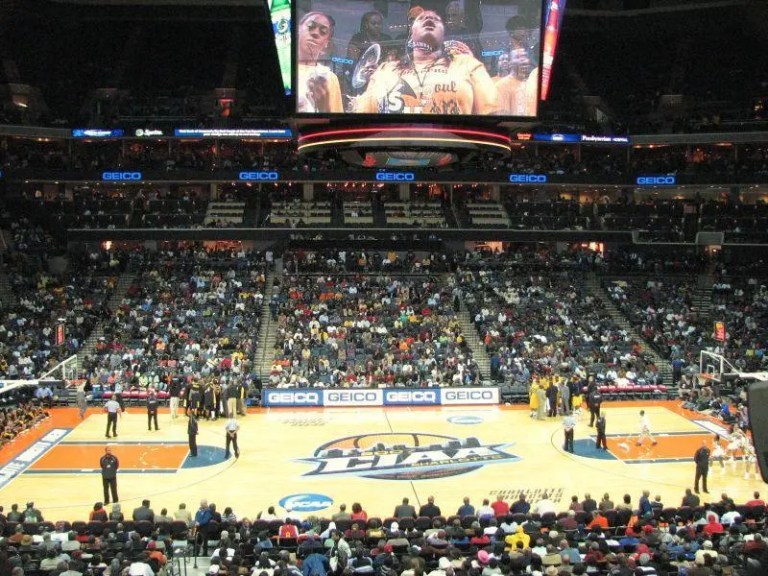
A piece of Charlotte’s sports legacy just slipped through its fingers. The city’s proposal to host the 2029 CIAA Basketball Tournament has officially been labeled “dead on arrival,” according to Charlotte city leaders and officials close to the bid process.
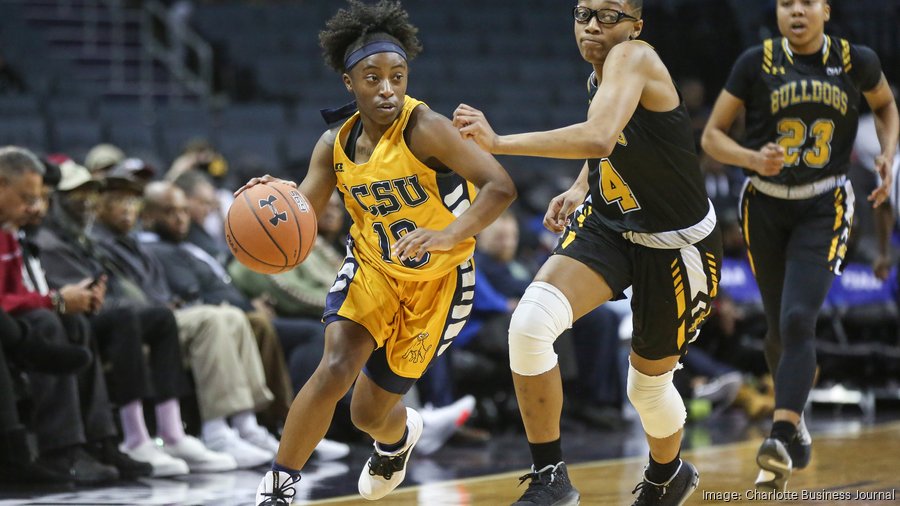
Charlotte hoped to bring back the CIAA Men’s and Women’s Basketball Tournament, an event it hosted from 2006 to 2020 with massive fanfare and economic impact. But the bid, spearheaded by the Charlotte Regional Visitors Authority and supported by council members Malcolm Graham and James Mitchell, didn’t meet the CIAA’s requirements.
The biggest dealbreaker? The venue.
CIAA officials made it clear they wanted all tournament games played in the Spectrum Center—the uptown arena home to the NBA’s Charlotte Hornets. Unfortunately, the Spectrum Center was unavailable for the dates proposed in Charlotte’s bid.
“Not having access to the Spectrum Center was the number one barrier,” Councilman Graham explained, echoing frustration from city stakeholders. “The CIAA didn’t want to split games across venues.”
The city attempted to substitute Bojangles Coliseum, but CIAA officials dismissed that as a viable option. The bid was essentially done before it got off the ground.
And then there’s the hotel hurdle. The CIAA was seeking room rates between $99 and $225 per night to ensure affordability for students, alumni, and fans traveling to the event. But during March—when the ACC Men’s Basketball Tournament is held—average hotel prices in uptown Charlotte hovered around $260.52. That meant Charlotte couldn’t promise competitive rates unless it pushed attendees outside the city’s core, which didn’t align with CIAA’s priorities.
Still, Charlotte officials remain optimistic.
“We worked diligently to put together a proposal that reflected the tournament’s history and value,” said a representative from the Charlotte Regional Visitors Authority. “This just wasn’t our cycle, but we’re not out of the game.”
Since moving to Baltimore in 2021, the CIAA Tournament has received strong support for its cultural alignment, downtown walkability, and HBCU-centered community engagement. The tournament is currently locked in through 2026, with Baltimore set to host for at least one more year.
Charlotte’s next shot at bidding will come in 2028, with hopes to host the tournament in 2030.
For now, the legacy of the CIAA remains in motion—but not yet back in the Queen City.
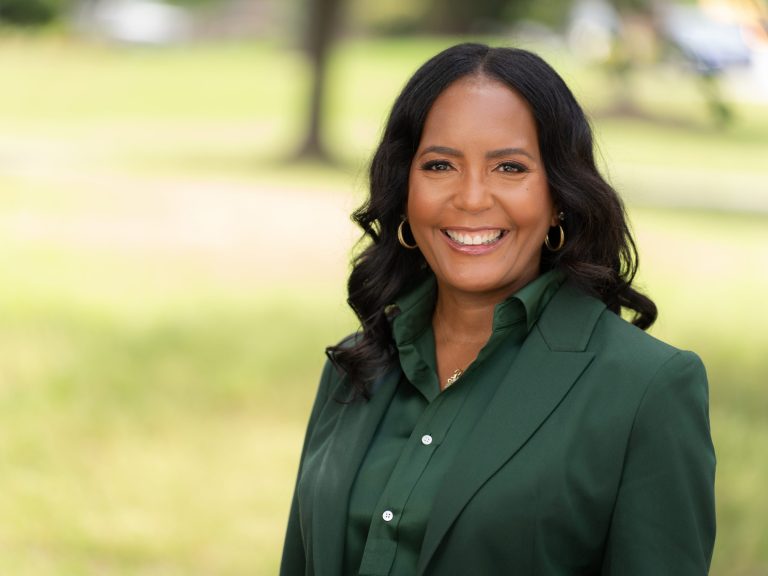
Keisha Lance Bottoms, a proud Florida A&M University alumna, is officially running to become Georgia’s next governor. The former mayor of Atlanta and senior advisor in the Biden administration made the announcement earlier this week, entering a high-stakes 2026 race that could make her the first Black woman ever elected to the position.
Bottoms, who led Atlanta from 2018 to 2022, is no stranger to making history. As one of the few Black women to have led a major U.S. city, she gained national prominence for her leadership during the COVID-19 pandemic and for her strong stances on equity, criminal justice reform, and civic engagement. Her next move? Taking that experience statewide.
“This isn’t just a campaign—it’s a movement to make Georgia work for everyone,” Bottoms said in her official campaign video.
Bottoms’ platform includes expanding Medicaid access, investing in small businesses, improving education funding, and tackling voter suppression across the state. She’s also placing a major focus on workforce development and economic equity for historically underserved communities, including rural Georgians and communities of color.
The 2026 race is already shaping up to be one of the most competitive in the country. Bottoms will face Democratic primary challengers such as State Senator Jason Esteves. On the Republican side, Attorney General Chris Carr is seen as a frontrunner, vying to succeed outgoing Republican Governor Brian Kemp.
A proud Rattler, Bottoms often credits her time at FAMU for shaping her leadership philosophy. Her run for governor not only energizes Georgia’s Democratic base but also holds significant meaning for the HBCU community.
As Georgia’s demographics shift and voter engagement increases among young people—especially Black college students—Bottoms’ campaign is expected to mobilize HBCU campuses across the state.
Bottoms also brings national visibility. She previously served as a senior advisor in the White House Office of Public Engagement under President Biden, where she focused on community outreach and policy impact.
With her campaign underway, Bottoms is leaning into grassroots organizing, digital strategy, and community partnerships to build a broad coalition. Her candidacy brings fresh energy to Georgia’s political scene—and a powerful reminder of the leadership legacy that starts on HBCU campuses.
For more on her campaign and vision for Georgia, visit her official campaign site at keishaforgovernor.com.
Hip-hop icon Jadakiss is celebrating one of his proudest moments yet—his daughter, Jaidyon Phillips, has officially graduated from Morgan State University, a leading HBCU located in Baltimore, Maryland. The moment marks a milestone not only for the Phillips family but also shines a spotlight on the growing number of Black celebrities choosing HBCUs for their children’s education.
Jadakiss, born Jason Phillips, took to Instagram to share the emotional celebration. In one photo, his daughter beamed in her cap and gown as he captioned the post,
“Congratulations to my beautiful Daughter @itsjaixo For Graduating from @morganstateu.” In another touching post with both father and daughter smiling side by side, he added, “Best feeling in the world! My baby is a college graduate.”
Known for his gritty lyrical storytelling and classic albums like Kiss tha Game Goodbye and Top 5 Dead or Alive, Jadakiss has long been a voice for Black resilience and pride. Now, his role as a proud HBCU parent deepens that legacy. His public celebration not only amplified his daughter’s accomplishment but also helped elevate Morgan State’s visibility to his millions of fans.
Founded in 1867, Morgan State University is a cornerstone of academic and cultural excellence among HBCUs. It has consistently produced leaders in fields ranging from politics to engineering to entertainment. Jaidyon’s graduation adds to that tradition, reinforcing Morgan’s commitment to cultivating success through community-driven education.
Jadakiss joins a growing list of Black celebrities whose children are thriving at Historically Black Colleges and Universities. Earlier this year, NFL star Chad “Ochocinco” Johnson celebrated his daughter Chadé’s graduation from Prairie View A&M University. Actor Denzel Washington’s son, John David Washington, is a Morehouse alum. Rap legend Master P has supported his son Hercy Miller’s commitment to Tennessee State University.
These moments reflect more than family pride—they’re a public endorsement of the power and value of HBCUs. When figures like Jadakiss use their platforms to uplift institutions like Morgan State, they send a strong message: HBCUs are not just viable options—they are premier destinations for Black excellence.
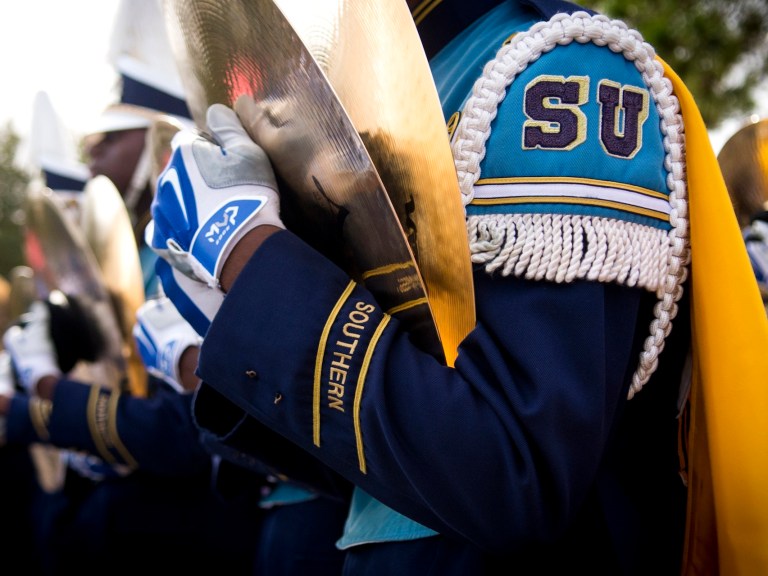
A group of Southern University students just made history. Their documentary, The Hidden Sport, spotlighting the legacy and athleticism of the university’s iconic Human Jukebox Marching Band, earned them a prestigious Sports Emmy Award. The award was announced during the 2025 Sports Emmy Awards in New York City on May 20, marking a significant moment not just for Southern, but for all HBCUs.
Produced by student filmmakers Loren Sullivan, Verbon Muhammad, Sydney Cuillier, Ashley Lovelace, and Eric White—collectively known as “The Dream Team”—the documentary was created as part of a national $40,000 HBCU sports broadcasting grant competition. The program was sponsored by The Coca-Cola Company and the Foundation of the National Academy of Television Arts & Sciences, with the goal of highlighting student-led storytelling in sports and culture.
The Hidden Sport challenges viewers to see the Human Jukebox as more than halftime entertainment. Instead, it presents the band members as true athletes, showcasing the rigorous training, discipline, and endurance it takes to be part of one of the most famous HBCU bands in the country. Their performances demand physical stamina, sharp precision, and unwavering commitment—qualities often reserved for traditional sports programs.
“This isn’t just a win—it’s a call to action to invest in the arts,” said Loren Sullivan, a senior mass communication major from Chino Hills, California, and the film’s director. In a press release from Southern University, she emphasized the broader importance of visibility and resources for HBCU creatives and communicators.
The Emmy win is a result of both storytelling excellence and cultural insight. It captures the spirit of HBCUs while presenting a powerful, narrative-driven lens on the physical demands and social value of Black marching bands. The students plan to allocate a portion of their grant toward scholarships, support for the Human Jukebox program and media team, and enhancements for the Southern University Department of Mass Communication.
The Hidden Sport will be released publicly on YouTube later this summer, with hopes of inspiring future generations to view band culture through a new lens. More than just a documentary, it’s a cultural celebration of HBCU excellence.
Pioneers such as Robert L. Johnson have served as role models to younger African Americans in business. Here’s a look at some notable African American leaders and some younger businesspeople, the industries in which they excel, a few business lessons from Johnson, and the challenges that Black Americans still face.
Finance
Thasunda Brown Duckett is CEO and president of TIAA (the Teachers Insurance and Annuity Association of America-College Retirement Equities Fund), a retirement services company. Brown Duckett also serves on the boards of Nike, the National Medal of Honor Museum, Sesame Workshop, and the Robert F. Kennedy Human Rights organization, as per Forbes. Brown Duckett was named on Forbes’s “inaugural list of the most powerful, impactful and wealthiest Black Americans”, which noted she was the first female chief executive at TIAA. Forbes also named her as one of the World’s Most Powerful Women in 2024.
Entertainment
Robert L. Johnson is one of the biggest names in entertainment, having co-founded BET in 1979. BET was the first cable television network aimed at Black Americans. It was also the first Black TV company listed on the New York Stock Exchange (NYSE). In a 2024 interview with Business Insider, Johnson said he wasn’t surprised that there were few Black-owned companies on the NYSE, but it was “disappointing”. He described it as “simply a way to raise capital to grow your business”.
Incidentally, Johnson doesn’t necessarily consider BET his biggest success. He said, “Because of BET, I’ve now created a company called Portability Services Network. Its sole purpose is to help Black American workers, particularly low-wage workers, keep their money in the 401(k) management system.”
Investment
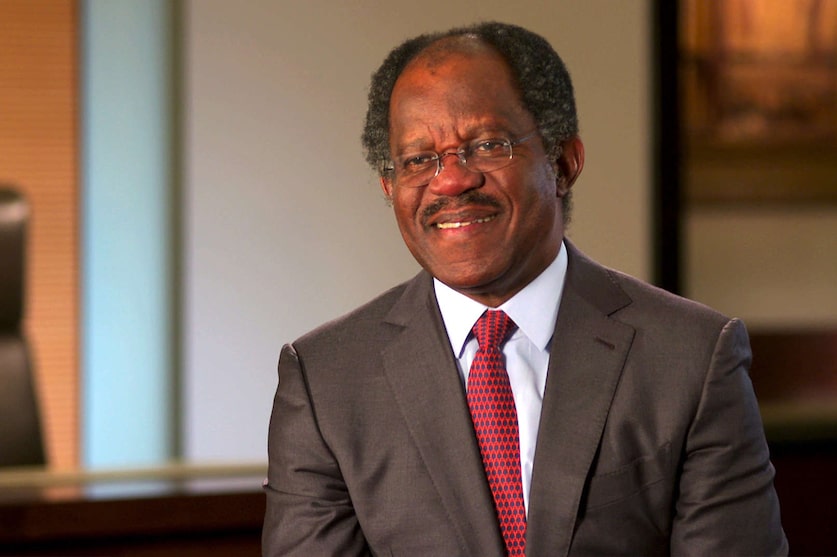
Adebayo Ogunlesi is the chairman, CEO, and co-founder of Global Infrastructure Partners (GIP). Last October, the company was sold to BlackRock for $12.5 billion. Ogunlesi retained his roles and has an estimated net worth of $1.7 billion. He has been described by the Financial Times as “one of Wall Street’s most powerful dealmakers”. Ogunlesi has multiple degrees, including an MBA from Harvard Business School, and worked in investment banking for over 20 years before cofounding GIP. During his investment career, he also lectured at Harvard and Yale Law Schools, as well as the Yale School of Management, teaching courses on transnational investment projects.
In early 2025, Ogunlesi was appointed to OpenAI’s board of directors. The company said his counsel would be “invaluable” for the progress of AI infrastructure and innovation. OpenAI, co-founded by Elon Musk in 2015, is one of the leaders in artificial intelligence.
Ogunlesi’s father, Theophilus Oladipo Ogunlesi, was recognized as the first Nigerian professor of medicine in the country.
Casinos
Don Barden was the first African American to own a casino in Las Vegas. He also owned casinos in Colorado and Mississippi, having taken over three Fitzgeralds casinos in 2002. Sadly, Fitzgerald passed in 2011. In a 2007 profile, The New York Times described Barden as “the country’s only African-American owner of a national gambling company.” Online review sites like casino.org/us/ and online casinos reviewed by such sites have since become more popular than traditional, physical casinos, offering greater flexibility and a wider range of games. This has led to many becoming millionaires or even billionaires through the online gambling sector.
CEOs on the rise
Derrick McCray is the CEO of his family business, McCray’s Backyard BBQ and Seafood. He told CNBC that the Florida business’s roots go back to 1934. His Uncle Jay ran “pretty much the only black restaurant business in his area during that time”. McCray has continued the restaurant’s traditions of only cooking on an open pit wood. He aims to take the restaurant nationwide.
Ernest Dukes is CEO at The Nottingham Agency and was named in Black Enterprise’s 40 Under 40 Class of 2023. The company develops marketing campaigns with cultural awareness.
Jonathan Rabb is the founder and CEO of Watch The Yard, which connects Black college students. He also co-founded Clutch, a digital security company.
business lessons from Robert L. Johnson
Johnson told Business Insider the best business advice he ever received was from John Malone, who said, “Get your revenues up, and keep your costs down.” Malone invested $500,000 when Johnson started BET. The latter had never run a business before, and never forgot that simple advice.
He said there was no such thing as the “worst advice” for businesspeople – “It’s about what you do with the advice that people give you. If the person believes in you and you believe in yourself, you should be able to take that advice and use it to move ahead.”
Success can’t be measured in dollars, according to Johnson. He said, “Most wealthy people I know don’t walk around waving in the air, ‘Oh, look how rich I am,’ because they know that’s not why you go on this journey.”
Challenges
There has been progress, but African American businesspeople still face considerable challenges. Historical discrimination has led to fewer opportunities for Black professionals to be appointed to executive roles. Once in leadership, African Americans often face heightened scrutiny and pressure to deliver. A 2022 study by the Brookings Institution noted, “Black people comprise approximately 14% of the U.S. population, but only 2.3% of owners of employer firms.” The authors, who included a senior research associate and senior fellow, noted that structural change at the “federal, state, and local level” is needed for the economy to work for everyone.
Kirby Smart Named Top College Football Coach In Top 25 Ranking List By USA Today
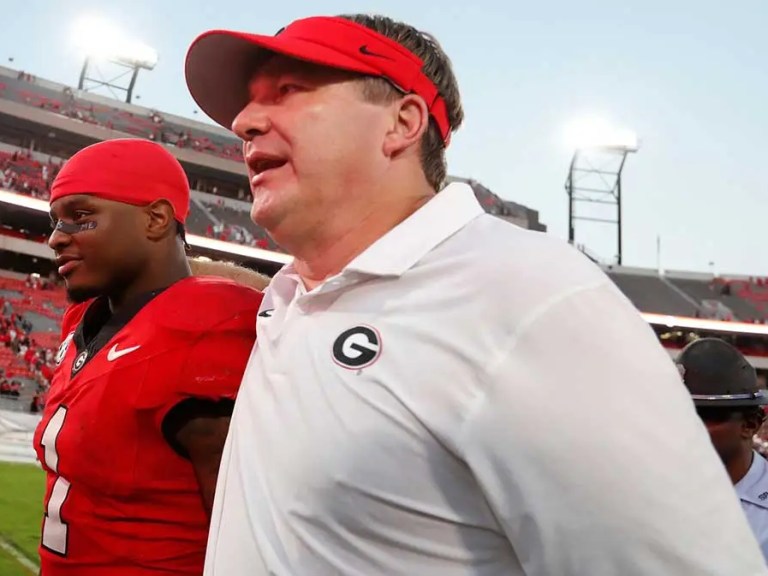
In recognition of his efforts in what was his ninth season in charge of the Georgia Bulldogs, Kirby Smart has been included in USA Today’s esteemed list of the top 25 college football coaches.
The 49-year-old led the Bulldogs to successive national titles in 2021 and 2022, and though he didn’t repeat that feat in 2024, Georgia’s consistency under Smart is quite astonishing, with his ninth season ending in a very credible 11-3 record, losing to Notre Dame in the Sugar Bowl.
Unsurprisingly, the Bulldogs appear among the favorites with most sportsbooks ahead of the 2025 season, and fans who want to back Georgia to once again go all the way can make good use of this Fanatics sportsbook promo to help make any wager as effective and profitable as possible.
Kirby enjoys a very healthy overall record of 105-19 and is well worth his reported $13 million a year salary. To help Georgia once again compete at the highest level, they have brought in running back Josh McCray from Illinois and outside linebacker Elo Modozie from Army.
Talking about 23-year-old McCray, Kirby sees the new recruit as the type of player who can make a difference when it counts, commenting.
“In a world of a lot of third-and-ones and fourth-and-ones in college football with analytics people going for it, you need short-yardage backs,”
“We think he gives us the potential to do that.”
As for Modozie, Smart added.
“A really good athlete,”
“A position of need, outside linebacker. Great kid, high character. Great family. So we’re excited to have him.”
One does not imagine Georgia needs to make massive changes in the offseason, not given their solid form in 2024; however, they will miss quarterback Carson Beck, who had looked set for the NFL Draft before opting to join the Miami Hurricanes instead (where fellow Bulldog Jackson Cantwell also moved).
Beck won two national titles with Georgia but came in for quite a bit of criticism last time around, and Smart nonetheless highly rated the 22-year-old Jacksonville-born talent. As for who may take the starting spot at QB, many expect this to go to Gunner Stockton.
Stockton played in nine games for Georgia across 2023 and 2024, albeit only one as a starter, and On3 Reporter Pete Nakos feels this is inevitable.
“Simply put, Gunner Stockton has the inside track to the starting quarterback job at Georgia.”
“Kirby Smart has yet to name a starter, and that probably will not come until August, but Stockton is in full control.”
“He impressed in spring ball, and his experience running the offense showed.”
“The Bulldogs were expected to evaluate the spring quarterback market, even for another backup, but opted to sit tight. Ryan Puglisi continues to improve, but he didn’t play a snap as a true freshman last year.”
“All signs point to Stockton getting the starting job,” Nakos concluded.
Georgia starts their 2025 season against Marshall on August 30th at Sanford Stadium.
As Florida A&M University continues its search for a new president, growing concerns from alumni, students, and advocacy groups have sparked a broader conversation about transparency and political influence at one of the nation’s top HBCUs.
The Florida A&M University Board of Trustees recently advanced several finalists for the role, but the process has drawn scrutiny—especially with the emergence of Charter Communications executive Marva Johnson as a leading contender. While Johnson has experience in policy and education, critics are questioning whether the selection process has been shaped more by political alignment than academic or institutional fit.
Adora Obi Nweze, president of the NAACP Florida State Conference, issued a public statement urging FAMU’s board to prioritize transparency and community input. “This process should be about FAMU’s future, not about political pressure,” she stated, echoing concerns voiced by other members of the university’s vast alumni network.
Some FAMU supporters worry that the influence of Florida’s current political climate—particularly the state’s moves to reduce DEI (Diversity, Equity, and Inclusion) programming—may be creeping into the governance of public HBCUs. These concerns are not new but have intensified amid broader statewide debates over the role of race and identity in higher education.
The FAMU National Alumni Association has also expressed interest in ensuring the new president understands the unique cultural and academic mission of Florida A&M University, emphasizing that HBCUs require leadership grounded in both community and vision.
While the Board of Trustees has stated that the process remains fair and comprehensive, members of the FAMU community are calling for more public engagement and communication around the finalists’ qualifications, visions, and alignment with the university’s core values.
Florida A&M University, founded in 1887, has long stood as a pillar of Black academic excellence. With recent national attention—from the Marching 100’s high-profile performances to millions in federal and private funding—the university is at a critical point in its development. Alumni and stakeholders say this is not the time for political compromise, but for bold, informed leadership.
The presidential search continues amid ongoing discussion, and FAMU’s students and supporters remain hopeful that the final decision will reflect the legacy and potential of this historic institution.
For now, all eyes remain on FAMU as it approaches a leadership crossroads with implications far beyond Tallahassee.
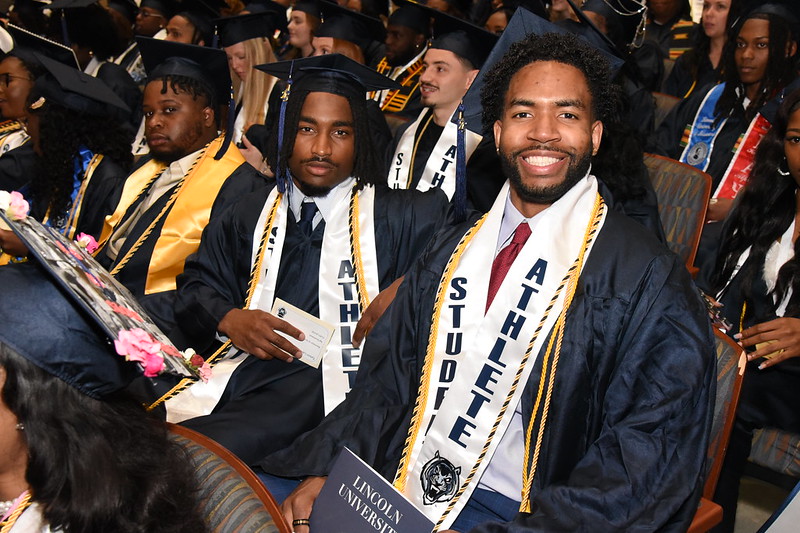
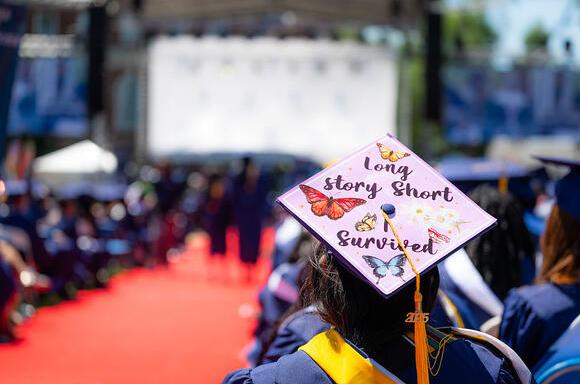
Lincoln University of Missouri proudly celebrated the Class of 2025 with a heartfelt and historic commencement ceremony on Saturday, May 10. Dozens of families, friends, and alumni gathered to watch students walk across the stage, marking the end of one chapter and the beginning of the next for this resilient group of graduates.
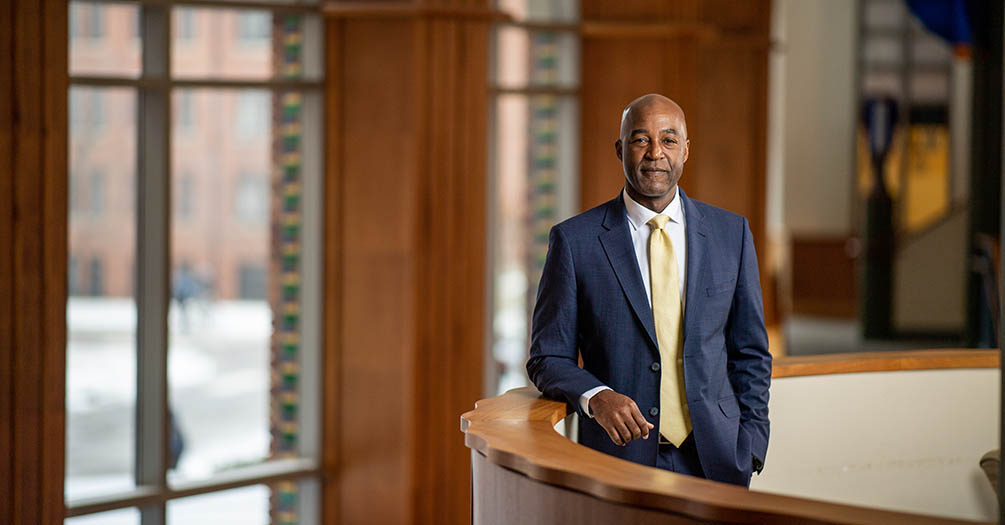
The keynote address was delivered by Dr. Harold L. Martin Sr., Chancellor Emeritus of North Carolina A&T State University, who brought both wisdom and inspiration to the podium. Dr. Martin, a longtime champion of HBCUs, challenged graduates to step boldly into leadership roles, reminding them that their education at Lincoln University has prepared them to drive meaningful change.
“You are the continuation of a powerful story,” he said. “A story of strength, legacy, and purpose that began long before you—but one that you now have the power to write.”
The ceremony was a reflection of Lincoln’s ongoing mission to serve as a hub for excellence in education, leadership, and service. Students from a wide range of disciplines received degrees in agriculture, education, criminal justice, nursing, and more—many of whom are first-generation college graduates.
University President Dr. John Moseley also addressed the graduating class, expressing pride in the university’s ability to remain a nurturing and forward-thinking institution. “The world needs the energy, brilliance, and resilience that each of you carry,” Dr. Moseley said. “And Lincoln University is proud to have played a role in shaping who you are.”
This year’s graduating class showed a strong commitment to service, leadership, and academic success, with several students receiving awards for excellence in research, community engagement, and leadership within student organizations.
The university also honored several faculty members who are retiring after decades of service, highlighting the intergenerational impact of Black educators on campus life and student success.
From the speeches to the procession, Lincoln’s 2025 commencement ceremony reaffirmed the institution’s legacy as a foundational part of the HBCU landscape. It also served as a reminder that the future is in capable hands—those of graduates who understand their heritage and are prepared to make their mark in the world.
As these newest Lincoln University alumni step out into the world, they carry with them more than a degree—they carry a legacy built on excellence, equity, and empowerment.
It was a proud HBCU moment as Grammy-winning singer Toni Braxton celebrated a major milestone—her son, Diezel Braxton, graduated from Howard University. The multi-platinum R&B legend shared the joyous news on social media, highlighting a powerful moment of legacy and achievement within Black academia.
Diezel, who studied film at Howard, crossed the stage during the university’s 157th Commencement ceremony, which was already historic due to its record-setting number of graduates. Toni Braxton, a proud HBCU alum herself from Bowie State University, shared photos alongside Diezel in his cap and gown with heartfelt words: “I’m so proud of you @diezel.braxton. You did it baby boy! Howard University class of 2025.”
This celebration comes at a time when Black celebrity families are increasingly turning to HBCUs not just as academic choices, but as culturally empowering environments. The Braxton family’s continued support for historically Black institutions adds to the growing momentum of HBCU pride in entertainment and beyond.
Diezel, who was previously diagnosed with autism as a child and later declared “off the spectrum” in 2016, has been a vocal advocate for neurodivergent representation and mental health. His graduation from Howard University is not just a personal milestone—it’s an inspiration for others navigating similar journeys.
The occasion was also celebrated by Diezel’s older brother Denim and other members of the Braxton family, reminding audiences of the tight-knit community bonds HBCUs foster, not only among students but among families who support them.
Howard’s 2025 commencement was full of notable moments, including a keynote from actor LeVar Burton and the largest class of graduates in school history. Diezel Braxton’s participation in that record-setting moment adds a layer of cultural resonance—proving that HBCUs continue to shape the future of Black excellence across industries.
Howard University just made history with its 157th Commencement ceremony, honoring its largest graduating class to date. On Sunday, May 11, the university conferred degrees to 3,167 students, a 13% increase from the previous year, reinforcing Howard’s position as a global leader in Black excellence and higher education.
Students from 44 U.S. states and 29 countries walked the stage on The Yard, representing the wide-reaching impact and continued growth of Howard’s academic programs and international reputation. Families, alumni, faculty, and friends gathered in celebration of a class that has weathered a transformative four years—from navigating the height of a global pandemic to stepping boldly into a rapidly evolving world.
The keynote speaker for the ceremony was none other than actor, director, and literacy advocate LeVar Burton. Known for his roles in Roots, Star Trek: The Next Generation, and Reading Rainbow, Burton energized the audience by singing the nostalgic “Butterfly in the Sky” theme song, prompting cheers and laughter throughout the crowd. But his message turned deeply reflective as he reminded graduates, “You are descended from some of the most resilient souls in the history of humanity. Remember who you are and where you come from.”
“You are living proof of your ancestors’ dreams.” — @levarburton
This weekend, Howard University celebrated the largest graduating class in our history — 3,167 strong — with none other than the legendary storyteller and literacy champion, LeVar Burton, delivering a powerful,… pic.twitter.com/vmNlcyBm2V
Also delivering powerful remarks was Laurence C. Morse, Chair of Howard University’s Board of Trustees. Morse acknowledged the gravity of the moment and the significance of the “Long Walk”—Howard’s traditional send-off march for graduating students. “Today’s walk is not just across campus,” he said. “It’s a step forward into the rich legacy of leaders, thinkers, and visionaries who came before you and paved the path.”
The ceremony marked more than a celebration of numbers; it was a reminder of Howard’s role in shaping not just scholars, but cultural change-makers, community builders, and global influencers. As the institution continues to expand its reach and raise the bar for academic success, moments like this underscore the university’s mission to inspire truth and service.
This historic milestone adds yet another chapter to the legacy of Howard University, reminding the world that its graduates aren’t just stepping into the future—they’re building it.
Morehouse College has officially named Dr. F. DuBois Bowman as its 13th president, marking a homecoming for a distinguished leader and proud alumnus. The appointment was announced by the Morehouse Board of Trustees and becomes effective July 15, 2025.
Dr. Bowman, a 1992 graduate of Morehouse College, currently serves as dean of the University of Michigan’s School of Public Health. Under his leadership, the school has significantly expanded its enrollment and research efforts—now supporting over 1,300 students and managing an annual research portfolio exceeding $100 million. His work has focused on pressing health issues, from infectious disease response to health equity, making him one of the nation’s leading voices in public health.
Bowman’s academic path began at Morehouse, where he earned his Bachelor of Science in mathematics. He went on to receive a master’s degree in biostatistics from the University of Michigan, followed by a Ph.D. in biostatistics from the University of North Carolina at Chapel Hill. His groundbreaking research has advanced understanding in neuroscience and mental health, contributing to more personalized medical interventions for neurological and psychiatric conditions.
11/29/18 The School of Public Health Dean F. DuBois Bowman
Beyond his academic accomplishments, Bowman has stayed closely connected to Morehouse. He has led initiatives that create pathways for Morehouse and Spelman students to pursue graduate studies at Michigan, and in 2019, he was awarded the college’s highest alumni honor—the Bennie Trailblazer Award.
“Returning to Morehouse as its 13th president is the honor of a lifetime,” Dr. Bowman shared in a statement. “This institution shaped who I am—instilling a commitment to excellence, justice, and impact. I am excited to partner with faculty, staff, students, alumni, and supporters to build on our legacy and write the next chapter of Morehouse’s transformative story.”
The Board of Trustees expressed strong confidence in Bowman’s leadership. Chairman Willie Woods praised him as a visionary, noting, “Dr. Bowman’s record of academic innovation and his deep dedication to Morehouse make him the ideal choice to lead the College forward.”
His selection comes as Morehouse continues to elevate its national profile, invest in research, and build new opportunities for Black men in higher education. With Bowman at the helm, the college is poised to deepen its commitment to producing leaders who are prepared to make global impact.
As Morehouse turns the page on a new chapter, the institution once again looks to one of its own to guide the way—an embodiment of its motto: “Et Facta Est Lux”—”And there was light.”
Shaquille O’Neal is no stranger to making headlines, but this time it wasn’t for a slam dunk or a viral TV moment—it was for repping Alabama State University and announcing his plans to become a college professor at an HBCU.
During a May 8, 2025 episode of Inside the NBA, Shaq showed up on set in a sharp Alabama State hoodie, proudly displaying the Hornets’ black and gold colors. Then, in true Omega Psi Phi fashion, he followed up with a signature “Que Dawg” bark, drawing both cheers and questions from his fellow hosts. When Ernie Johnson asked about the wardrobe choice, Shaq gave a response that surprised many: “From now on, I would like to be addressed as Professor O’Neal, because when I graduate in two years, I will leave you and become a college professor on mentorship and business administration.”
The moment was both entertaining and significant, especially for HBCU communities who’ve long embraced the importance of academic excellence and cultural visibility. While Shaq has always been a larger-than-life figure in sports and media, his passion for education—and specifically HBCU education—has been consistent throughout his journey.
O’Neal has taken courses at Southern University in the past to complete his degree from LSU, showing that even global icons are committed to finishing what they started. He went on to earn a doctoral degree in education from Barry University in 2012. But it’s his decision to pursue further studies at Alabama State University that stands out as a direct investment into the HBCU ecosystem.
This isn’t just about optics—it’s about impact. As someone who has the attention of millions and the respect of multiple generations, Shaq’s choice to align himself with Alabama State University goes far beyond a casual endorsement. It sends a powerful message about the value of HBCUs as places of learning, growth, and legacy-building.
His family’s connection to HBCUs also runs deep. Shaq’s son, Shaqir O’Neal, played basketball at Texas Southern University and later transferred to Florida A&M. The elder O’Neal’s engagement with HBCUs isn’t performative—it’s personal, generational, and rooted in a belief that these institutions are crucial for developing leaders in every field, not just sports.
By openly discussing his plans to transition into a teaching role after completing his program at ASU, Shaq is reinforcing the idea that education never stops and that knowledge is just as valuable as any championship ring. His emphasis on mentorship and business education aligns with the broader mission of HBCUs to equip students with the tools to succeed in both their careers and communities.
Shaq’s announcement marks more than a viral moment—it’s a cultural statement. It highlights the continued relevance of HBCUs in shaping Black excellence and reminds us that even the biggest icons see value in learning from, and giving back to, our institutions.
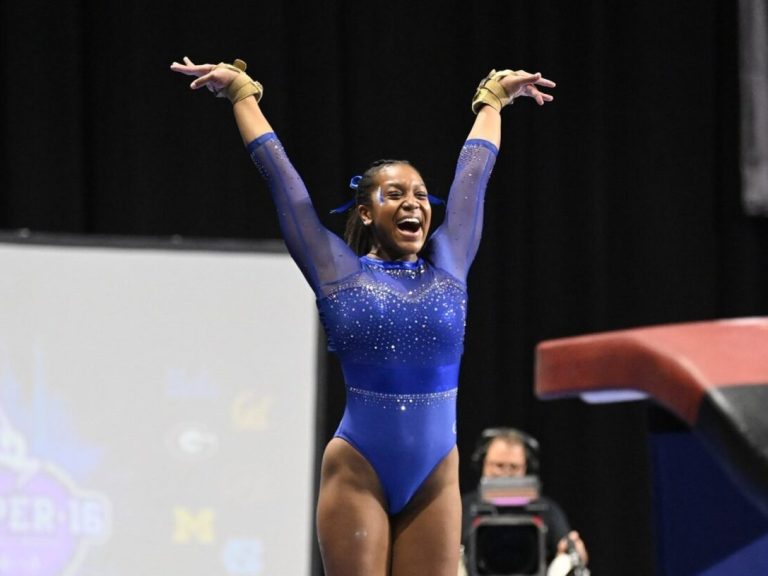
Morgan Price, the two-time national champion who helped launch Fisk University‘s historic gymnastics program, has officially entered the NCAA transfer portal for her final year of eligibility—marking the close of a revolutionary chapter in HBCU athletics.
After initially committing to the University of Arkansas, Price shocked the gymnastics world when she instead chose to make history with Fisk, becoming the face of the first-ever HBCU women’s gymnastics team. In just two seasons, she not only broke barriers but dominated the sport—becoming the first HBCU gymnast to win a national collegiate title and sweeping all four individual events at the 2025 Women’s Collegiate Gymnastics National Invitational Championship.
In a post on Instagram, Price expressed gratitude for her time at Fisk, saying, “Fisk University gave me a purpose bigger than myself. It gave me a historic opportunity to be part of something no one had ever done before—to represent the first-ever HBCU gymnastics team on a national stage.”
Her departure leaves big shoes to fill. Fisk’s gymnastics program became a beacon of inspiration for Black athletes in non-revenue sports, and Price’s rise helped push the program—and HBCU gymnastics—into the national spotlight. University President Dr. Agenia Clark acknowledged her impact, stating in a press release that Price “served as a phenomenal ambassador for Fisk University and embodied the incredible ways our institution continues its history-making legacy.”
While Price hasn’t revealed her next move, there’s speculation that top Power Five programs are already in pursuit of the standout gymnast. As Sports Illustrated reports, her combination of elite talent and historic leadership makes her one of the most sought-after names in collegiate gymnastics today.
As she charts a new path, Price’s legacy at Fisk is cemented—not just as a champion, but as a trailblazer who showed what’s possible when excellence meets purpose.
Tougaloo College, a historically Black institution in Jackson, Mississippi, has reported receiving threats following a commencement address by U.S. Congresswoman Jasmine Crockett on May 4, 2025. The college has contacted law enforcement and implemented safety protocols in response to these concerning calls.
No low is too low for MAGA… now explain to me why an institution would be receiving threats because of the commencement speech that I GAVE.
This type of behavior is why I’m constantly having to be protected & I understand that truth telling in this country; sadly, is a… pic.twitter.com/SopOsPxdZB
During her speech, Rep. Crockett, a Democrat from Texas, encouraged graduates to embrace their purpose and highlighted Tougaloo’s legacy in the civil rights movement. She also criticized former President Donald Trump, which some believe may have prompted the threats. Crockett addressed the situation on social media, attributing the threats to supporters of Trump’s “Make America Great Again” movement and emphasizing the dangers faced by truth-tellers in the current political climate.
Rep. Bennie Thompson, a Tougaloo alumnus, condemned the threats, stating that attempts to intimidate the college community have failed. He praised Crockett’s message and reaffirmed the resilience and pride of Tougaloo College.
Tougaloo College, established in 1869, has a storied history in the fight for civil rights and continues to be a beacon of empowerment and education for the Black community.
On May 1, 2025, HBCU Buzz hosted a vibrant and thought-provoking virtual roundtable titled Power, Purpose, and Pride, featuring London Brown, star of STARZ’s Power Book III: Raising Kanan. The conversation—streamed live —brought together current students, alumni, and supporters from across the HBCU community for a dialogue centered on Black storytelling, cultural pride, and the power of representation.
Brown was joined by a panel of dynamic HBCU voices: Destinee Kerr (Xavier University of Louisiana), Solae White-Rodgers (Delaware State University), and Howard University’s own Prince Bajon Bihai IV and Damaris Moore. Together, they reflected on how HBCUs influence Black identity, career paths, and the stories we tell.
The Power of Representation
London Brown opened up about the importance of authentic Black narratives in the media. He praised Raising Kanan for offering layered and complex portrayals of Black life, something often missing in mainstream entertainment. Brown spoke directly to HBCU students about how media representation affects self-image and career aspirations, reminding them that their stories deserve to be seen and heard. He also shared his personal journey—from growing up in South Central Los Angeles to becoming a rising star in Hollywood—emphasizing that purpose and persistence are key ingredients in turning dreams into reality.
Culture, Community, and HBCU Pride
The conversation turned to HBCU life and how these institutions serve as cultural beacons for Black excellence. Brown spoke about the influence of HBCUs on broader Black culture, from fashion and music to activism and business. Panelists and attendees chimed in, sharing stories that celebrated the tight-knit communities, intergenerational mentorship, and rich traditions that make the HBCU experience unique.
Uplifting the Next Generation
During a live Q&A, students and alumni asked Brown for advice on breaking into the entertainment industry while staying true to their roots. He stressed the value of mentorship, the necessity of a support system, and the importance of holding onto one’s identity in spaces that often demand conformity.
As the conversation wrapped, one thing was clear: HBCUs are not just institutions—they’re launchpads for greatness. The full virtual roundtable is available to watch here. For those who missed it, it’s more than worth the replay.
Malia Obama is making waves in the director’s chair with her latest project—a bold and culturally rich Nike commercial spotlighting WNBA superstar A’Ja Wilson and her debut signature sneaker, the A’One, dropping May 6. But this isn’t just another sportswear ad—it’s a love letter to HBCUs, Columbia, South Carolina, and the Black family legacy rooted in Benedict College.
At the heart of the commercial are 11 dancers and cheerleaders from Benedict College, whose energy and rhythm give the spot its soul. Members of the BC Cheerleaders and Sweet Sensation Dancers, including Ashanti Mollock, Tyliyah Moore, and Aniya Montgomery, light up the screen with choreography that channels the pride, excellence, and creativity found across HBCU campuses.
One of the ad’s most powerful moments features Roscoe Wilson, A’Ja’s father and former Benedict College basketball star. His cameo bridges generations, reminding viewers that the legacy of HBCU greatness runs deep—in families, in history, and in sports.
Directed by Obama, the commercial leans into cinematic storytelling with unapologetic authenticity. It’s a visual celebration of A’Ja’s journey—from her hometown roots to the national spotlight—and the community that helped shape her rise.
More than a shoe drop, the A’One campaign is a statement. It’s about Black excellence, HBCU pride, and honoring the institutions that continue to produce greatness. And thanks to Malia’s creative eye, the spotlight shines squarely where it belongs.