
What HBCU Entrepreneurs Should Know About Liability

What HBCU Entrepreneurs Should Know About Liability

Whether you’re a current student or an alumni of an HBCU, launching and growing your own business is difficult. 

There are numerous things to think about, including your business model – it’s not just about what you sell, but how you make the company scalable – the customer experience, and financial management. One of the most important aspects of running a business effectively is protection. Specifically, liability protection.

According to a recent study, African-American-owned businesses account for only 2.2% of the employer-owned businesses in the US, with entrepreneurs starting businesses with only a third of the capital of their white counterparts. It’s a sad truth that not only makes the hill you’ll climb steeper, but makes your business far more vulnerable. 

That’s why it’s important to protect yourself. Below are several key things HBCU entrepreneurs should know about liability, and how to safeguard what you’re building from the very beginning.

Knowing the Percentages

In any given year, a significant portion of businesses in the US face lawsuits or threats of lawsuits. 

In another study, for instance, it was found that 90% of all companies experience a lawsuit at some point, with small companies, especially, being the main victims – 45% of SMEs are currently in litigation, with around 53% sued annually. 

These percentages are important, as they demonstrate how prevalent legal risks are in the business world. As an entrepreneur – especially an HBCU entrepreneur, where access to resources may be limited – it’s your job to understand the reality of litigation and to protect your business appropriately.

Attaining the Right Insurance

The best way to do this is by attaining the right insurance. In 2025, general liability insurance by Next Insurance has become a great option for those seeking a more tailored solution. 

No matter what your business is, you have the chance to protect yourself from injury claims, property damage, medical payments, and, of course, legal fees and defence costs, giving you the support needed to see everything through. 

As mentioned previously, the majority of African-American-owned businesses only have a third of the capital of white business owners. That’s an estimated $1.6 trillion gap in aggregate revenue between black-owned and non-black-owned businesses across the US economy. 

With this in mind, it’s even more crucial to secure affordable, comprehensive coverage, giving you the peace of mind that your business is protected without breaking the bank. 

Understanding Industry Risks

It’s also important to understand the specific risks of your industry. 

Nearly a third of businesses produced by HBCUs operate in the health care and social assistance sector, so if this relates to your business, you’re going to have to look into the details of either field and ensure you have the appropriate coverage tailored to those particular risks.

In healthcare, for instance, that could be coverage like medical malpractice liability, or health data privacy and cybersecurity. In the social assistance sector, it could be coverage for things like professional liability or EPLI. If you know what to look out for, you’ll be far better placed to choose the right tailored insurance plan and get your company covered.

Conclusion: Navigating Liability

The main thing you have to know about liability is that, in most cases, it’s unavoidable. While you can plan ahead and put yourself in the best position to avoid any lawsuits, mistakes can always happen, and unforeseen circumstances can always arise. 

90% of all US companies are not incompetent, of course. And yet they still go through a lawsuit at some stage in their lifespan. It’s your job to recognise the reality you’re working in – that lawsuits, claims, and legal disputes are an unfortunate but often unavoidable part of doing business. 

Once you have done that, you can make sure you have the proper contracts in place, you stay compliant with regulations, implement strong risk management practices and, most importantly, invest in comprehensive insurance that can protect you in a variety of scenarios.

HBCU And NBA Legend Dr. Dick Barnett Passes Away at 88​

Obit Barnett Basketball 63592

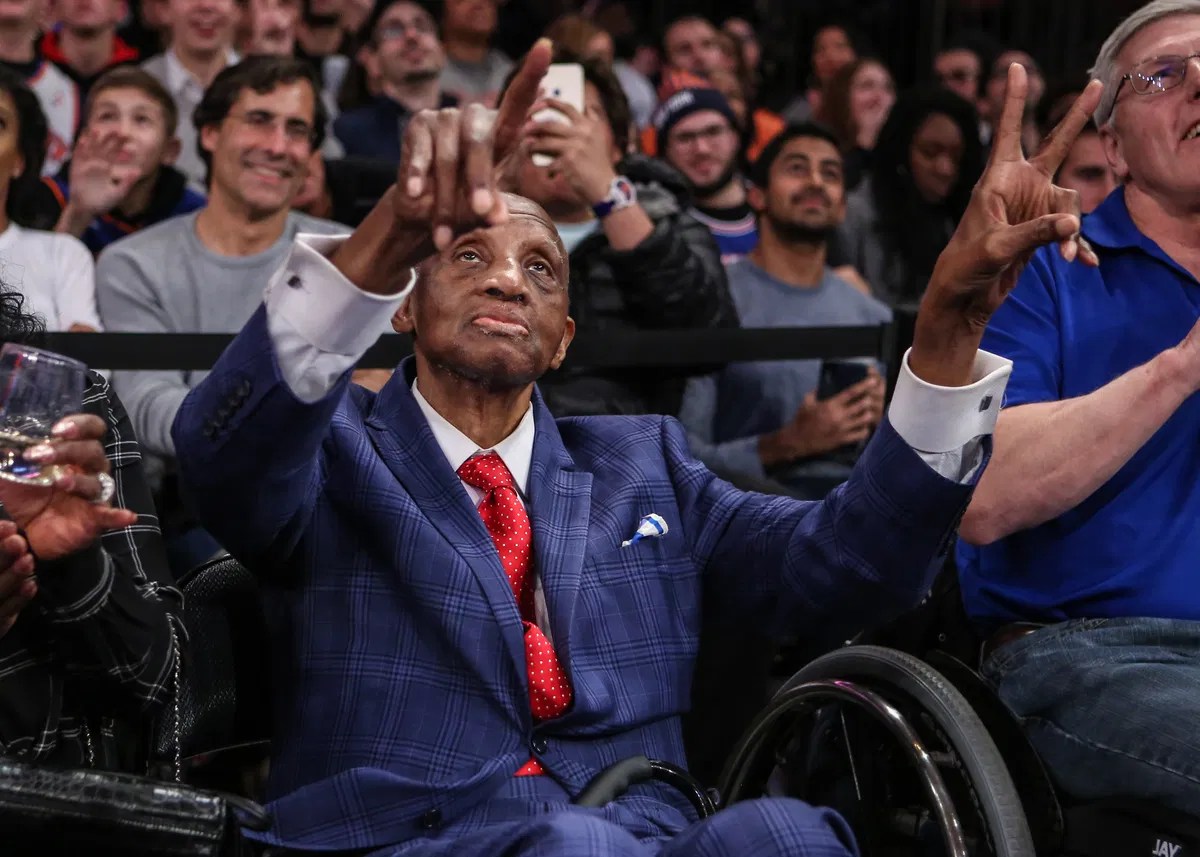
Dr. Richard “Dick” Barnett, a trailblazing figure in both HBCU and professional basketball, passed away peacefully in his sleep on April 26, 2025, at the age of 88 in Largo, Florida. His death was announced by the New York Knicks and confirmed by Tennessee State University (TSU), where he remains one of the most celebrated alumni. 

🏀 A Collegiate Pioneer at Tennessee A&I

Born on October 2, 1936, in Gary, Indiana, Barnett’s basketball journey began at Tennessee A&I State College (now TSU), where he led the Tigers to three consecutive NAIA national championships from 1957 to 1959. Under Hall of Fame coach John McLendon, Barnett’s talent earned him three All-America selections and two NAIA Tournament MVP honors, cementing his place among the greats. 

His jersey is the only one ever retired by TSU, hanging in the Gentry Center as a testament to his impact on the university’s athletic legacy.

USATSI 13667126

🏆 NBA Career and Championships

Barnett was selected fourth overall in the 1959 NBA Draft by the Syracuse Nationals. He went on to enjoy a 14-year professional career, with notable stints playing for the Los Angeles Lakers and the New York Knicks. Famous for his signature “Fall Back Baby” jump shot, Barnett played a key role in helping the Knicks capture NBA championships in 1970 and 1973. ​

Over his NBA career, Barnett amassed 15,358 points, averaging 15.8 points per game. His No. 12 jersey was retired by the Knicks in 1990, honoring his significant contributions to the team’s history. ​

🎓 Academic Achievements and Advocacy

Beyond the basketball court, Dr. Barnett was a staunch advocate for education. He earned a master’s degree from New York University and a doctorate in education from Fordham University. Passionate about mentorship, he taught sports management at St. John’s University and founded Fall Back Baby Productions, using his platform to inspire future generations through writing, speaking, and advocacy.

🏛️ Hall of Fame Induction

In 2024, Barnett’s extraordinary career and lifelong dedication to the game were celebrated with his induction into the Naismith Memorial Basketball Hall of Fame. ​

Dr. Dick Barnett’s legacy transcends basketball; he was a pioneer who broke barriers and paved the way for future generations of athletes and scholars. His contributions to HBCU athletics, professional basketball, and education will continue to inspire and resonate for years to come.​

Tragedy at Elizabeth City State University: One Dead, Six Injured During Viking Fest Celebration​

Tragedy at Elizabeth City State University: One Dead, Six Injured During Viking Fest Celebration​

In the early hours of Sunday, April 27, 2025, a tragic shooting occurred at Elizabeth City State University (ECSU) in North Carolina, resulting in one fatality and six injuries. The incident took place during Yard Fest, the concluding event of the university’s weeklong Viking Fest celebration, held in the campus quad area.

Victims and Injuries

The deceased was a 24-year-old man who was not enrolled at ECSU. His identity has not been released pending notification of his next of kin. Among the injured were four individuals who sustained gunshot wounds, including three ECSU students. Two additional students were injured during the ensuing commotion. All injured parties were transported to a local hospital, and none of the injuries are considered life-threatening. ​

UM6Q52UNDJAEXFEIIVSVA3PJ3U

University and Law Enforcement Response

In response to the shooting, ECSU implemented a campus lockdown and issued a shelter-in-place order for all students.The lockdown was lifted later that day after law enforcement officials determined that the campus was safe. The ECSU Police, along with the Elizabeth City Police Department, Pasquotank County Sheriff’s Office, Camden County Sheriff’s Office, and the North Carolina State Bureau of Investigation, responded swiftly and are actively investigating the situation. ​

Support Services and Ongoing Investigation

ECSU has increased patrols across campus, and access to the center of campus remained restricted throughout Sunday.Support services for students, faculty, and staff were made available at Bias Hall, University Suites, Viking Towers, and University Towers. On-call and after-hours counseling services are also accessible by calling 252-335-3275. The investigation is ongoing, and anyone with information regarding the incident is encouraged to contact ECSU Police at 252-335-3266. ​

ECSU extends its deepest sympathies to all those affected by this tragic event and remains committed to ensuring the safety and well-being of the Viking community.

AAMU’s Carson Vinson Drafted by Ravens, Becomes Only HBCU Player Selected in 2025 NFL Draft

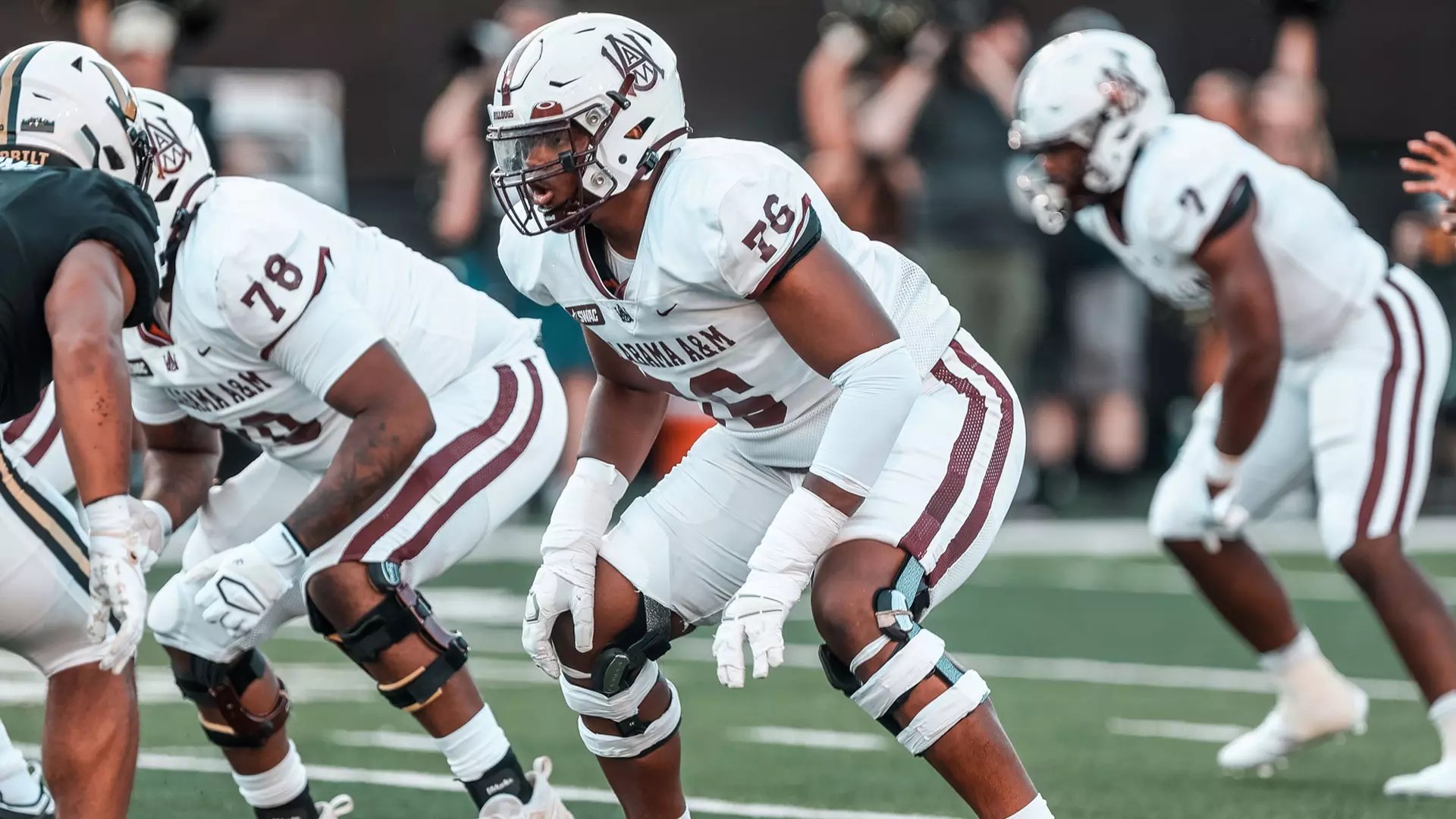
Baltimore, MD — In a powerful moment for HBCUs and Black college football, Alabama A&M offensive lineman Carson Vinson has been selected by the Baltimore Ravens with the 141st overall pick in the fifth round of the 2025 NFL Draft, making him the only HBCU player drafted this year.

At 6-foot-7 and 314 pounds, Vinson is a force on the field. A native of Morrisville, North Carolina, he started 48 consecutive games at left tackle for Alabama A&M, anchoring the Bulldogs’ offensive line for five straight seasons. In 2024, he earned First-Team All-SWAC honors, capping off a standout collegiate career that drew attention beyond the SWAC.

Carson Vinson
Courtesy of Alabama A&M Athletics

Vinson’s hard work and dedication earned him an invite to the 2025 Reese’s Senior Bowl, where he was the only player from an HBCU to participate. His performance there solidified his draft stock and placed him firmly on the radar of NFL scouts.

“I think he’s a really polished, tough, tenacious guy,” said Ravens GM Eric DeCosta. “Carson Vinson was one of Coach Warhop’s favorite prospects — a small school guy with tremendous size and strength.”

Vinson’s selection is not just a personal milestone — it’s a reminder that HBCU programs are producing NFL-caliber talent and deserve broader recognition on draft boards. He becomes Alabama A&M’s first NFL Draft pick since 2011, and one of the few offensive linemen from an HBCU drafted in recent years.

The Ravens, known for developing linemen and valuing versatility, plan to begin Vinson’s transition into the pros under the mentorship of veterans like Ronnie Stanley. Analysts believe Vinson could eventually see snaps at both tackle and guard, giving Baltimore valuable depth and future potential on their offensive front.

For the HBCU community, Vinson’s draft moment stands tall — a beacon of what’s possible when talent, opportunity, and preparation meet. As he embarks on his NFL journey, Carson Vinson carries not only his personal dreams but also the pride of Alabama A&M and HBCUs across the nation.

We’ll be watching. And rooting for him all the way.

Charlie Ward to Lead FAMU Men’s Basketball Program in Groundbreaking Move

7a166cf4 02be 42b1 A375 D63bd6566cd0 2021 All Big Bend Winter049

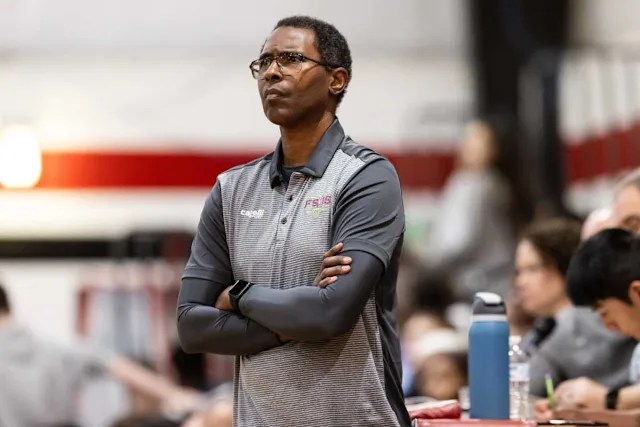
Florida A&M University is making a historic play on the hardwood with the hiring of Heisman Trophy winner and former NBA veteran Charlie Ward as the new head coach of its men’s basketball team. The announcement sent shockwaves through the HBCU and college basketball communities, marking a bold shift in the Rattlers’ athletic vision.

Ward, a legendary figure in college football, is the only Heisman Trophy winner to ever play in the NBA. After leading Florida State to a national championship in 1993 and winning college football’s highest individual honor, he bypassed the NFL entirely to pursue basketball. He went on to play 11 seasons in the NBA, primarily with the New York Knicks.

While his athletic résumé speaks volumes, it’s his coaching philosophy and leadership that FAMU is banking on. Ward has spent more than a decade coaching high school basketball and serving as an assistant coach at Florida State and at historically Black institutions like Texas Southern University. His approach centers on discipline, character development, and long-term success — both on and off the court.

95ce54d93379c94fc5b17001db80ad6b

“This is about building men of integrity who can lead in all areas of life,” Ward said in an interview with Tomahawk Nation. “The wins will come, but the foundation has to be right.”

FAMU fans and alumni are enthusiastic about the hire, seeing it as a statement of intent. With Ward at the helm, the Rattlers aim not just to compete in the Southwestern Athletic Conference (SWAC) but to elevate their program nationally. His stature is expected to help with recruiting, alumni engagement, and fundraising—three key pillars for building a competitive HBCU program.

Charlie Ward’s arrival represents a full-circle moment for Black college athletics: a former Heisman great using his influence to uplift HBCUs at a time when their visibility and value are gaining national attention.

For FAMU, this isn’t just about winning games — it’s about rewriting the playbook for what’s possible.

From the Court to the Crown: Former Morgan State Hooper Ivy Harrington Named Miss New Jersey USA 2025

CEDKHAGUPFGKLPAZJ7335AFO5I

Ivy Harrington, a former standout on the Morgan State University women’s basketball team, is now making headlines for a completely different kind of win—being crowned Miss New Jersey USA 2025.

Harrington, who played for the Morgan State Lady Bears from 2013 to 2017, was known for her tenacity on the court. Over her four-year college career, she played in 114 games, starting in 26 of them. She racked up 457 points, 261 rebounds, and 101 steals, proving to be a key contributor throughout her time with the team. Her freshman year stats were especially impressive, averaging 7 points, 3.7 rebounds, and 1.3 assists per game.

Now, the former college athlete has turned her competitive energy and resilience toward the pageant world—a space where she is thriving just as fiercely.

Harrington’s journey into pageantry began in 2021, but it hasn’t been without its challenges. She faced early disappointments, and like many, she was deeply impacted by the COVID-19 pandemic. In an interview with NJ Advance Media, Harrington opened up about navigating grief after losing her father. “Our family dynamic changed drastically after my dad died,” she shared. “And trying to navigate the world during a global pandemic while grieving made it that much harder.”

Yet through it all, Harrington stayed committed to her goals. Her Miss New Jersey USA 2025 title is more than a crown—it’s a symbol of perseverance, self-belief, and the multifaceted excellence that HBCU students and alumni continue to embody.

Her win marks a major milestone, not only for her personal journey but for Morgan State University and HBCUs across the country. It showcases the wide range of opportunities and platforms HBCU graduates are stepping into—from sports and politics to entertainment and now, national pageantry.

As she prepares to represent New Jersey on the national stage, Harrington stands as a proud ambassador of what HBCUs cultivate: talent, resilience, leadership, and impact.

From the hardwood to the runway, Ivy Harrington is proving that HBCU excellence knows no limits.

Many HBCUs Are Preparing for A Future Without Government Funding

Historically Black Colleges and Universities (HBCUs) have long been pillars of higher education for Black Americans, producing a significant portion of Black professionals in various fields. Despite their contributions, many HBCUs continue to grapple with chronic underfunding, particularly in states where they are designated as land-grant institutions. These financial disparities have hindered their ability to expand research capabilities, upgrade facilities, and provide comprehensive student support.

The Biden-Harris administration has made historic investments to address these challenges, allocating over $17 billion to HBCUs since 2021. This funding aims to support students through need-based grants, alleviate financial burdens, and enhance research opportunities. Notably, $1.3 billion was announced during the 2024 HBCU Week Conference, emphasizing the administration’s commitment to these institutions.

However, systemic issues persist. For instance, Lincoln University in Missouri has been shorted nearly $362 million in land-grant funding by 2020, reflecting broader patterns of inequity. Such disparities have prompted calls for increased state-level accountability and equitable resource distribution.

Despite financial hurdles, HBCUs continue to innovate and prepare students for the future. Initiatives include expanding broadband access, enhancing STEM programs, and fostering partnerships with federal agencies. These efforts aim to ensure that HBCUs remain competitive and continue to serve as vital engines of opportunity and advancement for Black communities.

As the nation moves forward, sustained investment and policy reforms are essential to empower HBCUs to fulfill their mission and contribute to a more equitable educational landscape.

The Role of Machine Learning in Multiplayer Game Design

The Role of Machine Learning in Multiplayer Game Design

The advancement of video game multiplayer experiences receives essential transformation from technological advancements in machine learning programming. 

Academic research which was previously limited to scholars now forms the core element for creating multiplayer environments that provide real-time reactions according to player movements. Virtual games created through artificial intelligence implementations in multiplayer development share a new era in gaming technology behind them.

Evolution of Player Experience

Throughout history the gaming industry pursued the eternal purpose to develop reactive virtual worlds which simulate intelligent behavior in response to player decisions. Traditional multiplayer games depended on preset algorithms along with static responses which produced gameplays that became repetitive and unauthentic as time progressed.

Modern multiplayer games build user retention using machine learning just as casinos achieve player fascination through sweet bonanza type random reward patterns.

Modern game development methods adopt principles of psychological behavior that designers have known to use in traditional entertainment settings. An abundance of player data undergoes machine learning scrutiny so systems can generate autonomous developments.

Such evolutionary changes in gameplay features now appear one by one: Interactive non-player characters gain individual personalities through player contact whereas skill-based matchmaking provides balanced teams and difficulty levels adapt automatically for peak challenge.

Personalized Difficulty and Balance

Machine learning represents its peak value for multiplayer design through its ability to conduct dynamic balancing of game elements. The experience of mismatched opponents in competitive games causes constant frustration because veterans defeat novices or novices submit to veteran players. The negative encounters push skilled gamers to take their skills elsewhere from good video games.


The current generation of machine learning pattern recognition solutions resolve this long-standing gaming difficulty problem. The modern systems evaluate more than a dozen performance metrics instead of depending on basic ELO ratings and win-loss records by analyzing accuracy and resource efficiency and decision-making speeds along with play style choices of each player. 

Many developers have incorporated an automatic difficulty adjustment system which applies to ongoing matches. As teams begin to trail in gameplay the system uses precise calculations to change minor game parameters which include lessened respawn delay and slightly stronger weapons thus continuing the match momentum while avoiding an artificial sense of help.

Behavior Prediction and Anti-Cheating Measures

Employees and private organizations try to combat cheating across multiplayer games yet modern creative cheating strategies consistently advance beyond traditional anti-cheating systems. The field received transformation through machine learning methods that assess player behaviors instead of focusing on code detection.

A database of standard gameplay activity enables ML to detect irregularities hinting at cheating activities even though the actual cheating software avoids detection.

Detection frameworks achieve better accuracy through time because they analyze correct and incorrect results in order to develop more precise detection capabilities. This technological approach extends its functionality to detect toxic behavioral patterns in addition to its cheating surveillance capabilities. Online games employ artificial intelligence to detect unique forms of unacceptable communication which surpass basic keyword screening methods.

Procedural Content Generation

The constant need for new content by multiplayer gaming audiences represents a major development obstacle to game creators. Machine learning enables procedural content generation to deliver a beneficial solution by learning from what players prefer.


Modern systems evaluate the playtime maps acquire as well as weapon choices and visual choices that lead to positive player feedback. This collected information enables algorithms to produce new content that embraces player preferences while maintaining game stability and fairness. 

Modern games incorporate environment design which changes according to the aggregate player actions thus enabling designers to observe unexpected gameplay functionality that no one could originally predict.

Challenges and Ethical Considerations

The implementation of machine learning in game development encounters multiple substantial obstacles when seeking to achieve its transformative nature. Training data quality continues to be problematic because ML systems tend to replicate existing player data biases and patterns even when they are supposed to find solutions. Game players encounter transparency challenges because they desire to comprehend the operating systems that regulate their gaming experience.

To Conclude

The combination of machine learning technology with multiplayer game development has emerged as a basic transformation of gaming entertainment concepts. Games now represent dynamic reactive environments which develop inside their player networks instead of just confining them.

The growth of these technologies will produce perfect integration of player actions with game system reactions that will transform games into digital worlds with spontaneous responses. 

Future innovations about these tools will open new possibilities because visionary developers have yet to explore their full potential for transforming multiplayer gameplay.

The Allure and Growth of Digital Worlds That Feel Like Another Universe

From the sprawling cyber landscapes of The Matrix to the high-stakes virtual reality of Ready Player One, fictional worlds have long captivated audiences by blurring the lines between reality and digital immersion. What once seemed like far-off science fiction is now closer than ever, as advances in technology bring these visions to life. With the rise of virtual reality (VR), augmented reality (AR), and decentralized digital spaces, online environments are evolving into full-fledged worlds that offer alternate experiences, identities, and even economies.

For HBCU students and alumni who grew up watching movies that imagined limitless digital possibilities, the current landscape of technology is a glimpse into a future once reserved for Hollywood blockbusters. Films like The Matrix introduced audiences to a hyper-realistic simulated world that questioned the nature of existence itself, while Ready Player One, the novel by Ernest Cline and the 2018 movie based on it, envisioned a virtual universe where users could escape reality and forge entirely new lives. Today’s digital advancements bring elements of those stories into reality, raising questions about how these spaces will shape culture, education, and entertainment moving forward.

The metaverse—a concept popularized in tech circles—serves as a modern interpretation of these fictional worlds, offering shared online spaces where users interact in real-time. Major corporations have invested heavily in metaverse projects, developing platforms where users can socialize, conduct business, and participate in immersive experiences. While mainstream platforms like Meta’s Horizon Worlds and Decentraland attract attention, alternative online spaces continue to thrive, each crafting its own distinct digital culture. 

While mainstream platforms dominate the conversation, alternative online spaces have gained traction by providing specialized environments tailored to niche interests. One example is offshore entertainment hubs that cater to global audiences looking for unique digital interactions. Some online platforms, including online gaming sites and sportsbooks, have established a thriving ecosystem for their target markets (source: https://www.pokerscout.com/sport/best-offshore-sportsbooks/). As entertainment is becoming more digitalized and personalized than ever before, many consumers are looking for modern variants of traditional outlets to escape into a digital world of entertainment.

But it is not just when it comes to entertainment that the shift toward virtual reality and digital worlds is evident. Notably, many universities are exploring ways to incorporate VR into learning environments. Some institutions have already introduced virtual campus tours, interactive classrooms, and even metaverse-based events, allowing students to engage in new and innovative ways. These advancements demonstrate how immersive digital spaces extend beyond entertainment, providing tangible benefits in education and professional development.

A recent study from PwC predicts that virtual reality and augmented reality markets could grow to a $1.5 trillion industry by 2030, illustrating the increasing demand for immersive online experiences. Whether it’s virtual classrooms, remote workspaces, or expansive gaming universes, digital landscapes are becoming as influential as their physical counterparts.

Will Phoenix’s Game Industry Continue to Grow in 2025

Phoenix has quickly emerged as one of the most promising cities in America. It stands out on the map as one of the leading cities for gaming development and rivals other gaming tech hubs in San Francisco or Los Angeles. Now, games from Phoenix can be found everywhere from online console marketplaces to Canadian casinos with expert reviews. 

Will Phoenix’s game development industry continue to grow throughout the rest of the year? We examine the factors that could influence the sector’s development in this guide. Read on to learn more. 

Phoenix’s Growing Game Development Scene

When compared to other well-known cities, Phoenix has been central in multiple aspects of business, particularly in the tech sector. Even still, in the past few years, the gaming development industry has seen exponential growth in the city. Several reasons explain why this growth has taken place. Firstly, Phoenix offers affordable living compared to other cities such as San Francisco or Seattle. The lower cost encourages bigger corporations and independent developers alike to freely set up their offices and reduce staff expenditures while still accessing skilled professionals.

Phoenix offers lower living costs and is brimming with tech talent. Arizona State University (ASU) is contributing significantly and preparing future game developers. ASU’s School of Arts, Media, and Engineering has a strong focus on Game Design, Virtual Reality, and Interactive Media, which helps in producing students with the relevant skills. 

Important Participants in the Phoenix Video Games Scene

The companies that have significantly impacted the industry, such as 2XL Games, FunGuy, and Data Realms, have helped to bolster the reputation of Phoenix. The growth of these businesses is a clear indication of the strength of Phoenix’s game development industry and has created a domino effect, encouraging other companies to move to the city. This has contributed to Phoenix’s reputation within the gaming sector and the city’s growing list of notable game studios.

The gaming industry in Phoenix has grown exponentially in recent years. It shows no sign of slowing down any time soon. Game developers looking to branch out from the more traditional coastal hubs are starting to set their sights on Phoenix because of the affordable talent pool and lower operating expenditures the city has to offer.

The Function of Technology Incubators and Collaborations

The Phoenix gaming industry has experienced remarkable development with the rise of organizations that act as tech incubators and prominent innovation centers. Firms like Galvanize Phoenix, TechShop, and AZTech are now offering aspiring game developers and entrepreneurs resources, mentorship, and networking opportunities. These incubators often partner with local universities and offer programs that help develop real-world skills and acquire experience while transitioning from the classroom to the gaming industry.

What’s more, cooperation with technology leaders such as Intel, AMD, and NVIDIA furthers the support of Phoenix’s gaming ecosystem. These companies are key players in the region’s gaming hardware development, so their presence in the Phoenix area will enable local developers to undertake many projects that need advanced technology. 

The Emergence of Esports

Another factor which has helped to accelerate the development of the gaming industry in Phoenix is the fast-growing field of esports. The city has only recently started organizing various esports gaming events, including tournaments and competitions, and it is expected that the trend will increase in 2025. Due to its infrastructure, population growth, and tech presence, the greater Phoenix area is poised to become a major esports region. The Phoenix Convention Center has already been used to host gaming events. Moving forward, this venue could prove pivotal to the development of the city’s esports scene. 

Esports isn’t just a fad; it’s a burgeoning sector that provides opportunities for local ventures, sponsors, and media. As the esports leagues and tournaments become more popular, the wide-reaching competitive face of Phoenix will offer game developers endless opportunities to market their games and engage the community in ways that weren’t possible just a few years ago.

Looking Ahead

Phoenix’s game industry is set for immense growth in 2025, as a result of the city’s strategic advantages and the expanding talent pool, esports infrastructure, dedicated studios, and gaming content creators. 

As more tech developers and investors recognize the potential in the city, it is bound to become a leading name in the game development industry. Therefore, the question remains – will the game industry in Phoenix continue to grow in 2025? With overwhelming support from major industry players and a boost in startup registrations, the answer is almost certainly yes. 

This, paired with lower expenditures, a rising skilled workforce, and support from the local government, all but guarantees that Phoenix’s gaming industry will continue to grow in 2025. While the city might not rival coastal tech hubs just yet, it is perfectly placed to establish itself as one of the most important and influential tech hubs of the future. For gaming fans and professionals, Phoenix is the place to watch!

Kyle O’Quinn Comes Home: Leading Norfolk State Into a New Era

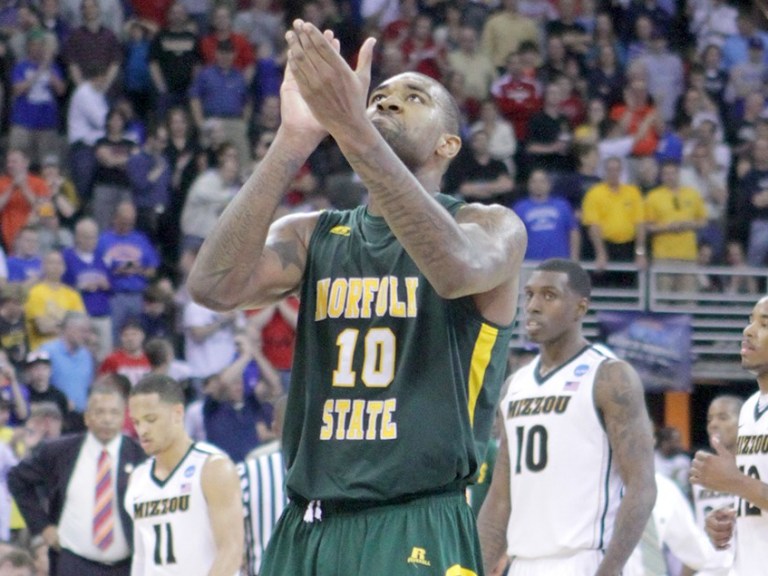
Kyle O Quinn

Kyle O’Quinn, the former NBA center and Norfolk State University (NSU) legend, has officially retired from professional basketball and is returning to his alma mater in a new role. O’Quinn will join the NSU men’s basketball program, bringing his wealth of experience back to the institution where his journey to basketball stardom began .

A Storied Career Comes Full Circle

O’Quinn’s basketball journey is a testament to perseverance and talent. After a standout senior season at NSU, where he averaged 15.9 points and 10.3 rebounds per game, he led the Spartans to a historic upset over No. 2 seed Missouri in the 2012 NCAA Tournament . This performance catapulted him into the national spotlight and led to his selection by the Orlando Magic in the second round of the 2012 NBA Draft.

Over an eight-year NBA career, O’Quinn played for the Magic, New York Knicks, Indiana Pacers, and Philadelphia 76ers, known for his defensive prowess and leadership on and off the court. He later extended his professional career overseas, signing with Fenerbahce Beko in Turkey’s top basketball league in 2021.

Returning to His Roots

Now, O’Quinn is set to give back to the community that shaped him. His new role at NSU signifies a commitment to mentoring young athletes and contributing to the growth of the university’s basketball program. This move is particularly significant for HBCUs, highlighting the importance of alumni engagement in fostering athletic and academic excellence.

O’Quinn’s return is more than a homecoming; it’s a full-circle moment that underscores the impact of HBCUs in nurturing talent that excels on global stages. His presence at NSU is expected to inspire current and future students, demonstrating the possibilities that stem from dedication and community support.

As O’Quinn transitions from player to mentor, his journey continues to resonate, embodying the spirit of resilience and the enduring bond between an athlete and his alma mater.

From The Yard to the Governor’s Mansion: Why Kamala Harris Should Run for Governor of California

75

In this moment of political uncertainty and rising kleptocracy, we need bold, visionary leadership at the state level—and no one is better positioned than Vice President Kamala Harris to step into that space. As a daughter of Oakland, a Howard University graduate, and a proud member of Alpha Kappa Alpha Sorority, Inc., Vice-President Harris embodies the legacy of Black excellence, resilience, and principled leadership. And now, she has a chance to make history again—as the first Black woman Governor of California. And that kind of history hits differently when you’re a graduate of Howard University and a proud member of Alpha Kappa Alpha Sorority, Incorporated.

For HBCU students and alumni, Vice-President Harris is more than a politician—she’s a reflection of what’s possible. She represents the brilliance cultivated on The Yard, the power of Black sisterhood, and the excellence that flows from institutions too often overlooked by the mainstream. Her presence in the White House was a moment. Her leadership from Sacramento could be a movement.

Let’s not forget: California is the fifth-largest economy in the world, trailing only the U.S., China, Japan, and Germany. It’s not just a state—it’s a global superpower. Silicon Valley alone is shaping the future of everything from AI and biotech to green energy and digital finance. It’s rapidly becoming a West Coast bookend to Wall Street—less traditional but no less powerful. If you want to lead where the future is being built, California is the place to be. And we need someone in the Governor’s office who understands both the responsibility and opportunity that comes with that.

And Vice-President Harris has the receipts. As San Francisco’s District Attorney, she launched programs that HBCU students studying criminal justice or public policy would be proud of: an innovative reentry initiative that focused on education and employment over incarceration, and a refusal to seek the death penalty even in high-profile cases—standing firmly on principle when it wasn’t politically convenient. She understood then—as she does now—that public safety doesn’t have to come at the expense of justice or humanity.

15988765 Kamala Harris Ap

She brought that same sharpness to the U.S. Senate. Who could forget her precise, unshakable questioning during confirmation hearings? Whether it was Jeff Sessions stammering through answers or Brett Kavanaugh visibly uncomfortable, she reminded the nation what accountability looks like when wielded by someone who knows the law and respects the people. She wasn’t grandstanding—she was governing in real time.

But beyond the politics, this matters for the culture. Young Black girls in Compton, in the Bronx, in rural Mississippi—girls who are flipping through history books and wondering where they fit—deserve to see themselves not just as assistants to power, but as power itself. They deserve to see Black women occupying offices once reserved for white men. They deserve to see what leadership looks like when it has rhythm, reason, and righteous roots.

Kamala’s journey from Howard to the White House—and potentially to the Governor’s mansion—isn’t just about her. It’s about us. It’s about what we say is possible for our community. And it’s about the pipeline of powerful, brilliant Black women coming behind her.

And we can’t talk about California’s promise without lifting up institutions like Charles R. Drew University of Medicine and Science—a proudly designated HBCU training the next generation of Black and Brown doctors and health professionals. Located in the heart of South Los Angeles, Drew has been a quiet giant in the fight against health disparities, especially when it comes to Black maternal and child health. We know the numbers—Black women are three to four times more likely to die from pregnancy-related complications than white women. It’s not genetics—it’s racism, neglect, and a system that was never built for us. Institutions like Drew are not just teaching medicine—they are teaching justice. They are anchoring care in communities that have been overlooked, and they are shaping a new generation of physicians who see our people, who hear us, who believe us. Vice-President Harris knows this. She has spoken passionately about these disparities—and as Governor, she could deepen investment in schools like Drew, and in the lives of the mothers, babies, and families who deserve to thrive.

Running for Governor wouldn’t close the door to the White House. If anything, it adds to her résumé and builds a legacy of executive leadership. It gives her the space to lead boldly and visibly, on her own terms.

And to my HBCU family and Divine Nine siblings—this is our moment, too. Let’s not wait on permission to move. Let’s get ready to raise money and raise our voices. Let’s prepare to knock doors, staff phone banks, show up in barbershops and beauty salons, in churches and mosques, at community centers and campuses across the state. We know how to mobilize. We know how to organize. And if VP Harris steps into this race, we need to surround her with the full power of our institutions, our legacy, and our love. Because when one of us rises, we all rise.

So yes, Madam Vice President—we see you. And if California is calling, I hope you answer.

Because HBCU excellence belongs everywhere—including the highest office in the Golden State.

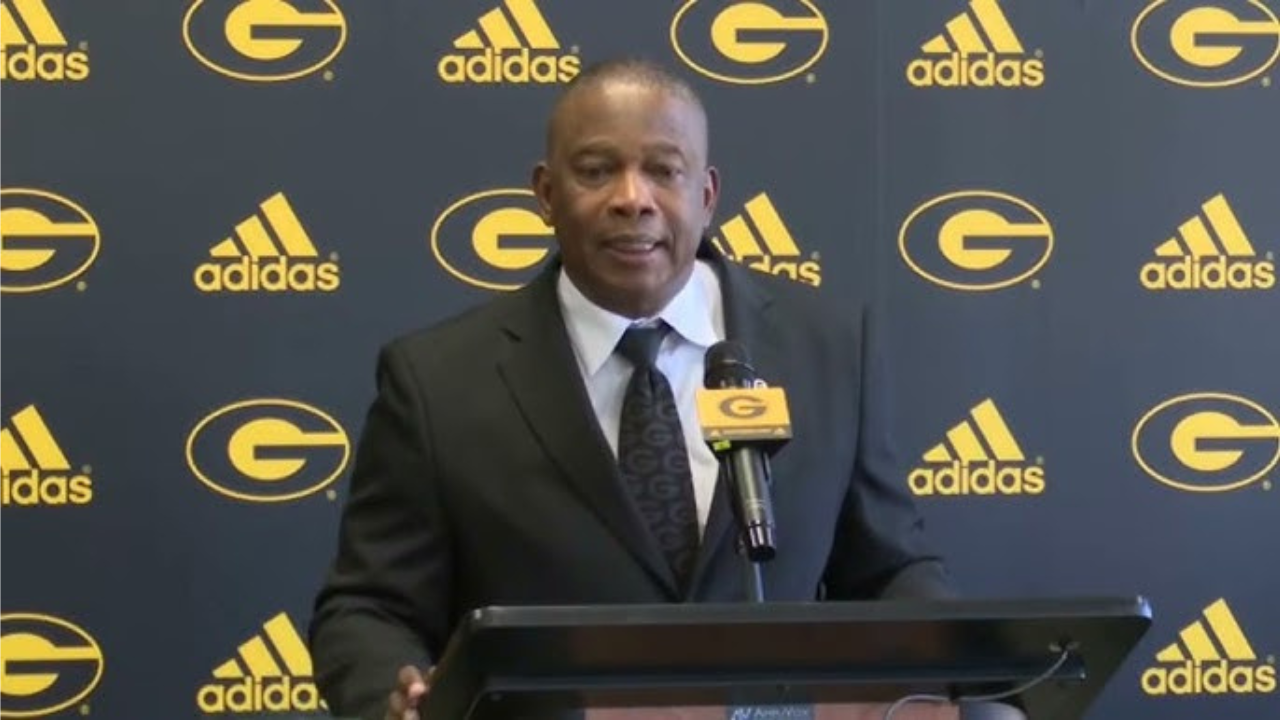
Grambling State’s Mickey Joseph Proposes Transfer Portal ‘Buyout’ System to Support HBCUs

In a strategic move aimed at protecting HBCU athletic programs, Grambling State University‘s head football coach, Mickey Joseph, has proposed the creation of a ‘buyout’ system for players recruited through the NCAA’s transfer portal. This proposal is designed to help smaller schools like Grambling State retain their talent while combating the financial advantages that larger programs often possess.

Challenges for HBCUs in the Transfer Portal Era

The transfer portal has become a significant factor in college athletics, giving athletes more freedom to move between schools. While this system benefits many players, it has put HBCUs at a disadvantage, as larger institutions often poach talented athletes by offering more resources. Coach Joseph’s proposed ‘buyout’ system is an attempt to level the playing field by introducing a financial disincentive for large schools to recruit from HBCUs.

Joseph’s idea would involve creating a financial penalty for programs that attempt to recruit players from smaller schools like Grambling State, which may not have the same budget or resources to compete with top-tier universities.

Mickey Josephe Grambling

Coach Mickey Joseph’s Vision for Grambling State

Mickey Joseph was appointed head coach of Grambling State’s football program in late 2023, bringing with him years of experience as an assistant coach at top universities like LSU and Nebraska. At Grambling, Joseph is focused on revitalizing the football program, restoring its historical prominence, and creating a winning culture.

“We are here to restore order, bring excitement back to the Grambling State fanbase, and build a championship program,” Joseph said.

The Impact of the Proposed ‘Buyout’ System

The transfer portal has revolutionized the way college athletes switch schools, but it has created a financial imbalance. Larger programs, with their deep financial resources, can easily lure talented players from smaller schools, leaving HBCUs struggling to keep their best athletes.

Joseph’s proposal for a ‘buyout’ system would introduce a financial mechanism to discourage these powerhouses from poaching athletes. The idea is that, if adopted, this system would not only protect HBCUs from losing players but also help them maintain competitive teams.

A New Era for College Athletics?

The conversation sparked by Coach Joseph’s proposal could represent a significant shift in how collegiate athletics handle the transfer portal. While the NCAA continues to evaluate the transfer system, Joseph’s suggestion is a clear call for fairness in recruitment. If implemented, a ‘buyout’ system could bring long-overdue balance to the playing field for HBCUs.

As the discussions continue, many in the college sports world will be watching to see if such a system gains traction and how it could impact the future of HBCU athletics.

Norfolk State’s Brian Moore Jr. Honored with Prestigious Lou Henson Award​

In a remarkable achievement for both the player and his institution, Norfolk State University guard Brian Moore Jr. has been named the recipient of the esteemed Lou Henson Award by CollegeInsider.com. This accolade is presented annually to the top mid-major player in college basketball, underscoring Moore’s exceptional performance during the 2024-2025 season. ​

A Season to Remember

Transferring from Murray State, Moore made an immediate impact in his inaugural season with the Spartans. The Harlem, New York native showcased his versatility and skill by averaging

  • 18.1 points per game​
  • 3.7 rebounds per game​
  • 3.0 assists per game
  • Shooting 54.5% from the field​
  • 39.4% from three-point range​

Notably, he was the only guard in the nation to average at least 18.0 points per game while maintaining a field goal percentage above 54.0%, highlighting his efficiency and offensive prowess. ​

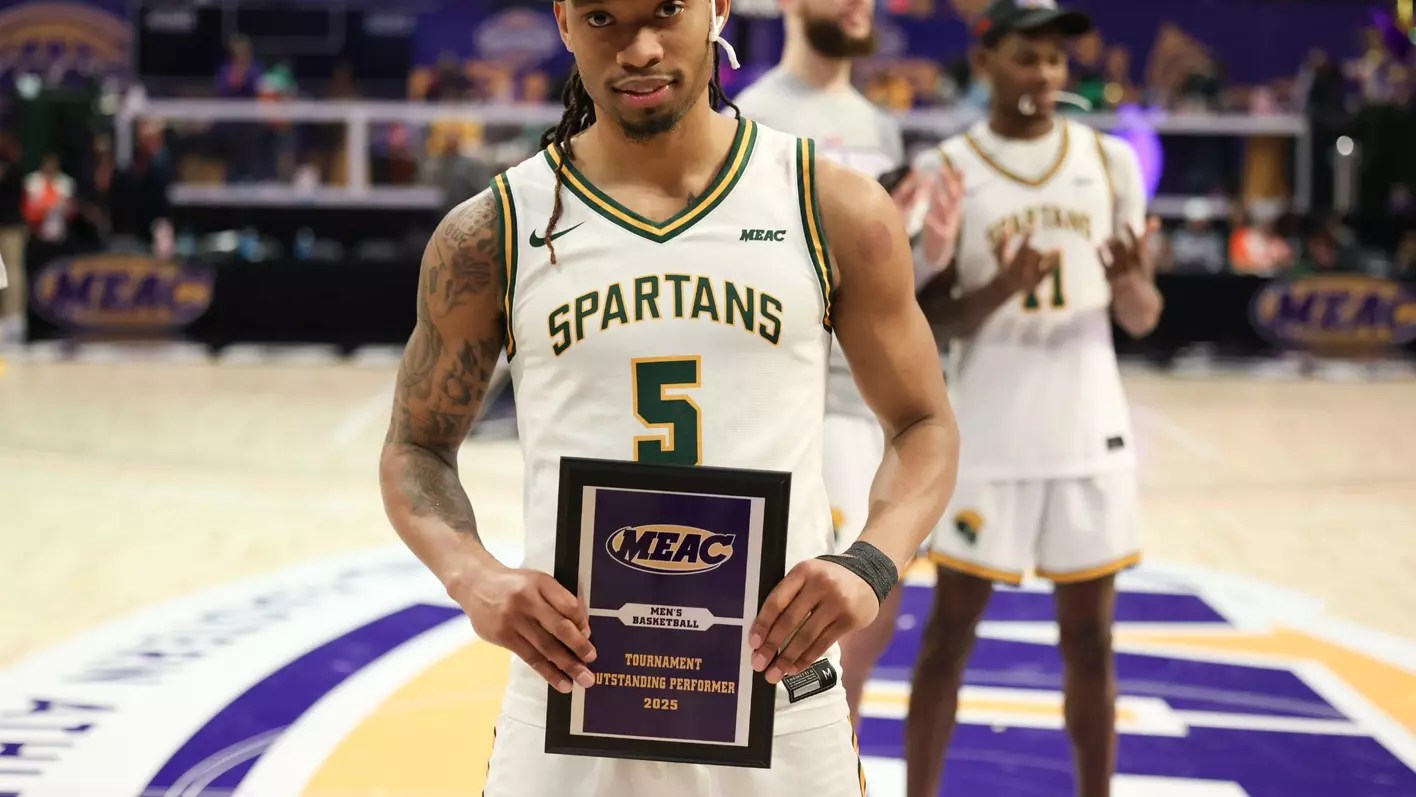
Crop 1

Leading the Spartans to Glory

Moore’s stellar play was instrumental in guiding Norfolk State to their fourth Mid-Eastern Athletic Conference (MEAC) Tournament title. His outstanding contributions during the tournament earned him the MEAC Tournament Most Outstanding Player Award, further cementing his legacy in the program’s history.

Joining Elite Company

With this honor, Moore becomes only the second player from Norfolk State to receive the Lou Henson Award, following in the footsteps of Kyle O’Quinn, who was recognized in 2012. This distinction places Moore among the elite players in the program’s storied history and highlights the continued excellence of Norfolk State’s basketball program. ​

Looking Ahead

As Moore continues to build on this season’s success, the future looks promising for the talented guard. His dedication, skill, and leadership have not only brought individual accolades but have also elevated the Spartans on the national stage. Fans and analysts alike will be keen to see how Moore’s journey unfolds in the coming seasons.​

Bowie State University to Host Historic HBCU Prison Education Summit

Z2353BUDYJGMTKHGOTATIS63NYjpg

Bowie State University is set to make history by hosting the first-ever HBCU Prison Education Summit, bringing together higher education leaders, criminal justice experts, and community advocates to discuss expanding educational opportunities for incarcerated individuals. The summit, scheduled for this weekend, is expected to host over 200 attendees, including representatives from Historically Black Colleges and Universities (HBCUs), corrections officials, and nonprofit organizations.

A Groundbreaking Initiative

The HBCU Prison Education Summit aims to address the critical need for accessible education within the prison system, particularly for Black and marginalized communities disproportionately affected by incarceration. By leveraging the rich academic and cultural resources of HBCUs, the event seeks to develop strategies for strengthening prison education programs and fostering successful reentry pathways for formerly incarcerated individuals.

“Providing education to incarcerated individuals is more than just rehabilitation—it’s a civil rights issue,” said Dr. Aminta Breaux, President of Bowie State University. “HBCUs have a long-standing tradition of serving underrepresented communities, and this summit underscores our commitment to creating meaningful change.”

HBCUs Leading the Charge

HBCUs have increasingly played a pivotal role in advancing prison education. Institutions such as Howard University, Morehouse College, and North Carolina Central University have established programs that offer college courses and degree opportunities to incarcerated individuals. This summit will serve as a platform to share best practices, discuss challenges, and explore potential policy changes that could enhance prison education initiatives.

According to the Vera Institute of Justice, incarcerated individuals who participate in educational programs are 43% less likely to return to prison compared to those who do not. Studies have also shown that postsecondary education reduces recidivism rates and increases employment opportunities, making it a crucial tool in breaking the cycle of incarceration.

A Call for Action

The summit will feature panel discussions, workshops, and keynote speakers who will provide insights into policy reform, funding opportunities, and the role of HBCUs in the broader prison education movement. Key topics will include restorative justice, workforce development, and technology-driven learning solutions for incarcerated students.

For more information on the HBCU Prison Education Summit, visit WBAL.

With Bowie State University leading this charge, the summit is expected to ignite a national conversation on the transformative power of education behind bars and the vital role that HBCUs play in shaping a more just and equitable society.