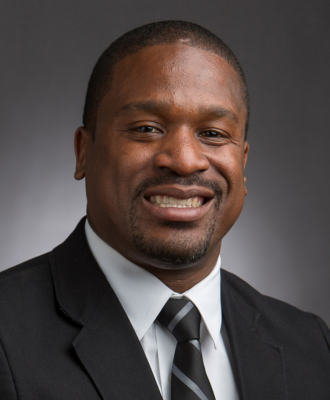
Elizabeth City State University has officially hired Adrian Jones as its new head football coach. With a wealth of experience in collegiate athletics, Jones is poised to lead the Vikings to new achievements on and off the field.
“We are thrilled to welcome Coach Jones to Elizabeth City State University,” said James M. DuBose Jr., ECSU Athletics Director. “He embodies the values and vision we strive for in our athletics program. We are confident that Coach Jones will elevate our football team to new heights and inspire our student-athletes both on and off the field.”
Jones joins ECSU after a stint as head coach at Shaw University, where he led the team to multiple winning seasons and saw 49 players earn All-CIAA Conference honors. Before that, he made a significant impact at North Carolina Central University, where he coached from 2003 to 2007 and again from 2014 to 2016. While at NCCU, Jones secured three conference championships and won a Black College National Championship in 2006.
“Elizabeth City State University has a proud history and a passionate community. I look forward to partnering with our ECSU family and our student-athletes to build a program that reflects excellence, discipline, and a commitment to success both on the field and in the classroom,” said Coach Jones.
A Durham, North Carolina native, Jones graduated from NCCU with a bachelor’s degree in recreational therapy and a master’s in school administration. He was also an accomplished student-athlete, recognized as an All-Conference Defensive Back and achieving several accolades, including Division II All-American status in 1996.
Jones is married to Dr. Kamala Uzzell-Jones, and they have a daughter, Jayla.
The Dillard University Board of Trustees announced that Dr. Monique Guillory has been appointed the permanent president of the institution, effective immediately. This decision follows the resignation of her predecessor, Dr. Rochelle Ford, who resigned in July to focus on personal health and family matters.
Dr. Guillory, who previously served as the university provost, was appointed interim president earlier this year after Dr. Ford’s departure. Citing her extensive experience and established leadership during her interim tenure, the Board conducted a rigorous vetting process reaffirming her qualifications as the most suitable candidate to lead the university forward.
“Dr. Guillory, a native New Orleanian with over 30 years of administrative experience in higher education, emerged as a strong candidate due to her exceptional qualifications, and demonstrated leadership while serving in the interim role,” said Michael D. Jones, Board Chair, in a statement.
The selection process involved consultations with various stakeholders, including faculty, staff, students, and alumni. Experts from Isaacson Miller, a national executive search firm, were engaged to provide additional insights and conduct a background check on Dr. Guillory.
In her acceptance message to the Dillard community, Dr. Guillory expressed gratitude for her support and emphasized her commitment to tackling the challenges facing higher education today. “The challenges we face—shifting enrollment trends, financial constraints, and the questionable future of higher education nationwide—demand more than resilience, but also bravery and boldness,” she stated.
Dr. Guillory is set to outline her vision for the university’s future at a town hall meeting scheduled for Jan. 28, 2024, where she will discuss institutional priorities and plans for the new year.
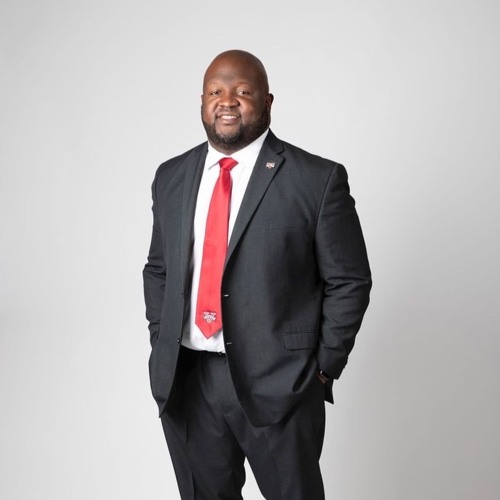
Prairie View A&M University has officially appointed Tremaine Jackson as the head football coach for the Panthers, effective Jan. 1, 2025. With an impressive track record and recent accolades—including being named the AFCA Division II National Coach of the Year—Jackson brings a wealth of experience and passion for the game to PVAMU.
“I am grateful for the opportunity to serve as the next head coach at Prairie View,” Jackson stated. “In our program, we strive to build champions, both on and off the field, and that’s something I truly believe can be accomplished…. I’m excited to come home and have our team be an active part of the community.”
Before he arrived at Prairie View, Jackson led Valdosta State University’s football program from 2022 to 2024. AT VSU, he compiled an overall record of 30-9. Under his guidance, the Blazers also achieved an undefeated regular season in 2024 and made a run for the NCAA Division II National Championship. Additionally, in 2023, Jackson became the first Black head coach in Gulf South Conference history to win a championship, demonstrating his coaching prowess and ability to break barriers.
“Coach Tremaine Jackson is a natural fit for Prairie View and for what we want to see our program become.,” said PVAMU Athletic Director Anton Goff. “We expect excellence, and we’re very confident that Coach Jackson will deliver.”
Jackson’s Coaching Background
Jackson’s coaching resume includes stints as head coach at Colorado Mesa University and Texas Southern University, where he helped lead the Bobcats to a 2010 SWAC title. His early coaching career began at Texas A&M University-Kingsville. He also coached at the University of Sioux Falls, Texas Southern University, Trinity Valley Community College, and Evangel University.
A former student-athlete, Jackson played defensive lineman at Texas Southern after transferring from the University of Louisiana-Monroe. He graduated from the University of Houston with a bachelor’s degree in interdisciplinary studies in 2006.
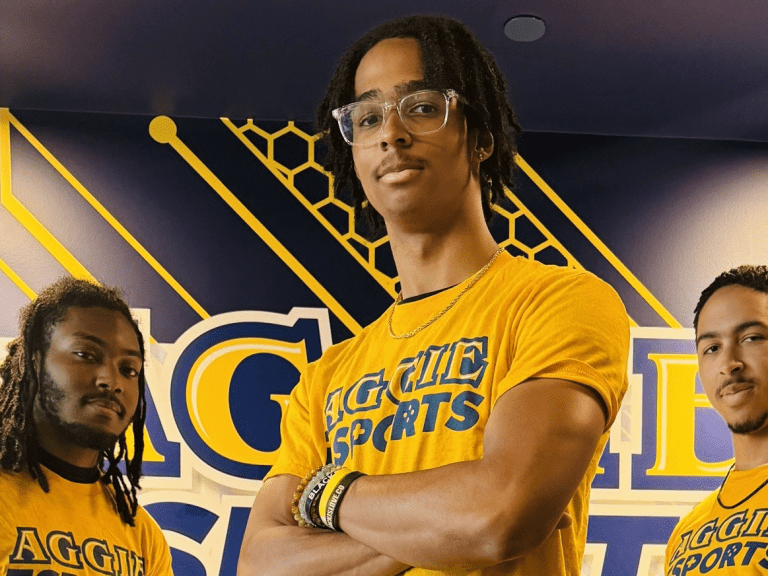
In a remarkable debut for North Carolina Agricultural and Technical State University’s esports program, the Aggie Esports Rocket League team has secured its first national title, finishing the season with a perfect 9-0 record. The team triumphed over the University of Jamestown with a 4-3 victory in the National Association of Collegiate Esports finals.
Under the leadership of junior computer engineering major Luke Johnson, the team has quickly established itself as a formidable presence in collegiate esports. Alongside teammates Andre Perkins, a mechanical engineering junior, and Everett-Alan Hood, a senior computer science major, the crew demonstrated exceptional strategic gameplay and teamwork throughout the season.
“We became stronger as a team and stronger friends as well, and by the end, we knew that we had the capabilities to clear the undefeated season and that’s what we went out and did,” Perkins told Charity L. Cohen in an interview after the championship match.
The chemistry and collaborative spirit among the team members have not only propelled them to victory but also garnered a following at N.C. A&T. Students flocked to the esports lab for a watch party, showcasing the growing interest in competitive gaming on campus.
I didn’t know until after the game I had so many of my friends, my aunts were watching, my uncles were watching, my sister was,” Hood told Cohen. “I didn’t think anybody really cared about the game that didn’t play it. But I realized we had so much support, and that made me really happy.”
Keeping the Momentum Going
Esports at N.C. A&T is becoming an interdisciplinary avocation, with enthusiastic local and campus support contributing to the team’s success. Dwayne Meekins, the esports coordinator, emphasized the importance of competitiveness within the program. “In everything that we do, I want us to compete. I don’t think winning everything all the time is a reasonable expectation, but I do think it’s fair to expect us to be competitive,” he told Cohen.
Even before the establishment of the esports program, N.C. A&T had seen success in the field, boasting alumni such as DaSean Wade Neclos, Jr., a two-time reigning Madden NFL champion, and Isaiah McPhatter, who serves as a professional gamer and coach for the Aggie Esports’ Call of Duty and NBA 2K leagues.
Looking to the future, Johnson, Perkins, and Hood are optimistic about the continued growth of Aggie Esports. “It bolsters the Aggie Pride within each of us, knowing that the championship we won won’t be the last – not only for this team but for other teams that are competing in the same nature,” Perkins told Cohen.
As the program builds on this monumental achievement, the Aggie Esports community looks forward to more victories and expanded opportunities for aspiring gamers at North Carolina A&T.
The information presented in this article was sourced from Aggie Newsroom.
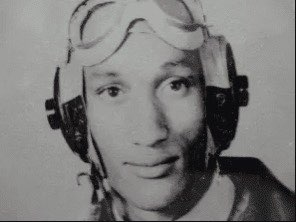
On Dec. 19, 2024, Jerry T. Hodges Jr., a revered Tuskegee Airman and civil rights pioneer, passed away at the age of 99. As the last surviving Tuskegee Airman from Arkansas, Hodges leaves a profound legacy that extends far beyond his years in aviation.
Born on June 29, 1925, in Memphis, Tennessee, and raised in the Arkansas Delta, the challenges of segregation marked Hodges’ early years. In 1943, he graduated as valedictorian from Robert R. Moton High School in Marianna. His passion for aviation soon led him to leave Hampton Institute (now Hampton University) to enlist in the Army Air Corps during World War II.
Hodges completed his rigorous training at the historic Tuskegee Army Air Field in 1945 and served at Lockbourne Air Base in Ohio. Though he did not see combat, he was part of the distinguished 477th Bombardment Group, representing a pivotal moment in U.S. military history. Approximately 992 pilots graduated from the Tuskegee program, and their collective efforts played an essential role in dismantling racial barriers within the armed forces.
Hodges’ Legacy Beyond The Air
After his military service, Hodges earned a degree in accounting and finance from the University of Southern California in 1950. He became one of the first licensed African-American CPAs in Los Angeles. He successfully established his own accounting firm and served as vice president of one of California’s pioneering African-American-owned insurance companies.
Hodges was more than just a successful businessman who also devoted much of his life to civic engagement. He co-founded the Los Angeles Branch of the David Rockefeller Interracial Council on Business Opportunity. He served as president of the Tuskegee Airmen Scholarship Foundation, helping to create pathways for aspiring students. In 2012, in recognition of his tireless work, Hodges was inducted into the Arkansas Black Hall of Fame.
Jerry T. Hodges Jr. is survived by his wife, Lillian Reed Hodges, and their two daughters. His enduring spirit and commitment to excellence will continue to inspire future generations to pursue equity and justice.
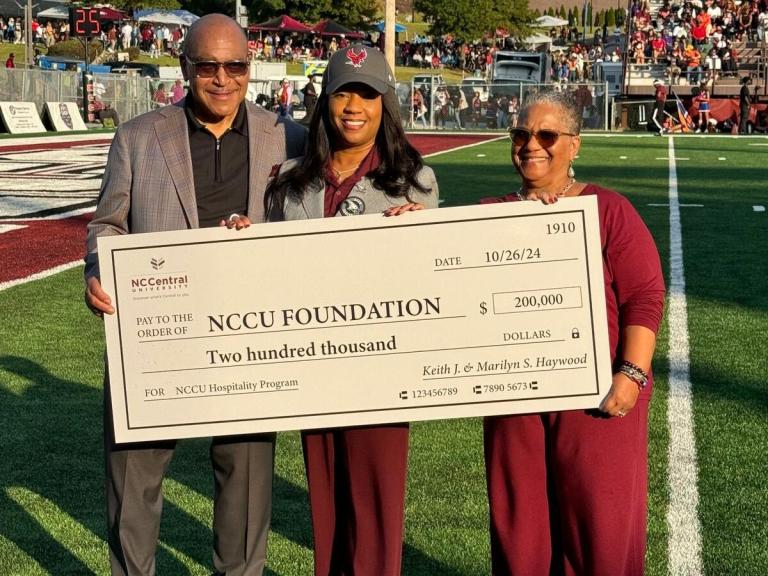
North Carolina Central University is celebrating a significant boost to its School of Business, thanks to a generous $200,000 donation from alumni Keith Haywood and Dr. Marilyn Sutton-Haywood. This substantial contribution will enhance the university’s Hospitality and Tourism Administration program. To honor the Haywoods’ contribution, NCCU is naming the School of Business dining room the Keith J. and Dr. Marilyn Sutton-Haywood Dining Room.
The funds provided by the Haywoods will support academic excellence and practical training opportunities for students entering the competitive field of hospitality management. This initiative is in line with NCCU’s mission to provide transformative educational experiences that equip students with crucial industry-relevant skills.
The Haywoods & NCCU
Keith Haywood, a graduate of the class of 1977, has built a formidable career in food service management as the president and owner of FDY Inc. His extensive experience includes collaborations with major corporations such as Marriott Management and Sodexo Management, where he pioneered innovative ventures across the Midwest, Mid-Atlantic, and Southeast.
Dr. Marilyn Sutton-Haywood, who graduated in 1975, has dedicated over four decades to higher education. She has taken on prominent academic and administrative roles at institutions like Kennesaw State University, Bethune Cookman University, Johnson C. Smith University, and Shaw University.
Both Keith and Marilyn have remained deeply connected to NCCU throughout their careers. They continue to serve as active members of the NCCU Alumni Association Inc.
“Our family is truly blessed and proud to support aspiring students and faculty scholars at North Carolina Central University,” said the Haywoods. “We hope to inspire students to become leaders and entrepreneurs in the fast-growing hospitality and tourism industry.”
This remarkable gift underscores the Haywoods’ steadfast dedication to advancing higher education. It also highlights the vital role NCCU plays in shaping future professionals.
Alabama A&M University is gearing up to revolutionize its entrepreneurial ecosystem with its upcoming Venture Hub, a $1.5 million innovation center spanning 5,800 square feet. Set to be located at 4701 Meridian Street in North Huntsville, this modern facility is designed to foster creativity and empower students, alumni, and community members to thrive in Science, Technology, Engineering, and Mathematics.
Dr. Lyndell J. Parris, director of innovation and entrepreneurship at AAMU, emphasizes the Venture Hub’s transformative potential, stating, “The Venture Hub is more than just a building – it’s a launchpad for big ideas and entrepreneurial dreams. This space has been thoughtfully designed to equip aspiring entrepreneurs with the tools, mentorship, and resources they need to succeed. Our goal is to ignite innovation, foster collaboration, and position Alabama A&M as a leader in driving economic growth through entrepreneurship.”
What To Expect?
While primarily focused on STEM fields, the Venture Hub’s mission is expansive. It embraces all forms of entrepreneurial creativity, including business, technology, arts, and social impact ventures. The Hub will connect academic innovation with practical application and nurture diverse entrepreneurial initiatives through workshops, networking events, and collaborations with industry leaders.
The Venture Hub will include collaborative workstations and private meeting rooms for planning and professional networking. It will also offer a state-of-the-art prototyping lab for developing and testing innovative concepts.
The Venture Hub is particularly committed to supporting underrepresented entrepreneurs. It offers hands-on learning experiences, accelerator programs, and direct mentorship from STEM professionals. Key programs like the Launch Lab, STEMpreneur Accelerator, and Juggernaut Week will give participants essential skills and insights to turn their visions into successful ventures.
The Hub also aims to stimulate economic growth. “By fostering partnerships with local businesses, industry leaders, and investors, the Hub will enable participants to scale their ventures while addressing workforce gaps and supporting small businesses,” Dr. Parris explained.
The Venture Hub’s projected outcomes include an anticipated 25-30% increase in minority-led STEM startups over the next ten years, a significant reduction in unemployment rates within underserved communities, and the development of a highly skilled workforce prepared to meet emerging challenges in STEM fields. Furthermore, innovative entrepreneurship is expected to boost Alabama’s GDP. Ultimately, these efforts hope to establish Alabama as a leader in inclusive and community-driven innovation.
As renovations progress at the Venture Hub, the facility is expected to open in the first quarter of 2025.
Tuskegee University is celebrating a generous $1.5 million donation from an anonymous donor, significantly enhancing the fundraising efforts spearheaded by Athletic Director Reginald Ruffin. This substantial contribution will support the university’s athletics department, allowing for continued improvement of experiences for student-athletes, the band, and student government initiatives.
Dr. Mark A. Brown, president and CEO of Tuskegee University, emphasized the institution’s commitment to resource its auxiliary programs effectively. “Tuskegee University is committed to growing and properly resourcing all of our auxiliaries. This includes a fully funded athletic program, a dynamic band and well resourced cheerleading squad. All of them represent #theTuskegeeWay and this donation further supports those,” he remarked.
Boosting Progress
Over the past few years, Tuskegee has made remarkable strides in upgrading its facilities and providing student-athletes with competitive opportunities. Notable improvements include installing lights on the football field and acquiring new buses with Tuskegee branding to transport athletes to their events.
Athletic Director Reginald Ruffin expressed his enthusiasm for the recent enhancements. “We have enjoyed upgrades for all of our athletic teams, and this fall celebrated lights on the football field. The lights will be added to the baseball and softball fields and will help expand our schedule within the division. This funding will help to support athletics and student success and so much more.”
Celebrating New Opportunities
Tuskegee takes pride in its commitment to create exceptional opportunities for its athletes. Recently, the university announced that its men’s basketball team will participate in the prestigious NBA HBCU Classic. They will play against Morehouse College in California during the NBA All-Star weekend. In addition, the men’s team showcased their talent in a tournament held in the Virgin Islands, further elevating their competitive experience.
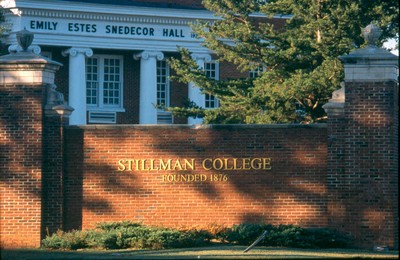
In a significant boost to its endowment, Stillman College has announced a groundbreaking $2 million contribution from Dr. Charles M. Stillman, the great-grandson of the institution’s founder, Reverend Charles Allen Stillman. This generous donation is a pivotal step in the college’s journey to secure its future and uphold its commitment to educational excellence for many years ahead.
The gift was announced during the annual Alabama Power Community Giving Reception. By donating to the endowment, Dr. Stillman and his wife, Susan, are strengthening Stillman College’s financial backbone and ensuring it can continue to provide vital resources for its students.
Honoring Stillman’s Founder While Supporting The Institution
“This remarkable gift from Dr. Charles M. Stillman and his wife not only honors the legacy of Rev. Charles A. Stillman but also propels the college toward a stronger and more sustainable future. As part of the funds raised during the Alabama Power Community Giving Reception, it reflects the collective commitment of individuals and organizations who believe in our mission to transform lives through education,” said Kimberly Woodard, vice president of institutional advancement.
Expressing her appreciation, Dr. Yolanda W. Page, president of Stillman College, highlighted the importance of this gift in the context of the enduring relationship between the college and the Stillman family. Founded in 1876 when Dr. Stillman was the lead pastor at First Presbyterian Church of Tuscaloosa, the college has thrived on values rooted in service and education.
“We are deeply honored by this extraordinary demonstration of faith in Stillman College’s mission. Dr. Charles M. Stillman’s legacy is not only one of familial ties but also of visionary leadership and unwavering commitment to the values upon which this institution was founded. This generous gift is a testament to the enduring legacy of the Stillman family and its belief in the power of education to transform lives,” Page said.
Securing Stillman’s Future
Stillman will strategically allocate the newly pledged funds to maintain the principal amount while producing sustainable returns to benefit scholarships, faculty development, academic programs, and campus improvements. This endowment growth is essential for maintaining Stillman College’s competitive edge and expanding its students’ educational and professional growth opportunities.
Dr. Charles M. Stillman shared his excitement about contributing to the college’s mission, stating, “Stillman College represents the ideals and aspirations my great-grandfather envisioned when he founded this institution nearly 150 years ago. My wife and I are honored to play a role in securing its future and ensuring that generations of students continue to benefit from the transformative power of a Stillman education.”
This historic contribution highlights the strong bond between the Stillman family and the college that honors their name. A resident of Seattle, Washington, Dr. Charles M. Stillman has previously served on the Stillman College Board of Trustees and was chairman for two terms.
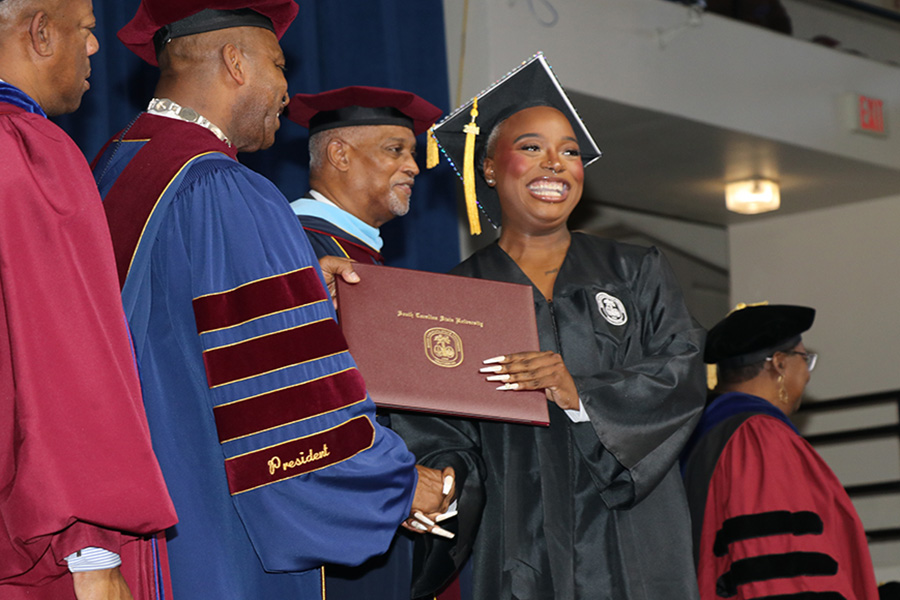
Embodying tenacity and ambition, Inara Brady has proven that age is no barrier to achievement. On Dec. 12, at just 19 years, 10 months, and 4 days old, this remarkable young woman graduated from South Carolina State University with a bachelor’s degree in psychology.
Brady’s journey to graduation is a testament to her unwavering commitment to education and personal growth. From an early age, learning was a priority in her family, which allowed her to skip first grade after kindergarten due to her advanced abilities.
Her path continued to blossom at Midland Valley High School, where she participated in a dual enrollment program, allowing her to earn an associate degree from Aiken Technical College while completing her high school diploma. Balancing academics with athletics, Brady excelled as a three-sport athlete, participating in volleyball, basketball, and track and field.
Transitioning to SC State, she bypassed the usual freshman year and entered as a junior at 17. Despite the challenges of adapting to college life, Brady maintained her busy schedule, becoming a key member of the Bulldog volleyball team for two seasons. “There’s no school comparable to SC State,” she said.
Brady’s time at SC State not only sharpened her intellectual acumen but also connected her with invaluable mentors who will guide her in her professional journey. “The mentors I’ve found over the past 2 ½ years are people I will continue to rely on during my professional life. There is just so much opportunity to build a family within SC State.”
Inara Brady accepts her psychology degree from SC State President Alexander Conyers.
Next for Inara Brady
Brady plans to pursue a master’s degree in clinical counseling, focusing on addiction and recovery. Her journey is not just for herself; it’s also to pave the way for her six-month-old daughter, Arani. “I honestly just want her to know that anything is possible, no matter what you go through,” Brady said. “No matter what hurdles come up, you are able to do anything you put your mind to. There is truly nothing that can’t be accomplished with hard work and dedication.”
Brady attributes much of her success to her mother’s unwavering support and encouragement throughout her life. “My mom made sure I had every opportunity to succeed,” she stated. “I just want her to know that Black girls graduate. Little Black girls turn into big Black graduates. We are able to achieve what people don’t think we are capable of.”
As she prepares for graduate school and embraces motherhood, Brady acknowledges the challenges ahead, but she approaches them with the same enthusiasm that defined her undergraduate experience. “It’s hard to juggle sometimes, but what adult’s life doesn’t get hard to juggle sometimes?” she said. “I don’t want my path to be an easy road. I want to say that I overcame. I want to say that I conquered things.”
Brady proves that determination and dedication can lead to remarkable achievements, regardless of age.
Black Star is elevating soccer within Black American communities, seamlessly blending sport, lifestyle, and culture. Through strategic partnerships with Historically Black Colleges and Universities, they are creating pathways for Black players, celebrating their cultural heritage, and fostering opportunities for personal and athletic growth—both on and off the field.
This mission resonates deeply with the spirit of HBCUs, which champion representation, opportunity, and empowerment. Black Star’s Talent ID Camps connect high school athletes with college soccer opportunities while sharing the inspiring stories of HBCU student-athletes. Together, Black Star and HBCUs are shaping skilled athletes and nurturing future leaders.
However, Black Star is more than just soccer. It celebrates Black culture through storytelling, fashion, and community engagement, aiming to inspire the next generation to excel academically and personally.
HBCU Soccer Players Share Their Experiences
A recent initiative exemplifying Black Star’s commitment is the “Our Space to Play” series, which provides a platform for HBCU athletes to share their stories. This series recently featured a member of Alabama State University’s women’s soccer team and several players from Paul Quinn College.
Our Space to Play: Kensley Simmons, Alabama State, and Soccer
In reflecting on the intertwining of soccer and HBCU pride, Kensley Simmons, a junior at Alabama State University, shared her experience as a student-athlete. For Kensley, representing her HBCU carries profound significance. “Being able to represent an HBCU, especially one my grandparents graduated from, is something that’s very important and special to me,” says Simmons.
Since the age of three, soccer has been Kensley’s sanctuary. “It just makes me feel free and very happy like I have no worries when I’m playing soccer,” she added. Her appreciation for the sport radiates as she reflects on its transformative influence on her life and identity.
Kensley’s journey underscores the power of HBCU culture and the global connections forged through soccer. It serves as a celebration of heritage, diversity, and the nurturing environment HBCUs provide for athletes to flourish.
Our Space to Play: Paul Quinn College Builds Family and Opportunity Through Soccer
At Paul Quinn College, soccer transcends being merely a game—it embodies a familial bond. The players unite from various backgrounds around their shared love for the sport and the close-knit community of their HBCU. “Playing soccer here at Paul Quinn is like a big old family,” one student expressed. “They welcomed me as a family, not just a regular student.”
The soccer program at Paul Quinn began with a single student’s vision for a soccer team, illustrating how HBCUs empower students to transform their ideas into reality.
This journey highlights these institutions’ unique role in fostering dreams, leadership, and legacies that extend far beyond the field.
Learn More About Black Star
Are you curious about how Black Star is further cultivating Black soccer culture and creating new pathways? Visit their website to discover more about their mission and explore the events they host nationwide.
You might also be interested in subscribing to End to End—their biweekly newsletter that shares both on-field news and off-field stories celebrating the intersection of soccer and Black culture through fashion, music, art, and more. Join the movement as they spotlight emerging players, celebrate unforgettable moments, and highlight the celebrities impacting soccer’s growth. Black Star is at the forefront of championing Black soccer communities and culture—from end to end.
Alabama A&M University has secured a $63,000 Cochran Fellowship Grant from the United States Department of Agriculture, a remarkable step toward international agricultural collaboration. This funding will facilitate specialized training for veterinarians and agricultural professionals from Bosnia-Herzegovina to address critical challenges in their livestock sector.
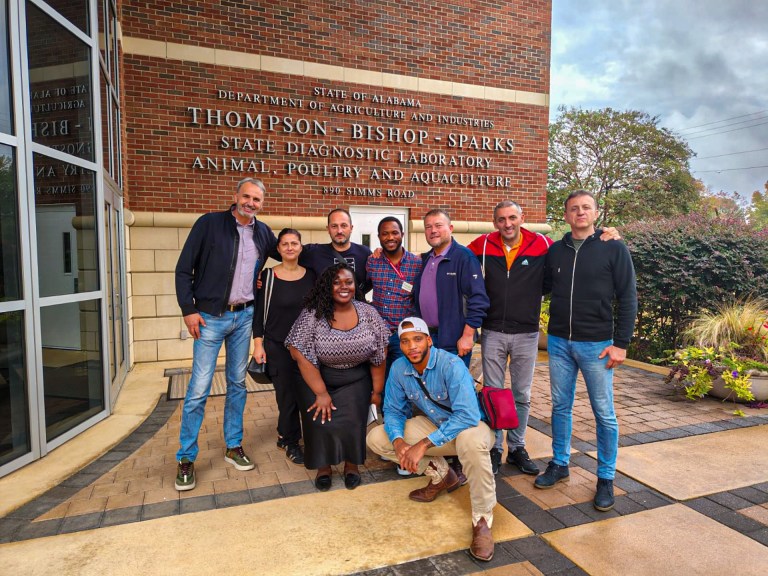
Six veterinarians from Bosnia-Herzegovina recently participated in a comprehensive two-week training program led by Felix U. Samuel, AAMU’s extension animal science specialist. The Cochran Fellowship Program aims to enhance global agricultural practices by providing short-term training opportunities to professionals from middle-income countries.
Bosnia-Herzegovina’s livestock industry faces significant hurdles, including limited access to veterinary training, outdated diagnostic tools, and gaps in implementing effective animal health practices. These issues have resulted in outbreaks of zoonotic and endemic diseases, hampering productivity and leading to trade restrictions. The training program organized by AAMU directly targets these challenges, focusing on equipping local veterinarians with the necessary skills to improve animal health management and disease control.
Key achievements from the program include:
– Enhanced knowledge and skills among participating veterinarians.
– Improved practices in animal health management.
– Strengthened veterinary services within Bosnia and Herzegovina.
– Boosted economic and public health outcomes.
– Increased potential for international.
This initiative underscores the significance of international cooperation in tackling urgent animal health issues. By empowering veterinarians with advanced expertise, AAMU contributes to the immediate betterment of animal health practices and supports long-term growth in Bosnia-Herzegovina’s veterinary and agricultural sectors. Alabama A&M University takes pride in its commitment to fostering global agricultural practices and exemplifies its dedication to mutual advancement, benefiting the U.S. and its international partners.
LaNiece Tyree, MPA, CASP, has made history by being elected as the first woman of color and the first representative from a Historically Black College and University to serve as president of the National Association of College Auxiliary Services. Tyree is the assistant vice president for auxiliary enterprises at Howard University. Her groundbreaking election occurred on Oct. 29 during the prestigious C3X Annual Conference and Expo held in Kissimmee, Florida.
In her new role, Tyree will oversee NACAS’s 12-member board, guiding critical initiatives that shape the future of auxiliary services within higher education. She aims to enhance support for professionals engaged in auxiliary services across North America.
During her acceptance speech, Tyree emphasized the significance of her achievement. “As the first woman of color and the first leader from an HBCU in this position, I’m honored to be part of this historic moment,” she said. “Right now, with Rich Steele as NACAS CEO, we are continuing the work of Dr. Wright L. Lassiter, Jr. and pushing NACAS into a future where equity, inclusion, and collaboration drive our mission.”
Tyree’s contributions to the organization were recognized at the C3X conference, where she received both the Dr. Wright L. Lassiter Jr. Legacy Award and the East Regional Mentor Award. The legacy award honors individuals who embody the vision and commitment to service exemplified by Dr. Lassiter. In contrast, the mentor award is presented to NACAS members who have demonstrated exceptional dedication to fostering engagement among new members.
With her impressive credentials and commitment to advancing equity in higher education, Tyree’s leadership is expected to inspire a new generation of professionals in the field and make significant strides toward inclusivity and collaboration.
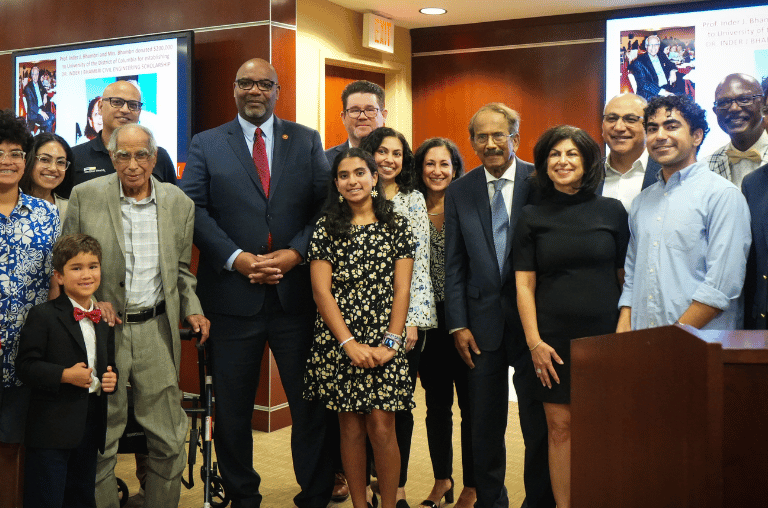
In a heartwarming act of generosity, Dr. Inder Bhambri and his wife, Prabha K. Bhambri, have significantly contributed to the University of the District of Columbia, which promises to shape the future of aspiring civil engineers. After dedicating nearly five decades to education at UDC’s predecessor, the Washington Technical Institute, Dr. Bhambri is reaffirming his commitment to student success with a $200,000 donation to the UDC Foundation.
This remarkable gift, comprising two contributions of $100,000 each, will establish the Dr. Inder J. Bhambri Civil Engineering Scholarship within the university’s School of Engineering and Applied Sciences. “Dr. Bhambri’s commitment to and belief in UDC cannot be overstated,” expressed UDC President Maurice D. Edington. After investing in our students’ success for decades, he’s back at it again. This time generously providing support so that future Firebirds can pursue their professional dreams.”
A UDC Engineering Leader
Dr. Bhambri, who obtained his doctorate in civil engineering from The Catholic University of America in 1971, has been a cornerstone of UDC’s engineering program. Throughout his 46-year career, he earned accolades as an exceptional educator and community leader, leaving an indelible mark on generations of students. Rather than stepping back after retirement, he and Prabha honored his legacy by creating opportunities for future engineers through this scholarship.
During the presentation ceremony, Prabha shared a lighthearted moment, joking that he might need to return to teaching to restore harmony at home, which highlighted their mutual respect and affection for the education field.
Dean Devdas Shetty of SEAS recognized Dr. Bhambri’s pivotal role in establishing UDC’s civil engineering laboratories during the early 1970s, underscoring his long-standing dedication to student learning and development. “Dr. Bhambri was a dedicated servant leader,” Shetty noted.
While Dr. Bhambri may no longer lead a classroom, his legacy inspires and empowers the next generation of civil engineers at UDC.
The NCAA Division I Committee on Infractions has approved a Negotiated Resolution Agreement with Hampton University, marking a significant step forward in addressing academic certification errors that affected some student-athletes. This resolution comes after a thorough investigation into unintentional mistakes made during the height of the COVID-19 pandemic.
In a move towards transparency and integrity, Hampton University chose to work collaboratively with the NCAA enforcement staff rather than enter into an adversarial process. “From the moment these violations were discovered, Hampton took this investigation seriously,” stated Hampton University President Darrell K. Williams. “I am proud of how we cooperated with the NCAA and reached a collaborative agreement. Hampton University will continue to operate with the highest ethical standards and absolute integrity.”
The investigation revealed that certain student-athletes competed while academically ineligible due to errors in the certification process. This issue was exacerbated by significant staffing changes in key leadership roles during the pandemic. As soon as new leadership was appointed and operations stabilized, Hampton identified the infractions and took immediate action to rectify them.
To fortify its academic certification procedures, Hampton University has strategically invested in additional staff and implemented comprehensive best practices to ensure compliance going forward.
“Hampton University has instituted a robust certification model to ensure compliance moving forward,” noted director of intercollegiate athletics Anthony D. Henderson, Sr. “I am also pleased that our student-athletes and programs will continue to compete at the highest level, as no postseason bans, scholarship losses, or recruiting restrictions were imposed.”
The proactive measures taken by the university reflect a strong dedication to compliance and the well-being of its athletic programs, ensuring that student-athletes can thrive both academically and athletically.
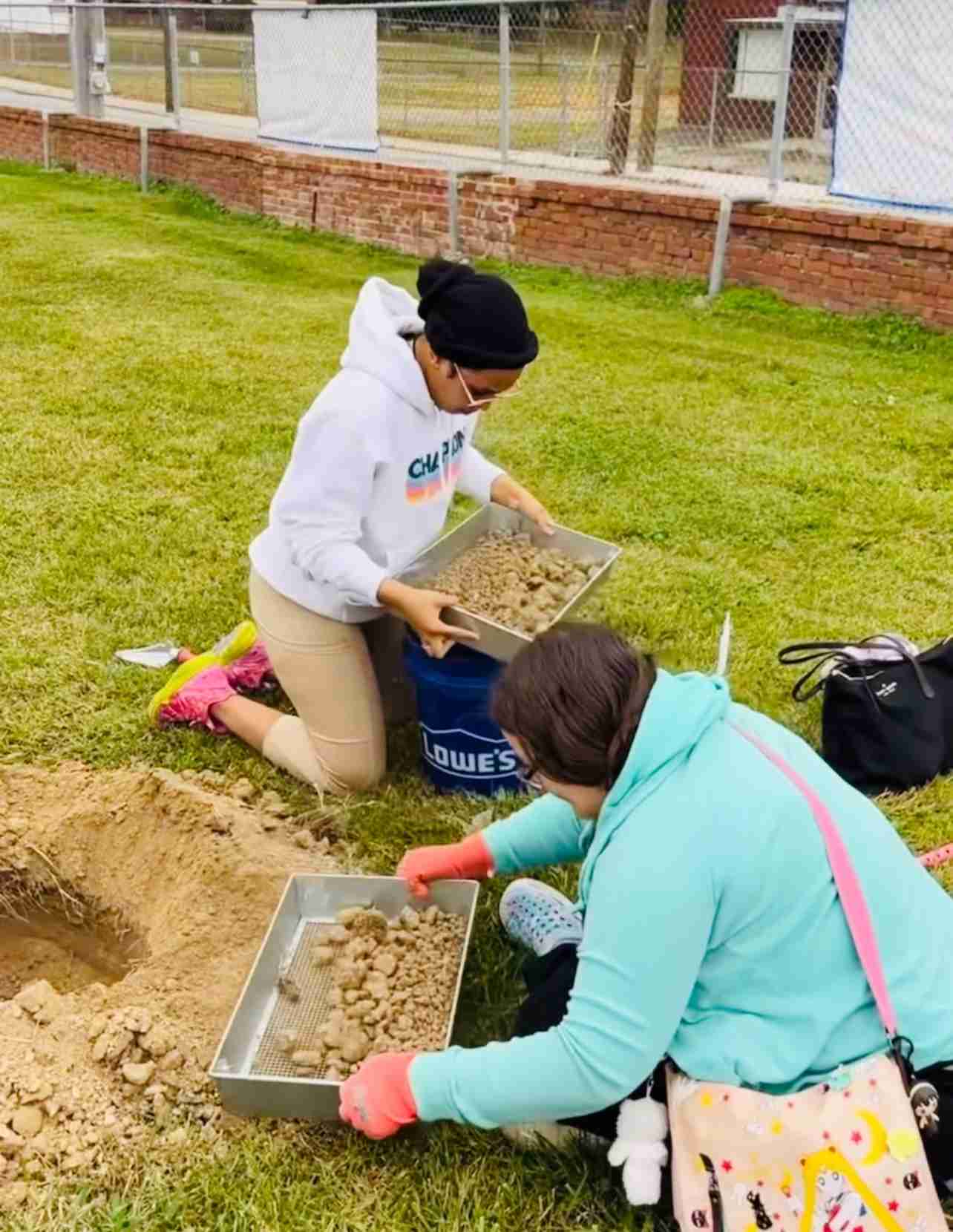
Bennett College recently celebrated its inaugural Campus Archaeology Day, an event that blended education with exploration. Students and faculty had the unique opportunity to uncover historical artifacts hidden beneath their feet. Led by Dr. Claire Heckel, an assistant professor of the Honors Program and Interdisciplinary Studies, participants embarked on a journey into the college’s rich past.
Researching Excavation Sites
The preparation for the “Our Roots Run Deep” tree-planting initiative, which involved digging 195 holes across campus, inspired the project. “The holes that were dug in preparation for the tree-planting presented an exciting opportunity for archaeological survey,” she explained.
Dr. Heckel studied archival documents and campus maps to identify promising excavation sites. The Bennett College Campus Heritage Plan created by former president David Dallas Jones guided the way. Her research pointed to several historically significant areas, particularly where previous buildings once stood.
Digging Up History
The exploration began at the southwest corner of the campus, near the Global Learning Center and Black Hall. Students uncovered fragments of salt-glazed stoneware, glass shards, and a square-cut nail that potentially dates back to the early 1900s.
Further investigations happened near Steele Hall—formerly the college dining hall and now home to the campus art gallery—yielded pottery shards and additional glass fragments. Dr. Heckel noted, “We found fragments of pottery that would be consistent with dining ware.”
One of the more intriguing finds was in an area previously occupied by Carolina Hall. The three-story building tragically burned down in 1919. Tests revealed soil with a high ash content, posing questions about the fire’s aftermath. “It’s possible that a large hole was dug following the fire to clear the remnants of Carolina Hall for new construction,” she stated.
The discoveries made during this first Campus Archaeology Day suggest the potential for future excavations, which could unearth even more about Bennett College’s 150-year legacy.