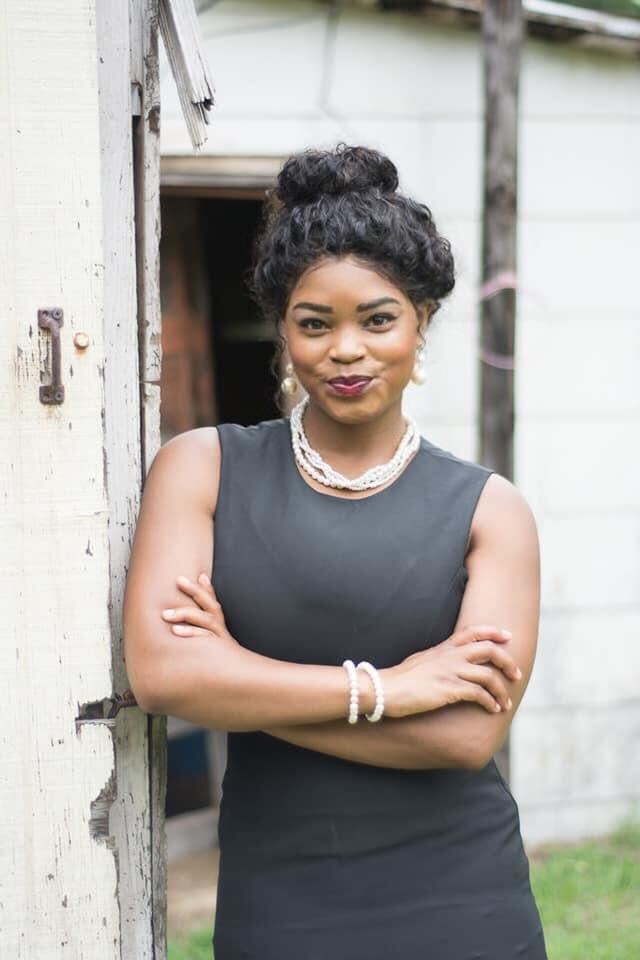
Charrise Lane, a senior at Florida A&M University, is striving to revive the College Republicans chapter at her historically Black university. Still, her efforts face a significant hurdle: finding a faculty advisor, NBC News reports. With most FAMU students registering as Democrats, Lane’s desire to create a space for conservative dialogue has left her feeling isolated.
“I believe that Black people are needed on both sides,” Lane told NBC News. Her struggle is not unique; in the past, several HBCUs hosted college Republican chapters, including Howard University, Morehouse College, and even FAMU. The National College Republican Committee maintains a presence on nearly 2,000 campuses nationwide. However, currently, no active chapters exist at any HBCUs.
Lane has contacted multiple professors for guidance, but only two have responded thus far. Those professors cited constraints that prevented them from taking on the advisory role. Despite these setbacks, she remains undeterred, meeting with like-minded classmates and attending events with Florida State University’s College Republicans.
Pro-Black and Conservative
She shared a video explaining why she is Republican with her 41,000 X followers. Like the fuel behind Lane’s commitment to revitalizing the College Republicans, she said her Christian upbringing shapes her conservative values. She advocates strong family units, anti-abortion measures, and school choice, which she believes resonate with the Republican Party’s historical tenets. However, her views have made her a target for criticism from both sides of the political spectrum.
“From Republicans, I get called a Black supremacist, and sometimes they say that I race bait, and then, from the Dems, sometimes I get called an Uncle Tom,” Lane shared. This dual criticism underscores her complicated position as a pro-Black conservative in a predominantly liberal environment.
Felicia Barnes, assistant director of student organizations at FAMU, reaffirmed the administration’s openness to welcoming the College Republicans back to campus. The school requires campus organizations to have at least ten members and a faculty member associated with the university for at least three years to serve as an advisor.
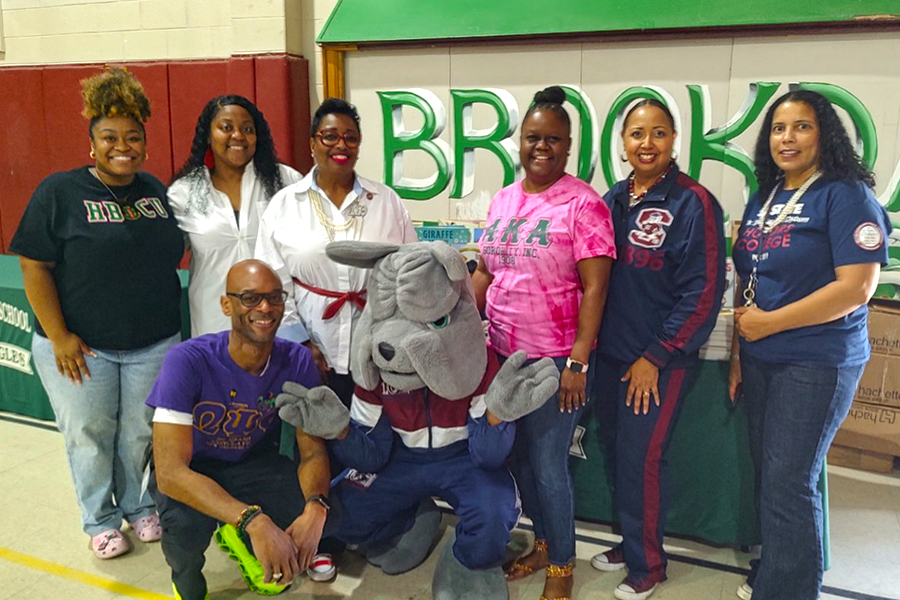
South Carolina State University’s Dr. Emily England Clyburn Honors College recently led an initiative to promote literacy among young students in rural Orangeburg County. The joint effort saw several SC State offices and programs come together to provide books to students at Brookdale Elementary School, allowing them to begin building their libraries during HBCU Week.
“Collaboration is the main ingredient in the success of this worthwhile literacy effort to ensure that our youth are not only encouraged to read but also are provided books to start or add to their personal collections,” said Dr. William H. Whitaker, Jr., the Honors College’s dean. “Indeed, teamwork makes the dream work, and I am so proud of the university family for their contributions to the literacy campaign.”
Participating units in this initiative included the Miller F. Whittaker Library, the Office of Student Life & Leadership, the Department of Athletics, the SC State Cheerleaders, and the First-Year Experience team.
The book donations came from a well-known publishing company thanks to a partnership facilitated by Dr. Windy Stephenson, the Honors College’s director of academic and scholarship services, during her tenure in Pre-K-12 school administration.
Several Honors College students, along with library student workers, volunteered to sort and organize the books to ensure that each Brookdale student received reading materials tailored to their interests. Cathi Cooper Mack, assistant to the Whittaker Library’s dean and coordinator of collection organization, oversaw the distribution to the young scholars.
“Developing a culture of reading for our children and youth at an early age is critical in achieving literacy and establishing well-educated future generations of accomplished citizens,” Stephenson said.
Beyond The Books
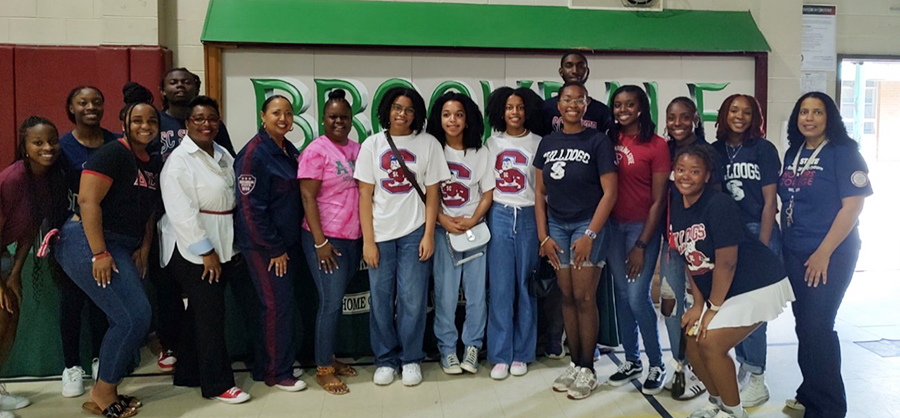
SC State students and staff at Brookdale Elementary School. Photo Courtesy: SC State UniversitySC State students and staff at Brookdale Elementary School. Photo Courtesy: SC State University
The event was not just about literacy; it was also filled with school spirit and lively activities. Spike the Bulldog, SC State’s beloved mascot, along with the SC State cheerleaders, engaged with the young students, creating an atmosphere of excitement and fun. Additionally, members of the “Divine Nine” fraternities and sororities, the Student Government Association, and other campus organizations rallied the Brookdale Eagles in cheers, steps, strolls, and dancing, making the day a high-energy celebration.
Stephenson, a passionate advocate for literacy, shared her love for reading and encouraged students to embrace it wholeheartedly. Leading the Brookdale Eagles in an interactive chant, “The More I Read, The Better I Get,” she inspired the young scholars to take pride in their reading journey.
The First-Year Experience’s executive director, Dr. Lisa Sparks, assistant director Naseema Moore, and a group of SC State freshmen also participated in the event.
The American Nurses Foundation is celebrating the impact of the $339,000 grant it awarded to Southern University and A&M College in April aimed at enhancing educational programs for male nurses of color. The funding is part of the foundation’s Diversify Nursing Research through Support of Minority Institutions research grant.
The groundbreaking proposal titled “Workplace Racism, Perceived Stress, and Health Promoting Lifestyle Behaviors Among African American Registered Nurses,” was selected by an independent review panel after a competitive selection process involving three minority-serving institutions.
“African American nurses account for 11% of the registered nurse workforce in the United States and even less than that are African American men. Southern University School of Nursing is the largest producer of African American nurses in the state of Louisiana, playing a critical role in addressing racial and gender disparities in nursing,” said the Dean and Professor of the College of Nursing and Allied Health at Southern University School of Nursing. “Through support from the American Nurses Foundation, we are closing the gap and increasing the diversity of the nursing workforce to improve health outcomes in vulnerable populations.”
Future Nurses Feel The Impact
Following the grant, some male nursing students within the funded cohort have already begun sharing their experiences on social media. A viral video shows the positive impact of the award, showcasing the journey and aspirations of the emerging nurses as they work towards bringing diversity to the nursing profession.
The three-year partnership aims to tackle barriers faced by racial and ethnic minorities in nursing, in response to insights from the National Commission to Address Racism in Nursing. The initiative strives to fund meaningful research led by diverse nurses, advancing the profession while fostering equity and a variety of perspectives.
Adriane K. Griffen, DrPH, MPH, MCHES®, is the interim executive director and vice president of programs at the American Nurses Foundation. She expressed her enthusiasm for the program. “I’m absolutely thrilled to see bright minds benefiting from the Foundation’s support of this program and excited about their future careers in nursing,” she said, noting her personal connection to nursing through her father’s career in the field.
Howard University has officially launched the Howard Health & Wellness Center, an on-campus clinic designed to enhance employee well-being. Located at the Centers of Excellence building, 2301 Georgia Avenue, Unit D (across from McDonald’s), the center aims to provide accessible healthcare services tailored to the needs of university employees.
Pictured: Alexis Monroe, Dr. McDonald-Pinkett, and Ava Sullivan. Photo Courtesy: Howard University
Dr. Shelly McDonald-Pinkett, former chief medical officer of Howard University Hospital, has been appointed as the inaugural medical director of the center. Dr. McDonald-Pinkett has extensive experience in clinical operations. She also has a robust academic background as a professor in the Department of Internal Medicine at Howard University College of Medicine.
Prioritizing Health and Wellness
The Howard Health & Wellness Center opened its doors this week offering a variety of services, including acute and urgent care for conditions such as sprains, rashes, and infections. Additionally, employees will have exclusive access to lifestyle health coaching. The life coaching will address everyday health challenges like weight management, cholesterol control, pre-diabetes, and stress reduction. The center is also equipped to support employees managing chronic health conditions, including asthma, cardiovascular disease, diabetes, hypertension, and obesity.
“By providing accessible, comprehensive care, we empower our workforce to prioritize their health, ultimately leading to improved productivity and quality of life,” said McDonald-Pinkett.
Warren Petty, Ed.D., vice president and chief human resources officer at Howard, echoed these sentiments. “The Howard Health & Wellness Center demonstrates our commitment to the well-being of Howard University employees,” Petty said. “With convenient access to top-quality healthcare services, the center is designed to keep our team healthy, engaged, and thriving. We’re excited about the positive impact it will have on our community.”
Leading the Way
Alexis Monroe, the lead medical assistant and Ava Sullivan, the employee health manager, will support Dr. McDonald-Pinkett at the center. For additional information and to learn more about the services offered at the Howard Health & Wellness Center, click here.
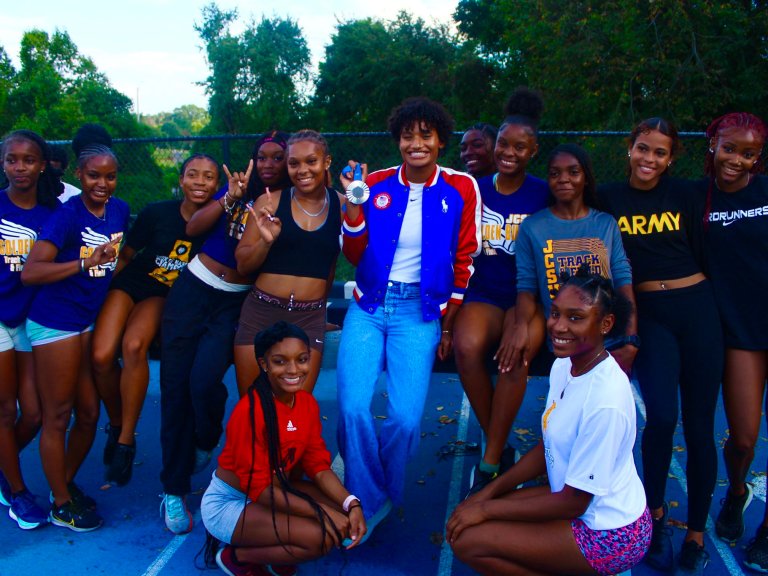
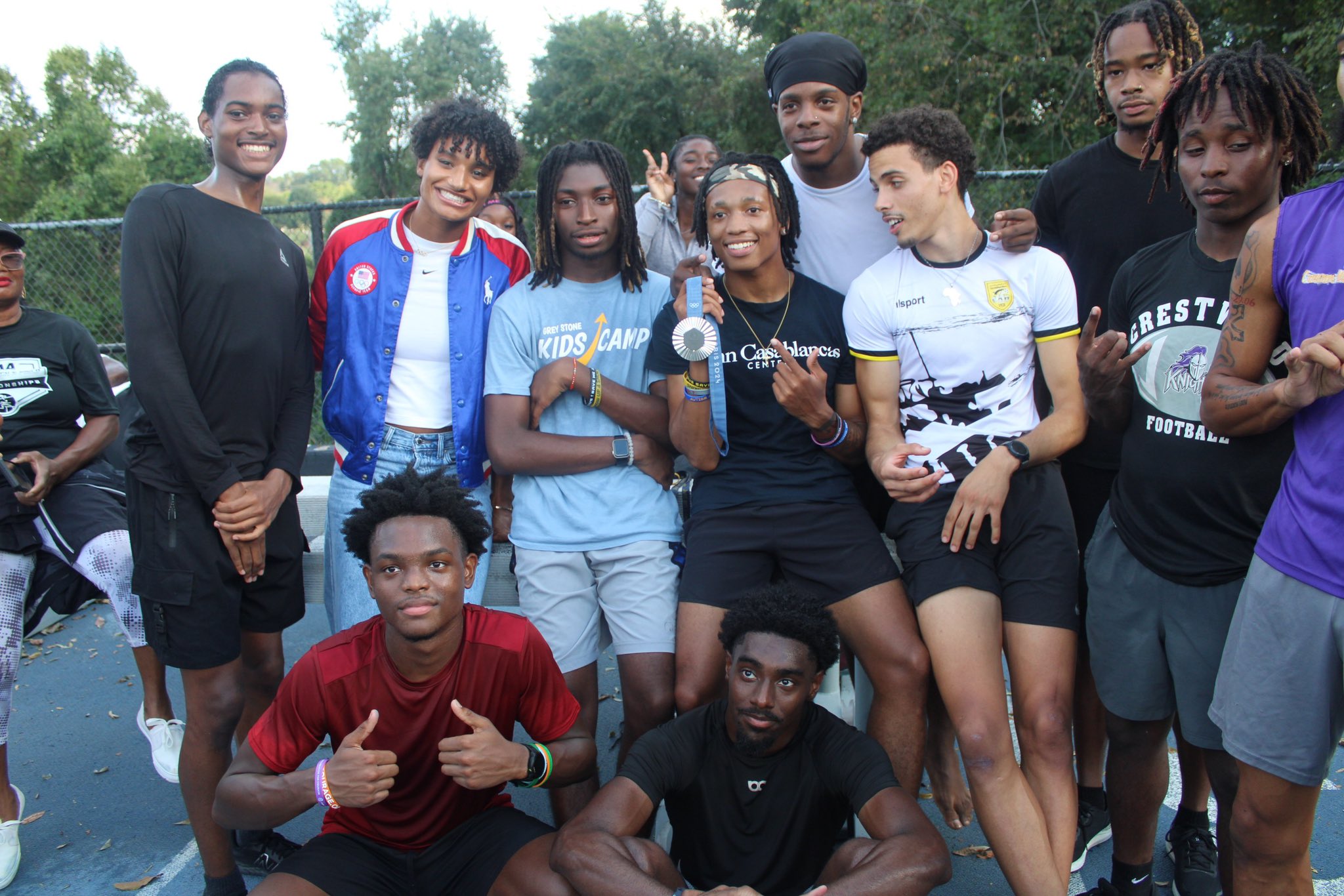
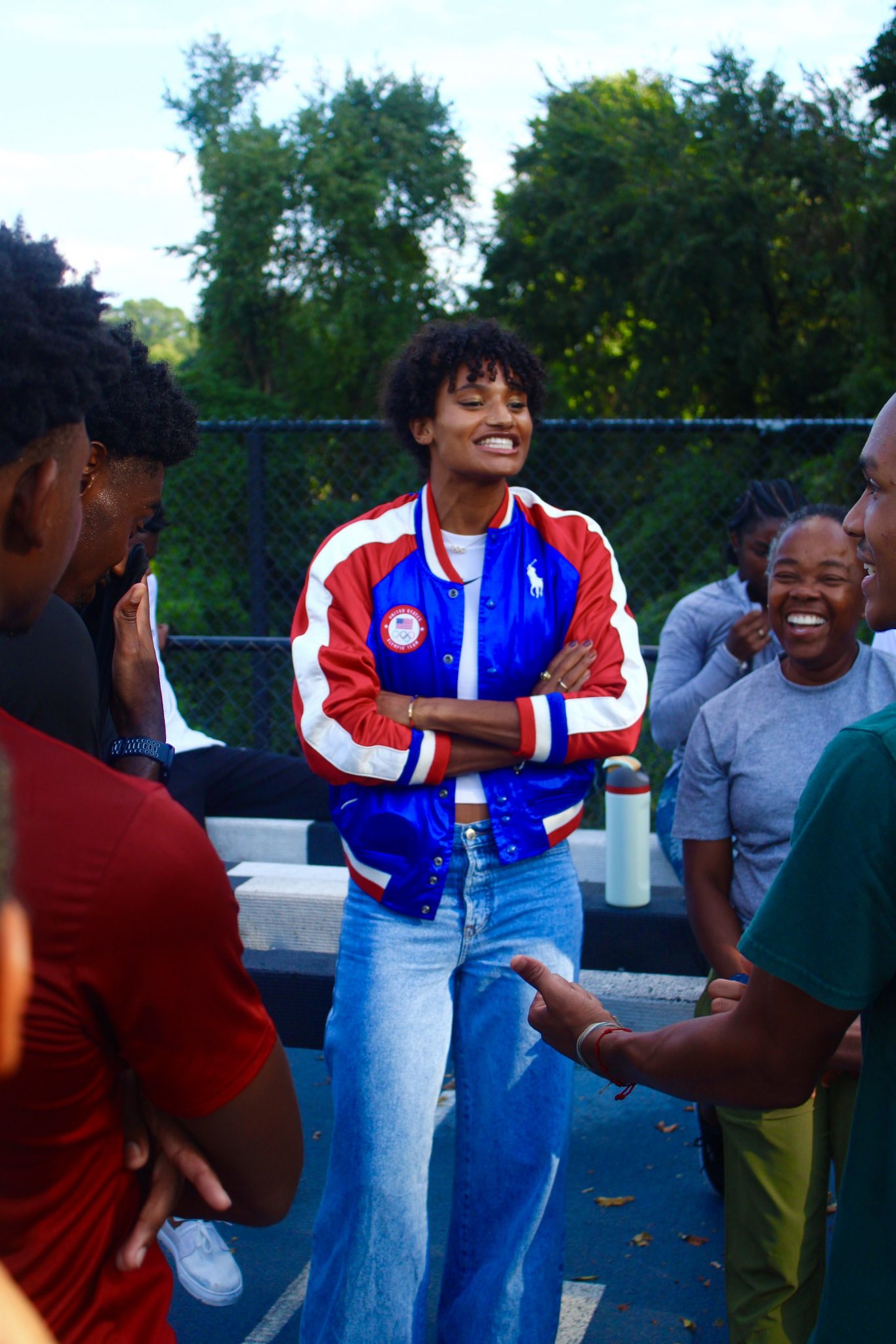
Olympic silver medalist Anna Cockrell returned to her hometown this past weekend and visited the Johnson C. Smith University Track and Field team. The daughter of JCSU Board of Trustees Vice Chair Kieth Cockrell, Anna shared her inspiring journey as a champion.
During her visit, Cockrell recounted her sacrifices to achieve her goals. “Nothing was going to stop me from what I had to do. That’s really how I felt,” she shared in a heartfelt message to the JCSU track and field team. “I mean Coach Lawrence knows this; I’ve sacrificed a lot.” She detailed her experiences moving after turning professional.
“I was in LA for college. I left LA to go to Texas when I went pro, and my coach took a job at Arkansas. The last place I ever wanted to live was Fayetteville, Arkansas,” she said.
Winning In Paris
Cockrell, who recently earned a silver medal in the women’s 400-meter hurdles at the 2024 Summer Olympics in Paris, has established herself as a prominent figure in track and field. Her recent Olympic victory came after she beat her record with a 51.87-second run in the race. She was second to her USA teammate Sydney McLaughlin-Levrone, who won the race with a world record time of 50.37 seconds.
Anna Cockrell with the JCSU track and field team. Photo Courtesy: Jaypeg ProductionzAnna Cockrell with the JCSU track and field team. Photo Courtesy: Jaypeg Productionz
I’ve been ugly crying for the past 30 minutes, but it’s all smiles now,” she shared in a Tiktok video after winning her silver medal. “I am over the moon excited, and I can’t wait until I get my medal tomorrow.”
A two-time Olympian and a University of Southern California graduate, she also medaled at the 2019 Pan American Games in Lima, Peru. In the Tokyo 2020 Olympics, she finished eighth in her event, an experience that fueled her determination leading up to her Olympic success in Paris. She started her track career at Charlotte’s Providence Day School.
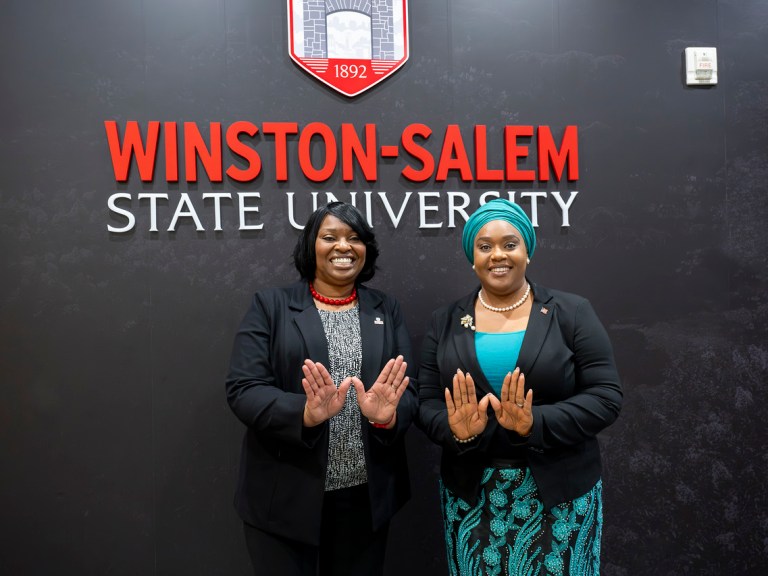
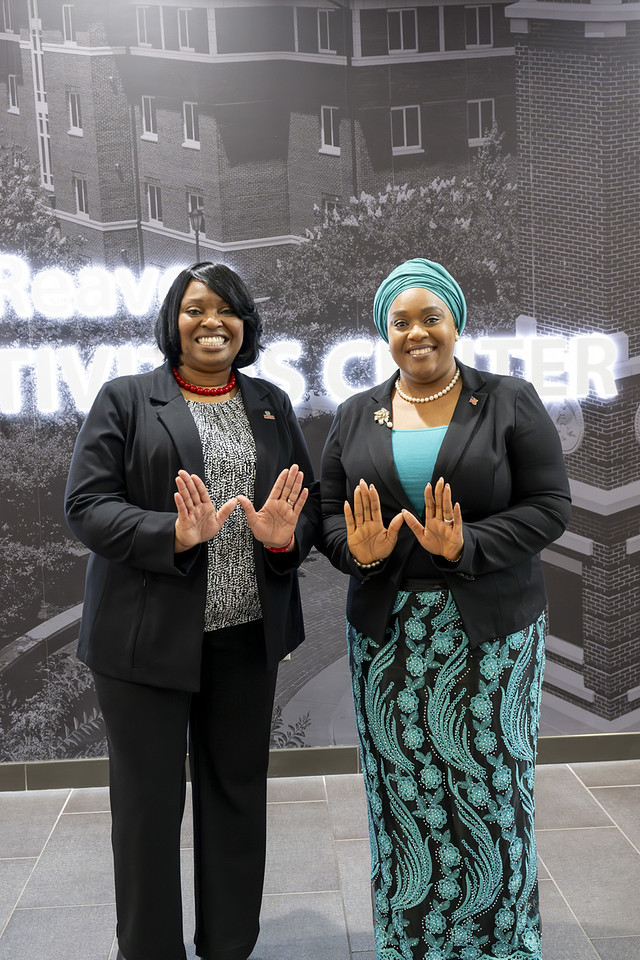
Winston-Salem State University marked a historic milestone as Chancellor Bonita Brown met with Dr. Jarso Maley Jallah, the minister of education of the Republic of Liberia. This made their first official meeting, which aimed to foster bilateral collaboration in higher education.
The meeting took place on Sept. 30 at the WSSU campus and was a significant step toward strengthening educational ties between the two institutions. “Today, I met with the Minister of Education from the Republic of Liberia. We discussed ways we could collaborate and partner to bring their students here to access our programs,” Chancellor Brown shared. “We also discussed a cultural exchange program, where our faculty and students could go to Liberia to learn from their country and the educational strategies they are executing. It’s a win-win situation where we can join forces for the future.”
Minister Jallah’s visit coincided with the inaugural International Liberation Gala, organized by the Liberian Organization of the Piedmont. This gala aimed to raise awareness about the historic connection between Winston-Salem and Liberia. It doubled as a chance to raise funds to support the construction of a student housing project in the Happy Hill community—the first African American neighborhood in Winston-Salem. The housing project is intended to provide residential support for international Liberian students awarded scholarships to attend local universities and community colleges.
Additionally, the meeting addressed revitalizing a previously established Memorandum of Understanding between WSSU’s School of Health Sciences and Grand Bassa Community College in Liberia, reinforcing their commitment to collaboration.
WSSU and Liberian Attendants
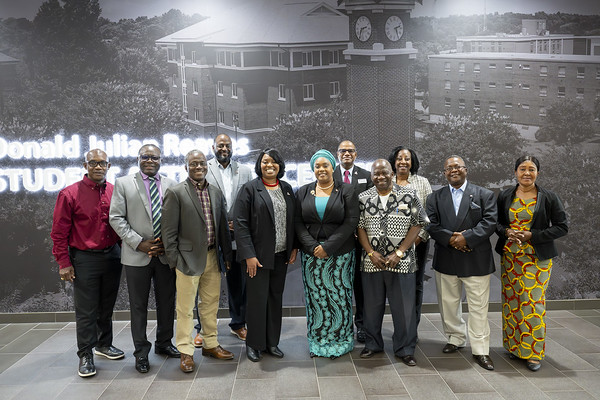
WSSU Chancellor Bonita Brown and Dr. Jarso Maley Jallah, the minister of education of the Republic of Liberia. Photo Courtesy: WSSUMeeting attendees in a group photo. Photo Courtesy: WSSUTwo attendees engaged in a conversation. Photo Courtesy: WSSU
Joining the historic meeting were WSSU’s Dr. Anthony Graham, provost and vice chancellor of Academic Affairs; Dr. Manju Bhat, dean of the College of Arts, Sciences, and Education; and Dr. Leslee Battle, dean of the School of Health Sciences. The Liberian delegation included Dr. Emmanuel Clarke, president of the LOP, and other notable members, including Dr. James Hunder and assistants to the minister, Charles Jarrett and Regina Golay.
Following the WSSU meeting, the Liberian delegation was scheduled to meet with representatives from Wake Forest University and Livingstone College in Salisbury, further expanding the scope of their collaborative efforts.
This week, the Harris-Walz campaign unveiled a new advertisement titled “Paycheck,” part of a broader five-week media effort aimed at engaging Black voters in seven crucial battleground states: Michigan, Pennsylvania, Wisconsin, parts of North Carolina, Georgia, Nevada, Arizona. The ad seeks to effectively communicate Vice President Kamala Harris’ vision for an opportunity economy that promises to financially benefit Black Americans.
The ad will be strategically broadcast on targeted cable and satellite TV channels, national Black-syndicated radio programs, statewide sports radio stations, and urban radio networks across the participating states. This approach aims to reach Black voters in both urban and rural areas, particularly in less represented markets in Georgia, parts of North Carolina, and Michigan.
The Harris-Walz Plan
“Paycheck” outlines the Vice President’s direct plans to tackle pressing economic issues affecting Black communities, especially as Election Day approaches. The ad highlights key concerns such as soaring food and grocery costs, housing affordability, and the need for financial stability. In her message, Vice President Harris emphasizes her commitment to helping hardworking Americans retain more of their earnings each month through practical measures. These include implementing a federal ban on price gouging for food and groceries and introducing historic down payment assistance of $25,000 for first-time homeowners, significantly benefiting over half a million Black homebuyers.
In contrast to her proposals, the ad criticizes the Project 2025 agenda, labeling it detrimental to Black Americans. The campaign argues that Project 2025 would dismantle essential programs such as Social Security, Obamacare, and Medicaid, terminate student debt relief, and ultimately increase living costs for Black families nationwide.
“Vice President Harris has been clear: she is not taking a single voter for granted and is putting in the work to earn each and every vote,” stated Quentin Fulks, principal deputy campaign manager for Harris-Walz. “As President, she is committed to creating an opportunity economy that provides Black Americans with the tools needed to not just get by, but get ahead.”
On October 2, Dorothy Birl-Johnson, an alumna of Alabama State University and a dedicated staff member, graced the nationally recognized daytime talk show “The Jennifer Hudson Show” to shed light on breast cancer awareness. Birl-Johnson is the administrative assistant to ASU President Quinton T. Ross, Jr. She utilized the show’s platform to encourage women of all ages to implement potentially life-saving practices like daily self-examinations and seeking prompt medical attention upon noticing any irregularities.
Eboni’s Breast Cancer Story
Birl-Johnson’s passion for this cause is deeply personal. Her 26-year-old daughter, Eboni Faith Johnson (ASU class of 2020), bravely faced breast cancer. Eboni was diagnosed at the age of 23. Tragically, Eboni passed away from the disease on July 2. During her appearance on Hudson’s show, Birl-Johnson was joined by her daughter Angel Johnson Everett (ASU class of 2010) and her cousin Wanda Williams-Madison (ASU class of 1999), creating a family representation that speaks to their shared commitment to raising awareness.
“After hearing of my daughter Eboni’s struggle with breast cancer… the TV show felt that we represented so many other families who have been involved with fighting this dreaded disease,” Birl-Johnson explained. She recounted how the journey took them from Eboni’s diagnosis to various treatments, remission, and ultimately, loss. “Thanks to my daughter Angel, who wrote to Hudson’s staff after my late daughter Eboni encouraged her to do so in the final months of her life, so that we could tell her story and help others be vigilant about the issue of breast cancer,” she shared.
Eboni’s breast cancer journey went into remission in 2022, only for the cancer to return in 2023. Despite undergoing extensive therapies and treatments, she ultimately lost her fight. Angel is a breast cancer survivor herself, exemplifying the resilience and determination present in this family.
Throughout the segment, Birl-Johnson emphasized the essential message: early detection can save lives. Birl-Johnson hopes that sharing their family’s experience will inspire others to be proactive about their health, potentially preventing the heartbreak of losing loved ones to this disease.
The Eboni Faith Johnson Scholarship Fund
The Birl-Johnson family is committed to enhancing public awareness of breast cancer and regularly speaks at various gatherings. They expressed gratitude for the opportunity to reach a wider audience through their appearance on the show. “We are overjoyed that such a big star like Jennifer Hudson cares about breast cancer awareness,” Birl-Johnson said.
In memory of Eboni, her family established the Eboni Faith Johnson Scholarship Fund to support deserving undergraduate students. Individuals can contact the ASU Foundation for more information about the scholarship or to make a donation.
John Amos, the legendary actor celebrated for his role as James Evans, Sr. on the sitcom “Good Times,” has passed away at the age of 84. His son, K.C. Amos, announced the news in a heartfelt statement to the Hollywood Reporter. “He was a man with the kindest heart and a heart of gold … and he was loved the world over,” said K.C. “Many fans consider him their TV father. He lived a good life. His legacy will live on in his outstanding works in television and film as an actor.”
From Football Player to Actor
The New Jersey native’s journey from aspiring football player to acclaimed actor spans over five decades. Initially pursuing a career in sports, he played college football at Long Beach City College and Colorado State University. After a brief stint in professional football, he redirected his passion toward acting, attending the American Academy of Dramatic Arts.
Amos gained prominence in the early 1970s when he was cast as James Evans Sr. on “Good Times,” which aired from 1974 to 1979. The show was one of the first to portray an African American family living in public housing. Amos’s portrayal of the stern yet loving father resonated with audiences, making him a beloved figure in television history. However, his desire for more authentic representation led to tensions with the show’s producers, resulting in his departure in 1976.
His remarkable career continued with his role as Kunta Kinte in the acclaimed miniseries “Roots,” based on Alex Haley’s novel. He received an Emmy nomination for that role. Amos showcased his versatility in numerous television shows and films throughout the following decades. Some include “The Mary Tyler Moore Show” and the classic comedy “Coming to America,” which he reprised in its sequel, “Coming 2 America.”
John Amos leaves a legacy defined by profound impact and unforgettable performances, remembered as a pioneer and inspiration in the entertainment industry.
Jade Jackson, a public safety reporter for IndyStar, has carved out a journalism path that reflects her commitment to storytelling. However, it’s her enrollment in Jarvis Christian University, the historically Black college her great-grandfather helped found 112 years ago, that has brought her family’s legacy full circle.
Thomas Buchanan Frost
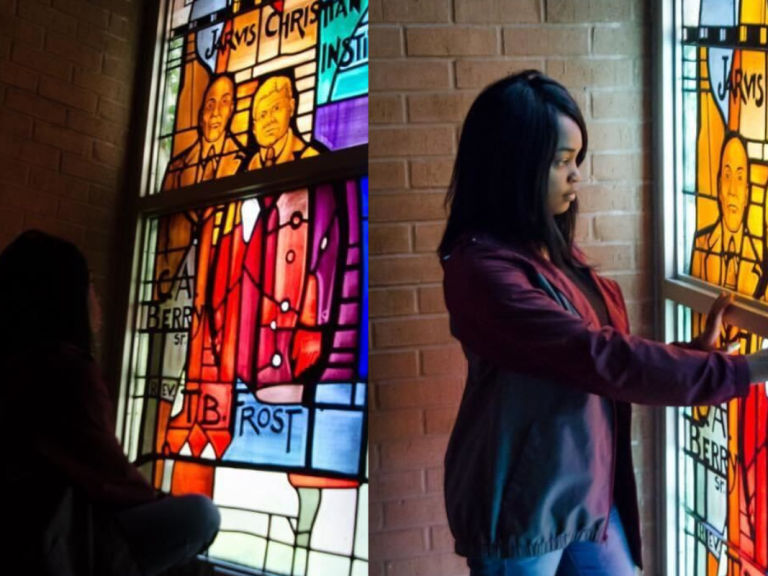
“My great-grandfather was Thomas Buchanan Frost,” Jackson shared. “He’s a known pioneer and his image hangs up in the school’s library as well as in the stained glass windows of the school’s chapel.”
Thomas Buchanan Frost helped found Jarvis Christian University in 1912. Credit: Jarvis Christian University Thomas Buchanan Frost helped found Jarvis Christian University in 1912. Credit: Jarvis Christian University
Back in 1912, Frost played a vital role in founding Jarvis Christian College in Hawkins, Texas. “He and his wife, along with their young children rode in a mule and a wagon. Together with who would be the first students at Jarvis, my great-grandfather cleared the swamps and the land,” Jackson explained.
That same year, the college opened its doors, with Frost serving as its first superintendent. Frost’s descendants have maintained strong ties to the HBCU throughout the decades. Jade’s grandfather, KJ Frost, actively engaged with students on campus, often inviting them to get watermelon he grew every summer on the family farm located near the campus. Similarly, Jackson’s mother, affectionately nicknamed “Little Miss Jarvis” during her childhood, now works in the university’s business office, where she assists students with their accounts.
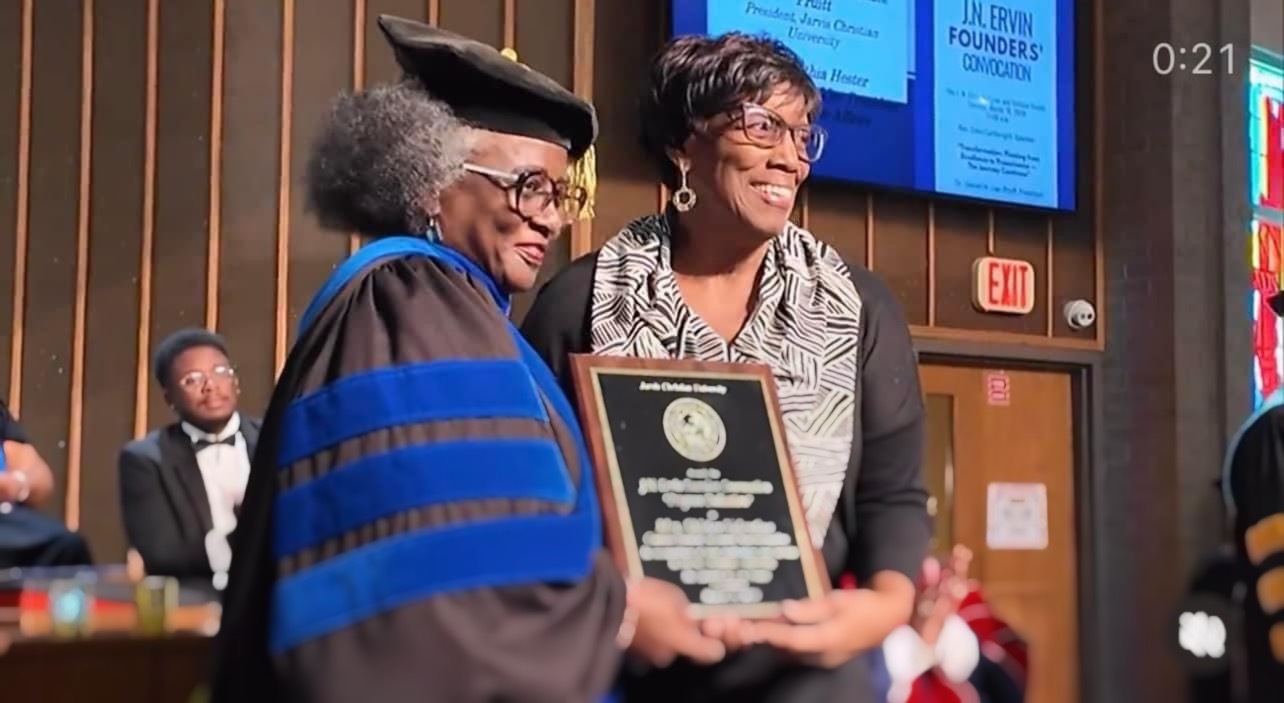
Jade Jackson’s mother received an honorable award for her dedication to Jarvis Christian University in March 2024.
Credit: Jarvis Christian University.
Returning to Jarvis Christian
In 2022, the institution was renamed Jarvis Christian University, and in the following year, it began offering graduate programs. This prompted Jackson to enroll in JCU’s MBA program. She previously attended Jarvis for the first half of her undergraduate studies—where she was called “Legacy.” Jackson later transferred to the University of North Texas to pursue communications, a major not offered at JCU.
“Once I heard that Jarvis was going to be offering master’s programs, I just knew I needed to go back,” said Jackson. “It feels like history with the past and the present are meeting together for this common goal of continuing an excellent future. I am truly humbled.“
As a link between her family’s storied history and future generations, Jackson embraces her role in maximizing every opportunity for both those before and after her.
“By honoring those who came before me, I recognize their challenges, their championing and pioneering, and I recognize the work it took to get me where I am,” explained Jackson. “By thinking about those will come after, I’m setting myself up for their benefit and their future.”
The Frost-Briggs Legacy Fund
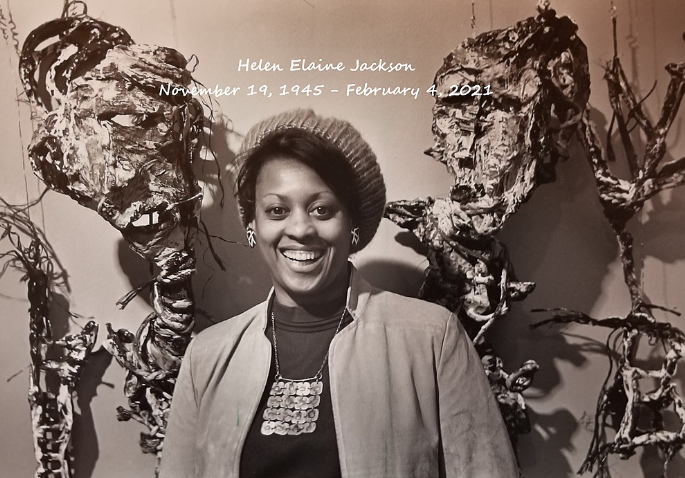
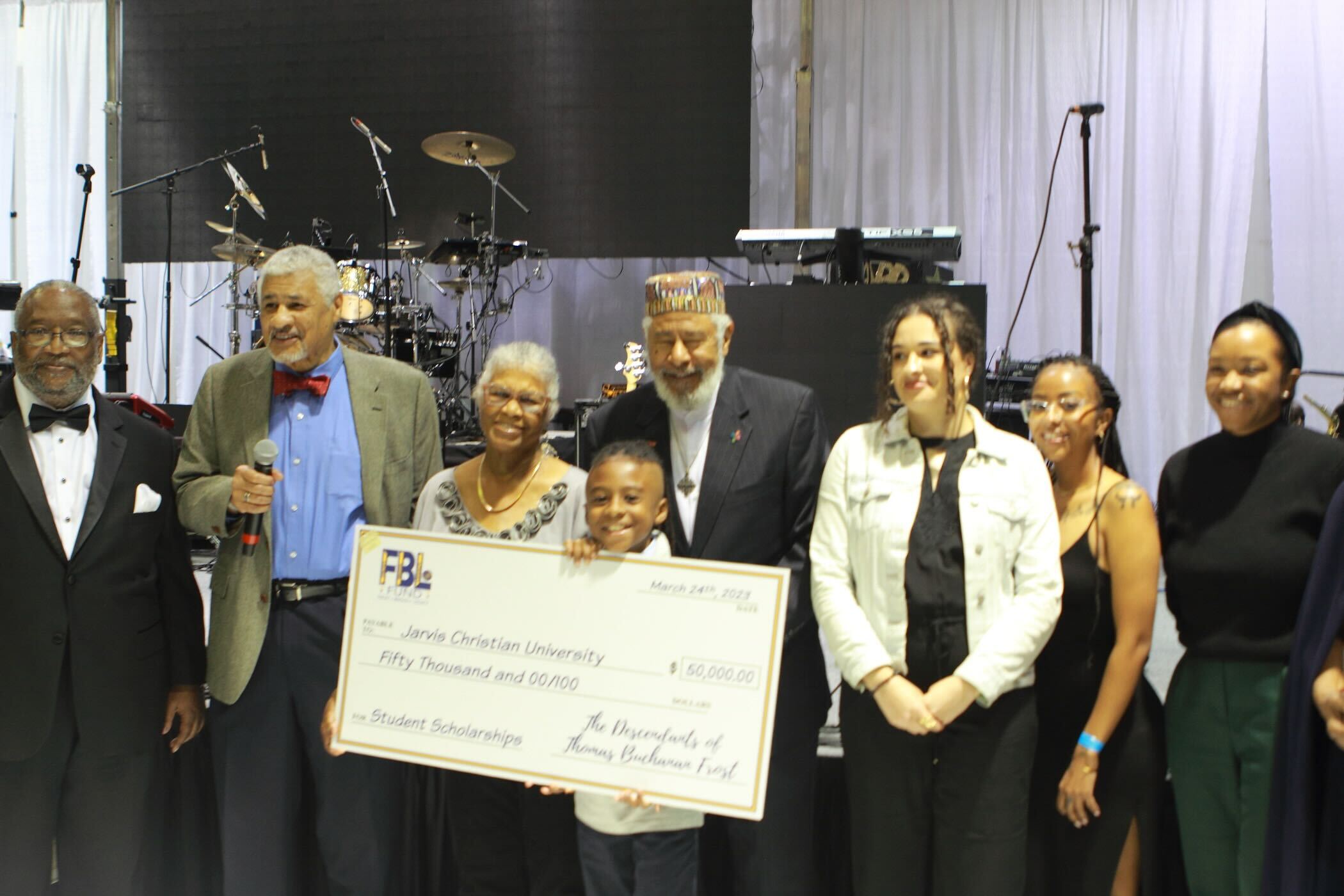
One way she is honoring this commitment is by volunteering her skills to enhance the Frost-Briggs Legacy Fund’s digital presence, an initiative her family created. In 2021, Helen Jackson, Jackson’s aunt and a renowned artist based in Washington, D.C., passed away. The family auctioned off artwork from her Capitol Hill gallery, using the $50,000 proceeds to establish the scholarship fund.
Helen Elaine Jackson’s art work initially funded the Frost-Briggs Legacy Fund to give scholarships to Jarvis Christian University students. Credit: Frost-Briggs family The Frost-Briggs legacy fund launched to help aid students of Jarvis Christian University through scholarships. Credit: Frost-Briggs family
“I give all credit to the education I am learning in Jarvis Christian University’s MBA program for the future success of the fund,” said Jackson.
Frost passed down land and instilled in his family the importance of education and hard work. The fund represents the family’s way of paying it forward to the next generation of JCU students.
Keeping The Legacy Going
The journalist says she plans to actively contribute to JCU as a student and even after graduating. She is confident that her journey after obtaining her MBA will continue to be one of excellence.
Jade Jackson poses on the 50 acres of land her great grandfather passed down to his son and Jackson’s grandfather, KJ Frost in 2020. Credit: Phramed Images Jade Jackson received a bouquet of flowers from her mother for her journalistic work at KTAL 6 in Shreveport, Louisiana for her coverage of George Floyd in 2020. Credit: Jade Jackson
“Whatever it is that I do with my passions, my great-grandfather inspires me to pioneer and champion what hasn’t been done before,” said Jackson. “For the person out there who doesn’t feel like they have a cool family history or don’t think there’s anything to be proud of, I want you to know that you could be the first. You could literally start now. Your future generations will thank you for it.”
Ariel Woods, a senior at Jackson State University, has made history by becoming the first female drum major for the Sonic Boom of the South since 2017. Known affectionately as “Her,” Woods was selected to join the prestigious group of five drum majors known as the “Jackson Five” for the upcoming 2024-2025 academic year.
“Everything kind of just started happening in slow motion,” Woods told WAPT 16, reflecting on her historic achievement. “Everybody started coming and started cheering me on and was just really excited that I was going to be the next drum major.”
Woods is the fourth woman in JSU’s history to lead the Sonic Boom. She found videos of the band on YouTube seven years ago, but getting to this full-circle moment was not easy. The Dallas native faced challenges during her first audition, where she failed. “This is my second time trying out to be a drum major, so it’s nothing short of an honor,” she explained. “It’s nothing short of a blessing being placed in this position as a woman. I just know how prestigious this is. It’s not something that I really can just put into words.”
Leading, Energizing, and Inspiring
As a drum major, Woods looks forward to energizing crowds at football games and during performances. “I’m getting the crowd hyped; I’m getting the crowd riled up,” she said. “I’m getting people excited for the band and the football team.”
Woods aims to inspire young girls in band programs in her new role. “I really want to instill more women being in these prestigious and male-dominant roles because I just love seeing women and female drum majors in middle schools, colleges, and universities,” Woods said.
The Sonic Boom of the South is renowned for its halftime performances and appearances at high-profile events, including the inaugurations of President Joe Biden and Vice President Kamala Harris and NBA All-Star games.
“This position is something I’ve been dreaming about for the last seven years now. I’ve always had doubts along the way, but I never gave up. I never said I can’t do this,” Woods said.
Woods is excited to continue the legacy of female drum majors.
Members of the University Police Department at North Carolina Agricultural and Technical State University deployed to the University of North Carolina-Asheville to assist in the wake of Hurricane Helene. Following the approval of UNCA’s mission request by North Carolina Emergency Management, NCAT emergency management director Travis Auman is among those delivering essential supplies to the mountain campus.
Winston-Salem State University Office of Emergency Management Director Jason Stogner, left, and North Carolina Agricultural and Technical State University Emergency Management Director Travis Auman head to the University of North Carolina-Asheville with supplies on Saturday, Sept. 28.
A&T University Police have packed a vehicle with crucial resources, including portable batteries, generators, lighting equipment, communication devices, first aid kits, N95 masks, nitrile gloves, hand sanitizers, disinfectants, and food and water supply. These efforts are part of ongoing recovery initiatives as UNCA assesses damage caused by the severe storm.
Winston-Salem State University
Similarly, Winston-Salem State University has deployed personnel to assist UNCA. Emergency management officials Jason Stogner and Sarah Isom will arrive on-site to stabilize campus operations and ensure the health and safety of the community. As the Emergency Management/Incident Management Team leader, Stogner will support aid efforts alongside Auman.
According to the North Carolina Governor’s office, Hurricane Helene’s devastation has left at least 600 individuals unaccounted for in western North Carolina. The storm caused severe rainfall and flooding in the region, leaving many areas without power, running water, or cellular service. Federal Emergency Management Agency officials reported that hundreds of roads remain closed, while more than 1,000 storm victims are currently housed in shelters.
In response to the needs of those affected, WSSU is holding a campus-wide supply drive to collect non-perishable food, hygiene products, baby supplies, toiletries, and other essential items. Those interested in helping can drop off items at designated campus locations until Oct. 4. The supplies will then be transported to the Forsyth County Sheriff’s Office for distribution.
UNC System campuses are also sending support to Appalachian State University, Western Carolina University, as well as the North Carolina Arboretum, and the North Carolina School of Science and Mathematics-Morganton.
Delaware State University is breaking new ground in collegiate branding by becoming the first Historically Black College and University to distribute its own private merchandise label. Starting this week, select DSU apparel and items will be available on prominent platforms, including Amazon Marketplace and Walmart.com. This was made possible through a groundbreaking partnership with Everything Collegiate, LLC—a black-owned business based in Atlanta, Georgia.
The launch of this private label marks a significant evolution in DSU’s merchandising strategy. It enables the university to control the design, quality, and variety of products that students, faculty, staff, and the school community can purchase. The inventory will feature limited-edition merchandise exclusively available through DSU, with 5 percent of sales funding student scholarships.
Everything Collegiate, owned by Terance Harmon, has over 20 years of experience in the collegiate market. It holds more than 85 brand licenses for colleges and Greek organizations, including 39 HBCUs. “This partnership marks a significant milestone in our journey,” said Harmon. “Our goal has always been to support and uplift HBCUs, and working with DSU has been a fulfilling step in that direction. I am excited to work with DSU on this historic move.”
Taking Ownership of the DSU Brand
DSU initially collaborated with Everything Collegiate for a branding update last year. Dr. Dawn Mosley, the senior associate vice president of marketing and communications at DSU, noted that the designs received an overwhelmingly positive response.
“The key difference was that we had control over the design process, working closely to ensure it resonated with our brand and audience. It made perfect sense, as we best know what our audience wants,” she explained. “We’re no longer restricted to buying pre-made or mass-produced products that follow a standard design with our logo incorporated,” Dr. Mosley said. “That’s not true ownership. We must protect what has taken over a century to build.”
Moving forward, new arrivals will feature the Hornets™ private-label branding, enhancing the University’s unique identity and presence in the market.
The Los Angeles Lakers made a significant move on Friday by announcing that they have hired Dr. Vanessa Brooks as their new head athletic trainer. Brooks, a trailblazer in the NBA, previously served the Oklahoma City Thunder for five seasons. She made history as the first Black woman to be dual-certified as an athletic trainer and physical therapist.
The Lakers have hired Dr. Vanessa Brooks as head athletic trainer. Dr. Brooks spent the past five seasons as physical therapist and athletic trainer for the Oklahoma City Thunder.
Dr. Brooks, who was initiated into the Eta Beta Zeta Chapter of Zeta Phi Beta Sorority, Inc. in the spring of 2018, joined the Thunder in 2019. During her tenure, the team enjoyed commendable health.
With the Lakers’ history of injuries and an aging roster, the organization recognized the need for top-tier medical support. The departure of former head athletic trainer Roger Sancho, who left for the Phoenix Suns, created an opening that the Lakers filled with Brooks’ credentials.
While earning her undergraduate degree from the University of Georgia, Dr. Brooks also served as a student trainer with the Bulldogs’ football, women’s basketball, volleyball, and equestrian teams. She earned her doctorate from Emory University. While studying at Emory, she balanced her studies with hands-on experience as the head athletic trainer at Maynard Jackson High School in Atlanta. She also contributed her talents at Duke University, where she worked in sports medicine—an institution renowned for its athletic programs and alma mater to current Lakers head coach J.J. Redick and assistant head coach Lindsey Harding.
Her extensive background includes working in an orthopedic trauma unit at an Atlanta hospital and Wake Forest University before joining the NBA.
In response to growing concerns about mental health, Johnson C. Smith University has unveiled the “Zen Den,” a tranquil space designed to provide respite from the pressures of college life. Located in the Edward E. Crutchfield Center for Integrated Studies, this meditation room aims to support students and faculty alike in managing stress during their busy academic lives.
More than half of American college students report chronic stress levels, which can severely impact their daily habits and well-being. That is why JCSU Dean Anita Bledsoe-Gardner spearheaded the initiative.“The Zen Den is a meditation room that serves as a dedicated space for practicing mindfulness, meditation, and contemplation,” Bledsoe-Gardner explained. The room features pillows, rugs, and wall hangings, creating a peaceful atmosphere for contemplation.
Stress levels can reach critical points as students juggle coursework, jobs, and other responsibilities, particularly during exam periods. Research indicates that 69% of social science students view exams as a significant stressor. The Zen Den offers a sanctuary for students to unwind, with strict guidelines to ensure a peaceful environment—no electronic devices or verbal communication are allowed during meditation.
“The purpose of such a room is to provide an environment for faculty, staff, and students that helps individuals focus, relax, and cultivate a sense of inner peace,” said Bledsoe-Garner.
Serving The Entire JCSU Community
In addition to serving students, the Zen Den caters to faculty and staff by addressing their mental health needs, which, according to the National Education Association, are comparable to those of students. Monthly guided meditation sessions, led by in-residence counselor Ms. Tierra Parsons, will take place every second Thursday at noon. With operational hours spanning Monday to Friday, including designated times for quiet reflection and Muslim prayer, the Zen Den promises to enhance the overall well-being of the JCSU community. As Bledsoe-Gardner notes, “The JCSU Zen Den could open up a world of possibilities.”
Shaun “Kup” Kupferberg, head coach of the Howard University Women’s Volleyball team, reached a remarkable career milestone on Sept. 20, celebrating his 400th win after a 3-0 victory (25-20, 25-10, 25-15) over Princeton University at Burr Gymnasium. This achievement marks his impressive 206th win with the Bison since joining the university in 2012.
Photo courtesy of Howard University
“It’s not something that I really pay attention to. I’m more interested in the seasons in front of me, not the seasons behind me,” Kupferberg said. “I’m just happy that we’ve been able to have success here at Howard.” Under his guidance, the Bison have transformed into a force, achieving a five-year winning streak in the Mid-Eastern Athletic Conference Tournament and securing six NCAA Tournament appearances.
The Kupferberg Impact
Kupferberg’s accolades include three MEAC Coach of the Year honors from 2014, 2016, and 2018. However, he emphasizes that individual accolades are secondary to the accomplishments of his student-athletes, who have earned numerous All-MEAC and Academic honors. “The wins just mean that we’re going in the right direction. I don’t think we’re anywhere near how far we can go,” Kupferberg said. “I’m one piece of the puzzle. The players, the support staff, leadership from the University, that’s what really has built this program.”
Kery Davis, director of athletics for Howard, praised Kupferberg for cultivating a championship culture within the program.“He has high expectations for his student-athletes, both in the classroom and on the court. And it’s been a delight to see the program flourish under his leadership,” said Davis. “We look forward to continued success and excellence this season and beyond.”
The Bison, coming off a successful season with a 17-15 overall record, started MEAC play against South Carolina State University and North Carolina Central University. They return home to face Delaware State University on Oct. 4.