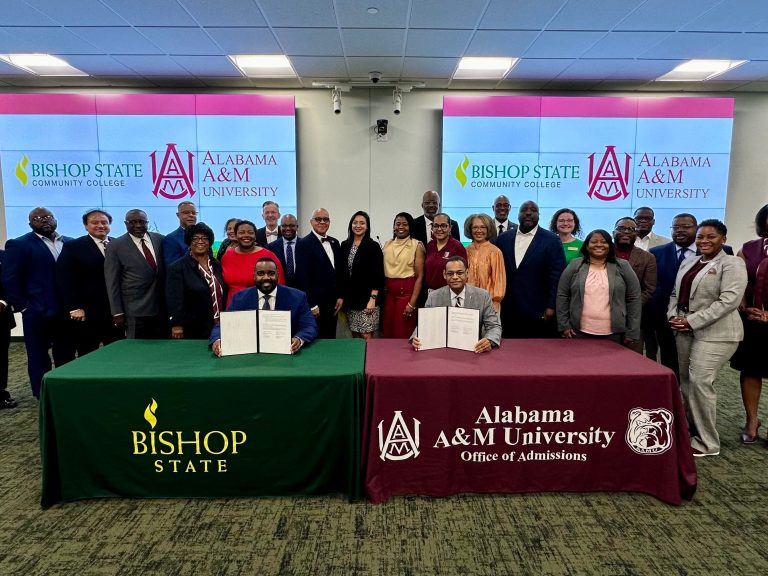
In a significant move to enhance educational opportunities for students, Bishop State Community College and Alabama A&M University have announced a partnership that will offer full-tuition scholarships for Bishop State graduates looking to further their education at the four-year institution.
Through a recently signed memorandum of understanding, both colleges aim to create a streamlined pathway for BSCC graduates aspiring to transfer to AAMU. This initiative facilitates academic progression and financially supports students who meet specific criteria.
Transfer Merit Scholarships
As part of this agreement, AAMU will allocate ten Transfer Merit Scholarships specifically for Bishop State graduates who achieve a minimum GPA of 3.25 and complete at least 60 credit hours. To maintain the scholarship, recipients must uphold a cumulative GPA of 3.1 and earn at least 30 credit hours each academic year, with the opportunity to retain this funding for up to four semesters.
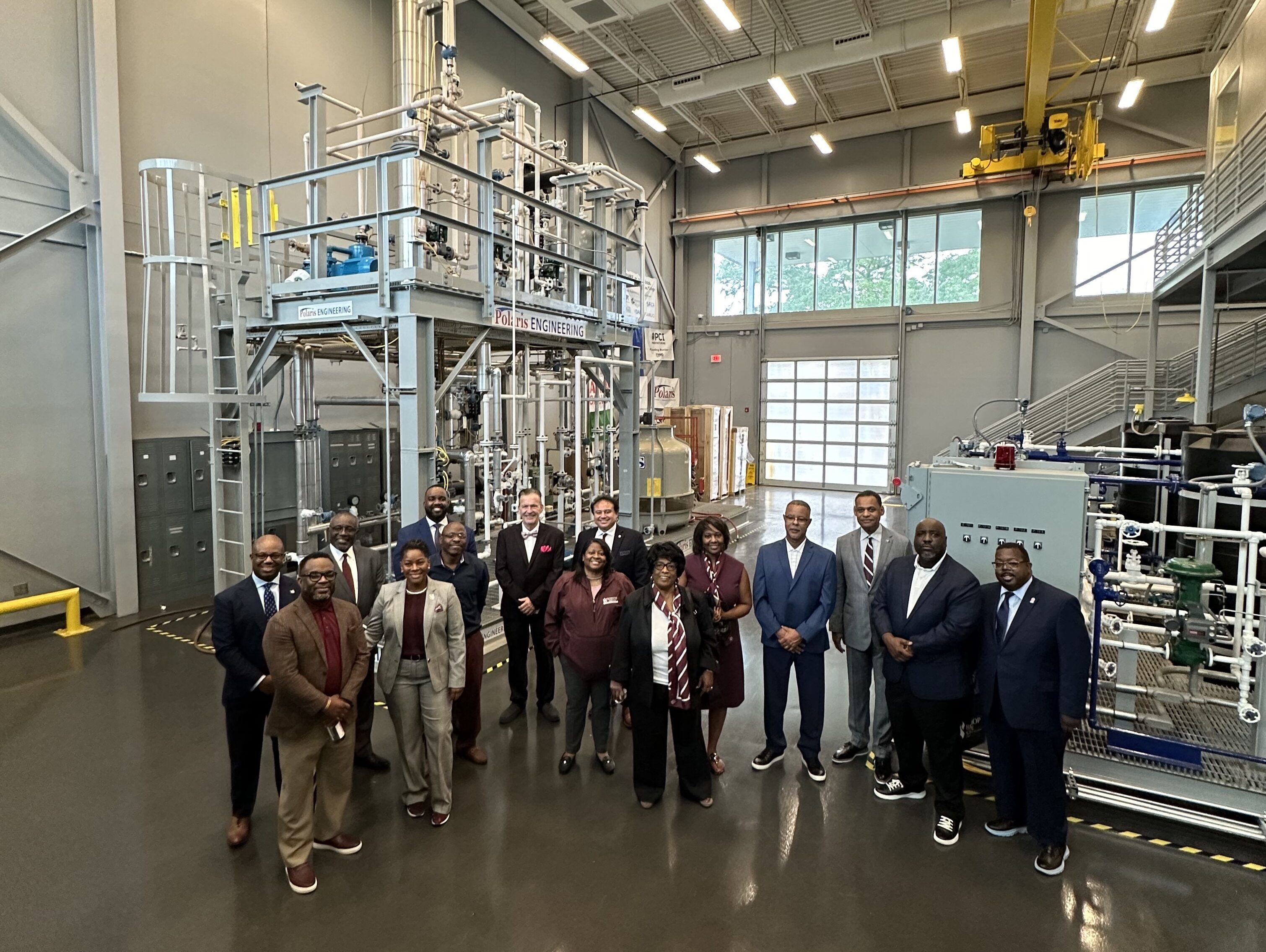
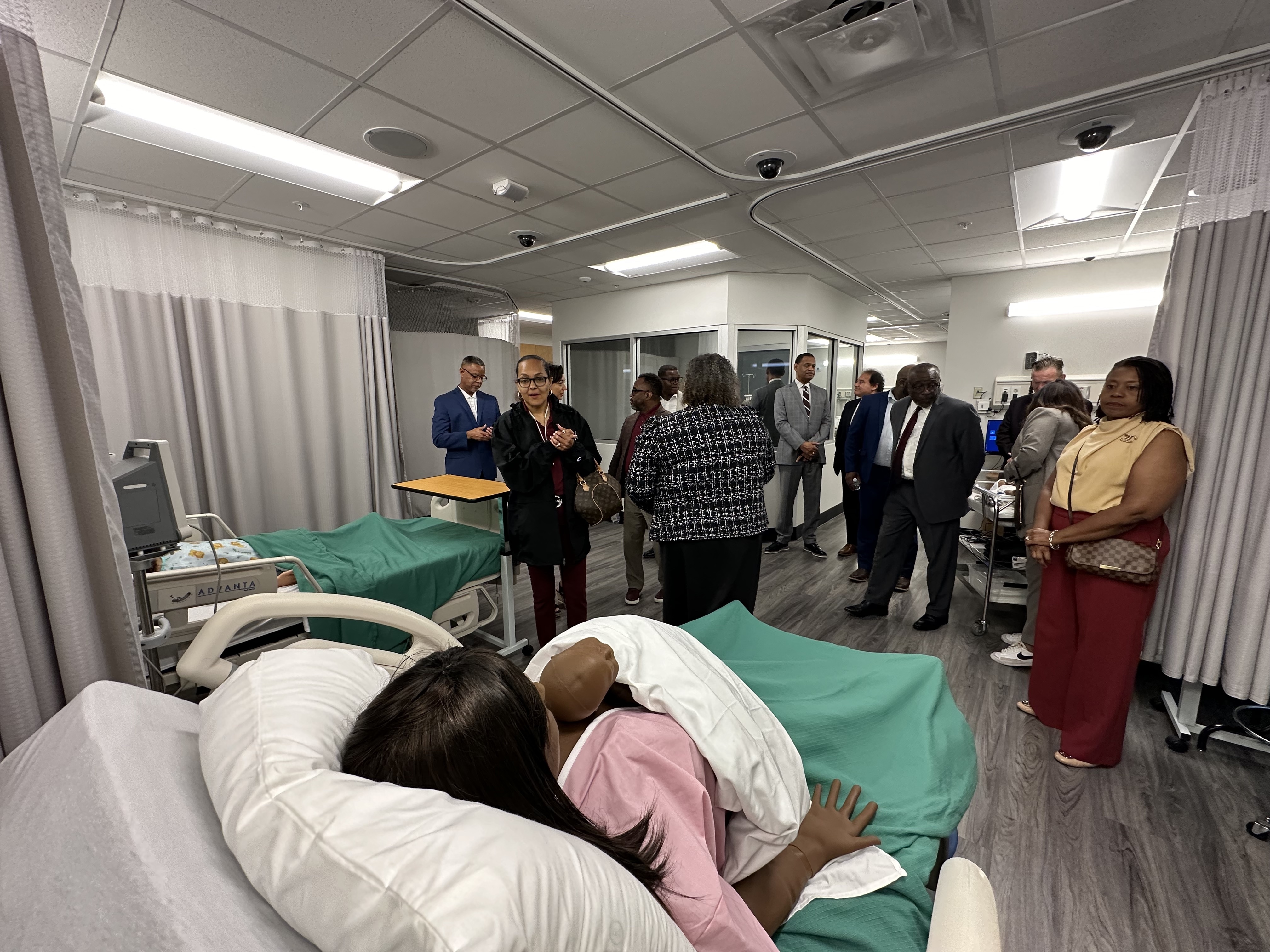
Photo Courtesy: Bishop State Community CollegePhoto Courtesy: Bishop State Community College
“We are excited about this partnership with Alabama A&M University and the opportunities it creates for our students,” said Bishop State President Olivier Charles. “Alabama A&M has a storied history and a strong reputation for producing leaders who make a difference in their communities. Partnering with such an institution aligns with our mission to provide our students with the best possible pathways to success, and advocating for transfer scholarships demonstrates our commitment to their success beyond their time here at Bishop State.”
Dr. Braque Talley, vice president of student affairs at AAMU, expressed enthusiasm about the new partnership. “Community colleges have a growing population, and we are thrilled that this partnership creates a seamless process for students to transition from Bishop State to AAMU,” he said. “The transfer merit scholarship will make this process even smoother.”
In addition to the scholarship offerings, the MOU stipulates that Bishop State graduates achieving a GPA of 3.33 or higher will receive priority consideration for admission into AAMU’s Honors Program. Furthermore, a 15% tuition discount will be provided to full-time faculty and staff from Bishop State pursuing an online Ph.D. program at AAMU.
The MOU also emphasizes ongoing academic collaboration and support for transfer students, ensuring a smooth transition from community college to university life.
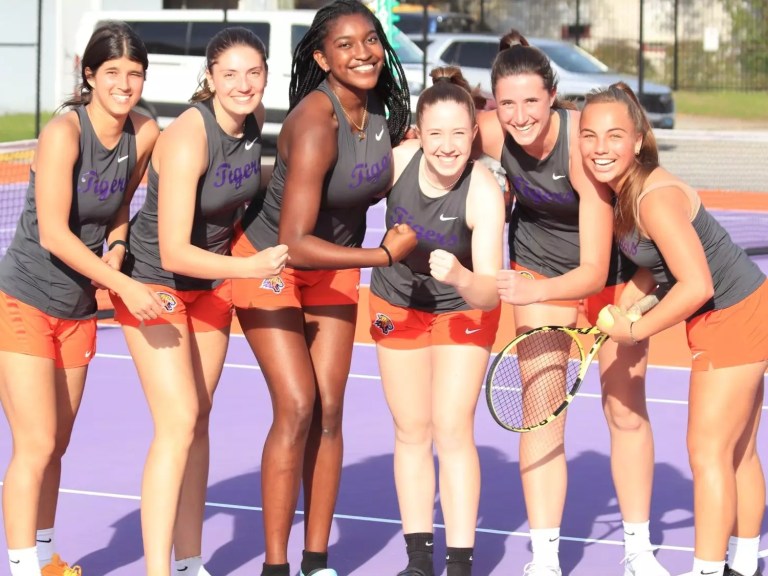
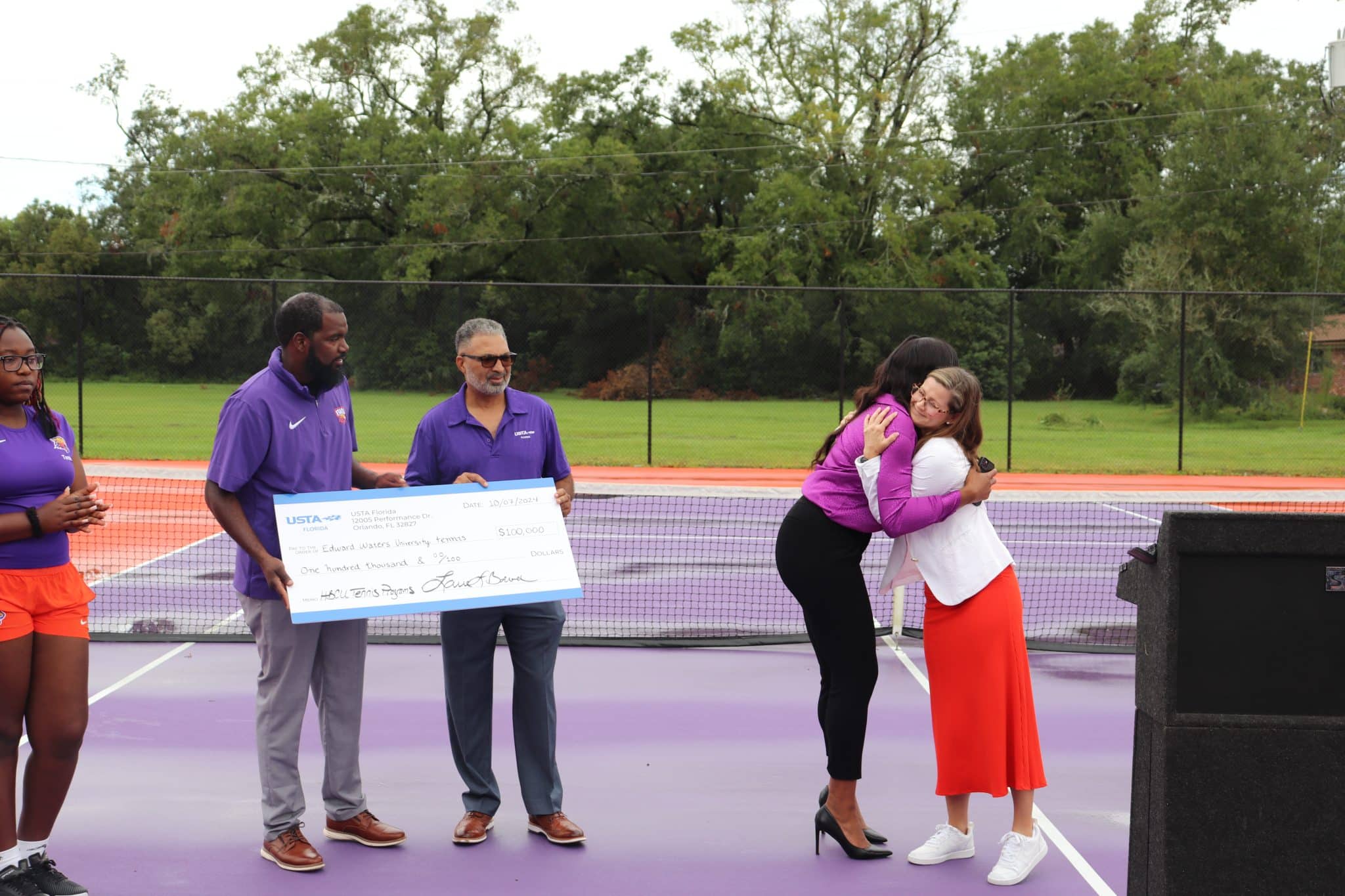
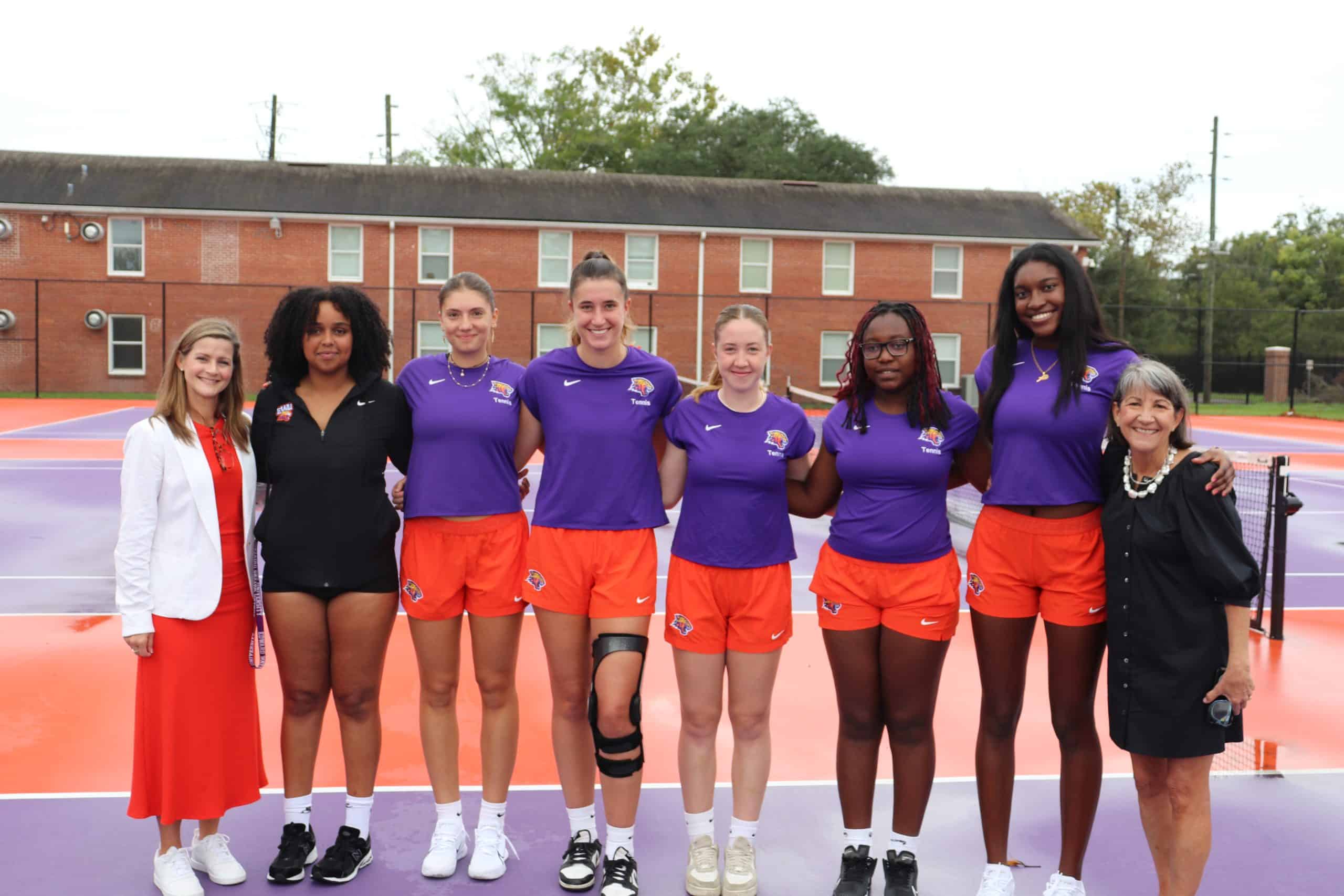
In a landmark event that underscores both the importance of Historically Black Colleges and Universities and the sport of tennis, USTA Florida has awarded its inaugural HBCU Tennis Program Grant to Edward Waters University. This significant grant, valued at $100,000, was officially announced during a ceremony held at the Edward Waters University Tennis Complex.
The grant aims to provide essential funding to bolster tennis programs at HBCUs across the state. The grant is designed to address various needs within the EWU tennis program, which just completed its inaugural season earlier this year.
Laura Bowen, executive director of USTA Florida, spoke passionately about the grant’s significance. “This grant is more than just money,” she said. “Today marks an important shift in USTA Florida’s history of service to our state and to the beautiful sport of tennis.” With this support, EWU can enhance its tennis facilities, procure necessary equipment, offer scholarships to Florida students, and invest in coach education.
Photo Courtesy: Edward Waters AthleticsPhoto Courtesy: Edward Waters Athletics
Supporting The Young Program
Dr. Ivana Rich, associate vice president and director of athletics at EWU, expressed her gratitude for the grant and outlined her vision for the tennis program’s future. “We are deeply grateful to USTA Florida for awarding Edward Waters University this HBCU College Tennis Program Grant,” Dr. Rich remarked. “It represents a significant step forward for our newly established women’s tennis program and reinforces our commitment to providing quality athletic opportunities for our student-athletes. This support will enable us to enhance our tennis offerings, provide an exceptional experience for our student-athletes, and engage more of our community in the sport of tennis.”
Head Coach Marc Atkinson also expressed his excitement about the grant’s potential impact. “This HBCU Tennis grant will have a transformative effect on our tennis program and the student-athletes it serves,” he said. “With this grant, we will be able to purchase new equipment and training tools for our players, offer additional scholarships to attract talented student-athletes, and enhance our travel budget to compete in more tournaments”
As the team prepares for the upcoming 2025 season, many players expressed their thanks to USTA Florida, eager to see the improvements and opportunities this grant will bring. “These improvements will not only benefit our current tennis players but will also help us attract and develop future talent, elevating the entire program to new heights,” Coach Atkinson added.
In closing the event, Bowen reaffirmed USTA Florida’s dedication to supporting EWU and other HBCUs in the future. “This grant comes with a promise that we will continue to be your partner in growing this program for as long as it is in existence. We will stay connected with you, and together, we will develop more ways to support Edward Waters tennis,” she said.
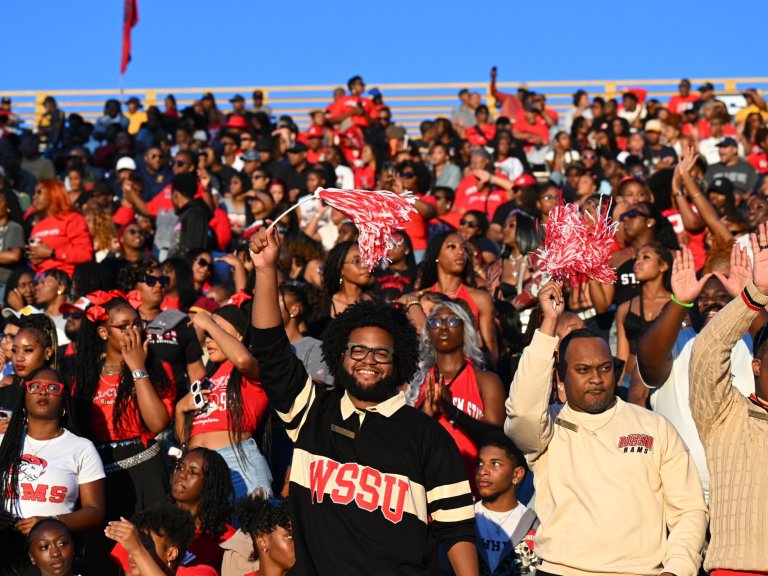
Every fall from late September to early November, alums filled with nostalgia flock back to campus at Historically Black Colleges and Universities, reminiscing about late-night study sessions and unforgettable experiences. Step shows, and parades bring everyone together, celebrating the rhythms and chants that reflect shared heritage across generations. Tailgating parties set the stage for laughter, barbeque, and more of those cherished memories that never fade. At the football games, marching bands fuel the energy surge through the crowd.
HBCU homecomings are more than just reunions. They are celebrations filled with culture, history, and an indescribable community pride. Homecoming roots trace back to the 1920s when alums sought ways to stay connected to their beloved campuses. Homecoming is also a powerful reminder of HBCUs’ vital role in providing opportunities for African American students. It’s a time to honor the legacy of those who paved the way and to inspire the next generation to keep that spirit alive.
As we dive into the 2024 homecoming season, we want to hear from you! Which HBCU homecoming gets your adrenaline pumping and your spirit soaring high? Share your thoughts in our poll below.
You can vote daily until 11:59 p.m. Eastern on Sunday, Nov. 15. click here to vote.
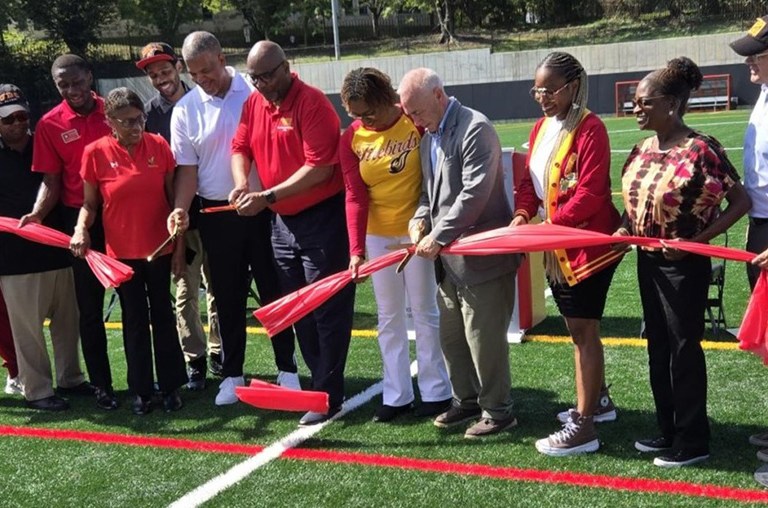
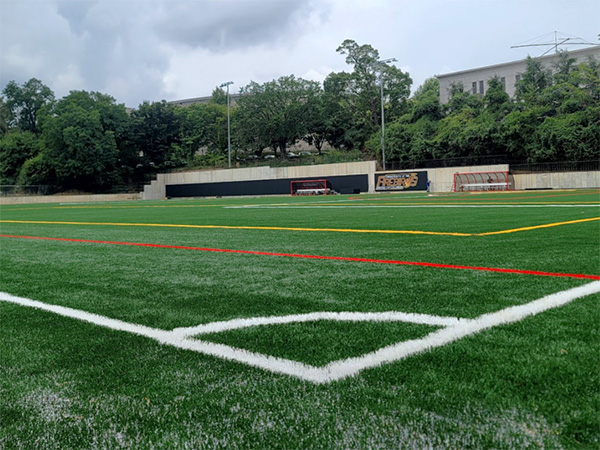
The University of the District of Columbia has proudly unveiled its newly renovated athletic field, an exciting enhancement to the Van Ness campus that has been a decade in the making. The university held a ribbon-cutting ceremony to mark the official opening of the state-of-the-art turf facility.
UDC Director of Athletics Patricia Thomas expressed her enthusiasm for this significant milestone. “This new turf field is a game-changer,” said Thomas. “It’s designed to accommodate soccer as well as men’s and women’s lacrosse. The previous grass field struggled under the wear and tear of three teams, making maintenance a challenge, especially in bad weather. Now, we have an all-weather facility that will serve our student-athletes and the entire university community far better”
The upgraded facility boasts impressive features, including a new scoreboard, a cutting-edge sound system, shot clocks for lacrosse, and covered benches with bleachers that can accommodate over 300 fans. The field is fully illuminated for the first time, enabling evening practices and games. Thomas noted, “It’s the nicest field in our conference and rivals many Division II or III athletic facilities.”
Photo Courtesy: The University of District Columbia
In addition to serving UDC‘s athletic teams, the new field complies with NCAA specifications for soccer, allowing the university to host championship events on campus. “We’ve waited a long time for this, and now we’re ready,” said Thomas.
A Project for the UDC Community
Notably, the field is open for more than official games and training. “The whole university community—students, faculty, and staff—will have opportunities to use the field during open hours. We’re also planning to revitalize our intramural program, especially in soccer, which has always been popular with our students,” Thomas explained.
Looking ahead, UDC’s athletics program welcomes 30 new student-athletes this year, bringing the total to about 120. With anticipation building for the upcoming seasons, Thomas highlighted the optimism surrounding the men’s and women’s soccer teams.
“They’ve faced significant challenges, including having to train off-campus early in the morning,” explained Thomas. “Despite these hurdles, they reached the conference championship last season, narrowly losing in the final minutes. With many key players returning, I’m confident they’ll have a stellar season.”
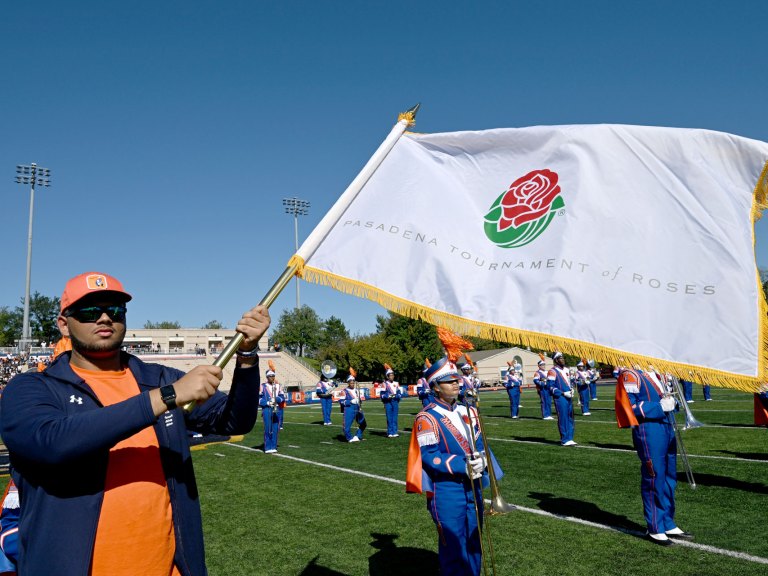
In a remarkable achievement for Morgan State University, the Magnificent Marching Machine band has been selected to perform in the 137th Rose Parade in Pasadena, California, set for Jan. 1, 2025. This announcement was made during a special halftime presentation with thousands of attendees at the university’s 2026 Homecoming football game.
“The selection of Morgan’s Magnificent Marching Machine to participate in the 137th Rose Parade is a major achievement, not just for our band but for the entire Morgan community,” stated President David K. Wilson. “This historic opportunity allows us to showcase the exceptional talent, energy, and spirit of our students on an international stage.”
Another Magnificent Accomplishment
Photo Courtesy: Morgan State University
This historic selection marks the university’s first appearance in the iconic New Year’s celebration. It follows their groundbreaking performance in France earlier this year as the first Historically Black College or University to participate in the D-Day memorial parade. Under the direction of Jorim E. Reid Sr., D.M.A., the band is renowned for its exceptional musicianship and dynamic performances.
The Rose Parade, which garners over 50 million viewers worldwide, showcases only a few bands yearly. Participation is highly competitive, with criteria including musicianship, marching ability, and entertainment value. Morgan’s marching band joins the ranks of elite performers and establishes itself as a formidable presence in collegiate marching bands.
Dr. Reid expressed his enthusiasm about the upcoming performance. “There’s no bigger event in the marching band world than the Rose Parade. When you perform on New Year’s Day, the eyes of the world are watching,” he stated. “It is an honor for our university to be invited and a great opportunity for our students and marching band program to be highlighted globally.”
During the Homecoming halftime show, the Magnificent Marching Machine captivated fans with a medley of hits by R&B artist Usher, creatively integrating their Rose Parade announcement into the performance. The event featured visual displays spelling out “Usher,” “Rose,” and “Vote” as a nod to the upcoming election year.
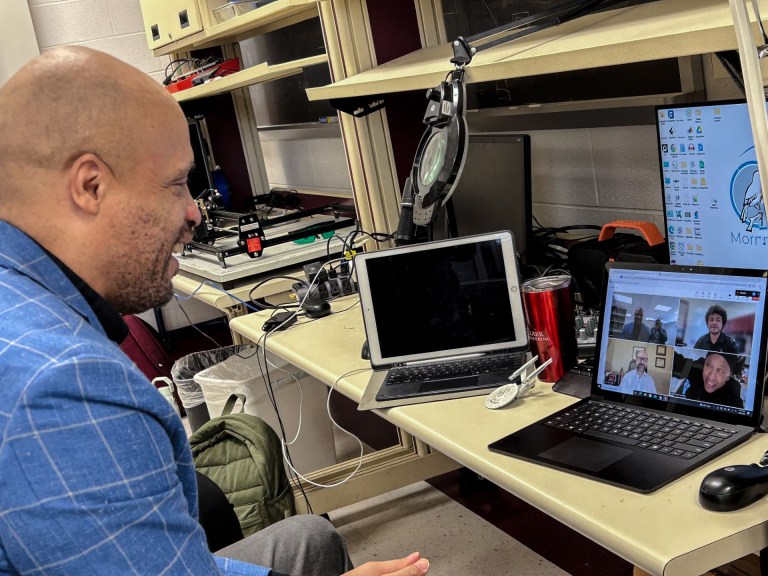
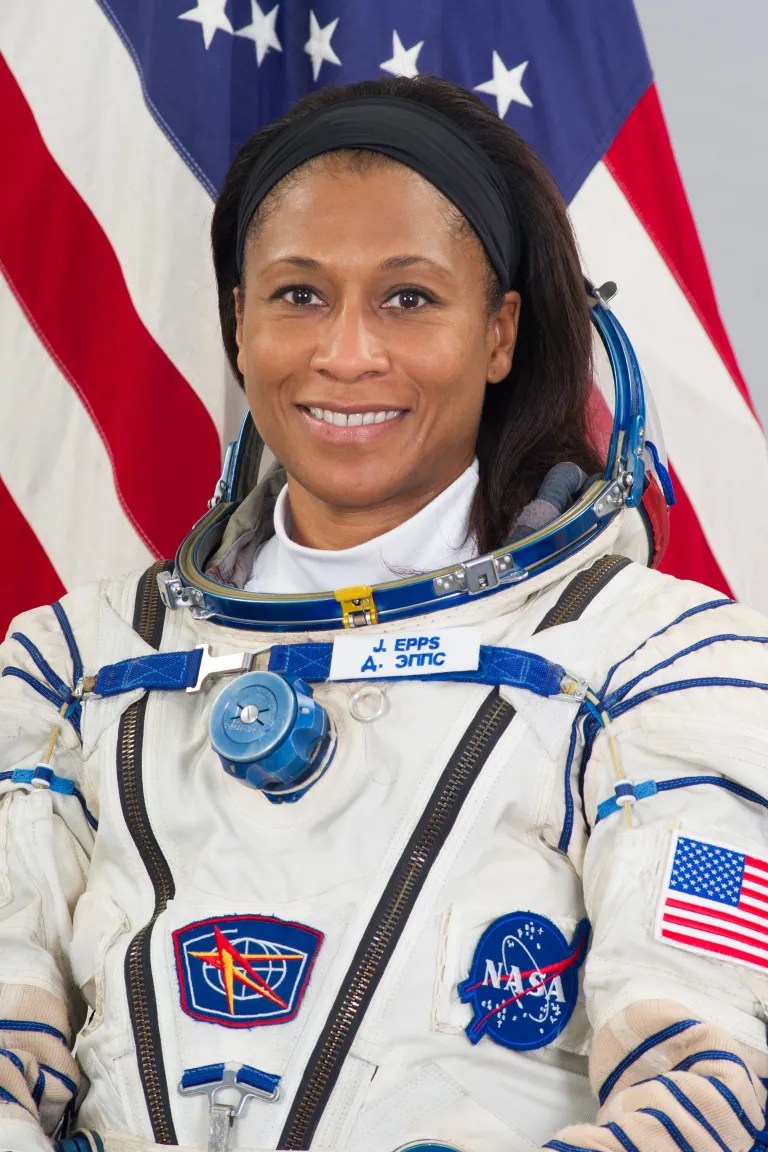
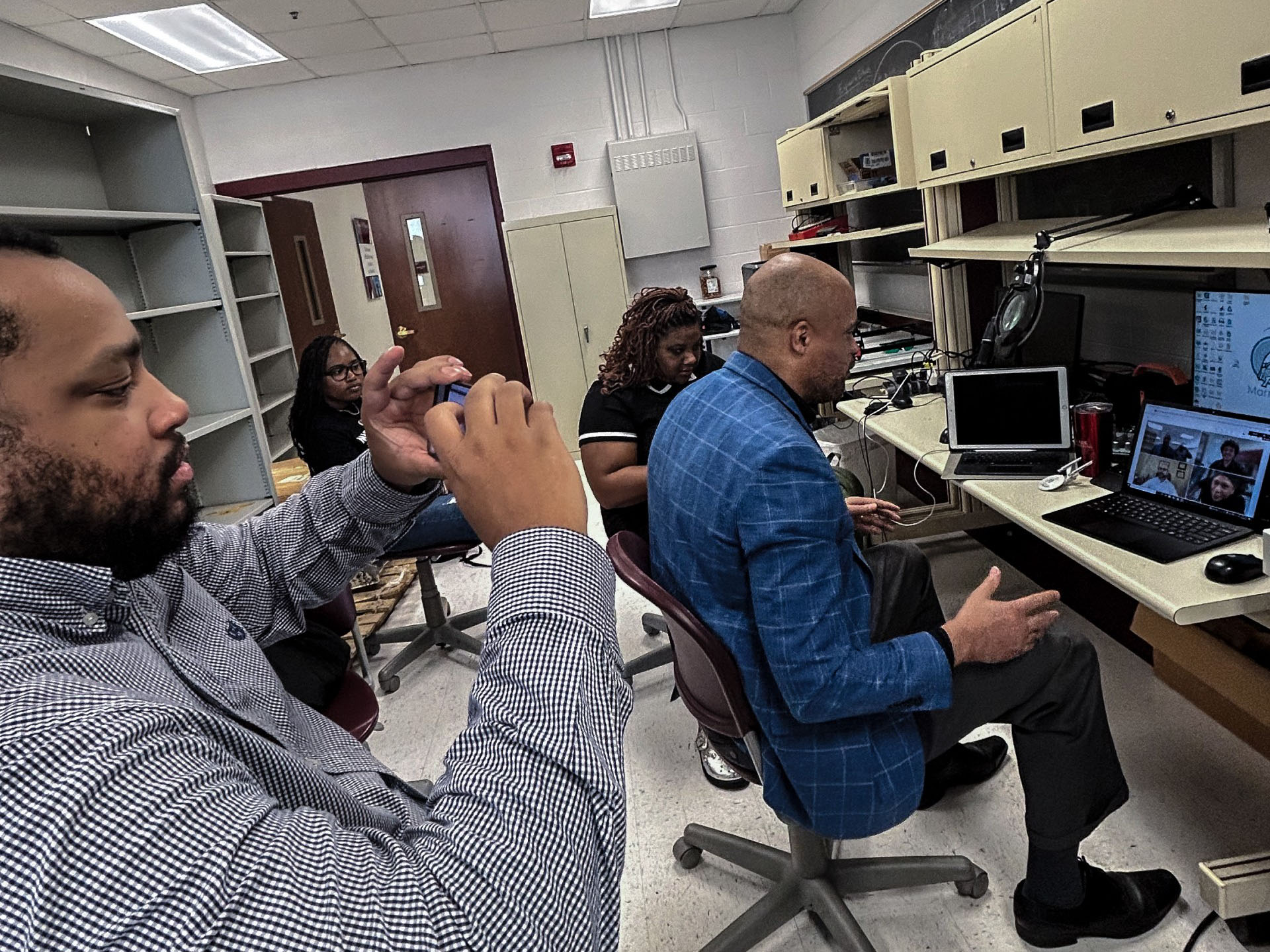
In an inspiring virtual meeting, Dr. Chance Glenn, Sr., a professor of electrical engineering at Alabama A&M University, and four students had the unique opportunity to interview NASA astronaut Dr. Jeanette J. Epps. Epps has spent over seven months aboard the International Space Station. Their conversation provided a firsthand glimpse into life in space, highlighting Epps’s work on NASA’s SpaceX Crew-8 mission.
Photo Courtesy: NASA
Since her launch on March 3, 2024, aboard SpaceX Dragon from NASA’s Kennedy Space Center, Dr. Epps has been engaged in scientific experiments and technology demonstrations essential to advancing space exploration.
Glenn, who recently returned to AAMU from a sabbatical as provost at the University of Houston-Victoria, is leveraging Huntsville’s robust space industry to conduct research in space engineering and technology. He expressed enthusiasm about returning to direct engagement in science and engineering. “While I was an academic administrator, my ability to engage deeply in science and engineering was limited,” he said. “Now, as a faculty member, I can both lead high-level research and guide students in the growing field of space engineering and technology.”
A Conversation With Faculty and Students
Joining Glenn were engineering students Maya Bragg, Danylah Branch, Jaila Brooks, and Keith Rivers. Dr. Clyde Varner, an AAMU chemistry professor leading research on space travel fuel, also joined the call. Epps provided a virtual tour of the ISS and offered views of Earth as it orbited every 90 minutes. “Dr. Epps shared insights into her duties, ranging from conducting sensitive scientific experiments to managing everyday tasks like cleaning,” Glenn noted.
Photo Courtesy: Alabama A&M
Epps also shared insights into the challenges of long-term space travel. She discussed how astronauts maintain their health in microgravity and demonstrating her unique sleeping arrangements to avoid floating away.
The exchange proved to be a source of inspiration for both Glenn and his students. “Dr. Epps is an extraordinary individual, and her visit has energized us all. She has expressed interest in visiting Alabama A&M and becoming involved in our program,” he said. Crew-8 members are scheduled to return to Earth Tuesday, with a splashdown anticipated in either the Atlantic Ocean or the Gulf of Mexico.
Welcome to this week’s HBCU Buzz Football Scoreboard. Our HBCU teams battle it out each week, showcasing their talent, grit, and school spirit. Whether it’s a nail-biting finish or a blowout victory, we’ve got you covered with the final scores.
Virginia State University alum Samia Minnicks is a full-time entrepreneur running a photography business, but she doesn’t simply seek out picture-perfect shots. Instead, she dedicates significant time to unearthing old photographs. Right now, she is especially interested in photos tied to Historically Black Colleges and Universities from the late 1800s and early 1900s that are overlooked due to their weathered conditions. Minnicks digitally restores these damaged and faded images to their original glory.
“Restoring those images gives life to the visual documentation of that strength, and there’s something powerful about seeing the pride and dignity on the faces of those who paved the way,” Minnicks explained.
With homecoming season upon us, Minnicks has launched a special HBCU series on social media to showcase revitalized images from different universities during their early years. She has already restored more than 50 photos from 25 institutions.
“My hope is that this series not only reaches alumni but also sparks curiosity in younger generations. I want it to be a way to bridge the past with the present while celebrating our unique legacy,” explained Minnicks. “HBCU history is Black history, and preserving these images helps us honor that.”
She will share her work on TikTok, Instagram, and Facebook, where she has nearly 40,000 followers across all three platforms. She is eager to receive photos from HBCU students, alums, and communities while connecting with historians, museums, and HBCUs to ensure that captured memories are preserved for future generations.
“It’s like creating a collective photo album of Black culture,” said Minnicks. “These images allow us to see where we’ve come from, the faces that were instrumental in shaping our culture, and they help future generations build on that legacy.”
Photos from the Jim Crow era, which capture the resilience and determination of Black people and the flourishing of HBCUs that provided vital educational opportunities, hold special significance for Minnicks.
“HBCUs have been crucial to the Black experience, but so many of the photos from these institutions—and historic images of Black people in general—are at risk of fading away due to poor preservation or lack of archiving,” said Minnicks. “Restoring these photos gives me the chance to creatively bring our history back into focus, blending my passion for photography, Black history, culture, and art all in one.”
Minnicks describes photo restoration as “a labor of love” that requires technical skill and immense patience. She digitizes the photos and then uses software to fix discoloration, remove scratches, and reconstruct missing parts. Unfortunately, some cherished images are too damaged for her to restore fully.
A Lifelong Connection
For the former VSU Gospel Chorale singer, being part of the choir was a significant aspect of her HBCU experience, deepening her connection to her alma mater and its community. She is particularly drawn to photos that tell the stories of the student life of other HBCU students over the decades. This includes those related to student unions, Greek organizations, leadership, and community involvement.
“It’s incredible to see photos of buildings and areas I’ve walked around, knowing students did the same 100 years ago. The stories behind these photos, like students walking miles just to attend class, or faculty women being the first to vote in their city, make you realize just how significant education was in the fight for equality,” said Minnicks. “They go beyond education and capture leadership, cultural traditions, and evolution, from hairstyles to clothing.”
Minnicks studied business management at VSU, and her photography business, Samia Minnicks Photography, focuses on celebrating light and color—whether through restoring old photos, photographing weddings, or capturing new beginnings. Outside of photography, her dream is to open an aquatic center emphasizing water safety in communities of color.
Those interested in sharing throwback photos with Minnicks can submit them to The Black Photo Vault on Facebook.
Maryland Public Television (MPT) is spearheading the continued expansion of its national HBCU Week programming initiative, including a new slate of 24 short films for the project’s signature YouTube channel, HBCU Week NOW. A trailer for the 2024 content is available here.
MPT is also presenting new programs for national television broadcast over two years, including a new feature film, “Becoming Thurgood Marshall,” following the path of the legendary Supreme Court Justice and Civil Rights icon Thurgood Marshall from HBCUs Howard and Lincoln universities to the NAACP Legal Defense Fund to the nation’s highest court.
Slated for national TV broadcast on PBS in the fall of 2025, “Becoming Thurgood Marshall” is directed and produced by Norfolk State graduate Alexis Aggrey and co-executive produced by Oscar-nominated and Emmy Award-winning filmmaker Stanley Nelson, director of the acclaimed HBCU PBS film “Tell Them We Are Rising.”
In addition to the national release of “Becoming Thurgood Marshall,” the 24 short films are being produced and distributed to the project’s HBCU Week NOW YouTube channel by a growing partnership of PBS member stations and other public media entities, including Black Public Media and public TV’s leading digital channel, WORLD.
The first six shorts began premiering in mid-September to coincide with the 2024 Annual National HBCU Week Conference. These films have been produced by MPT and partner PBS stations Howard University Television, PBS North Carolina, Louisiana Public Broadcasting, WABE (Atlanta), and South Carolina ETV.
“Historically Black colleges and universities are unique and cherished national resources,” said Travis E. Mitchell, MPT senior vice president and chief content officer and co-executive producer of “Becoming Thurgood Marshall.” “We are honored to bring stories of their compelling origins, remarkable innovations, and the iconic leaders they have produced to a broad American audience.”
Launched by MPT as a national project in 2023, HBCU Week NOW’s growth is supported by a new investment from the Corporation for Public Broadcasting (CPB) for 2024 and 2025, along with funding from MPT’s Center for Maryland History Films and Morgan State University.
“CPB’s support for expanding HBCU Week NOW is an investment in the future of our students, empowering communities and ensuring that the rich history and legacy of these colleges and universities continue to inspire and uplift generations to come,” said Patricia Harrison, CPB president and CEO.
Led by MPT, the national project is an outgrowth of the statewide public TV network’s regional HBCU Week celebration. In its fifth year, MPT’s celebration in September provided nearly 30 hours of HBCU content to viewers in the mid-Atlantic region.
Additionally, MPT is continuing its partnership with public TV’s leading digital channel, WORLD, to present national broadcasts of programs on HBCU themes (program and broadcast information below). WORLD will also broadcast the first six short films across WORLD television stations nationwide in February 2025 as part of public media’s celebration of Black History Month.
“We applaud MPT’s unwavering dedication to highlighting our HBCUs each year with its substantive programming for HBCU Week. This unique media event wholly celebrates our Black colleges’ and universities’ historical importance and modern relevance,” said David K. Wilson, president of Morgan State University, a sponsor of the initiative and a leading HBCU.
Congress defines an HBCU as “any historically Black college or university that was established prior to 1964, whose principal mission was, and is, the education of Black Americans.” Today, the 107 HBCUs continue to deliver on the promise of their founding, with more than 237,000 students from diverse racial and ethnic backgrounds currently enrolled, alongside at least one million alumni from all walks of life. HBCUs are among America’s most crucial institutions for providing access to higher education for generations of Americans from diverse backgrounds, including some of today’s most notable individuals such as U.S. Vice President Kamala Harris, Oprah Winfrey, Dr. David Satcher, Samuel L. Jackson, and many others.
“We offer our heartfelt thanks to CPB for its continued support of this groundbreaking project,” added Mitchell. “Among public media’s most important roles is to bring the rich tapestry that is the American story to households across the country.”
This past September, WORLD aired two episodes of its Local, USA documentary series produced in 2023 as part of the initial HBCU Week expansion. HBCU Week: Beyond the Field aired on Monday, September 2, and HBCU Week: Tradition and Competition aired at 9 p.m. on Monday, September 9. Two episodes of MPT’s original series Artworks featuring Howard University alumni – Artworks: Imani-Grace Special and Artworks: The Art of Strings – aired on WORLD in October. These films may currently be found on YouTube on the @HBCUWeekNOW channel.
About Maryland Public Television
Maryland Public Television (MPT) is a statewide, public-supported TV network and Public Broadcasting Service (PBS) affiliate, offering entertaining, informative, educational, and inspiring content delivered by traditional broadcasting and streaming on TVs, computers, and mobile devices. A state agency, it operates under the auspices of the Maryland Public Broadcasting Commission. MPT creates and distributes local, regional, and national content and is a frequent winner of regional Emmy® Awards. MPT’s commitment to educators, parents, caregivers, and learners of all ages is delivered through instructional events and
Thinkport.org. MPT’s year-round community engagement activities connect viewers with resources on a wide range of topics. For more information, visit mpt.org.
About The Corporation for Public Broadcasting(CPB)
The Corporation for Public Broadcasting (CPB), a private, nonprofit corporation authorized by Congress in 1967, is the steward of the federal government’s investment in public broadcasting. It helps support the operations of more than 1,500 locally managed and operated public television and radio stations nationwide. CPB is also the largest single source of funding for research, technology and program development for public radio, television, and related online services. For more information, visitcpb.org, follow us on Facebook and LinkedIn, and subscribe for other updates.
About WORLD
WORLD shares the best of public media in news, documentaries, and programming. WORLD’s original series examine the issues and amplify the voices of those often ignored by mainstream media. The multi-platform channel helps audiences understand conflicts, movements and cultures from around the globe. Its original work has won a Peabody Award, an Alfred I. duPont-Columbia Award, an International Documentary Association Award, a National News and Documentary Emmy Award, two Webby Awards and many others honoring diversity of content and makers. WORLD is carried by 194 member stations in markets representing 77%of US TV households. Funding for WORLD is provided by the Corporation for Public Broadcasting, the John D. and Catherine T. MacArthur Foundation, Wyncote Foundation, and the National Endowment for the Arts. WORLD is produced by GBH in partnership with WNET and is distributed by American Public Television (APT). Find out more at WORLDChannel.org.
About Black Public Media
Black Public Media (BPM) develops, produces, funds, and distributes media content about the African American and global Black experience. Black Public Media supports the development of visionary content creators and distributes stories about the global Black experience to engage audiences and inspire a more equitable and inclusive future.
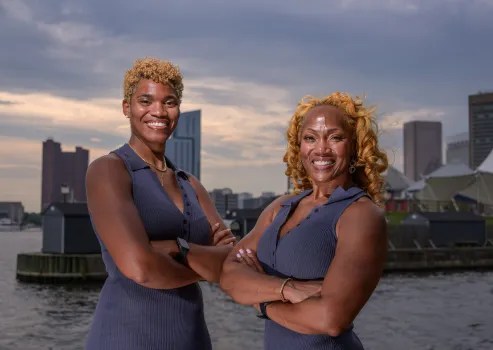
Edy Lawson-Jackson and her daughter, Samira Jackson, have made history as the first-ever mother-daughter duo certified as agents by the NFL Players Association, according to The Baltimore Sun. Their journey is groundbreaking and inspires hope and resilience within the Black community and beyond.
Edy began pursuing a career in sports in the late 1980s, becoming one of the few Black women in an industry historically dominated by men. After years of hard work, she earned her NFL agent certification in 2010. Edy has strongly advocated for her clients while dedicating herself to expanding opportunities for others in sports representation. Her focus is mainly on women and people of color. She graduated from Baltimore City College and earned her juris doctorate from Howard University School of Law.
Inspired by her mother’s pioneering spirit, Samira pursued her path after establishing a career in corporate finance and obtaining a law degree. She followed in Edy’s footsteps and earned her NFLPA certification in 2022. Together, Edy and Samira symbolize the breaking of glass ceilings and the reshaping of narratives for future generations of women in sports.
“Edy is a great example, which means Samira will be two times better. We always hear of generational wealth, but in this case it’s generational opportunity, so I’m not surprised that they’re the first ever,” said Chineze Nwagbo, the NFLPA’s director of player programs and engagement, told the outlet.
Becoming an NFL agent is challenging, requiring rigorous preparation, including comprehensive exams and ongoing education. With only a small fraction of certified NFL agents being women, Edy and Samira’s achievements serve as a testament to what can be achieved against the odds, paving the way for future generations to follow in their footsteps.
The 1890 Land Grant Institution Wildland Fire Consortium has officially opened applications for its Student Firefighter Training Program. This initiative, developed in partnership with the U.S. Forest Service, aims to enhance minority participation in fire management and is modeled after Alabama A&M University’s successful FireDawgs program. Launched in 2009, FireDawgs works to increase student engagement in firefighting management.
The consortium comprises four Historically Black Colleges and Universities, including Alabama A&M, Florida A&M University, Southern University, and Tuskegee University. Students at these institutions receive comprehensive training and expertise in wildland fire management.
The Student Firefighter Training Program offers a fully funded educational experience that includes various events, workshops, and fieldwork designed to equip students with essential firefighting skills. Highlights of the program include:
-Wildland Fire Training: Alabama A&M University (May 27-June 7, 2025), which includes meals and dorm accommodations
To qualify for this prestigious program, applicants must be full-time undergraduate students majoring in forestry, natural resources, or a related discipline, with a minimum GPA of 2.5. Participants will receive a $3,500 stipend, travel support for training and conferences, hands-on fire field training, and valuable fire certifications. The deadline to apply is Oct. 14, 2024.
The 1890 LGI Wildland Fire Consortium addresses the concerning underrepresentation of minorities in forestry and wildfire careers. According to the Society of American Foresters, White non-Hispanic individuals account for 91% of all bachelor’s degrees in agriculture and natural resources. African Americans and Hispanics represent only 1.9% and 3.6%, respectively.
The need for skilled personnel is increasingly urgent. During the peak of the 2022 fire season, over 70 large fires burned nationwide, requiring more than 22,000 responders—nearly three times the 10-year average for July.
Virginia State University is gearing up for an inspiring celebration as it announces the highly anticipated Homecoming Gospel Concert. This event will feature the university’s renowned Gospel Chorale alongside the gospel choirs from Norfolk State University and North Carolina A&T University. It will occur on Sunday, Oct. 6, in Daniel Gymnasium, starting at 4:00 PM.
The Gospel Concert has become a cherished tradition marking the start of Homecoming Week. It represents the first opportunity for the public to engage with the festivities.
“We are so excited to help kick off this year’s Homecoming theme, ‘The Hill Unleashed,’” said Perry Evans II, VSU Gospel Chorale director. “These students work incredibly hard to perform at the highest level, and we can’t wait to put on an amazing show that will inspire and uplift the VSU community and gospel fans alike.”
Tickets for the Gospel Concert are available for purchase online. Following the concert, attendees are encouraged to continue the celebration at the Lighting of the Stadium event at Rogers Stadium, which is free and open to the public.
In line with the Homecoming festivities, VSU also proudly announces the return of its full-route homecoming parade, set to take place on Saturday, Oct. 12, beginning at 9:00 AM. The parade will follow its traditional route, starting at Union Train Station in Old Towne Petersburg and concluding at the VSU Multi-Purpose Center. This restoration to the original route comes after the previous year’s scaled-back event due to bridge repairs.
The 2024 homecoming parade complements the Gospel Concert and embodies this year’s theme, “The Hill Unleashed.” For more information, including the full schedule of events and ticket purchases, click here.
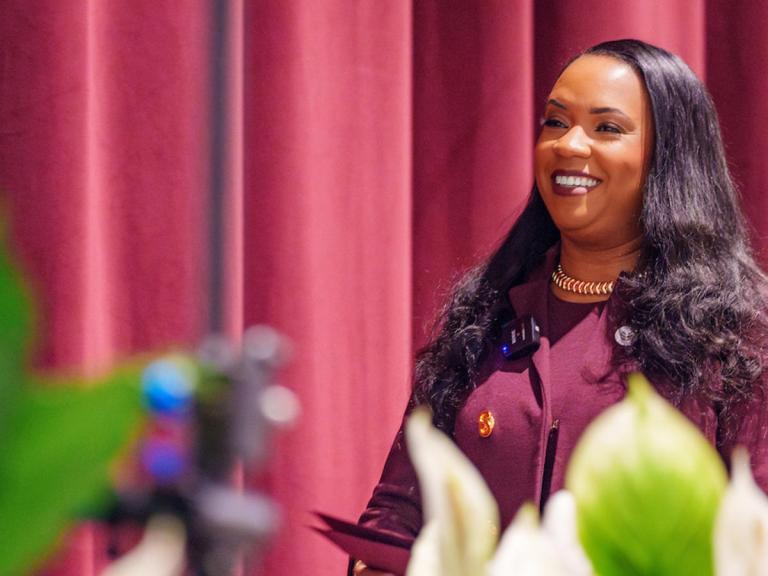
Chancellor Karrie G. Dixon, Ed.D., will be recognized with the prestigious 2024 President’s Lifetime Achievement Award, a testament to her unwavering commitment to service public higher education. Dixon will receive her award during a ceremony on Saturday, Oct. 5, from 4 to 6 p.m. at the NCCU Student Center.
The President’s Lifetime Achievement Award, established by former President George H. W. Bush, honors individuals who dedicate thousands of hours to making a difference in the lives of others. Chancellor Dixon brings over two decades of leadership experience in public higher education. She recently assumed her role as chancellor at NCCU on July 1, 2024.
“Receiving this award is a humbling reminder of the impact we can make when we lead with purpose and compassion,” said Dixon. “It has always been my mission to open doors for others, especially in higher education, and I’m grateful for the opportunity to continue this important work.”
Dixon’s Educational and Community Impact
Dixon’s notable accomplishments include her transformative leadership at Elizabeth City State University, where she was appointed chancellor in 2018. Under her guidance, ECSU reversed a staggering 60% enrollment decline and an accreditation warning within six months. She achieved a 70% increase in enrollment and secured $25 million in private donations. Before her current role, she served as vice president for academic and student affairs for the University of North Carolina System. She spearheaded statewide initiatives such as the College Foundation of North Carolina Pathways and the federally funded NC State Approving Agency there.
Dixon is a proud member of The Links, Incorporated, Jack and Jill of America, and Delta Sigma Theta Sorority, Inc. She serves on the board of Project Kitty Hawk, a nonprofit organization that partners with public universities to enhance opportunities for adult learners, and the Research Triangle Park Foundation. Her contributions to the state were recognized with the Old North State Award, one of North Carolina’s highest honors.
A first-generation college student, Dixon earned her doctorate in higher education administration from North Carolina State University. She focused her research on strategies to assist first-generation students.
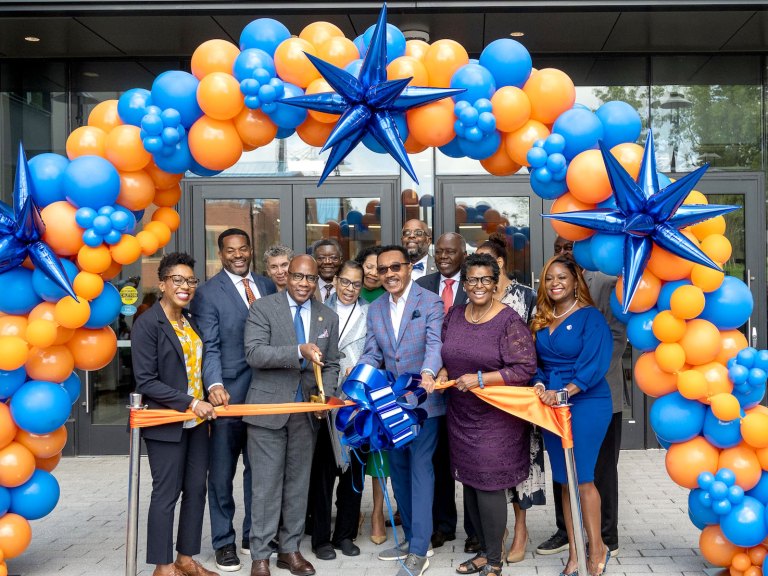
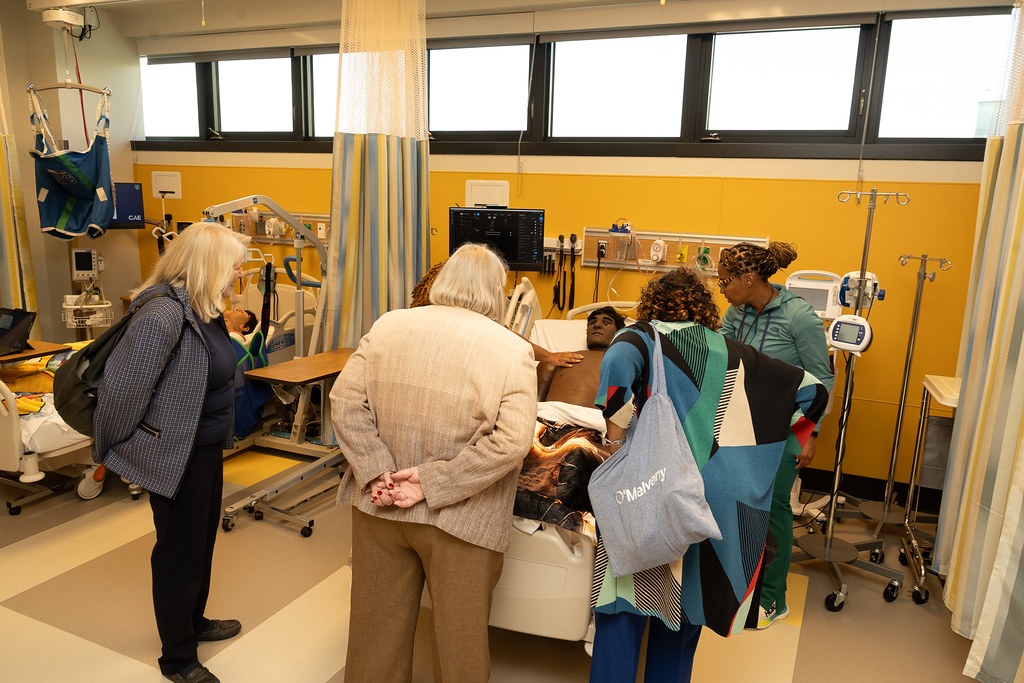
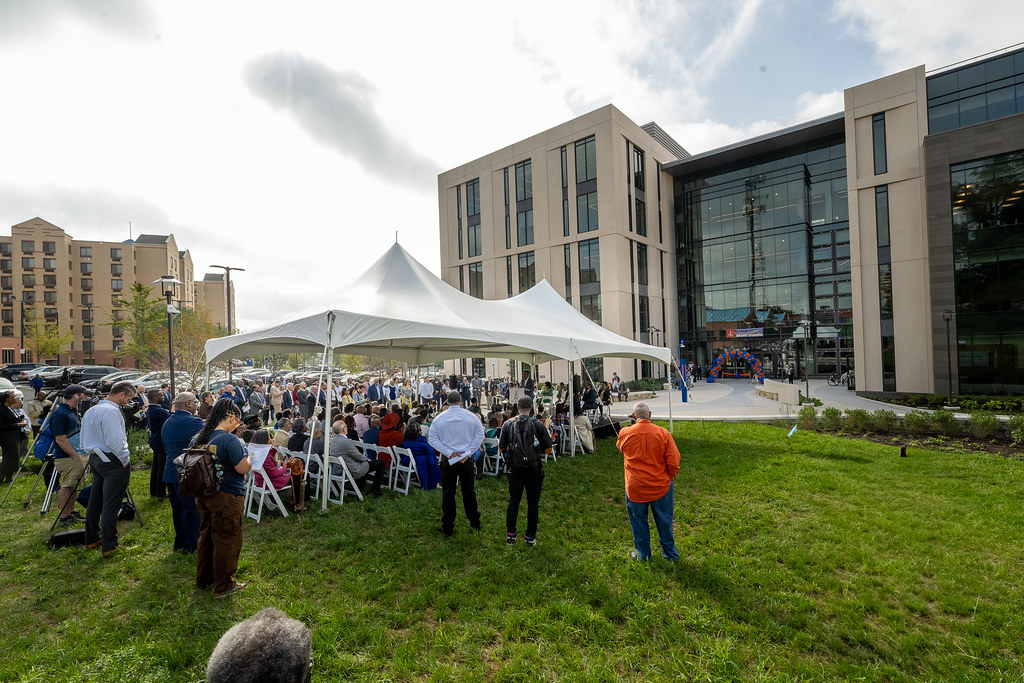
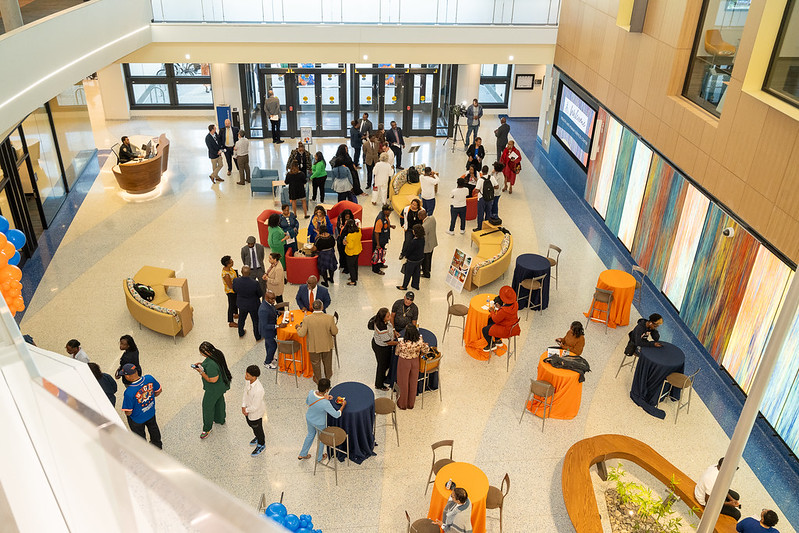
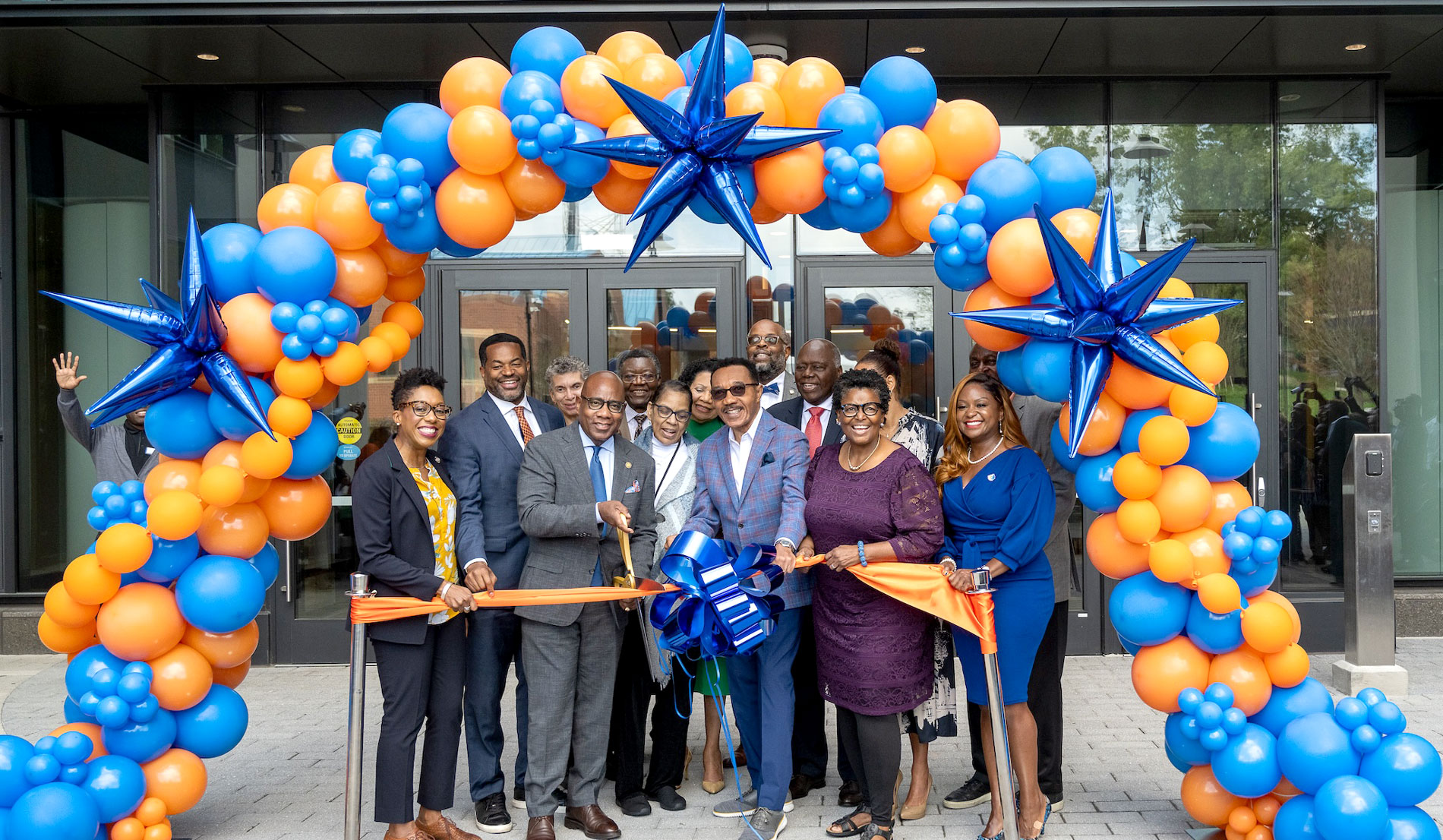
Morgan State University proudly celebrated the grand opening of its new Health and Human Services Center this week. The university unveiled the six-story, 208,000-square-foot facility, which took nearly three years to complete and cost $171 million, during a ceremony attended by students, faculty, alums, and local officials.
Located at the southern entrance of the main campus, the HHSC will house the School of Community Health and Policy, the School of Social Work, and the University Counseling Center, among others. This marks the sixth ribbon-cutting ceremony this semester, highlighting Morgan‘s ambitious development initiatives.
A Center Designed to Enhance Education & The Community
Chairman of the Board of Regents, Kweisi Mfume, emphasized the importance of the Center in addressing health disparities, particularly in underserved communities like Baltimore. “This building is more than a building. It’s a building with a very succinct, real, and necessary purpose. And that is to help the overall wellness of our community,” Mfume stated.
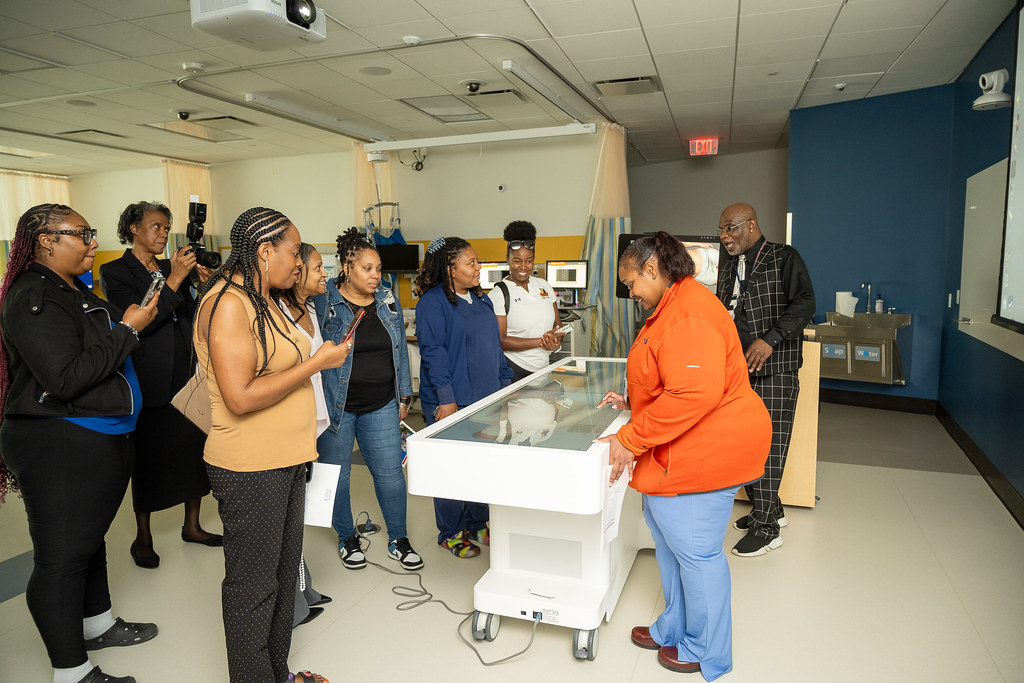
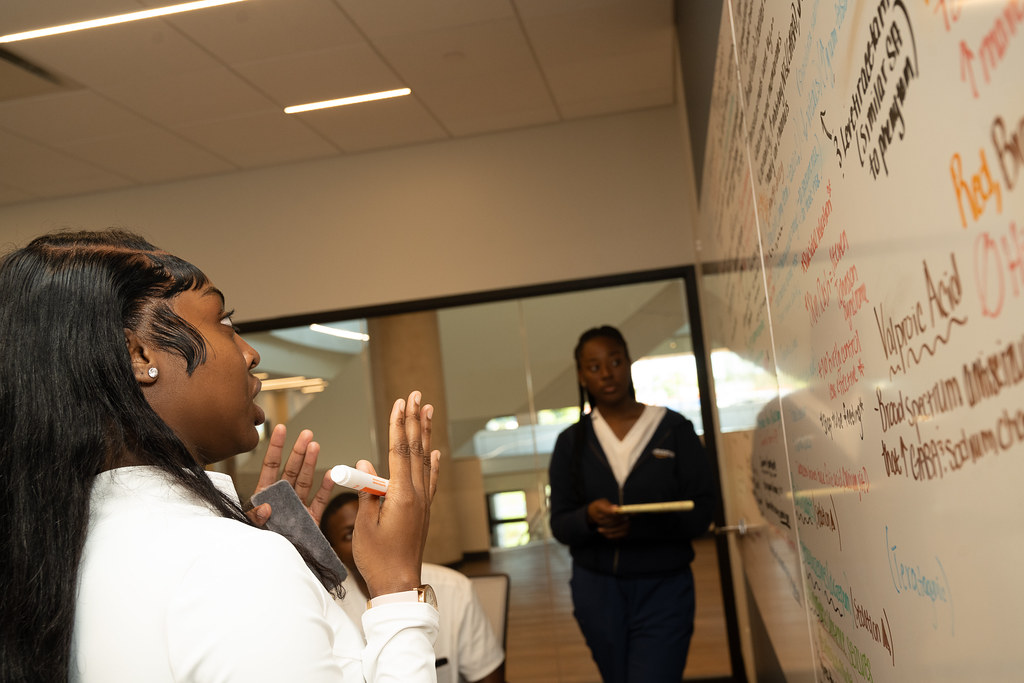
The facility features advanced classrooms, fully-equipped laboratories with designated demonstration areas, and communal spaces. It is designed to attract students to vital fields such as nursing, physical therapy, and nutritional science.
Photo Courtesy: Morgan State UniversityPhoto Courtesy: Morgan State UniversityPhoto Courtesy: Morgan State UniversityPhoto Courtesy: Morgan State UniversityPhoto Courtesy: Morgan State UniversityPhoto Courtesy: Morgan State University
Morgan President David K. Wilson said the new center aligns with the University’s strategic goals, including elevating Morgan to an R1 research institution. He praised the collaborative efforts that brought the vision to life, asserting that the HHSC represents a transformative force not only for the University but also for the broader community.
“Today’s opening is simply a moment to celebrate, but it’s also a moment to challenge ourselves,” said President Wilson. “What will we do with this gift that we have been given? How will we leverage this incredible space to serve our students, our community, and our world? I have no doubt that the work done here will indeed change lives, and that is at the very heart of the Morgan legacy. So let us move forward with pride.”
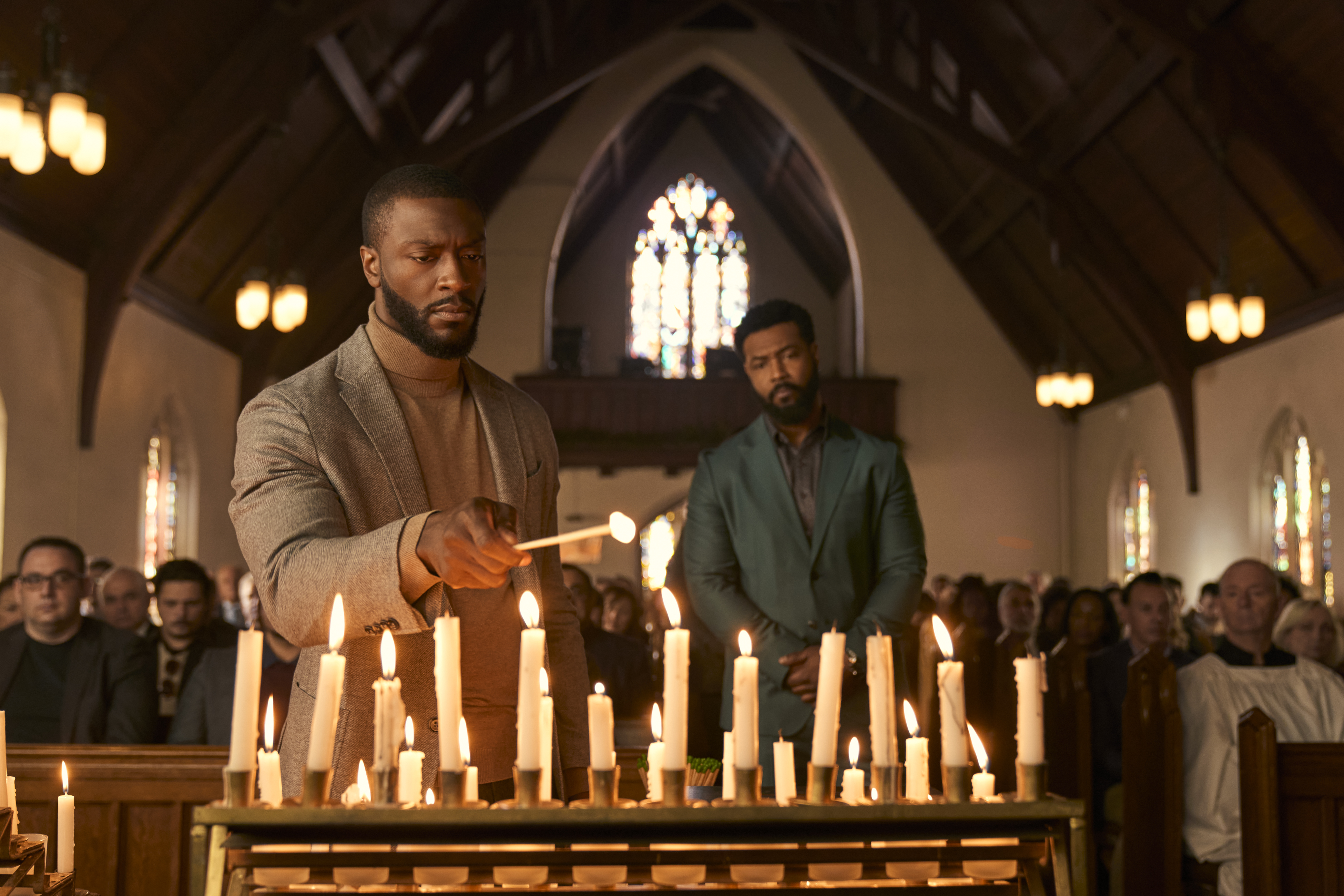
Prime Video has released the official trailer and first-look images for its upcoming crime thriller series, “Cross,” which will premiere on Nov. 14. The three-minute trailer previews how characters from James Patterson’s best-selling Alex Cross book series jump from the pages to the screen with a familiar vibrancy.
Aldis Hodge stars as detective and forensic psychologist Alex Cross, and his performance in the trailer feels undeniably connected to the book series. He nails the dedication, determination, and meticulousness of the book detective. There’s also a glimmer of wit that suggests we’re in for more than just a traditional crime drama.
Photo Courtesy: Prime VideoPhoto Courtesy: Prime VideoPhoto Courtesy: Prime VideoPhoto Courtesy: Prime VideoPhoto Courtesy: Prime Video
Created by showrunner and writer Ben Watkins, the trailer promises a classic good vs. evil narrative, yet it’s clear that the conflict between Cross and his adversaries will be anything but simplistic. In season one, Detective Cross confronts a sadistic serial killer who is leaving a trail of bodies throughout the city. As Cross and his partner pursue the killer, a threat from his past emerges, threatening to unravel the life he has fought to protect, including his grieving family and career.
The series comprises eight episodes that will be available exclusively on Prime Video in over 240 countries and territories worldwide. Before its debut, “Cross” was renewed for a second season during Prime Video’s inaugural Upfront presentation.
In addition to Hodge, who also serves as a producer, the cast includes Isaiah Mustafa, Juanita Jennings, Alona Tal, Samantha Walkes, Caleb Elijah, Melody Hurd, Jennifer Wigmore, Eloise Mumford, and Ryan Eggold.
“Cross” is a collaborative production involving Amazon MGM Studios, Paramount Television Studios, and Skydance Television. With executive producers like Watkins and Patterson himself, anticipation is building for what promises to be a thrilling addition to the genre. “Cross” will be a must-watch for anyone who loves a gripping detective series.
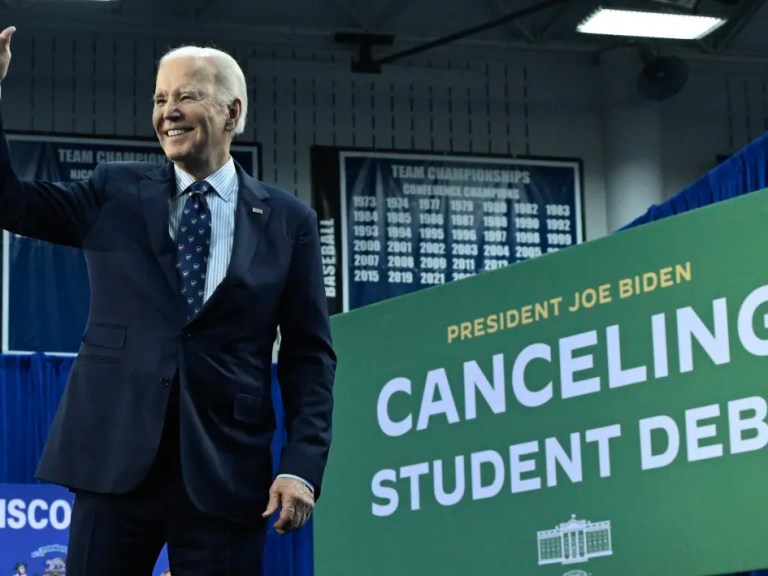
A federal judge has allowed a temporary restraining order against President Joe Biden’s new student loan forgiveness plan to expire. U.S. District Judge Randal Hall in Georgia ruled that the state of Georgia lacked standing to sue over the Biden administration relief effort. If implemented, the plan could relieve tens of millions of Americans, and according to the Center for American Progress, three out of every four federal student loan holders.
This decision stems from a lawsuit filed by seven GOP-led states: Alabama, Arkansas, Florida, Georgia, Missouri, North Dakota, and Ohio. These states argue that the U.S. Department of Education’s debt cancellation initiative is illegal. However, Judge Hall directed that the case be transferred to a Missouri federal court, where claims are centered on how Biden’s plan allegedly threatens the interests of the Missouri Higher Education Loan Authority, a student loan servicer.
Just ahead of the November elections, Hall’s ruling means the Biden administration can move forward with its student loan forgiveness strategy. In a statement, a spokesperson for the U.S. Department of Education praised the ruling, which indicated that Georgia had “no legal basis” to challenge the plan. However, they criticized the ongoing litigation as an effort by Republican officials to obstruct relief for millions of borrowers.
President Biden’s student loan forgiveness initiative aims to assist various groups, including those who owe more than their original loan amounts, long-term borrowers, individuals from low-value schools, and those eligible for existing forgiveness programs but who have yet to apply.