The Central Intercollegiate Athletic Association has announced the introduction of Women’s Flag Football at seven member institutions, set to debut in Spring 2025. This landmark initiative aims to enhance female participation in sports and aligns with the NCAA’s recognition of women’s flag football as an emerging sport.
The universities participating in this pioneering venture include:
– Bluefield State University
– Bowie State University
– Claflin University
– Fayetteville State University
– Johnson C. Smith University
– Virginia Union University
– Winston-Salem State University
“We’re incredibly excited for the continued growth of the CIAA as we add women’s flag football to the many sports that our historic conference offers to our student-athletes” said CIAA Commissioner Jacqie McWilliams-Parker. “The opportunity to not only expand, but giving young women the opportunity to be at the forefront of the expansion and provide another phenomenal competitive opportunity is one we’re proud to offer and we look forward to seeing these ladies take the field and commence a new era. We’re also incredibly grateful for the NFL’s role in providing all the necessary assistance to help grow this sport throughout the nation at all levels.”
The Setup
Each Women’s Flag Football league team will have an average roster of 25 players. They will compete in a 7-on-7 format on an 80×40-yard field. Games will feature four 12-minute quarters.
The rise of flag football has garnered substantial support from the NFL, which has been instrumental in promoting the sport across various levels. NFL facilities and stadiums have hosted numerous competitions and clinics aimed at engaging young athletes. A remarkable turnout was noted this past year, with over 700,000 youth participating in NFL FLAG leagues, nearly 500,000 of whom were female. Additionally, 13 states have now sanctioned girls’ flag football as championship sports, reflecting the dedication of the NFL and RCX Sports, the official operator of NFL FLAG.
“The RCX Sports Foundation is proud to award a grant to the CIAA Conference to help launch women’s flag football in spring 2025 as part of our mission of ‘Sports for All,'” said RCX Sports CEO Izell Reese. “This grant ensures that CIAA female student-athletes have the opportunity to excel in a growing sport, fostering an inclusive environment where all athletes can thrive.”
As it prepares to kickoff, the league anticipates this initiative’s positive impact on the participating institutions and their student-athletes.
Delaware State University alumnus Norman Oliver has made a generous donation of $200,000 in a remarkable show of support for his alma mater. The unrestricted contribution was announced during the university’s Homecoming Weekend, which attracted over 15,000 attendees on October 5.
Courtesy of Delaware State University
A member of the Class of 1985, Oliver, who owns Rock Solid Construction and engages in various philanthropic endeavors, credits his success to the education and opportunities he received at DSU. “I was just a guy from the South Bridge Project (in Wilmington), but Del State helped me develop my leadership skills,” said Oliver. “Without Delaware State College/Delaware State University, I wouldn’t be where I am today.”
Oliver has made a significant impact in his community, building over 30 affordable housing units through his non-profit organization, Our Youth, Inc. Additionally, his company, NOR Enterprises, provides essential school transportation for homeless children. A former Wilmington City Councilman and a past member of the DSU Board of Trustees, Oliver has led community initiatives such as the “Stormin’ Norman Basketball League” and his annual Thanksgiving Turkey Giveaway.
Giving Back to DSU
While at Delaware State College, Oliver demonstrated exceptional leadership skills, serving as president of the Freshman Class, the Men’s Council, and the Kappa Alpha Psi Fraternity, Inc. chapter. He culminated his undergraduate experience by becoming the president of the Student Government Association.
Dr. Tony Allen, President of DSU, praised Oliver’s contribution and unwavering commitment to the institution. “Storm is my friend, but that is not why he gave such a historic contribution,” Dr. Allen said. “He epitomizes our fundamental philosophy, ‘enter to learn, go forth to serve.’ He knows who we are and what we are trying to become and is doing all he can to make sure we reach our goals. Whether it is $100 a month or a regular representation of this grand institution, that is what Alumni support is all about”
Oliver’s latest gift ensures that future generations can access the same opportunities he received.
Wilberforce University is excited to announce the highly anticipated debut album of its esteemed Wilberforce University Chorus, “A Brand-New Day.” The album will be released on Nov. 15, 2024.
This milestone marks a significant moment in the chorus’s history, re-establishing their presence in the musical landscape after years of preparation and anticipation. Known for their uplifting performances and profound emotional connections with audiences, the Wilberforce University Chorus consists of talented students from diverse backgrounds bound together by their passion for music.
For years, the WU Chorus has captivated listeners with powerful vocal performances that resonate deeply within the soul. With “A Brand-New Day,” they promise to uphold this cherished tradition, showcasing a rich tapestry of harmonies, soulful melodies, and vocal fervor that promises to enchant fans and newcomers alike.
“We are beyond thrilled to share ‘A Brand-New Day’ with our community, supporters, and music enthusiasts worldwide,” exclaimed Dr. Justen Seay, director of the Wilberforce University Chorus. “This album is a testament to our new chapter, the journey ahead, our unwavering growth, and the vibrant spirit that embodies Wilberforce. We are confident it will resonate deeply with listeners, filling their hearts with the same joy and exhilaration that has fueled our own musical journey.”
Starting today, fans can pre-order “A Brand-New Day” to ensure they are among the first to experience this extraordinary compilation of talent and artistry. The release is not only a celebration of the work and dedication of the Wilberforce University Chorus but also a testament to the resilience and commitment of its members.
The album is available for purchase online and at Wilberforce Chorus public performances, allowing fans to own a piece of history created.
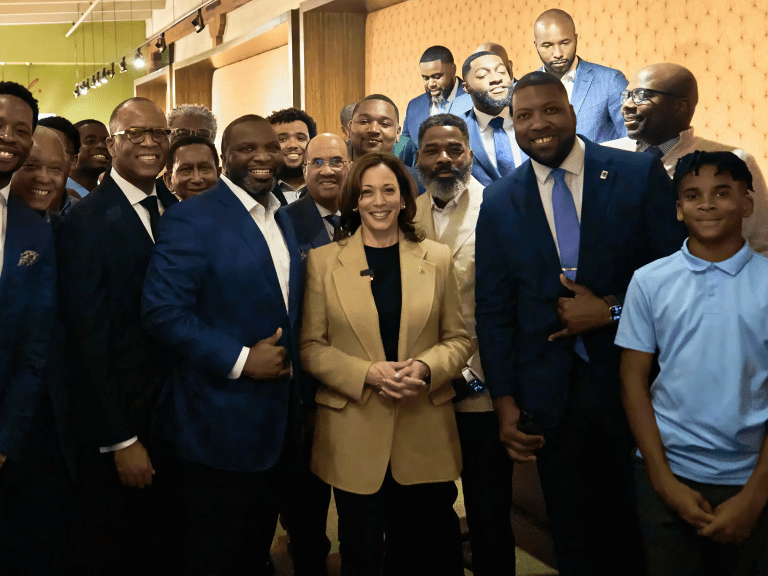
In a bold move to engage Black voters, Vice President Kamala Harris released an Opportunity Agenda for Black Men this week. The agenda aims to equip Black men with the resources needed to achieve financial stability and positively impact their communities. It is part of Harris’s ongoing commitment to ensuring that Black men not only “get by” but thrive in various aspects of life, from entrepreneurship to health equity.
“There’s wide-ranging policies that she’s laid out to go after price gouging, to go after building more affordable homes, to go after making sure that we’re lowering rent costs, lowering gasoline prices in this country. We also acknowledge that we have all those things, but we also have to talk specifically about what we are doing to help black men,” Harris-Walz principal deputy campaign manager Quentin Fulks told HBCU Buzz.
Opportunity for Black Men Initiatives
The centerpiece of the agenda is the introduction of one million forgivable loans of up to $20,000 for Black entrepreneurs. This initiative seeks to remove barriers that often hinder access to capital, empowering individuals to start and grow businesses in underserved communities. Harris aims to partner with the Small Business Administration and mission-driven lenders to support small business innovation and expansion.
Recognizing the importance of education and representation, the plan also emphasizes recruitment and training for Black male teachers – a vital demographic given that only 1% of public school teachers are Black men. The vice president has pledged to invest in mentorship programs and pathways into teaching while promoting registered apprenticeships and credentialing opportunities within high-demand sectors. She also plans to strengthen the Public Service Loan Forgiveness Program to recruit and retain Black male teachers.
Moreover, the agenda addresses the rising interest in cryptocurrency among Black Americans, proposing a comprehensive regulatory framework to safeguard investments. In a proactive health initiative, Harris announced a National Health Equity Initiative targeting conditions disproportionately affecting Black men, including diabetes, sickle cell disease, and prostate cancer, along with a commitment to capping insulin costs at $35 per month.
Harris’s agenda extends to the legalization of recreational marijuana, creating job opportunities within the industry for those historically over-policed for marijuana offenses.
Highlighting the contrasting approaches to Black empowerment, Fulks pointed out that, unlike the Opportunity Agenda, former President Donald Trump’s promises lack specificity.
“The one thing that’s very important to the vice president is, not only are these policies going to be impactful, they’re also achievable,” said Fulks. “The vice president is not out here just spouting out things that people want to hear. It was really important to her that in this policy agenda. Everything that she is laying out is going to be achievable, and that is what you see in front of you.”
Meeting Voters Where They Are
As part of the rollout, the Harris-Walz campaign will host events like “Black Men Huddle Up” watch parties in battleground states, facilitating discussions on the election’s significance for Black communities. In addition, the campaign plans to spotlight economic freedom through talks led by influential Black business leaders.
With this comprehensive agenda, Vice President Harris aims to foster an empowering environment for Black men across America, ensuring they have the tools necessary to lead, innovate, and thrive.
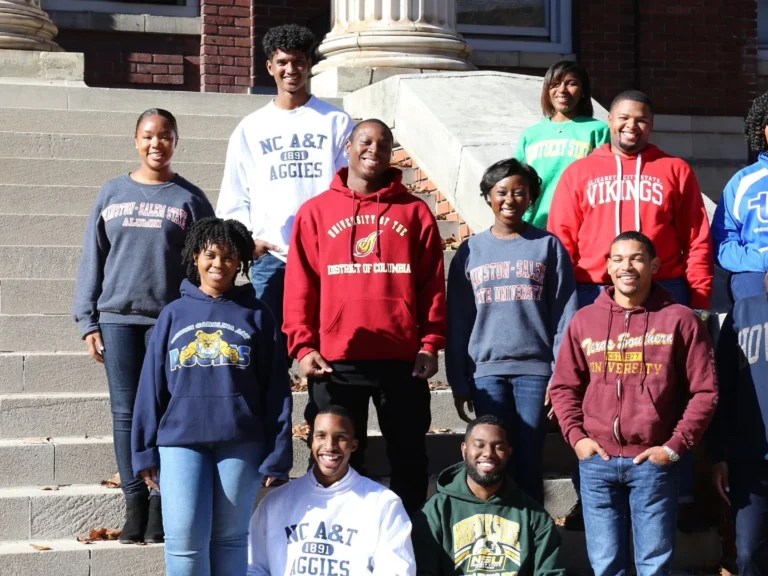
Historically Black Colleges and Universities have been pivotal in providing educational opportunities for Black Americans since their inception over 150 years ago. A recent Pew Research Center report highlights a significant shift in enrollment patterns, which has implications for the future of HBCUs.
As of fall 2022, there were 99 HBCUs across the United States, collectively enrolling 290,000 students, according to data from the National Center for Education Statistics. This figure represents a 30% increase from 1976 when enrollment was just over 222,000. Enrollment peaked in 2010 at over 326,000 students, reflecting broader trends in U.S. higher education that saw total college enrollment soar during the same period. While overall college enrollment increased from about 11 million in 1976 to over 21 million in 2010, numbers have since receded, with approximately 18.6 million students enrolled in colleges as of 2022.
A Demographic Shakeup
Despite the growth in overall enrollment figures at HBCUs, the demographic makeup of their student bodies has changed markedly. Between 1976 and 2022, the percentage of Black students attending HBCUs increased by 15%, significantly lower than the 117% rise in students of other racial and ethnic backgrounds who chose these institutions. Consequently, the proportion of Black HBCU students has declined from 85% in 1976 to 76% in 2022.
This trend mirrors broader demographic shifts in higher education. At all colleges and universities nationwide, Black student enrollment increased by 125% during the same period, indicating that while HBCUs remain crucial for many, more Black students are finding opportunities elsewhere. Even so, HBCUs accounted for 16% of the bachelor’s degrees earned by Black college students in the 2021-22 academic year.
A Challenging Shift for HBCUs
The decline in the percentage of Black students attending HBCUs reflects a broader context of desegregation and evolving financial landscapes that provide more options for Black Americans seeking higher education. Recent Supreme Court rulings may further complicate admissions policies, potentially impacting enrollment patterns at HBCUs.
Furthermore, many HBCUs face significant financial hurdles. According to a 2023 analysis, Black land-grant institutions have historically received substantially less state funding than their counterparts since 1987, leading to resource disparities that could affect their long-term sustainability.
In summary, while HBCUs continue to be vital in educating Black students, shifting demographics and funding disparities present ongoing challenges. As these historic institutions navigate changes in the higher education landscape, their role in fostering academic excellence and community support remains crucial.
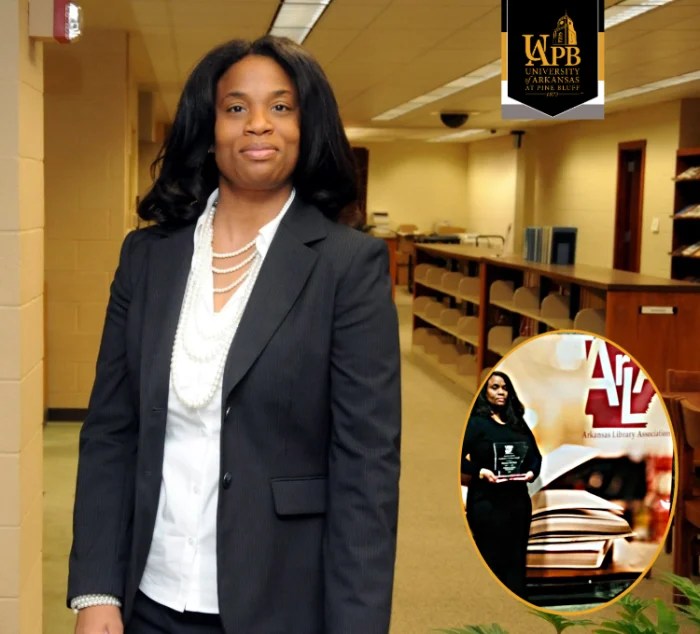
Shenise McGhee, the librarian at the John Brown Watson Memorial Library at the University of Arkansas at Pine Bluff, was honored by the Arkansas Library Association on Oct. 5, during its annual conference, with the prestigious 2024 Suzanne Spurrier Academic Librarian Award.
Courtesy of the University of Arkansas at Pine Bluff
The Suzanne Spurrier Award, established in 2001 in memory of the former Director of the Brackett Library at Harding University, recognizes a librarian who exemplifies exceptional service, dedication, and professionalism within the academic library community in Arkansas. McGhee’s receipt of this award reflects her unwavering commitment to her students and the broader library profession.
During the awards banquet, McGhee accepted her accolade and delivered an insightful presentation titled “How Artificial Intelligence Impacts Academic Libraries and Library Outcome of Information Literacy.” Her discussion focused on the implications of artificial intelligence for teaching information literacy skills across higher education and K-12 environments, highlighting the necessity for adaptation in the evolving educational landscape.
Committed to Student Success
“Ms. McGhee’s outstanding service to student success, community service, and unwavering dedication to providing resources, guidance, and support had made a profound impact on my academic journey. I am proud of her accomplishments,” said Messhirya Harris, a UAPB student majoring in Agriculture Business.
With 16 years of experience in academic librarianship, McGhee has developed innovative programs to enhance student success, such as the UAPB Library Study Hall Program. She actively connects with the campus community through initiatives like the Annual Back to School Supplies Giveaway and by providing nursing students with essential clinical uniforms. Additionally, she serves as an advisor for two student organizations, further illustrating her commitment to student development.
“Shenise’s dedication to intellectual freedom and advocacy within the library community is truly inspiring,” commented Lynn Valetutti, director of the library and LMS Departments at National Park College. “Her extensive involvement with these committees demonstrates a profound commitment to promoting access and equity in information services.”
Making an Impact on Multiple Levels
Beyond her local contributions, McGhee’s passion for librarianship extends to her active participation at the national level. She currently serves on the ALA Joint Digital Content Working Group and contributes to Library Bill of Rights discussions. Her extensive involvement includes roles with the Arkansas Library Association, where she has served as a past board member and chair of the Intellectual Freedom Committee, alongside significant positions with the ALA’s Advocacy and Policy Committee.
McGhee’s research interests encompass intellectual freedom, open educational resources, assessment, and information literacy instruction. She holds a master of science in library science from the University of North Texas and a second master of science in higher education from Walden University, complemented by two graduate academic certificates. Her scholarly contributions are recognized through publications in multiple librarianship journals, including the Arkansas Library Journal and Library Journal, and her role as a reviewer for the Journal of New Librarianship.
Shenise McGhee’s recognition as the 2024 Suzanne Spurrier Academic Librarian Award recipient not only honors her achievements but also underscores the vital role that academic librarians play in fostering educational success and promoting equitable access to information within their communities.
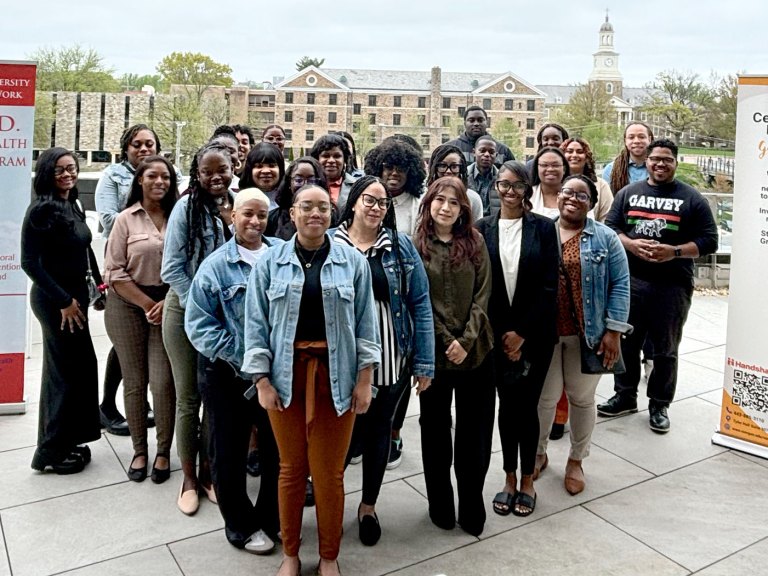
In a pivotal step towards addressing the ongoing opioid epidemic, the Maryland Department of Health’s Behavioral Health Administration has awarded Morgan State University’s School of Social Work a $500,000 grant. This funding, part of the State Opioid Response initiative and supported by the U.S. Department of Health and Human Services’ Substance Abuse and Mental Health Services Administration, aims to equip future social work professionals with specialized skills to tackle opioid misuse and its associated challenges.
The SHIELD Fellowship
The grant will establish 38 student fellowships for undergraduate seniors and master’s degree candidates, along with eight doctoral training fellowships, under the newly formed Substance Use Disorder and Health Initiative for Education and Leadership Development. Participants in the SHIELD initiative will receive targeted training in trauma-informed care and substance use disorder management. The goal is to enhance their capabilities to address pressing behavioral health issues in urban communities.
“The SHIELD initiative is a commitment to creating systemic change by developing leaders in behavioral health,” stated Dawn Thurman, Ph.D., associate professor, and project co-principal investigator. “This grant allows us to expand access to essential training, ensuring our students are prepared to tackle the opioid crisis and behavioral health challenges. Our focus on workforce development aligns with SAMHSA’s priorities, and we are proud to be part of the solution to reduce unmet treatment needs across Maryland.”
A Growing Concern
According to provisional data from the CDC’s National Center for Health Statistics, approximately 107,543 drug overdose deaths occurred in the United States in 2023, underscoring the urgent need for comprehensive intervention strategies. The SOR grant program was established to provide resources to combat the opioid crisis, focusing on increasing access to FDA-approved medications for opioid use disorder and supporting a range of prevention, treatment, and recovery services. This initiative aims to reduce unmet treatment needs, particularly in underserved areas.
In addition to expanding current efforts, the SHIELD initiative will integrate trauma-informed care and opioid use disorder prevention into the behavioral health workforce training. This marks a significant expansion in scope for Morgan State. “This federal and state partnership enables Morgan to participate in the national dialogue on developing systems and networks of care to save and improve the lives of individuals, families, and communities affected by the overdose crisis,” said Melissa Littlefield, Ph.D., co-principal investigator and associate professor at the university.
Enhancing the Curriculum
To further enhance educational opportunities, the School of Social Work plans to develop new courses related to behavioral health, substance use disorders, and trauma-informed care as part of the social work curriculum. The grant is initially awarded for one year and has the potential for renewal.
Morgan State can explore collaborations with community organizations and other educational institutions to bolster the SHIELD Initiative’s workforce development efforts.
In a world full of entrepreneurs, few stories are as inspiring as Anastasia Jackson’s. Jackson, a 2021 graduate of Howard University, is a dynamic innovator. As the founder of WENITE, she is on a mission to revolutionize Historically Black Colleges and Universities with cutting-edge SMART technology, reshaping the way these institutions operate and serve their communities.
Courtesy of Anastasia Jackson
Jackson’s Journey of Innovation
Anastasia’s entrepreneurial journey took flight in 2019 while she studied sports medicine at Howard University. She took the obstacles she faced as a first-generation student and transformed them into stepping stones toward her passion for innovation. “What really drove me was the realization that HBCUs were facing infrastructure challenges, and that’s how WENITE was born,” she explains. This drive led to the development of SMART campuses, a niche in which WENITE stands alone, dedicated to addressing the unique needs of HBCUs.
Navigating the tech landscape as a young Black woman has not been without its hurdles. Jackson faced skepticism and had to work tirelessly to secure funding for her vision. Yet, support from her HBCU community never wavered. “The support from my HBCU community has been invaluable, and each obstacle has made WENITE stronger and more resilient,” she reflects.
The Mission of WENITE
Courtesy of Anastasia Jackson
WENITE is more than just a tech company. It is a solution-oriented organization committed to building SMART campuses for HBCUs by integrating AI and blockchain technology into everyday operations. From streamlining scheduling to enhancing cybersecurity, WENITE aims to solve real-world challenges that universities face. “We’re proud of the impact we’ve made and how deeply rooted we are in research and innovation,” Jackson states. Its commitment to understanding HBCUs’ distinctive needs sets WENITE apart from competitors.
Jackson’s efforts have not gone unnoticed. Her proudest moment came in 2023 when she won the prestigious Black Ambition Prize. This recognition was pivotal for WENITE, opening doors to crucial conversations with HBCU leaders and validating the importance of its work. “It gave us the momentum we needed to push forward with our mission of transforming education through technology,” she shares, reflecting on the resources and support provided by Black Ambition that have been instrumental in her journey.
Courtesy of Anastasia Jackson
The Impact of Howard University
For Jackson, attending Howard University was more than an academic experience; it was a transformative journey that instilled in her the confidence, voice, and resilience needed to thrive as an entrepreneur. “Howard taught me the importance of community, and it was here that I saw firsthand the challenges HBCUs face.” She notes this value as driving WENITE’s mission to empower universities through innovative technological solutions.
Looking Ahead
As WENITE gears up for its next chapter, Jackson is focused on launching its first paid pilot program in collaboration with HBCU coalitions. She is also eager to build strategic partnerships with organizations that align with WENITE’s vision of tech-driven education solutions. “Scaling WENITE through these partnerships will allow us to expand our impact, reach more universities, and solidify our position as leaders in building SMART campuses across the African Diaspora,” Jackson emphasizes.
Anastasia Jackson is a true trailblazer, demonstrating how innovation and determination can create lasting change in the HBCU community and beyond.
Grace Bullock, a senior public relations major at North Carolina Agricultural and Technical State University, is making an impact this Homecoming season with the unveiling of her latest entrepreneurial venture, “The University Collection.” This exclusive merchandise line is a tribute to Aggie pride, debuting just in time for the 98th edition of the Greatest Homecoming on Earth.
Following her successful launch of DeEtte Market in December 2023, Bullock has crafted a collection featuring mulberry silk scarves. Each scarf showcases one of four unique designs inspired by the spirit and traditions of N.C. A&T. Only 65 pieces are available in each design.
“I want this to be an annual launch that Aggies can look forward to around Homecoming each year,” Bullock expressed. “Celebrating the festivities with something special and new each year is important to me, and I hope these scarves become a cherished tradition.”
Beyond just artistry, “The University Collection” embodies Bullock’s commitment to giving back to the Aggie community. A portion of the proceeds will be reserved to support juniors preparing for their senior year at N.C. A&T. Each year, a randomly selected junior will receive financial assistance to help alleviate their account balance.
“As an out-of-state student, I understand the financial burden that comes with it,” Bullock said. “I want to help lift that burden so students can focus on excelling in their studies. It’s important to me that students who might not have a 3.5 GPA or higher aren’t overlooked for financial assistance. My goal is to make a difference for those majoring in business or journalism and mass communication.”
“The University Collection” is now available for presale on the DeEtte Market website and coincides with the return of the beloved DeEtte Market nutcrackers.
Welcome to this week’s HBCU Buzz Football Scoreboard. Our HBCU teams battle it out each week, showcasing their talent, grit, and school spirit. Whether it’s a nail-biting finish or a blowout victory, we’ve got you covered with the final scores.
Courtesy of North Carolina Central University Athletics
Tennessee State University is facing an urgent financial crisis as it prepares to launch its inaugural Division I men’s ice hockey program. As Meredith Turits revealed in Front Office Sports, immediate action is necessary to ensure the success of this groundbreaking initiative.
With the first season set to begin in 2025-2026, the Tigers are gearing up for what promises to be an exciting chapter in the university’s sports history. The introduction of the men’s ice hockey team represents a significant milestone for TSU.
In April, TSU appointed Dominique Abercrombie as the first Black male head coach in NCAA Division I hockey history. However, the university’s financial situation complicates preparations for the upcoming season. Budget mismanagement caused the financial emergency, which has left TSU ill-equipped to tackle the challenges ahead.
Caught in the Middle
Recent reports have spotlighted alarming issues within the university’s finances, including structural deficits and chronic state underfunding exceeding $2.1 billion over the past 30 years. Additionally, there were mismanaged federal relief funds during the COVID-19 pandemic, deficiencies in scholarship offerings, a drop in enrollment, and outdated financial controls.
An NHL Industry Growth Fund feasibility study highlighted significant financial barriers to launching a new athletic program. In response, the Nashville Predators have offered their support, providing the Tigers with access to one of their Ford Ice Centers.
Currently, Coach Abercrombie’s salary is the only coaching position fully funded by the university. As the Tigers prepare to compete against teams in the Midwest and northern cities, the need for additional funding for lodging, logistics, and other operational costs becomes increasingly apparent.
With nearly $2.5 million already earmarked for initial investments, the university must act swiftly to establish a competitive men’s ice hockey team to secure the necessary sponsorship funding.
As TSU navigates these challenges, the success of its men’s ice hockey program could pave the way for a brighter financial future and further elevate the university’s status in collegiate athletics.
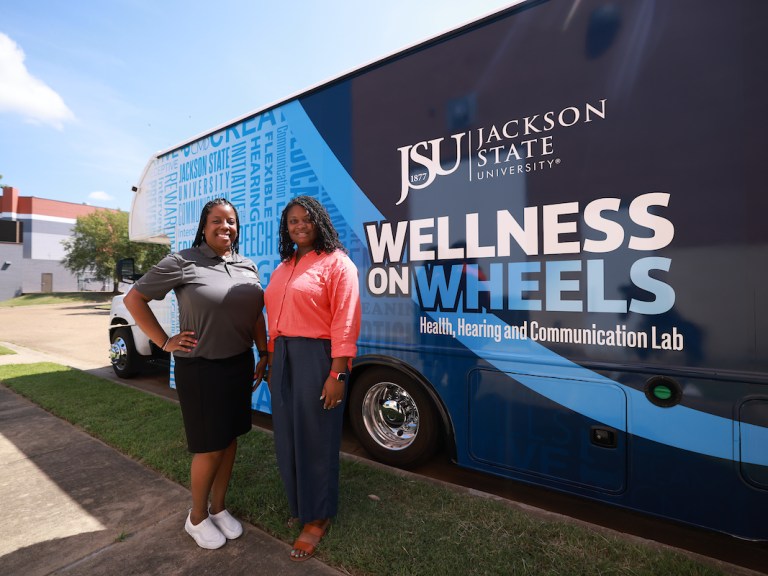
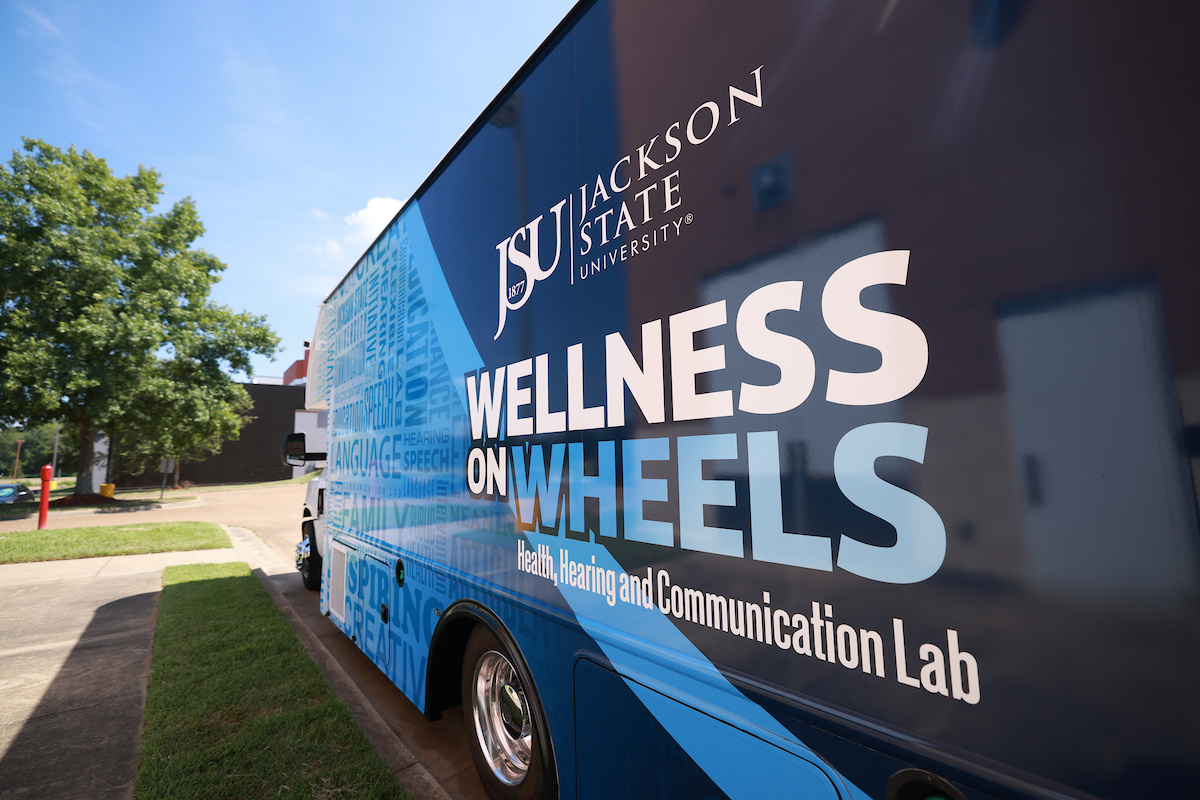
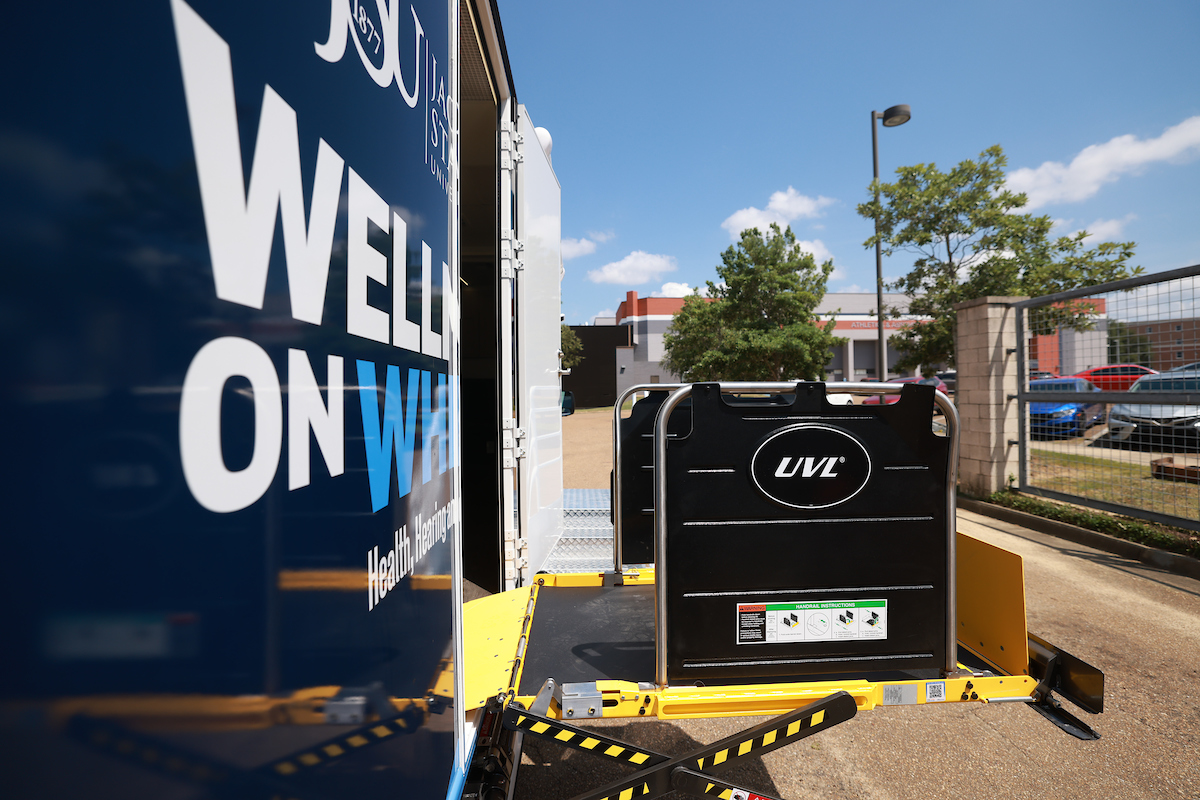
In an ambitious effort to promote health equity, Jackson State University has unveiled the Wellness on Wheels mobile lab. The cutting-edge initiative is designed to deliver vital health services directly to communities throughout Mississippi. The launch reflects the College of Health Sciences’ commitment to quality education, research, and service while preparing future leaders to address significant public health issues locally, nationally, and beyond.
Enhancing Education and Health
The Wellness on Wheels mobile lab aims to reduce health disparities in the state by providing essential services such as speech, language, hearing, and public health screenings straight to residents. By reaching out to children and adults across diverse regions, the initiative seeks to dismantle barriers to healthcare access and enhance opportunities for prevention, education, and intervention.
“The Wellness on Wheels Health, Hearing, and Communication mobile lab exemplifies our commitment to expanding our educational strategies, ensuring that we fulfill our mission of producing students who think critically, address societal problems, and compete effectively, said Associate Provost Dr. Brandi Newkirk-Turner. “It’s yet another way we empower JSU students to translate classroom knowledge into practical skills, equipping them to tackle real-world issues and make a meaningful impact in their communities.”
Providing Real World Experience
Dr. Newkirk-Turner acknowledged the contributions of Dr. Whitney Perkins, chair of the Department of Communicative Disorders, and Dr. Jennifer Wiles, an audiologist and program director, for their extensive planning and collaborative efforts in bringing the mobile lab project to fruition. They worked alongside Dr. Yalanda Barner in public health and Dr. Russell Bennett, interim dean of the College of Health.
Perkins highlighted the importance of experiential learning in enhancing students’ educational journeys. “Experiential learning bridges the gap between classroom concepts and real-world experiences,” she explained. “This makes the academic journey from learning to practice both meaningful and dynamic. Traditional learning still plays a vital role in academia. However, experiential learning is a high-impact practice that challenges students to think critically, apply knowledge, promote self-reflection, and ultimately, build confidence.” She emphasized the need for graduates equipped to tackle pressing health and societal challenges that will ultimately improve the quality of life for individuals and communities.
On Board the Wellness on Wheels Lab
The Wellness on Wheels mobile lab boasts a range of features that enhance its service delivery and educational capabilities, including:
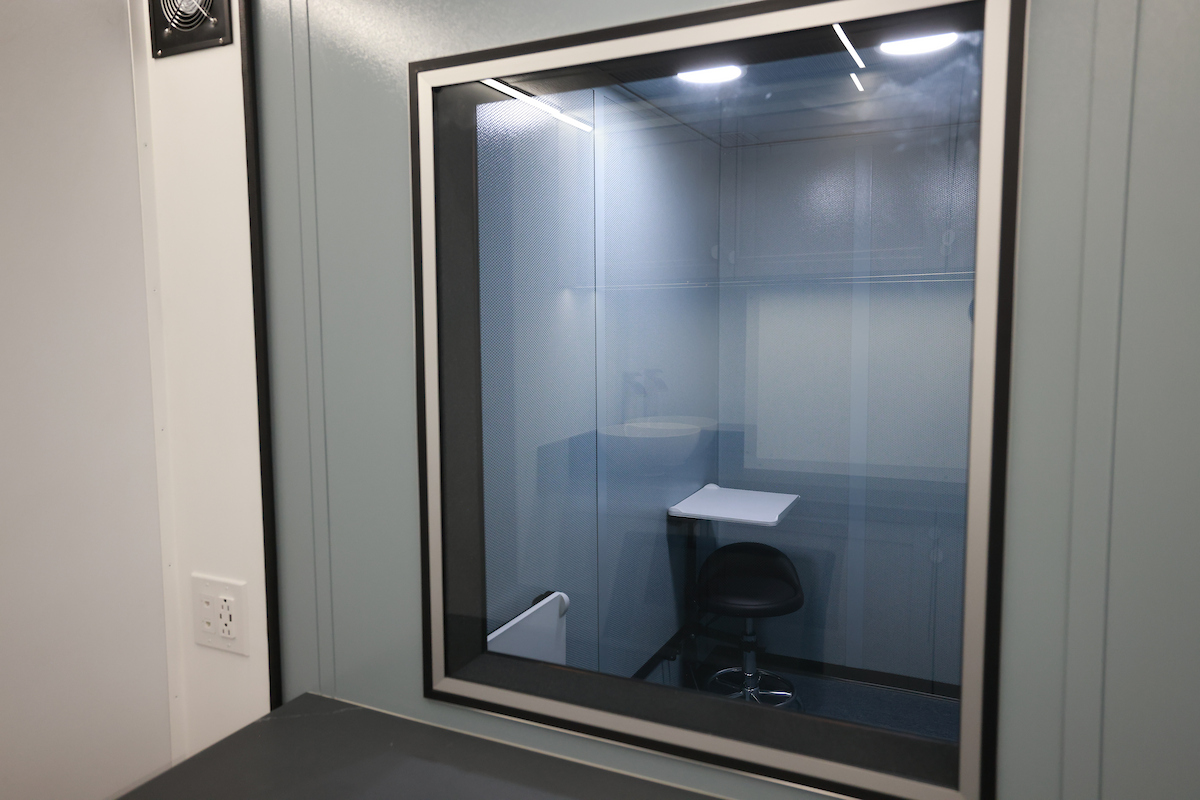
– A soundproof audiological testing room with adjustable-height tables and chairs
– Additional seating and a one-way observation window
– Audio and video presentation capabilities
– Wi-Fi connectivity
– Internal cameras for clinical session observation and teaching
– External security cameras
– Dedicated consultation/testing areas for speech, language, and public health screenings
– A receptionist area for managing patient intake
– ADA accessibility with a wheelchair lift
– Running water, storage cabinets, and a small refrigerator
– An electric roll-up exterior awning for outdoor use
A Collaborative Project
The Wellness on Wheels mobile lab is made possible through a collaborative $5 million grant awarded to JSU and Mississippi College to enhance public health programming in the region.
A formal ribbon-cutting ceremony for the Wellness on Wheels mobile lab is planned, alongside a grand opening for the Interdisciplinary Public Health Experiential Lab, another innovative teaching space funded through the same grant.
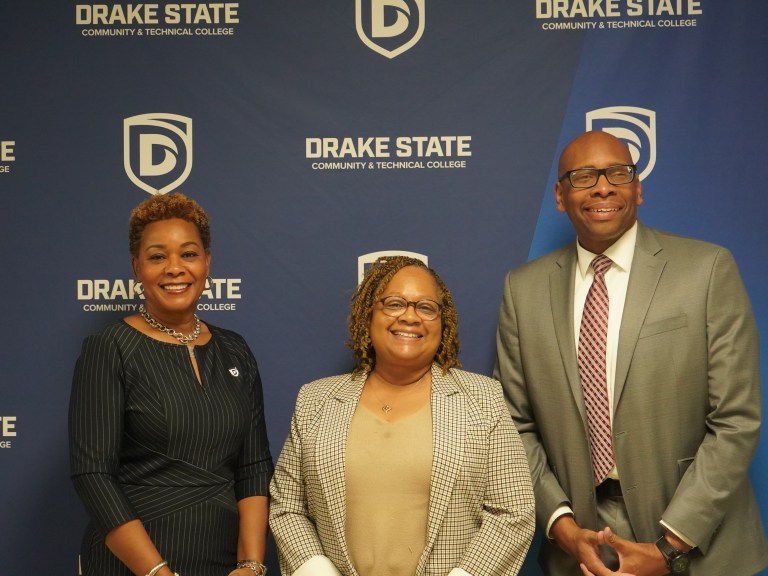
In a significant effort to enhance broadband access in underserved communities, Drake State Community and Technical College recently distributed Wi-Fi hotspots to families at Martin Luther King Jr. Elementary School in Huntsville, AL. This initiative is part of the college’s ongoing commitment to address digital connectivity challenges, supported by a grant from the National Telecommunications and Information Administration’s Connecting Minority Communities Pilot Program.
The distribution event highlighted the critical need for reliable internet access, which plays a vital role in educational success and community development. Many families in the Huntsville area struggle with obtaining consistent broadband, an essential resource in today’s digital landscape that affects students, professionals, and families alike. The initiative aims to help close the digital divide, providing increased access to online resources necessary for education, job opportunities, and overall community engagement.
Keeping the Community Connected
“Access to reliable internet is a necessity for success in education, especially for students and their families,” said Drake State President Dr. Patricia Sims. “By distributing these Wi-Fi hotspots, we are not just providing a service; we are empowering families to thrive in a digital society. At Drake State, we are committed to helping our community grow, and this initiative is just one way we are fulfilling that promise.”
The Wi-Fi hotspots are part of a broader initiative funded by the NTIA grant, designed to expand broadband access throughout Huntsville and its neighboring communities. Drake State and its partners are dedicated to bridging the connectivity gap for families who encounter challenges in accessing the internet from home.
“The ability to access the internet is essential for our students’ academic growth and their families’ ability to stay connected to important digital resources,” said Martin Luther King Jr. Elementary Principal Cheryl Askew. “By providing these Wi-Fi hotspots, we are giving our students the tools they need to succeed both in and out of the classroom. We’re excited to partner with Drake State on this initiative as we create new ways to support the students and families that we serve.”
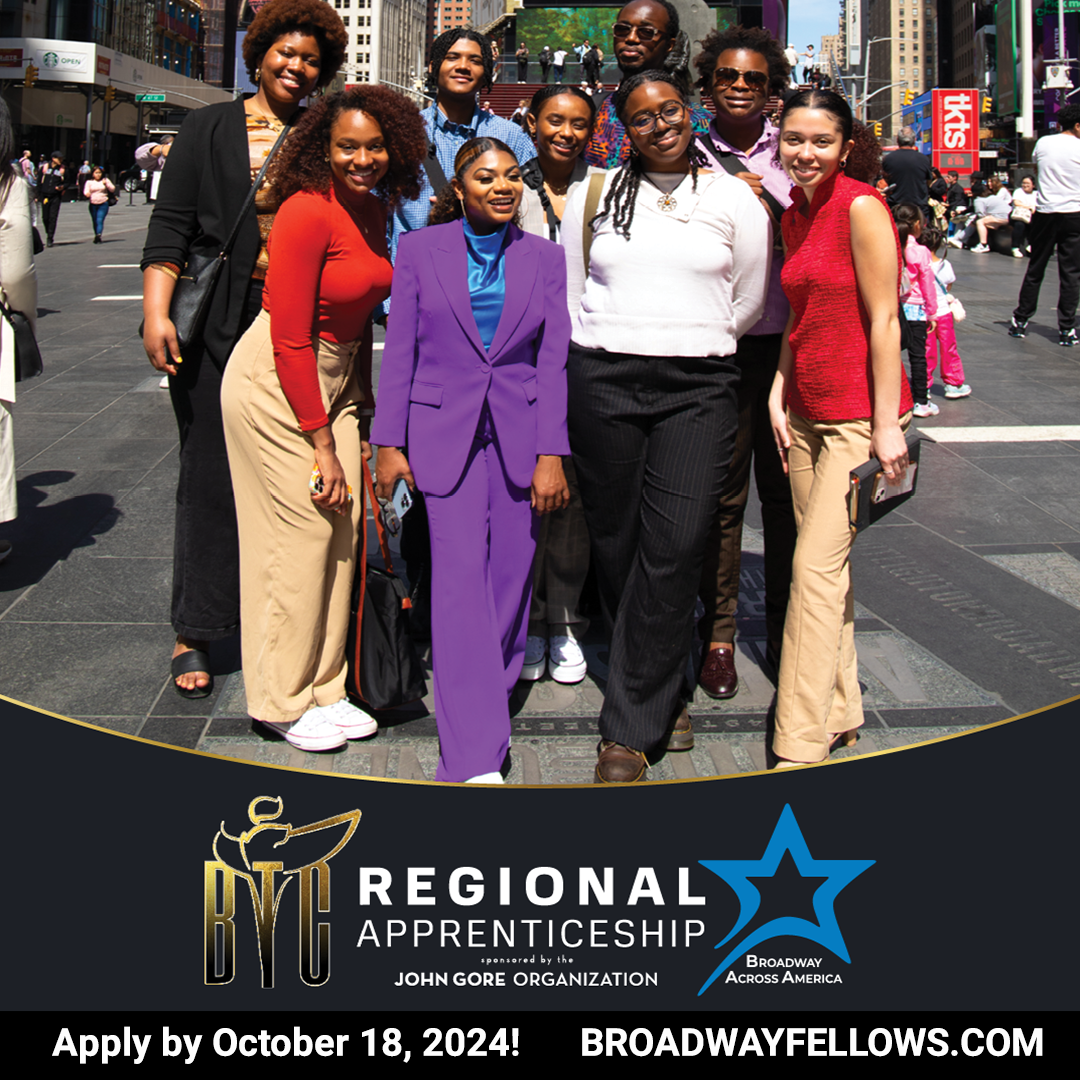
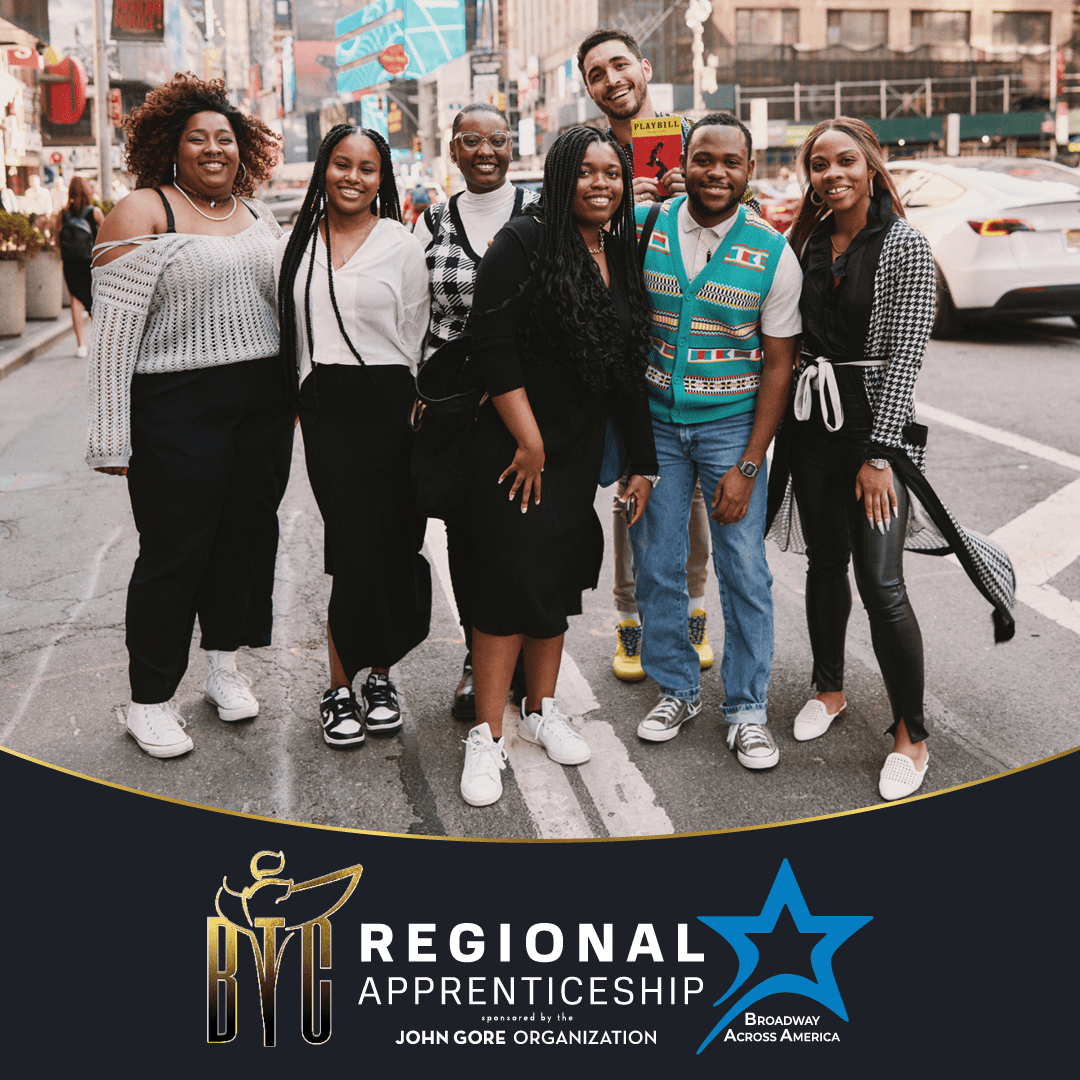
Applications are now being accepted for the fourth annual Broadway Across America • Black Theatre Coalition Regional Apprenticeship program through October 18, 2024. This nationwide, educational paid apprenticeship takes place over 14 weeks in the spring of 2025 and is offered to applicants with a demonstrated passion to increase the involvement of those that have been historically underrepresented in American theater. The program showcases the inner workings of the commercial theater business and Broadway touring.
Black undergraduate juniors, seniors and recent grads are encouraged to apply at BroadwayFellows.com
This intensive educational program begins with 13 weeks of in-depth learning in one of the following Broadway Across America offices: New York City, Atlanta, Baltimore, Boston, Cincinnati, Fort Lauderdale, Houston, Louisville, Minneapolis, Ottawa, Salt Lake City, and Seattle, where Apprentices will learn about topics like presenting, ticketing, marketing strategy, operations, and more. To close out the semester, the apprentices will travel to New York City for a week of networking, on-the-job learning, and to see Broadway shows.
“Everyone at Broadway Across America and the John Gore Organizationis very happy to be launching applications for the fourth year of this program,” said John Gore Organization President Lauren Reid. “We have seen many brilliant early career professionals enter our industry after completing the apprenticeship, and we can’t wait to welcome a new cohort of Apprentices to the program. We are proud to partner with BTC to create more pathways for the future workforce of the theater community.”
“We’re excited to continue our partnership with Broadway Across America, offering opportunities that uplift underrepresented voices. Through our partnership with BAA, we’re building a more equitable industry,” said BTC T. Oliver Reid and Warren Adams co-founders. “This program provides crucial, hands-on experience for those usually left out of the conversation and helps ensure that the future of American theater reflects the diversity of its artists and audiences.”
The BAA•BTC Regional Apprenticeship works to equip participants with the tools necessary to be successful in the industry. It also provides a foundation of mentors and colleagues to whom they can turn to for support as they pursue a career beyond the stage. Past alumni of the BAA•BTC Regional Apprenticeship program have gone on to work at Tony Awards Productions, Foresight Theatrical, Daryl Roth Productions, Disney Yellow Shoes, Broadway Across America, and more.
“The BAA/BTC Regional Apprenticeship gave me the opportunity to be an insider in an industry that, under ordinary circumstances, had been just out of reach,” said Trey Robinson, communications coordinator for Broadway Across America. “This Apprenticeship has proven a pivotal moment in my professional journey, allowing me a front-row seat to witness and learn about the intricacies, challenges, and innovations that shape the theater industry.”
Students pursuing degrees in fields like arts administration, business administration, marketing, public relations/communications, theater studies, finance/accounting, human resources, pre-law, arts ticketing/sales/operations, and other fields of study that relate to commercial theater presenting are welcome in the program. A variety of perspectives, backgrounds, abilities, and opinions are very much encouraged to apply.
Interested applicants can find the application form and more information at: www.broadwayfellows.com.
BTC
BTC was founded by T. Oliver Reid and Warren Adams in the summer of 2019. They identified the disparity between the growing inclusivity onstage versus the almost non-existence of diverse professionals offstage. They invited their colleague, Reggie Van Lee, to join them as a co-founder in their march towards dismantling the systemically racist and biased ideology in the theatrical job space. BTC officially filed as a nonprofit 501(c)(3) in June of 2020. BTC provides emerging, mid-career, and career-changing diverse professionals opportunities to learn the theater-making process from leaders at the highest levels in executive, creative, producing, and administrative areas while developing a strong network for continued success and employment in the industry. For more information about BTC, visit their website, www.BlackTheatreCoalition.org where eligible candidates can explore and apply for current and upcoming positions.
BROADWAY ACROSS AMERICA
Broadway Across America is part of the John Gore Organization family of companies, which includes Broadway.com, The Broadway Channel, BroadwayBox.com, Group Sales Box Office, and Broadway Brands. Led by 22-time Tony-winning theater producer John Gore (owner & CEO), BAA is the foremost presenter of first-class touring productions in North America, operating in 48 markets with over 450,000 subscribers. Presentations include
Disney’s The Lion King, Wicked, The Book of Mormon, and Hamilton. Current productions include Romeo & Juliet, Hadestown, Hamilton, Hell’s Kitchen, MJ: The Musical, Moulin Rouge! The Musical, The Outsiders, and Stereophonic. BroadwayAcrossAmerica.com
JOHN GORE ORGANIZATION
The John Gore Organization is the leading presenter, distributor, and marketer of Broadway theater worldwide. Under the leadership of 22-time Tony-winning theater producer and owner John Gore, its family of companies includes Broadway Across America, Broadway.com, The Broadway Channel, BroadwayBox.com, Group Sales Box Office and Broadway Brands. The company presents shows in 48 cities across North America as well as on Broadway, Off-Broadway, London’s West End, Japan, and China. It has won Tony Awards in every producing category as well as numerous other Drama League, Drama Desk, and Olivier Awards. The John Gore Organization is committed to supporting theater access and education programs that introduce Broadway to the next generation of audiences and theater professionals. JohnGore.com
“[[W]hen people ask why you are fighting against your own school, when they try to tell you that you are wrong to protest [….], you have to tell them it’s because you love Howard University, because you love Black people… We fought too hard to let our Black institutions end up in the hands of people who oppose us.” – Sonia Sanchez to April Silver
A year ago, I was couch-hopping, trying to find housing after black mold took over my apartment and my car tires were stolen. It felt like everything was against me. Yet, I was thriving professionally, negotiating contracts and honing skills at my big boy agency job. Little did I know, these experiences were preparing me for a much bigger fight: representing myself against Howard University in a legal battle that started six years earlier.
In October 2023, I reached a historic settlement with Howard on a claim I brought to the DC Office of Human Rights in 2018. After a mental health crisis during my freshman year, the university forced me to withdraw instead of offering support, and ultimately refused to honor the withdrawal, failing me for the semester. With no legal representation, I fought and won the case because of a landmark mental health settlement at Yale University which was resolved and made public a month or so before the OHR’s probable cause determination in my case. The settlement allowed me to speak openly about my experience, and since then, I’ve connected with numerous students, alumni, and families who’ve faced similar struggles. It’s clear the challenges persist—Howard’s mental health policies are still inadequate. Most alarming is that there is not an undergraduate leave of absence policy for students who need time away for any reason. There has to be a better way!
What I learned most at Howard is to love
I start here to make one thing clear: I write only from a place of love. Howard stole my heart when I was 17, choosing her over full scholarships from other schools. Howard has a rich history, a legacy of activism, and a spirit of resilience that has also shaped me–which is to say, Howard has a lot to love. But love doesn’t mean silence. Love demands justice. And that’s what I want for Howard: to live up to its fullest potential; especially to the most vulnerable & marginalized.
My introduction to Howard’s love came through organizing with HUResist, a collective of students pushing the university to fulfill its promises to us. During that time, I first read Sonia Sanchez’s words, shared by April Silver: “You have to tell them it is because you love Howard University, because you love Black people.” Those words are etched in my Howard memory and remind me that love and accountability go hand in hand.
Howard now has an opportunity to lead by example. Howard can set a standard for how historically Black institutions handle mental health crises and adopt sweeping changes. But it will take more than this one settlement. We need comprehensive, accessible, and empathetic systems that prioritize student well-being.
As I reflect on World Mental Health Day, I think about how the systems designed to support me failed when I needed them most. Instead of care, I was met with police officers who handcuffed me and was committed to a psych unit that reeked of incarceration. Black people, like Sonya Massey, are too often criminalized for our distress when we should be offered compassion. This punitive response to mental health is a societal issue disproportionately affecting Black communities, but Howard can and must choose a different path.
Over the years, Howard has insisted that the problems I faced were from a bygone era of Howard administration. Evidenced by the fact that many of the officials who were involved with my case are no longer employed by the University, Howard maintains a public commitment to mental health while ignoring. Since going public with this experience, I have been contacted by several current students whose stories eerily mirror mine: withdrawals, police, and runaround when it should be care, compassion, and choice.
It’s time for Howard to embrace its legacy of activism and care by addressing student mental health in meaningful, structural ways.“Still, to this day, I have the deepest love for Howard. I love Howard and will forever love Howard,” said Ross. “That experience made me who I am. This fighter, activist, advocate, it’s literally because of the community I built at Howard. I am the student Howard says it wants and desires — you want students like me, the students who are self-advocates, empowered, and say the quiet things out loud, not taking mistreatment and injustice. These are Howard students.” – Durmerrick
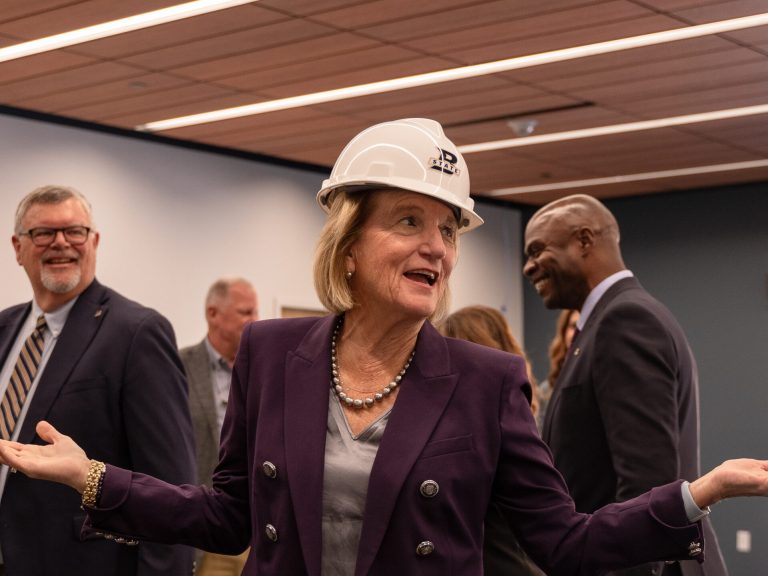
In a pivotal moment for healthcare education in West Virginia, U.S. Senator Shelley Moore Capito (R-WV) visited Bluefield State University to tour the progress of its new Medical Education Center. The facility is bolstered by $7.4 million in federal funding, which Capito played a crucial role in securing. This funding is part of a larger initiative to enhance the state’s healthcare infrastructure and educational resources.
During her visit, Senator Capito emphasized investing in medical education. “This new center at Bluefield State University will provide students with the tools and training they need to succeed in the medical field while also helping to alleviate the healthcare workforce shortages we are seeing across the state and the country,” Senator Capito said. “Investing in medical education is one of the most important steps we can take to ensure that West Virginians have access to high-quality healthcare.”
The senator met with university and city leaders, faculty, and students as they discussed how the Medical Education Center is set to play an essential role in addressing the increasing demand for healthcare services, especially in underserved rural communities. The center will feature advanced simulation labs, cutting-edge medical technology, and innovative classroom spaces that support comprehensive healthcare education.
Interim President Darrin Martin expressed gratitude for Senator Capito’s continued support, calling the investment “a game-changer” for the university and the communities it serves. He noted that the new facility will allow Bluefield State to expand its medical programs and offer hands-on training opportunities.
How The Project Started
The Medical Education Center was established following Bluefield State’s acquisition of the former Bluefield Regional Medical Center in December 2020, when the hospital ceased its inpatient and ancillary services. Since then, the university has committed nearly $5 million to modernizing the facility, including the addition of a new cafeteria and dormitories providing on-campus housing for the first time in over 50 years.
The first construction phase is nearing completion, with plans to begin classes in the spring semester. This phase includes state-of-the-art classrooms and a simulation facility for all allied health programs offered at BSU. Looking ahead, Phase II of the project aims to introduce a respiratory therapy program into the university’s expanding portfolio of allied health degrees.
Phase II is expected to commence in early 2025 and be completed in late summer. As the construction progresses, BSU continues to broaden its offerings, including existing programs in nursing, radiologic technology, and sonography.