Morehouse and Spelman Secure “SpelHouse” Trademark to Protect Shared Legacy

561730353 1259641849530117 1909690721774148575 N

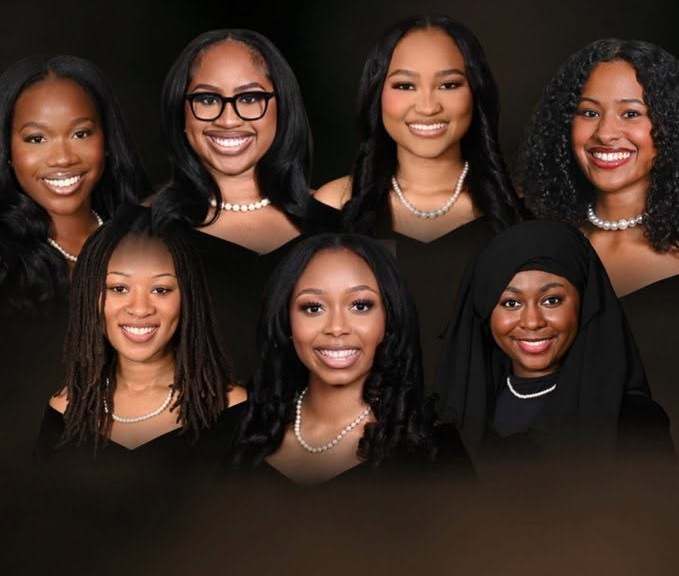
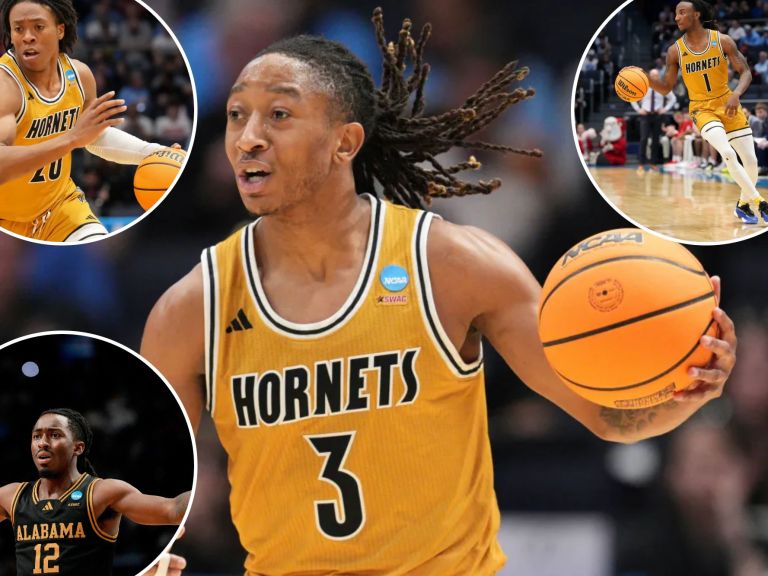
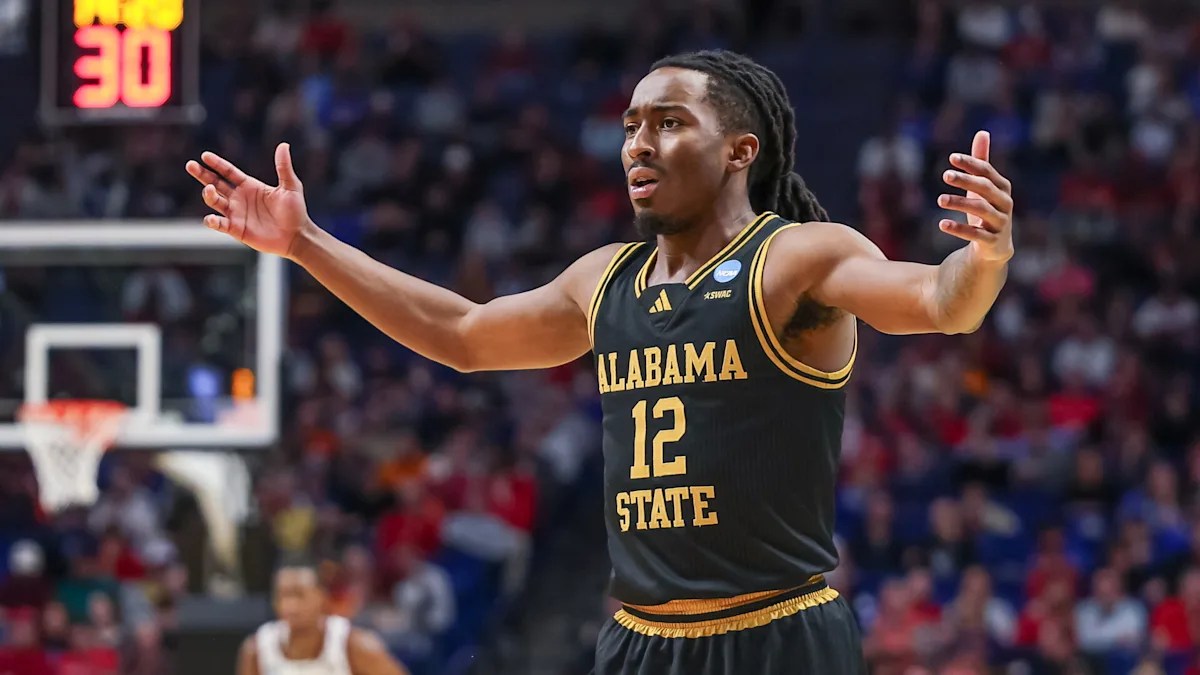
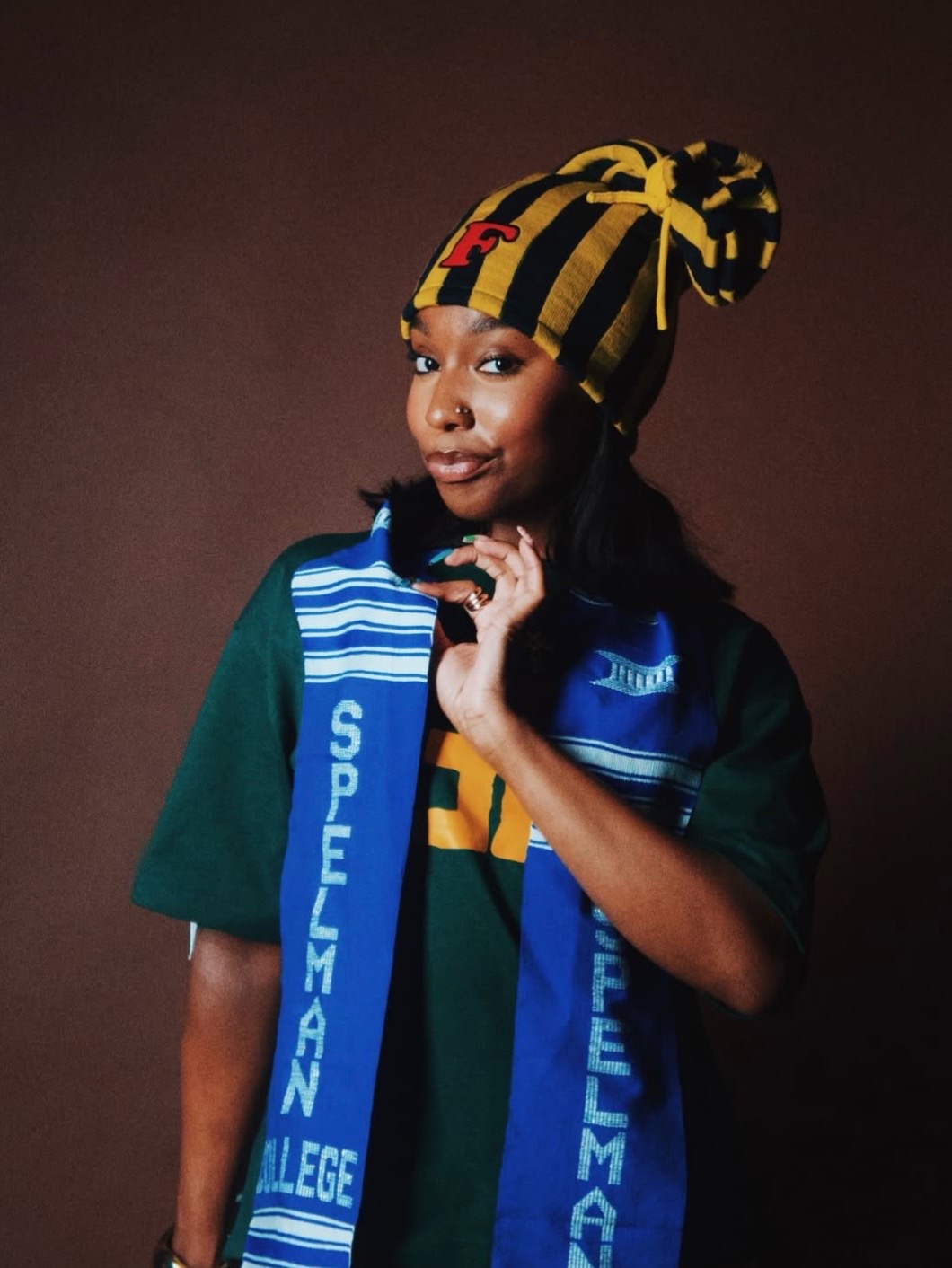
Two of the most iconic Historically Black Colleges and Universities—Morehouse College and Spelman College—have officially secured the trademark for “SpelHouse,” a term that has long represented the deep bond between the two Atlanta institutions. The move solidifies ownership of one of the most recognizable cultural identities in HBCU history and ensures that the schools, not outside entities, control how the brand is used moving forward.

What “SpelHouse” Represents

“SpelHouse” is more than a nickname—it’s a reflection of community, pride, and the shared experience of students from both colleges. Together, Morehouse and Spelman symbolize unity, excellence, and a legacy of leadership that extends far beyond the Atlanta University Center.

According to ClutchPoints, the schools announced that they’ve secured the official trademark for the “SpelHouse” name. In a joint statement, they emphasized that the term “represents more than neighborhood geography; it stands for shared community, history, traditions, and a legacy between two of the nation’s top-ranking and most renowned historically Black colleges and universities.”

561371308 1259642032863432 7412870833940926290 N
560278432 1259642089530093 3490083881625667212 N

Protecting HBCU Culture Through Trademark Ownership

By taking legal ownership of the “SpelHouse” name, both schools are taking proactive steps to protect a cultural brand that has become synonymous with Black academic excellence. The move ensures that future uses of the term—whether on apparel, events, or media—reflect the values and authenticity of the schools it represents.

The trademark also aligns with a broader shift among HBCUs to claim ownership of their intellectual and cultural property. From slogans and apparel to digital media, Black colleges are increasingly recognizing the commercial and cultural value of their influence. For Morehouse and Spelman, that means preserving a powerful symbol of unity and pride that has been organically built by generations of students and alumni.

New Partnerships and Creative Initiatives

Following the announcement, the schools revealed plans to partner with the Collegiate Licensing Company (CLC) and ProStandard to launch a limited-edition capsule collection celebrating the new trademark. Additionally, both campuses will hold a design competition inviting students, alumni, and employees to help define the new “SpelHouse” visual identity.

Participants are encouraged to honor the history of “SpelHouse” while reimagining it for the future—bringing together creativity, culture, and school spirit. The initiative reflects the schools’ commitment to keeping the community involved in shaping their brand.

560144197 1259641982863437 7454574657794492186 N

This announcement also comes as Atlanta HBCUs recently received multimillion-dollar donations from the Arthur M. Blank Family Foundation, reinforcing a renewed focus on investment, growth, and institutional pride within the AUC.

Why It Matters for HBCUs

The trademarking of “SpelHouse” carries significant implications for the broader HBCU community. It represents how HBCUs can leverage brand ownership to preserve cultural authenticity while also expanding opportunities for innovation and economic development.

As universities increasingly collaborate with major brands and entertainment companies, owning their identity becomes more than symbolic—it’s strategic. Morehouse and Spelman’s move serves as a model for other HBCUs seeking to protect their intellectual property and ensure that their heritage remains in their hands.

What’s Next

The “SpelHouse” capsule collection is expected to debut soon, marking the beginning of a new era of officially licensed merchandise that authentically represents both campuses. The upcoming design competition will help establish the visual direction for the brand as it evolves into a modern symbol of unity, scholarship, and excellence.

With the trademark now secured, Morehouse and Spelman are not just protecting a name—they’re preserving a cultural cornerstone that has defined generations of HBCU pride.

Candace Owens Cancels FAMU Appearance as Other HBCU Tour Stops Fall Through

1758133719443

Conservative commentator Candace Owens has canceled her scheduled appearance at Florida A&M University (FAMU) during the BLEXIT “Educate to Liberate” campus tour, sparking debate across social media and HBCU circles. The cancellation—originally planned for October 17 during FAMU’s “Eternal World Tour” Homecoming celebration—came abruptly, with no clear reason from organizers. Now, reports suggest that several other planned HBCU tour stops have also been quietly scrapped or postponed, casting doubt on the broader impact of Owens’ campus outreach efforts.

The FAMU Cancellation and BLEXIT’s Intent

According to Black Enterprise, Owens’ FAMU visit was part of her BLEXIT Foundation tour, an initiative founded in 2018 that aims to promote conservative values and independent thinking among Black Americans. The tour was slated to make multiple HBCU stops, including Jackson State, Tennessee State, North Carolina Central, Howard, and Hampton, but the FAMU cancellation became the first to draw national attention.

A BLEXIT spokesperson confirmed that the FAMU event had been removed from the organization’s calendar, stating only that “a new date will be announced soon.” As of publication, that new date has not materialized—and neither have the other stops.

Growing Concerns Among Students and Alumni

FAMU’s Homecoming, one of the most vibrant cultural events in HBCU tradition, has long symbolized community, pride, and connection. The idea of a politically charged tour stop during Homecoming week immediately stirred discussion among students and alumni. While some felt Owens’ message could have offered a chance for open dialogue, others argued the timing clashed with the spirit of celebration and togetherness that defines FAMU’s Homecoming.

Social media responses reflected that divide. “Homecoming is for the culture, not for political PR,” one user wrote on X. Others countered that canceling the event signaled missed opportunities for students to challenge ideas in a constructive forum.

Other HBCU Tour Stops Quietly Dropped

FAMU isn’t the only school seeing changes. According to coverage from outlets including Baller Alert and HBCU Sports, other scheduled BLEXIT appearances have also been delayed or removed from the public tour lineup. The previously announced stops at Jackson State, Tennessee State, North Carolina Central, Howard, and Hampton University appear to have been shelved without official statements. While BLEXIT has not publicly confirmed full cancellation, the lack of activity or updates suggests that the broader tour has lost momentum within HBCU communities.

Observers note that this pattern reflects increasing scrutiny over outside organizations attempting to align political messaging with HBCU events—especially during Homecoming season, which holds deep cultural and historical significance.

Why It Matters for HBCUs

HBCUs have always been epicenters of social thought, activism, and innovation. The BLEXIT cancellations highlight ongoing questions about who gets to speak on HBCU campuses and how schools can protect their cultural integrity while still promoting intellectual diversity. For FAMU students and alumni, the moment has reignited conversations about representation, community values, and whether high-profile figures like Owens understand the nuance of HBCU audiences.

Despite the canceled tour dates, the dialogue surrounding them underscores the power of HBCUs to shape—and challenge—narratives about Black identity, politics, and empowerment. As BLEXIT’s future on HBCU campuses remains uncertain, one thing is clear: HBCU students continue to define their own voice on their own terms.

What’s Next

Neither Candace Owens nor the BLEXIT Foundation has released a new schedule for their campus tour, leaving the status of the remaining appearances unclear. For now, FAMU’s Homecoming focus remains firmly on community and culture, reminding the nation that HBCU pride runs deeper than any political campaign.

Behind the Reels: The Tech Companies Shaping Online Games

Online gambling may look like pure chance, yet the fun is driven by clever code running behind the screen. Every spin, card deal, or dice roll comes from a software studio that writes rules, builds art, and keeps everything fair. Fans who enjoy thrilling slots on new portals often pick a kasino site to secure a juicy welcome bonus.

Still, picking a site is not only about colorful games. Safety plays a big role, and checking trusted licenses helps protect both money and mood. With so many names floating around—some old, some fresh—it can be hard to see which firms truly shape the market. This guide breaks it down in plain language. It looks at how software makers craft games, examines giants like NetEnt and Microgaming, and highlights bold newcomers shaking up the reels. By the end, any reader will know what to look for when searching for the next digital table or jackpot wheel.

How Casino Software Shapes Player Experience

The software running an online casino is more than a pretty wrapper; it sets the rules for every moment of play. A well-built engine handles random number generation, graphics, sound, and network security all at once. When a player presses “spin,” the outcome must be random but also instant. Lag breaks trust, so top studios optimize code to load in seconds and stream animations smoothly to mobile screens. They also test for fairness through independent labs such as eCOGRA or iTech Labs. Their seals show that the math cannot be rigged by either the casino or the gamer. Beyond fairness, good software means variety.

From classic three-reel fruit machines to sprawling video slots with 3D cut-scenes, providers create game libraries that can reach hundreds of titles. Table fans benefit too: digital blackjack needs perfect shuffling logic, and live roulette streams rely on ultra-low latency. In short, software quality decides whether a casino feels clunky or as seamless as a console game.

Market Leaders: NetEnt, Microgaming, and Playtech

Certain names appear in almost every top gambling lobby, and for good reason. NetEnt, founded in Sweden in 1996, changed video slots by adding crisp graphics and bold bonus rounds. Starburst, its flagship title, remains one of the most played games on earth even after a decade. NetEnt also introduced Touch technology, letting the same title adapt to phone or tablet without losing speed. Microgaming predates even that, releasing the first true online casino platform back in 1994. Today it boasts more than 800 unique games and a progressive jackpot network that has paid out billions in prize money, including the legendary Mega Moolah payout records. Playtech completes the trio with a mix of slots, table games, and live-dealer studios broadcast from Latvia and the Philippines. The company’s Age of the Gods series links multiple games into one mythic prize pool, giving smaller bets a chance at a life-changing win. Together, these veterans set high standards that others try to match.

Rising Stars: Pragmatic Play, Yggdrasil, and Push Gaming

While the giants hold much of the spotlight, a wave of younger studios is pushing creativity forward. Pragmatic Play burst onto the scene in 2015 and quickly earned respect with titles like Wolf Gold and Sweet Bonanza. Its games load fast, use bright cartoon art, and often add buy-in bonus features that keep sessions lively. Yggdrasil, a Swedish studio backed by former NetEnt leaders, leans into high fantasy visuals and unique reel mechanics. Viking Runecraft and Valley of the Gods show off its preference for cascading symbols and booming soundtracks. Push Gaming, headquartered in London, takes a leaner approach, releasing only a handful of titles each year but polishing each to a mirror shine. Jammin’ Jars and Razor Shark show what focused design can achieve—high volatility mixed with playful themes. These rising stars prove that smaller teams can still compete by embracing mobile-first code, bold mathematics, and promotional tools like tournaments, in-game missions, and daily prize drops.

Choosing a Casino Based on Its Software Lineup

Understanding the people behind the games makes picking a casino far easier. The first checkpoint is variety. A lobby that mixes veterans like Microgaming with creative newcomers such as Yggdrasil usually signals strong partnerships and regular updates. Next comes technical quality. Players who enjoy live-dealer tables should look for studios like Playtech or Evolution listed in the footer; if those names are missing, video feeds may feel sluggish. Jackpots are another clue. Progressive networks hosted by NetEnt or Pragmatic Play allow pooled prizes that climb faster than local pots. Security cannot be skipped, either. Reputable software providers submit code to external audits and integrate encryption modules that keep payment data safe. A site bragging about dozens of unknown games yet offering no lab certificates should raise a red flag. Finally, check for cross-platform support. When a casino offers HTML5 titles that fit any screen size, switching from laptop to phone feels painless. In the end, a smart lineup blends fun, fairness, and future-proof tech. That insight turns a casual choice into a confident pick.

HBCU Alumni Breaking into Esports and Gaming Leagues

Image

HBCU grads are now a force in the competitive gaming scene. They are starting leagues, guiding gamers, and advocating for inclusion in esports. These gaming events are now as liked as popular as traditional sports.

Esports is now a $2 billion business and is growing, thanks to more collaborations. New college grads are getting involved in this growing area. They’re building communities and making changes from online matches to emerging markets, like in Arizona.

Trailblazers Shaping the Scene

In 2019, Ryan Johnson and Chris Peay, who both graduated from Historically Black Colleges and Universities, founded Cxmmunity Media. Johnson is an Oakwood University alum, while Peay went to North Carolina Central University. They noticed a gap in esports at Black colleges. So, they launched the HBCU Esports League, which was among the first groups to back esports at these schools.

What began as a simple idea has really taken off. It’s grown into something much bigger, reaching millions of people and catching the attention of major players like Live Nation Urban. Back in September 2025, Live Nation Urban decided to invest in Cxmmunity Media. Their goal is to help expand events and open up more opportunities for Black creators to shine.

The league has given out over $500,000 in scholarships and prizes and has helped talent grow in games like Madden and Call of Duty. Celebrities such as Chad Ochocinco Johnson have helped spread the word with tournaments. Aside from competition, Johnson and Peay mention that Black people are not well represented in the gaming business. They plan to secure inclusion for the future. With new investments, they are expanding live events that mix esports with cultural stories.

Investing in Campus Powerhouses

Historically Black colleges and universities are investing in esports programs. These schools are converting student residences into high-tech training spaces, which is attracting a different kind of student.

Tapping into Regional Expansion

These new career paths show how gaming and online entertainment are changing. Esports is now connecting with other platforms, which means there are more job options than ever before. Look at Phoenix, Arizona – it’s a city that’s growing fast. The gaming scene there isn’t just about competitions anymore. This includes accessible online gaming like casinos available in Arizona. Offshore platforms offer games such as slots, blackjack, and live dealers, certified for fairness. HBCU grads with esports skills can transition into associated fields. They can use their strategy, community-building, and tech knowledge to get esports-related online jobs. This opens opportunities for graduates to use their skills in innovative ways and increase their earnings.

Pioneering Programs at Key Schools

Johnson C. Smith University was the first HBCU to team up with big names like Riot Games, EA Sports, and Epic Games, even practicing against NBA 2K pros. Now, more than 35 programs are available at HBCUs, changing how these schools think about tech and STEM classes.

For example, Benedict College gives full esports degrees with new labs, and Morehouse’s gaming club has grown to hundreds of members.

Forging Industry Partnerships

Partnerships with brands like Mountain Dew and The Penny Games further boost visibility, hosting invitationals that tackle culture and innovation. Events like Dream Con’s esports tie-ins show how these programs are retaining students and spiking enrollment by up to 15 percent in some cases.

Rising Stars on the Pro Circuit

HBCU graduates are doing incredible work after they finish college. You can see teams from schools like Florida A&M and Bowie State competing in leagues like The Yard. This creates a fantastic chance for them to connect with scouts and fans all over the country. And it’s not just traditional sports – players from Johnson C. Smith have been making waves in Tekken tournaments. They’re hoping to land contracts with major leagues soon.

Coaches say many graduates are turning pro in games like League of Legends and Valorant. They think the HBCU clubs are a big part of the reason why they’re doing so well. Tournaments like the Magic City Classic mix competition with esports, which helps players get noticed.

Standout HBCU Esports Achievements:

  • Since 2020, more than 50 teams have formed, aided by organizations such as Cxmmunity.
  • Corporations such as Microsoft, Twitch, and Live Nation are now offering scholarships and training.
  • HBCU teams are winning national titles in games, often leading their conferences.
  • These programs are helping schools grow through the use of STEM.

Broadening the Gaming Frontier

The esports market’s expansion has increased student interest in digital content and game creation at Historically Black Colleges and Universities. The HBCU IN LA Games are important learning spaces where students can get coding and game development expertise.

The gaming world is changing as games incorporate elements from music, streaming, and more. These programs assist students from underrepresented groups in building their tech skills, despite past limited access to tech education.

A Lasting Legacy in Play

HBCU grads are breaking ground in esports and gaming, opening doors for future Black innovators. Cxmmunity Media and similar groups are turning gaming into a source of jobs, culture, and STEM learning. Esports skills also translate to other fields, like online entertainment in places like Arizona, creating career paths in content and tech. HBCU esports programs prove gaming is more than a hobby; it’s a way to empower people and achieve goals. With the help of vision and community, these programs are turning digital dreams into reality.

Nursing Bras 101: When They Help and When You Don’t Need One

Are Nursing Bras Necessary? What New Moms Should Know Before Buying

Are nursing bras necessary? This is one of the questions that arises in the minds of many new and expecting mothers as they gear up to live with a child. Nursing bras are comfortably and conveniently designed to provide easy access to the breast as well as additional help with the fluctuating breast sizes. Some mothers recommend them, but some prefer to use their usual bras or just go without them. The choice to wear a nursing bra is all about your body and your lifestyle, as well as your feeding experience.

What Makes a Nursing Bra Different From a Regular Bra

Nursing bras may look like regular bras, but they’re designed with breastfeeding in mind. The main difference is easy access — with drop-down cups or snap clasps that let you nurse or pump without removing your bra. They are also created using softer, more stretchy materials, which can be adjusted to the changing sizes of the breasts during pregnancy and after giving birth. A lot of styles omit underwires because they are uncomfortable and have the potential to cause a blockage in ducts, yet they provide the added support that new moms require.

The Benefits of Nursing Bras for Breastfeeding Convenience

Nursing bras are all about making feeding easy. One-handed clasps or drop-down cups allow you to nurse or pump quickly without stumbling, particularly at night or in public. They also facilitate easy feeding discreetly, comfortably eliminating the strain of bending over the garments. In the case of moms who pump, there are a great number of nursing bras that can be turned into hands-free pumping bras, which will save time and effort on hectic days.

Do You Really Need One? Situations Where They Help Most

A nursing bra is not essential to every mom, but many have found it makes their lives much easier daily. Breastfeeding during the early weeks when the breasts tend to be engorged or change in size during the day, nursing bras are very flexible and can offer comfort. They also come in handy at night feedings when having the capability to unclip a cup in a short time is the difference between fumbling and sleep.

A nursing bra is convenient and discreet enough to fit moms who are on the go and need to feed anywhere or pump at any time. Some of the nursing bras are pumping bras, which are particularly convenient when you are planning to return to work. During such situations, the right bra is not only useful, but it can actually help to relieve stress and make feeding easier.

Comfort and Support During Breast Changes

With pregnancy and the postpartum stage, your breasts will always be in a state of flux; tender in the early times, then full and heavy as the milk comes in. A regular bra cannot typically accommodate these changes, and nursing bras are designed to accommodate changes in your body.

Stretchy breathable fabrics are applied in most styles, which move along with you, and wider straps and supportive bands help relieve the stress on your shoulders and back. To most moms, this added assistance averts soreness on lengthy feeding or pumping days. Nursing bras are designed so that pinching is minimized, and the physical changes during breastfeeding are much easier to handle.

Can You Breastfeed Without a Nursing Bra?

Yes, you can still breastfeed without a nursing bra. Breastfeeding does not need a specialized bra, and many mothers can get by with ordinary bras, sports bras, or stretchy bralettes that can be pulled out to access their breasts.

Nursing Bras vs. Sports Bras and Stretch Bras

Breastfeeding can be done with sports bras and stretch bras, but they are not meant to be used as such. Sports bras are firm and provide a lot of support, yet tend to squeeze the breast, making it painful to lactate or to pump out the milk. Stretch bras or bralettes are loose and can be easily pulled up and down, but might not provide the support of bigger breasts or long-term use.

Nursing bras, in turn, strike a balance, offering convenient access and targeted support. They are available in many styles too, including simple everyday ones and more complex ones, such as a Momcozy push-up nursing bra that provides lift and shape without depriving you of the drop-down cups. Nursing bras are designed to meet the special needs of pregnancy and breastfeeding with these features.

Budget Considerations: How Many to Buy and When

You don’t need a drawer full of nursing bras to get started. Most moms do well with two or three in the early weeks — enough to rotate between feedings and washing. Because breast size often changes in the first months, it’s best to buy gradually rather than stocking up all at once.

Most moms begin with loose-fitting, stretchy ones during pregnancy or soon after their babies are born, and only buy more structured nursing bras later, when their size no longer fluctuates. This way, you get to have the comfort that you need without having to spend a lot of money on bras that may not fit after some time.

What Other Moms and Experts Recommend

Most mothers claim that the presence of at least one or two breastfeeding bras makes breastfeeding even less stressful, particularly in the first weeks. The most frequent reasons they recommend them are the ease of access and the comfort of additional assistance.

Lactation consultants and postpartum experts tend to concur that, though not mandatory, nursing bras can facilitate the transition to breastfeeding. They normally recommend that you begin with a couple and then make a decision as to whether you wish to have more. The trick is to discover what fits best to your body, baby, and your lifestyle.

Conclusion

Nursing bras are not a necessity, but in the eyes of most moms, they are a blessing to them as they provide convenience in their daily life and ease in feeding. Their design provides them with support throughout the process of changes in the breast, accessibility within moments of a nursing or pumping session, and an added sense of security when you are in a hurry or are on the move.

That said, every mom’s experience is unique. Some are perfectly comfortable with regular bras, sports bras, or even none at all — and that’s completely fine. The important thing is to choose what makes you feel most supported and confident. Whether you decide to buy a few nursing bras or skip them altogether, the right answer is the one that helps you care for both yourself and your baby with ease.

MacKenzie Scott’s $63M Gift Marks New Era for Morgan State

Philanthropy MacKenzie Scott Gift 11134 C81a90

In a landmark moment for higher education, philanthropist MacKenzie Scott has awarded Morgan State University a $63 million donation, her second unrestricted gift to the Baltimore-based HBCU. The MacKenzie Scott Morgan State donation brings her total giving to the university to an astounding $103 million, reaffirming her confidence in the school’s leadership and mission to advance equity and innovation in higher education. According to Morgan State’s announcement, President David K. Wilson described the contribution as a “transformative act of faith in the university’s future.”

A Historic Level of Support for an HBCU

101525 Transformation

This latest MacKenzie Scott Morgan State donation follows her groundbreaking $40 million gift in 2020, which at the time was the largest private donation in the school’s history. That earlier funding helped Morgan establish its first unrestricted endowment and expand key programs such as the Center for Urban Health Equity and the National Center for the Elimination of Educational Disparities. These investments have become catalysts for Morgan’s national momentum as one of the fastest-growing and most research-active HBCUs in the country.

Scott’s new $63 million commitment gives Morgan the flexibility to strengthen its endowment, launch new research initiatives, and invest in student success programs without donor restrictions. “This type of unrestricted support allows us to think boldly and act strategically,” Wilson shared in the university’s statement.

Morgan State’s Financial Strength and Growth

In recent years, Morgan has achieved top financial ratings — including A+ from S&P Global and A1 from Moody’s — reflecting exceptional fiscal management. The university has also made major strides in enrollment growth, academic innovation, and community development, including plans for the first public, nonprofit medical school at an HBCU, supported by a $1.75 million planning grant from the Robert Wood Johnson Foundation.

The MacKenzie Scott Morgan State donation strengthens that upward trajectory, positioning the university to attract top faculty, fund scholarships, and expand its footprint in Baltimore and beyond.

Philanthropy Driving Generational Change

Scott’s pattern of HBCU philanthropy has already reshaped how major donors engage with Black institutions. Her cumulative $103 million in contributions to Morgan State now stands as one of the largest gifts ever made to a historically Black college or university. As HBCUs continue to push for equity in funding and representation, this gift signals both recognition and responsibility — empowering Morgan to lead by example in research, access, and innovation.


Arthur Blank Donates $50M to Atlanta HBCUs to Support Students

Blank1050

Arthur Blank $50M HBCU Donation Targets Student Debt Gaps

Atlanta Falcons owner Arthur M. Blank has announced a groundbreaking Arthur Blank $50M HBCU donation to strengthen Atlanta’s historically Black colleges and universities. The 10-year commitment will provide “gap scholarships” that help students at Clark Atlanta University, Morehouse College, Morris Brown College, and Spelman College finish their degrees when financial aid runs short.

According to a report from Yahoo News, the donation—made through the Arthur M. Blank Family Foundation—will directly impact more than 10,000 students across the Atlanta University Center Consortium. The initiative begins distributing funds in 2026 and aims to close the financial “last-mile” that often stops juniors and seniors from graduating.


How the Donation Will Be Used

The foundation’s endowment will deliver need-based completion scholarships for eligible AUC students, helping them clear outstanding balances and remain enrolled. A portion of the Arthur Blank $50M HBCU donation will also support academic advising, emergency grants, and programs that keep students on track toward graduation.

Each school within the consortium will manage its portion of funds independently. Leaders from the participating HBCUs praised Blank for creating a sustainable model for philanthropy, highlighting how targeted gap funding can make measurable change in Black higher education. Reporting from The Associated Press noted that the donation could become a national example for how sports-driven philanthropy can bridge wealth and opportunity gaps.


A Long-Term Investment in HBCU Success

Blank, who also owns the Atlanta United FC and is known for major civic investments across Georgia, described the commitment as “an investment in hope.” His announcement follows a surge in high-profile gifts to HBCUs since 2020, when leaders such as MacKenzie Scott helped ignite a new era of institutional support.

University officials across the AUC emphasized that this gift will expand access and retention for first-generation students—two key factors in improving graduation outcomes. As covered in HBCU Buzz’s AUC Spotlight series, such initiatives contribute to closing racial wealth and education disparities through sustained alumni and corporate giving.

JSU Homecoming Uniforms Honor Sonic Boom and Football Legacy

Jackson State Football X Sonic Boom 7

A Look That Unites JSU Football and Band Tradition

Jackson State University unveiled its new JSU homecoming uniforms, paying tribute to both the Tigers football team and the Sonic Boom of the South. The navy, light blue, and white design connects the athletic and musical pride that define JSU’s legacy.

According to The Clarion-Ledger, the uniforms feature “JACKSON STATE” along each pant leg and helmets showcasing the player’s number on one side and a light blue “J” on the other. The style echoes the band’s sharp detailing, symbolizing unity between the gridiron and the drumline.


A Cultural Statement on and off the Field

Saturday’s Homecoming matchup against Alabama State University wasn’t just another SWAC showdown—it was a cultural celebration. The new JSU homecoming uniforms represent how the rhythm of the Sonic Boom and the strength of the Tigers intertwine. Each thread embodies JSU’s broader message: that sports and sound together tell the story of Black excellence.

As Andscape has highlighted, HBCUs are increasingly using fashion and performance to celebrate their cultural influence, and Jackson State’s new look is a perfect example.


Honoring Legacy Through Design

Jackson State Football X Sonic Boom 3

The design bridges generations of Tiger pride, connecting today’s team to the Sonic Boom’s long history of showmanship. From the Battle of the Bands to national broadcasts, JSU continues to use its stage—athletic and artistic—to showcase the spirit of HBCU innovation.

For more on Jackson State University, visit our JSU archive. To explore more stories like this, check out our HBCU Bands section and related coverage of HBCU football culture.

FVSU Band Reinstated After Hazing Suspension Raises Questions

B2692432 94e0 446f 97a5 B948099f610b SS Hbcu Fb 2019 09 28 593 2

FVSU Band Reinstatement Follows Hazing Investigation

Fort Valley State University (FVSU) has officially lifted its suspension of the Blue Machine Marching Band after weeks of investigation into hazing allegations that halted operations since late September. The FVSU band reinstatement hazing review concluded this week, clearing the organization to resume performances while several members remain under suspension pending student conduct hearings.

According to a report from HBCU Gameday, the university stated that “a few members remain on suspension pending the outcome of the hearing process.” The suspension came after a September 24 hazing complaint sparked concern just before FVSU’s Homecoming celebration, leading to a full stop of all rehearsals and performances.

The reinstatement was confirmed following an internal review by the Office of Student Conduct, which FVSU says followed University System of Georgia policy and federal campus safety standards. The case has since drawn comparisons to previous hazing controversies across HBCU campuses, including incidents at Florida A&M University and Prairie View A&M, where reforms reshaped how institutions handle student organizations accused of misconduct.


Arrests and Unanswered Questions

Despite the reinstatement, the situation remains complicated. Two women, Arika Tolbert (21) and Jayla Williams (20), were arrested in early October and charged with hazing after a joint investigation between campus and local police, as reported by The Macon Telegraph. A third suspect remains wanted. Authorities said the arrests occurred off campus and not during a band event, though the connection between the accused and the Blue Machine Marching Band has not been fully clarified.

While the arrests made headlines, FVSU has not shared specifics about the hazing allegations or what triggered the initial report. The university has reaffirmed that its actions align with the Stop Campus Hazing Act, a measure designed to increase transparency and accountability for institutions nationwide.


Commitment to Reform and Accountability

The FVSU band reinstatement hazing outcome signals progress but not closure. Administrators confirmed that some students remain suspended and will face hearings through the school’s Student Conduct Board. In a statement, FVSU officials said, “We remain committed to maintaining a safe, inclusive, and respectful environment for all students.”

Across the HBCU landscape, hazing incidents have prompted broader conversations about tradition, belonging, and safety. Recent coverage from HBCU Buzz’s Bands section highlights how universities are strengthening prevention programs and revising codes of conduct to better protect students while preserving the culture and pride that make HBCU bands iconic.


FAMU Announcer Loses Appeal After “Ozempic” Comment

Bca4cadc18071df766687ef5c2228a7b

FAMU Announcer’s “Ozempic” Comment Draws Backlash

Florida A&M University announcer Joe Bullard has lost his appeal to return to the mic following his controversial FAMU announcer Ozempic comment that went viral after the Rattlers’ September 27 home game. During halftime at Bragg Memorial Stadium, Bullard referred to Alabama State University’s Honey Beez dance team as “the new face of Ozempic,” a remark many deemed body-shaming and inappropriate.

The comment immediately prompted outrage on social media and within the HBCU community. According to HBCU Sports, Bullard later apologized, admitting his statement “crossed the line.” Still, the fallout was swift for the veteran voice of the Rattlers.


C7efeba1d797bda242a2edc12bc901ab

SWAC and FAMU Respond With Disciplinary Action

Within days, the Southwestern Athletic Conference (SWAC) fined Florida A&M University $10,000 and issued a public reprimand. FAMU suspended Bullard from announcing the October 11 game against North Carolina Central University and removed him from Marching 100 rehearsals leading up to the matchup.

He was also ordered to complete Respectful Workplace and Anti-Harassment training, and FAMU President Marva Johnson warned in writing that any further “off-colored commentary” could lead to termination. The university reaffirmed its commitment to professionalism and respect—values central to the FAMU community.


Appeal Denied Before Homecoming

Hoping to return in time for Homecoming, Bullard filed an appeal, which the SWAC denied, ensuring he remains suspended for the October 18 game against Alcorn State University. The decision means the beloved announcer—whose voice has echoed across FAMU games and the Marching “100” for nearly 50 years—will not be part of this year’s celebrations.


Mixed Reaction Across the HBCU Community

The FAMU announcer Ozempic comment controversy has split opinion across HBCU circles. Supporters of the Honey Beez praised both institutions for accountability, while many Rattler fans expressed disappointment, emphasizing Bullard’s decades of service.

The case has sparked deeper conversations about representation, respect, and responsibility among HBCU leaders and public figures. As the Rattlers prepare for Homecoming without one of their most recognizable voices, this moment stands as a reminder that even respected figures must uphold the values they represent.

Why Privacy Became the New Privilege in Online Entertainment

Tablet 7025900 1280

Online entertainment used to be all about access. Bigger libraries, faster downloads, more platforms competing to keep you logged in. But the last few years have shifted the conversation. Access still matters, but so does what you give up in return. Users have grown wary of endless forms, stored IDs, and payment systems that know too much. In response, some platforms are leaning into a different pitch: the privilege of staying private while still getting full speed and service.

The Shift Toward Private Play

Entertainment is different now. Most of it happens in living rooms, on phones, or on handheld consoles instead of in big public spaces. The surprising part isn’t just how convenient that feels; it’s how much people care about privacy while doing it. The idea of fun without constant tracking or ID checks has become a selling point. Companies are starting to notice.

Casinos as a Case Study

Casinos online are where the privacy question becomes unavoidable. Traditional operators still want full documents before you play. Others skip that step. No-KYC casinos have built their pitch on being fast and discreet. You set up an account, fund it with a prepaid card or crypto wallet, and start instantly. Reports where you can see the latest updates show how these sites have gained ground by cutting down ID checks. To the player, it feels familiar, closer to the old days of walking into a physical hall, handing over chips, and leaving with nothing stored against your name.

Streaming Services and Minimal Data

Streaming used to feel heavy. Accounts wanted credit cards, full addresses, and sometimes even location data that tracked what you watched. Some of that still exists, but more platforms are making it easier. Prepaid cards for subscriptions or anonymous logins through gift codes are common. It isn’t only about cutting corners. It’s about meeting audiences who don’t want to give up their whole profile just to watch a show. Netflix and Hulu still dominate, but smaller platforms are winning fans by keeping things lighter.

Gaming Communities and Control

Gaming tells the same story, only louder. Console players can still walk into a store, grab a prepaid PlayStation or Nintendo card, and spend it with no bank link at all. PC storefronts like Steam keep wallet codes alive because people use them. On mobile, App Store and Google Play gift cards serve the same function. The logic is simple: players like paying once and knowing the limit. Retro fans especially get this. Loading a wallet balance feels a lot like dropping quarters into an arcade machine until the lights go dark.

The Broader Appeal of Privacy

What ties all of this together, streaming, gaming, and casinos, is the privilege of being private. In a digital world where nearly every app asks for contacts or documents, platforms that resist stand out. They don’t just win because they’re faster. They win because they respect boundaries. And users are proving with their time and money that this is what they want.

Florida Bill Could Force HBCUs to Name Campus Roads After Charlie Kirk

36faee76 36e7 42a6 8099 C700f28dd7fcsized 1000x1000 1

Florida Republicans Propose Controversial “Charlie Kirk Road” or “HBCU Charlie KirkBill

A new bill filed in Florida has sparked outrage among students, alumni, and lawmakers after proposing that all public colleges—including Florida A&M University, Bethune-Cookman University, and Florida Memorial University—rename a campus roadway after conservative activist Charlie Kirk or risk losing state funding. The measure, known as House Bill 113, quickly became known online as the “HBCU Charlie Kirk bill,” sparking outrage across social media and higher-education circles. Filed by Republican Representative Kevin Steele, the legislation gives schools just 90 days to comply or face withheld funds.

According to WUFT, the bill designates one “prominent roadway” on each campus for renaming, potentially impacting HBCUs that already use those spaces to honor historic Black leaders and alumni.

Photo Output 2

A Slap in the Face to Florida’s Black Colleges

Democratic Senator Shevrin Jones condemned the proposal, calling it “a slap in the face to every HBCU in Florida.” Critics say it’s part of a larger wave of political posturing from lawmakers who have targeted educational spaces to advance culture-war narratives. “Instead of fixing Florida’s housing and insurance crisis, they’re focused on forcing schools to praise a political influencer,” one FAMU student said. The outrage has been especially strong among HBCU supporters who see the move as disrespectful to the legacy of schools built on empowerment and inclusion. “We don’t need Charlie Kirk’s name on our streets,” a Bethune-Cookman alum tweeted. The criticism mirrors recent conversations around state funding and freedom at HBCUs—issues that came up earlier this year when FAMU faced backlash for its record-breaking $237 million donation controversy.

Who Is Charlie Kirk and Why It Matters

Kirk, the founder of Turning Point USA, has been a polarizing figure on college campuses nationwide. His organization regularly campaigns against diversity, equity, and inclusion (DEI) initiatives—programs deeply rooted in HBCU culture. For many students, being forced to rename a campus road after him feels like a deliberate insult. HBCU Gameday reported that the measure would even apply to Florida’s historically Black institutions, raising concerns about erasure and disrespect toward Black educational spaces. Supporters of the bill say it’s about “recognizing conservative voices,” but opponents argue it’s another example of state overreach designed to provoke division rather than support education.

Critics Call It “Policy Theater” Over Progress

On Roland Martin Unfiltered, Martin and his panel didn’t hold back, describing the bill as “policy theater at its finest.” “If you want to rename something,” Martin said, “name it after Rosewood—not Charlie Kirk.”

The sentiment resonated widely online, where thousands of Floridians echoed frustration that their lawmakers are prioritizing cultural symbolism over real policy. Even conservative outlets like Fox News acknowledged the bill’s controversial framing, noting the potential constitutional challenges tied to punishing universities that don’t comply.

Florida’s HBCUs Continue to Lead Despite Political Pressure

HBCUs like Edward Waters University in Jacksonville, Bethune-Cookman University, Florida Memorial University, and Florida A&M University have been cornerstones of opportunity and excellence in the state for over a century. Rather than honoring their legacies or providing greater funding, critics argue the new proposal would impose political branding on institutions that have historically fought for independence and equality. As one FAMU student told HBCU Buzz, “Our schools don’t need to carry anyone’s political agenda—we’re already carrying history.”

What Happens Next

The bill is still in early discussion, but it’s already becoming one of the most divisive education debates in the state. Whether it passes or not, it underscores the growing tension between Florida’s political leadership and its universities.

For HBCUs that have fought to preserve their legacy, this latest move feels like one more attempt to test their resilience. And as the backlash grows, so does the resolve of students, alumni, and educators determined to make sure their history—and their campuses—remain theirs.

Fayetteville State Lifts Lockdown After Active-Shooter Investigation

Fayetteville, N.C. – Fayetteville State University lifted a campus lockdown Thursday morning after police responded to reports of a possible active shooter near the HBCU. Officials confirmed that the “all clear” was issued shortly before noon, ending hours of confusion and concern among students, faculty, and families. The alert was first sent around 9 a.m. as the university urged everyone on campus to shelter in place while authorities investigated a potential threat. Police quickly surrounded the area as students shared real-time updates on social media from classrooms and dorms. “We were just hoping it wasn’t real,” one student posted on X, describing the panic as sirens echoed across campus. By late morning, Fayetteville State University confirmed that the situation was under control and no injuries were reported. “The campus has been cleared,” the university said in a statement, thanking Fayetteville Police for their rapid response and confirming that normal operations had resumed.

A History of Threats at HBCUs
The lockdown comes amid a disturbing pattern of security threats at Historically Black Colleges and Universities. Just last month, Fayetteville State was among a group of HBCUs—including Alabama State University, Hampton University, Southern University, and Clark Atlanta University—that received terroristic threats, forcing temporary campus closures and triggering heightened police presence. While none of those threats resulted in violence, the repeated disruptions have left many questioning whether HBCUs are receiving enough federal support to combat what some call targeted harassment of Black colleges. “Every time one of these incidents happens, it reopens trauma for students and staff,” said an FSU alum on Instagram. “We deserve the same level of protection and resources as any other major university.”

Community Reaction and Calls for Change
Thursday’s incident reignited national discussion around campus safety at HBCUs and the need for stronger communication systems. Advocates and alumni across the country have called on state and federal officials to invest in emergency technology and crisis training for smaller institutions. The HBCU community has faced several bomb threats and security scares since 2022, many of which were investigated by the FBI. Even though most were found to be hoaxes, they created real fear and disrupted the academic lives of thousands of students. “The mental health toll is heavy,” said one Fayetteville State student. “Even when the alerts end, that anxiety doesn’t go away.”

Looking Ahead at Fayetteville State
University officials say they will review the response to ensure future alerts are even faster and clearer. FSU administrators praised students for following safety protocols and thanked local law enforcement for their partnership. “We understand how distressing this morning’s event was for our community,” the school said in an official message. “Our top priority will always be the safety of our students, faculty, and staff.” As FSU returns to normal, the incident serves as another reminder that HBCUs, despite being centers of excellence and resilience, are not immune to the nationwide crisis of campus violence. For Fayetteville State and other institutions across North Carolina, the conversation now shifts from emergency response to long-term prevention. Whether through additional funding, policy changes, or shared safety networks among North Carolina HBCUs, many believe it’s time to take proactive steps before the next alarm sounds.

Shaw University Coach Jacques Curtis Resigns Amid Abuse Allegations

Jacques Curtis

Veteran Coach Steps Down After 25 Seasons

Shaw University announced the sudden resignation of longtime women’s basketball head coach Jacques Curtis, ending a 25-year tenure that included a 2012 NCAA Division II National Championship, 11 NCAA tournament appearances, 9 CIAA titles, and over 400 career wins. The announcement was made in an official press release just days before the start of the season, leaving fans and players surprised at the timing of his departure.

Allegations of Mental Abuse Surface Online

Curtis’s resignation follows abuse allegations brought forward by senior guard Kiara Shephard, who posted a TikTok video alleging that she and others had experienced “mental abuse” during their time under Curtis. Shephard claimed that formal complaints were dismissed or overlooked, sparking a wave of discussion on social media. The post went viral within HBCU sports circles and led to additional stories from former players.

1759840598733

Former Players Speak Out

One former player, Alliyah Chaplin, who played during the 2023–24 season, publicly shared that she too had experienced inappropriate treatment under Curtis’s leadership. Chaplin’s statements added weight to similar complaints reportedly spanning more than a decade. The emerging accounts intensified pressure on Shaw’s athletic department to respond to claims about the team’s internal culture.

University Responds and Appoints Interim Coach

In its official statement, Shaw University said it “takes any allegations of misconduct seriously” but declined to offer further comment while reviewing the matter. The school also announced that Lou Hamilton, who joined the program in 2023, would step in as interim head coach. Hamilton is a seasoned coach with experience at several HBCUs including Grambling State, Delaware State, North Carolina A&T, and most recently as an assistant at Norfolk State. Shaw confirmed it will launch a search for a permanent head coach following the 2025–26 season.

A Storied Career Ends in Controversy

Curtis’s exit marks a complicated end to one of the most successful coaching eras in Shaw University athletic history. During his tenure, the Lady Bears rose to national prominence, winning the 2012 NCAA Division II national title and dominating the CIAA with nine conference championships. While his on-court success is undeniable, the allegations from past and present players have cast a shadow over his legacy and opened a conversation about athlete well-being in collegiate sports.

Spotlight on Athlete Welfare at HBCUs

The situation at Shaw underscores broader concerns about how student-athletes’ complaints are handled within collegiate athletics, especially at historically Black colleges and universities. Advocates for athletes have pointed to the incident as an example of the need for stronger reporting systems, better oversight, and transparent investigations to ensure players feel safe speaking up about mistreatment.

Looking Ahead for the Lady Bears

As the Lady Bears prepare for the upcoming season under new leadership, players and fans hope the program can move forward while addressing the concerns raised. Interim coach Hamilton faces the dual challenge of leading the team competitively while rebuilding trust within the locker room. The outcome of any internal review, combined with the team’s performance this season, will likely define the next chapter of Shaw women’s basketball.

Savannah State Volleyball Shatters HBCU Attendance Record in Sweep of Allen

078bebaf618ff05b5f9be8a3505021b4

Lady Tigers Make HBCU Volleyball History

Savannah State University women’s volleyball team made history by drawing a record-breaking home crowd that set a new HBCU volleyball attendance record. A packed 1,488 fans filled Tiger Arena on October 3 as the Lady Tigers swept Allen University in straight sets. This turnout surpassed the previous HBCU volleyball attendance record of 1,024 fans set during an Alabama vs. Alabama State matchup in Montgomery, establishing a new milestone for HBCU women’s sports.

Electric Atmosphere at Tiger Arena

The historic crowd created an unforgettable scene inside Tiger Arena, energizing the Lady Tigers and showcasing the growing fan support for volleyball at HBCUs. The stands were filled with students, alumni, and local supporters who rallied behind the team from the opening serve to the final point. Savannah State capitalized on the electrifying home-court energy to claim a decisive 3-0 victory, winning sets 25-19, 25-23, and 25-22 in front of the record crowd.

Game Highlights and Star Performers

The Lady Tigers’ performance lived up to the historic stage. Savannah Everett led the offense with 13 kills, showing sharp execution at the net. Iyonna Pike contributed defensively with three blocks, while Amiyah Walker powered the team’s offensive rhythm with 21 assists. Libero Saniaa Dickey anchored the defense, tallying 21 digs that kept the ball in play and ignited cheers from the record-setting crowd. These efforts combined to give Savannah State a dominant sweep over Allen University.

A Landmark for HBCU Volleyball Growth

The Savannah State volleyball attendance record signifies more than just a number; it reflects the increasing recognition and support for women’s volleyball across HBCU campuses. The event demonstrated that volleyball can command the same excitement and fan loyalty traditionally reserved for football and basketball at HBCUs. Savannah State’s achievement sends a message to other programs about the potential of women’s sports to draw major crowds and community pride.

Community Spirit and Fan Engagement

2022 SSU VB Team NnFEO

Savannah State Athletics praised the enthusiastic turnout, crediting the fans for helping make history. The university’s Instagram post celebrated the milestone with a message thanking the “Tiger Nation” for showing up in force. For the players, the record-breaking crowd not only created an electric atmosphere but also signaled a shift in the culture around women’s athletics at Savannah State and beyond.

Momentum for the Future

The Lady Tigers’ historic night has set the tone for the rest of their season. By proving that volleyball can attract large crowds, Savannah State hopes to build on this momentum and inspire similar turnouts for future home games. The team’s win over Allen University also boosts their confidence as they continue to push toward postseason play, while the record-breaking attendance serves as a reminder of what’s possible with community support.

A Historic Milestone for Savannah State Athletics

Breaking the Savannah State volleyball attendance record cements this match as a pivotal moment in the university’s sports legacy. It highlights not only the Lady Tigers’ competitive spirit but also the commitment of fans and the broader HBCU community to elevate women’s sports. This achievement underscores the power of strong community engagement and the continued growth of HBCU athletics.