
Jackson State Band’s Kehlani “Folded” Performance Goes Viral

Jackson State Bands Kehlani Folded Performance Goes Viral

Sonic Boom of the South Brings Kehlani’s “Folded” to the Field

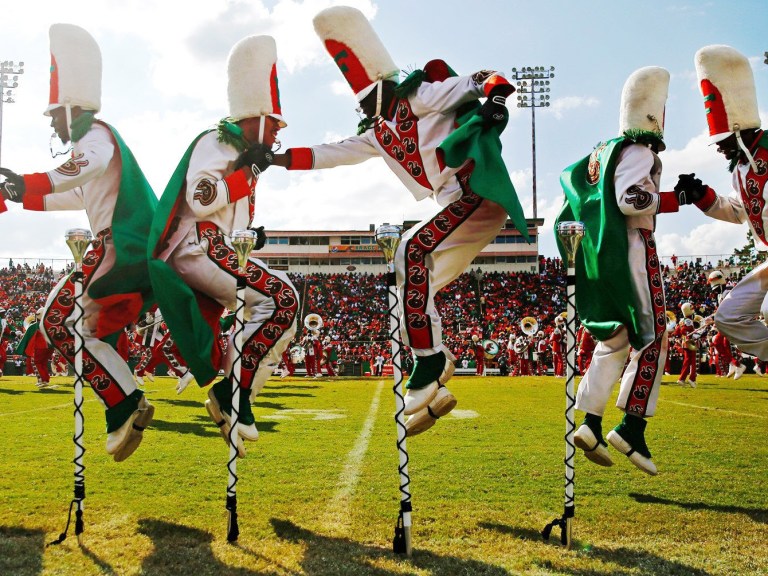
The Jackson State University Sonic Boom of the South stunned fans with a halftime performance that blended powerful live arrangements and iconic HBCU showmanship. Their rendition of Kehlani’s hit “Folded” turned the soulful R&B track into a vibrant stadium anthem, showcasing bold brass harmonies, a commanding percussion section, and the polished precision that has made the Sonic Boom a household name among HBCU marching bands. The arrangement captured the song’s emotional depth while bringing the energy of a live field performance that had the crowd on its feet.

Fans and Social Media Celebrate the Viral Moment

Clips of the Jackson State Kehlani Folded halftime show quickly spread online, creating a surge of excitement across fan communities. Posts on Facebook and Instagram highlighted the band’s flawless execution, drawing praise for the Sonic Boom’s creativity and energy. Viewers commented on everything from the sharpness of the formations to the dynamic percussion breaks that elevated the song. Fans called it one of the season’s most impressive halftime shows and applauded Jackson State’s ability to fuse contemporary music with the pageantry of HBCU tradition.

Kehlani’s Reaction to the Tribute

The performance gained even more traction after Kehlani herself responded to the viral clips. The Grammy-nominated R&B star shared her appreciation on social media, describing the tribute as “incredible” and giving a shout-out to the student musicians who brought her song to life. Her response amplified the reach of the show, drawing attention not only from her fans but also from new audiences who might not have previously been familiar with the Sonic Boom of the South. Kehlani’s acknowledgment underscored how HBCU bands can bridge mainstream music with live performance art, making halftime shows cultural moments that resonate beyond the field.

Honoring the Legacy of HBCU Marching Bands

The viral Jackson State Kehlani Folded tribute reflects the long-standing tradition of HBCU marching bands reinventing popular music through live instrumentation and dynamic choreography. For decades, HBCU bands have been cultural powerhouses, translating chart-topping hits into full-stadium experiences that are as visually thrilling as they are musically compelling. By choosing a song like “Folded,” the Sonic Boom reaffirmed its commitment to celebrating current music while honoring the historical roots of Black college band culture.

A Cultural Bridge Between Artist and Audience

Kehlani’s public praise of the Sonic Boom of the South demonstrates the growing impact that HBCU bands have on popular culture and mainstream music. These ensembles are more than halftime entertainment; they are cultural ambassadors whose influence extends far beyond the football field. The Jackson State Kehlani Folded halftime show highlighted how student musicians connect artists with audiences in unique ways, proving that the legacy of HBCU marching bands remains as relevant and powerful as ever.

A Season Highlight That Resonates Beyond the Game

The Jackson State Kehlani Folded performance will be remembered as one of the standout halftime moments of the season. By combining contemporary R&B with the showmanship and precision of a historic HBCU band, the Sonic Boom of the South reaffirmed its place as a leader in marching band excellence. The viral success of this performance not only energized fans but also reinforced the importance of preserving and celebrating the rich traditions that make HBCU bands central to cultural expression in sports and entertainment.

Cheyney University Enrollment Growth 2025: Nearly 38% Spike Sets Decade Record

Historic Milestone at the Nation’s First HBCU
Cheyney University enrollment growth 2025 reached a historic high this fall as the school reported a 37.9% increase over last year, bringing total enrollment to 851 students. The surge represents the largest year-over-year increase the nation’s first Historically Black College or University has seen in more than a decade, making Cheyney one of the fastest-growing HBCUs in the country.

Sustained Growth & Institutional Turnaround
This remarkable Cheyney University enrollment growth 2025 continues a seven-year upward trend. Since 2018, the university has averaged an 11.6% annual enrollment increase, with only a slight dip last year. The resurgence stems from the school’s comprehensive transformation initiative under President Aaron A. Walton, which focuses on strengthening academics, improving student services, and enhancing campus facilities. This year’s spike in demand even pushed Cheyney to its student housing capacity, leading administrators to plan additional housing for future classes.

Cheyney University Pennsylvania 1321 Gallery1

Leadership, Strategy & Student Support
“This unprecedented growth reflects years of strategic planning, enhanced student services, and renewed confidence in Cheyney’s academic excellence,” said Walton. “The consistent growth indicates we have successfully addressed fundamental challenges while building a foundation for continued expansion. We continue to attract highly talented and experienced administrators, professors, and staff who are committed to our students’ success. This focus, coupled with our ongoing investment in campus facilities, has created an environment where students thrive, and renewed dedication and commitment have driven organic growth.”

Record-Setting Freshman Class & Retention
A major highlight of the Cheyney University enrollment growth 2025 is the freshman class: more than 360 first-time students enrolled this fall — more than double last year’s 148 — making it one of the largest incoming classes in the past 15 years. The university also recorded a 77% new-student retention rate, the highest in over three decades, proving that the focus on student success is working.

Student-Centered Services Driving Success
Dr. Denise Pearson, Provost and Chief Academic Officer, called the freshman class “a record-breaking freshman class that embodies renewed faith in Cheyney’s mission and capabilities.” She credits the higher retention to research-informed student support services, enhanced advising, and a culture of student-centered achievement.

Transformation Model & Workforce Alignment
Cheyney’s innovative transformation model has been key to the Cheyney University enrollment growth 2025. Through strategic public-private partnerships, the university generates revenue, creates internships, and strengthens academic programs by aligning them with workforce demands. “Cheyney is reshaping academia by combining rigorous instruction with co-curricular learning, research opportunities, and cutting-edge technology,” Walton said. “This transformation is visible in growing enrollment, revitalized facilities, and academic pathways directly connected to workforce needs.”

Historic Legacy and Accreditation Reaffirmed
Earlier this year, Cheyney celebrated another milestone as its accreditation was reaffirmed by the Middle States Commission on Higher Education, a development that further validates the Cheyney University enrollment growth 2025 and assures students and families of the university’s academic excellence and stability.

A Bright Future for Cheyney’s Legacy
With a record-breaking freshman class, a 77% retention rate, and innovative programs driving sustainable growth, the Cheyney University enrollment growth 2025 proves that the first HBCU’s legacy remains strong, vibrant, and relevant for new generations seeking a top-tier education and supportive community.

South Carolina State Homecoming Shaken by Two Separate Campus Shootings, Leaving One Dead and One Injured

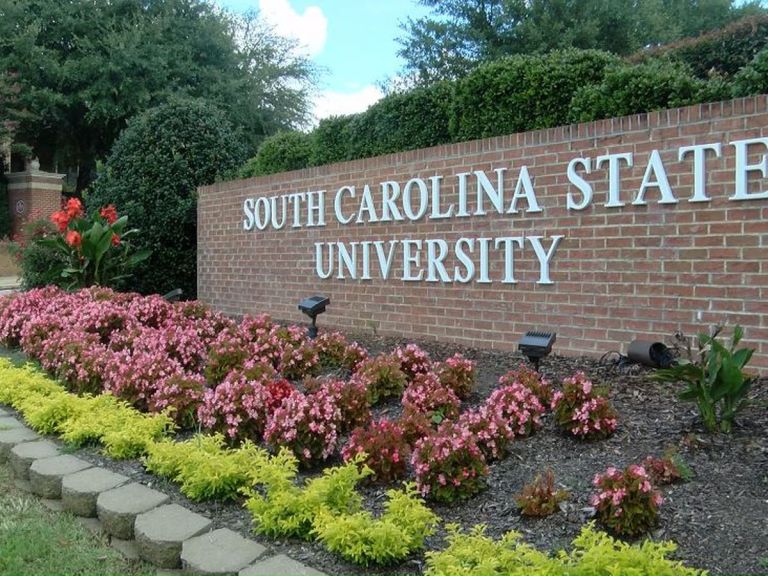
SCSU Homecoming Weekend Marred by Violence
What began as a weekend of school spirit at South Carolina State University ended in tragedy after two separate shootings on campus left one young woman dead and another person injured during the school’s homecoming festivities. Authorities say the incidents, which prompted a campus-wide lockdown and the cancellation of remaining homecoming events, unfolded late Saturday night near student housing areas.

One Killed, One Wounded During Late-Night Incidents
Orangeburg County officials confirmed that 19-year-old Jaliyah Butler was fatally shot in one of the incidents. Another victim, a male student, was hospitalized with non-life-threatening injuries. The shootings, while occurring within hours of each other, are being treated as separate events. Investigators have not linked the two episodes as related at this time.

Campus Lockdown and Arrest Made
The first shooting was reported near Hugine Suites, a student housing complex on campus, sending students scrambling for safety. Campus police quickly placed the university on lockdown while local law enforcement assisted in securing the area. A second incident was reported soon after in a different part of campus, heightening fear among students and visitors gathered for homecoming. Authorities later confirmed the arrest of an 18-year-old suspect on charges that include pointing and presenting a firearm and possession of a weapon on school property. As of Sunday, officials said the investigation is ongoing and additional charges may follow pending the outcome of ballistic tests and witness statements.

Homecoming Festivities Interrupted
The shootings disrupted one of the most anticipated weekends of the year for the SCSU community. Alumni, families, and students had come together for parades, a football game, and celebratory events that highlight Bulldog pride and HBCU traditions. In a statement, university leaders expressed heartbreak over the violence and announced the immediate cancellation of all remaining homecoming events as well as the suspension of classes until further notice to allow students and staff to process the tragedy.

University Leaders and Law Enforcement Respond
University President Alexander Conyers called the loss of Butler “an unimaginable tragedy that cuts to the heart of the SCSU family” and pledged full cooperation with local authorities to bring those responsible to justice. Orangeburg County Sheriff’s Office and South Carolina Law Enforcement Division (SLED) officers remain on campus collecting evidence and interviewing witnesses. Officials have increased patrols to ensure safety for students still in residence halls.

A Community in Mourning and a Call for Peace
Faith leaders and alumni groups have scheduled vigils to honor Butler’s memory and to support the injured victim’s recovery. Student leaders are calling for unity and for more comprehensive campus safety initiatives to prevent future incidents. The tragedy has also sparked renewed conversations about gun violence and security challenges on college campuses across the state.

Separate from Montgomery Tragedy but Part of a Troubling Trend
The SCSU shootings are separate from the mass shooting that occurred the same weekend in downtown Montgomery, Alabama, which left two dead and more than a dozen wounded following the Tuskegee University vs. Morehouse College Classic. While the two incidents are unrelated, they have collectively rattled the HBCU community during a season that is typically dedicated to pride, tradition, and celebration.

As South Carolina State grieves the loss of Jaliyah Butler and prays for the recovery of the injured student, the university has urged anyone with information to come forward to aid law enforcement. HBCU Buzz will continue to follow updates as the investigation develops and as the SCSU family gathers to remember a life cut short and to reclaim the sense of safety that homecoming represents.

DNC Kicks Off HBCU Homecoming Campus Tour to Reconnect with Black Voters

Images 8

DNC Targets HBCU Homecomings for 2025 Voter Push
The Democratic National Committee has announced a new HBCU Homecoming Campus Tour designed tods engage students, alumni, and parents during the most celebrated time of year on historically Black campuses. The effort, launched this fall, aims to rebuild trust and energy with Black voters by showing up at homecoming celebrations well before the next major election cycle.

Engaging Students Beyond Election Day
According to the DNC’s official announcement and reports from outlets like The Grio, the tour will stop at Hampton University, Norfolk State University, Virginia State University, Cheyney University, and Lincoln University. Organizers say volunteers will set up activations at parades, tailgates, block parties, and campus festivities to reach young voters in spaces that feel authentic to HBCU culture.

Merchandise, Commit to Vote Cards, and Grassroots Outreach
At each stop, the DNC plans to distribute “Commit to Vote” cards, voter education materials, and “We Stand With HBCUs” merchandise, along with photo booths and phone-charging stations for attendees. Surrogates and volunteers will also canvas on-site to encourage early registration and voter turnout. DNC leaders said they wanted to demonstrate that the party is committed to consistent engagement rather than only appearing during presidential election years.

Addressing Declines in Black Voter Turnout
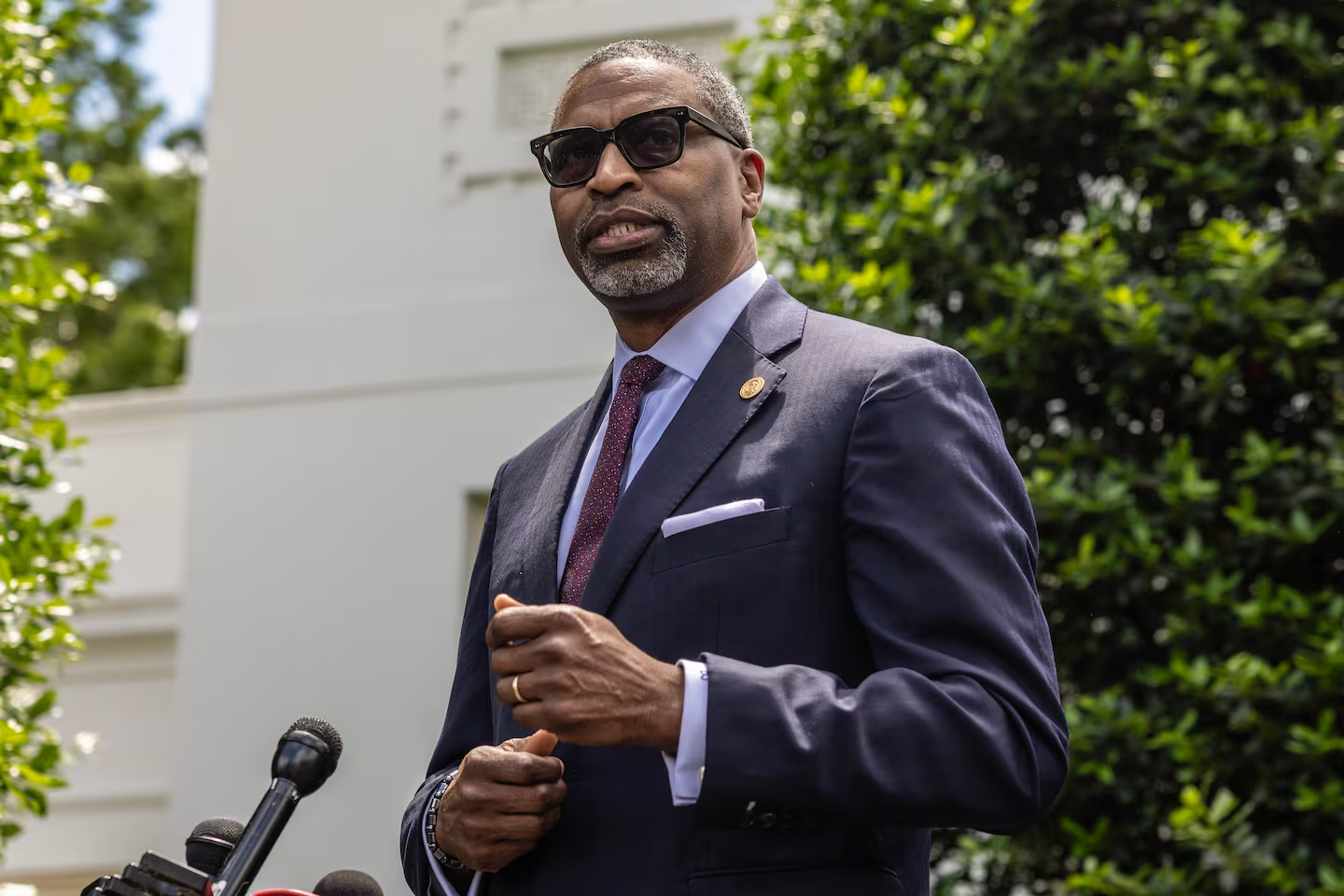
Ken Martin, chair of the DNC’s Voter Participation Center, emphasized that the initiative responds directly to turnout declines seen in 2024, particularly among younger Black men. “For too long, political parties have shown up at the last minute and expected loyalty,” he said during an interview. “We’re showing up early and often, especially where culture drives community.” The campaign coincides with the start of early voting in several states, including Virginia on October 25, allowing the tour to tie celebrations directly to voter mobilization efforts.

A Strategic Focus on HBCU Communities
Homecoming season is a natural choice for outreach because of the massive draw of alumni, students, families, and local supporters. By hosting activations at some of the oldest and most influential HBCUs—including Hampton, the first Black college in the South, and Cheyney University, the nation’s oldest historically Black college—the DNC hopes to engage attendees on familiar ground where cultural pride meets civic action.

Building Trust Amid National Conversations
The tour also follows ongoing discussions about threats against HBCUs and national debates over policies affecting students of color. DNC officials say the program is meant to build consistent relationships with voters while highlighting investment in historically Black colleges and their surrounding communities.

While full details on funding and additional tour dates have not been disclosed, the DNC described the effort as a “five-figure investment” to strengthen ties with Black voters across key states. The initiative has been met with interest from alumni groups and student leaders who see the value in connecting homecoming celebrations with civic engagement.

HBCU Buzz will continue to follow the tour’s progress as it makes its way through campuses this season, spotlighting how these efforts resonate with HBCU communities nationwide.

Tragedy Strikes After Tuskegee-Morehouse Classic: 2 Killed, Over a Dozen Injured in Montgomery Shooting

Ed Re 2

Montgomery Shooting Shatters a Weekend of Celebration
A night meant to celebrate HBCU tradition turned tragic late Saturday when gunfire erupted in downtown Montgomery, Alabama, killing two people and injuring more than a dozen others during a weekend packed with events surrounding the historic Tuskegee University vs. Morehouse College Classic football game. The shooting broke out around 11:30 p.m. near the intersection of Bibb Street and Commerce Street, an area crowded with thousands attending the Classic, the Alabama National Fair, and homecoming celebrations.

A Chaotic Scene in Downtown Montgomery
Montgomery Police say the violence appears to have started as a targeted attack on one individual before others in the crowd pulled out weapons, leading to a chaotic exchange of gunfire that sent people running for cover. Officers on patrol were reportedly within about 50 feet of where the incident began but were unable to stop it before dozens of rounds were fired. Multiple firearms were recovered, some equipped with high-capacity magazines.

Two Victims Lost and Several Young People Wounded
Authorities identified the victims who lost their lives as 17-year-old Jeremiah Morris and 43-year-old Shalanda Williams. Among the more than a dozen injured, seven are under the age of 20, highlighting the toll on young people who had come downtown to enjoy the festivities. Three remain in critical condition, and two of the wounded were juveniles—one still in life-threatening condition as of Sunday afternoon.

HBCU Rivalry Weekend Turns to Mourning
The tragedy struck just hours after crowds had cheered on the Tuskegee Golden Tigers and Morehouse Maroon Tigers in one of the most celebrated HBCU football rivalries, turning a day of pride and camaraderie into grief for students, alumni, and families.

Officials Pledge Justice and Increased Security
Montgomery Mayor Steven Reed condemned the shooting as “senseless” and said the city is working with state leaders to bolster downtown security. Alabama Governor Kay Ivey vowed to send additional state resources and announced that patrols would be expanded around major events. Investigators from the Montgomery Police Department, the Alabama Law Enforcement Agency, and the ATF continue to search for those responsible and have announced a $50,000 reward for information leading to arrests.

Community Response and Call for Healing
Police Chief Jim Graboys pledged, “We will not rest until we put the people involved in jail,” noting that the presence of extended-magazine firearms underscores the need to curb illegal weapons in the community. The shooting has sparked calls from clergy, neighborhood leaders, and HBCU alumni groups for prayer vigils, anti-violence efforts, and better conflict-resolution programs as Montgomery mourns the loss of Morris and Williams. As the investigation unfolds, authorities are urging anyone with information to contact the Montgomery Police Department or CrimeStoppers. HBCU Buzz will continue following updates as the Tuskegee and Morehouse communities rally to support the victims’ families and those recovering from this devastating attack.

9 Screen-Time Tips That Won’t Ruin Your Schedule

Young African Couple Standing Back Back Holding Mobile Phones

Screens are everywhere: in class, in the dorm, and in your pocket. They keep you linked to friends, study groups, and music. They can also steal minutes that add up quickly to hours. If you use screens with a plan, they’ll help you. But allow them to run your day, and your schedule starts slipping.

1. Set Intentions Before You Log On

Never open an app without a task in mind. Say it out loud: news check, five minutes of laughs, or a study sprint. Setting goals stops aimless scrolling. Keep each session short and to the point.

2. Create Screen-Free Zones

Pick spots where phones don’t go. The bedroom is the top pick. Mealtime is another. Those rules make room for better sleep and real conversations: things that actually recharge your energy.

3. Screens Aren’t the Enemy

Not all screen time is wasted. Some of it is rest. Some of it helps you learn. A quick game or a short video can reset your mood between classes. If you like iGaming, for example, the advantages of playing on mobile (such as the flexibility and short sessions that mobile casino apps offer) can help you predetermine when and how much you want to play.

4. Set Time Limits

Pick blocks for being offline: a walk after class, a reading hour, or a scheduled hobby evening. Use phone timers or built-in trackers to enforce them. Small windows of unplugged time add up and can make you more productive overall.

5. Manage Notifications

Every ping pulls you out of the moment. Turn off social feeds or WhatsApp group notifications that don’t need to interrupt you. Use “Do Not Disturb” when you study or hang out with people. Fewer alerts mean more focus.

6. Take Breaks to Protect Your Eyes

LED and OLED screens tire your eyes, and this takes its toll on your eye health over time. Try the 20-20-20 rule: every 20 minutes, look at something 20 feet away for 20 seconds. Stand up, blink, and stretch to make sure you keep active. It’s an easy habit that helps your eyes and your posture.

7. Curate What You Consume

Fill your feed with stuff that helps you learn, laugh, or grow. Unfollow accounts that drag you down and avoid negative news loops. Choose podcasts and creators that add value. Small edits to your feed will enrich your experience.

8. Use Tech to Help Tech

Many productivity apps exist to block distracting sites, set timers, and show your real screen habits. They’re not magic wands that can wave away the problem, but they can make sticking to a plan easier. Treat them like training wheels.

9. Prioritize Offline Joy

Go outside. Call a friend on the phone instead of texting them. Read a book made of paper. Those moments recharge you in ways a social feed or mobile game can’t. They make both study and chill time better.

Final Thoughts 

Keep it simple. Pick a couple of these moves and try them for a week. Soon enough, you will notice the gaps where your day used to slip away. What to do with this newly gained time? Fill it with things that actually matter.

Why The Glitter Bomb Strain Is Making Noise in the Cannabis Community

791d3dfe 821a 42fa B0a3 0549beb0e34c

The Glitter Bomb cannabis strain is making waves for its bold look and balanced effects, but its rise also connects to larger conversations happening at HBCUs. From student research to entrepreneurial opportunities, Glitter Bomb symbolizes how innovation, culture and community engagement are shaping the future of cannabis, and the role HBCUs can play in leading that change.

The cannabis industry is evolving fast, and one strain in particular, the Glitter Bomb strain, is catching the attention of not just enthusiasts but also students, entrepreneurs and cultural leaders connected to HBCUs. Known for its vibrant look and unique effects, the Glitter Bomb strain has become a symbol of creativity, community, and the broader conversations about diversity and opportunity in cannabis.

For HBCU students and alumni, this moment presents more than just a curiosity about a new strain. It connects to larger conversations about innovation, representation and how Black communities can continue to shape emerging industries.

What Makes The Glitter Bomb Strain Stand Out

Glitter Bomb gets its name from its eye-catching appearance and lively, uplifting effects. Unlike more traditional strains that people may associate with one-dimensional outcomes, the Glitter Bomb strain is praised for balancing relaxation with a burst of creativity and energy. It has also been celebrated for its sweet, earthy aroma that makes the experience more approachable to newcomers.

This approachable nature matters for communities exploring cannabis culture more deeply, especially as stigma begins to fade. For many HBCU graduates entering industries in health, wellness and entrepreneurship, learning about strains like Glitter Bomb can mean discovering ways cannabis intersects with business opportunities, personal balance and cultural expression.

A Connection to Innovation and Empowerment

The story of the Glitter Bomb strain isn’t just about cannabis; it’s about the spirit of innovation. The rise of unique strains reflects how growers, often from marginalized communities, are finding ways to tell their stories through cultivation and creativity. This aligns closely with the values celebrated across HBCUs: Resilience, ingenuity and building platforms that honor cultural identity while pushing boundaries.

At schools like Howard University, where programs in pharmacy and health sciences continue to train leaders in medicine and wellness, or Southern University, one of the first HBCUs to launch a medical marijuana program, conversations around cannabis are no longer taboo; they’re part of an evolving dialogue about health equity, research and economic empowerment.

For students studying agricultural science, business or health at HBCUs, cannabis represents a potential career path that combines entrepreneurship with social justice. The Glitter Bomb strain, with its growing cultural footprint, symbolizes the kinds of innovative opportunities that can emerge when communities embrace creativity and ownership in new industries.

The Role of Community Engagement

Cannabis culture has always thrived on community, and Glitter Bomb’s popularity shows how collective energy drives trends forward. In the same way HBCUs foster tight-knit connections among students and alumni, the cannabis community thrives on collaboration, knowledge-sharing and cultural pride.

Events, forums and student organizations focused on wellness and entrepreneurship at HBCUs provide platforms for these kinds of conversations. Whether it’s students exploring cannabis as part of research projects, or alumni launching cannabis-related businesses, the community-driven aspect is what gives strains like Glitter Bomb their staying power.

Education and Shaping the Future

Education is at the heart of both HBCUs and the cannabis movement. As cannabis becomes more mainstream, understanding its benefits, challenges, and opportunities is crucial. HBCUs are uniquely positioned to lead these conversations by fostering programs that combine science, culture, and entrepreneurship.

For example, Southern University’s medical marijuana initiative has already created opportunities for students to learn about cultivation and industry standards while giving back to the community. Expanding these kinds of programs across HBCUs could ensure that Black students are not only part of the cannabis conversation but leading it.

Strains like Glitter Bomb serve as an entry point for more accessible discussions, making it easier to connect with students and young professionals who want to learn about cannabis without getting lost in overly technical language.

Looking Ahead: The Glitter Bomb strain and the HBCU Community

The rise of the Glitter Bomb strain is about more than a trendy strain; it’s about representation, innovation and future possibilities. For the HBCU community, cannabis represents both a cultural shift and an economic frontier where diversity and empowerment can thrive.

By embracing the conversations sparked by Glitter Bomb and other strains, HBCUs have the chance to prepare students for leadership in a growing industry while also honoring the values of creativity, collaboration and community impact.

Glitter Bomb may shine in the cannabis world today, but its real sparkle lies in the opportunities it creates for the next generation of leaders coming out of HBCUs.

Texas Southern Makes Historic Investment in Aviation Program with New Cirrus Aircraft Fleet

MViQepYV

Texas Southern University (TSU) is taking its Aviation Science Management program to new heights with the acquisition of 12 state-of-the-art Cirrus SR20 G7+ aircraft, marking a historic first-of-its-kind partnership between Cirrus Aircraft and a Historically Black College or University. The multimillion-dollar investment represents one of the largest single fleet purchases in the program’s history and sets TSU apart as a national leader in collegiate aviation education. Announced in late September, the new aircraft fleet features cutting-edge technology, including the Cirrus Airframe Parachute System (CAPS®) installed on all 12 planes and Safe Return Emergency Autoland™ on seven of them — the same safety innovations found in modern private jets. According to Business Wire, the SR20 G7+ models will give students access to one of the safest and most technologically advanced training fleets in the country.

A Game-Changing Moment for TSU’s Aviation Program

TSU leaders called the purchase a major step forward in expanding opportunities for aspiring pilots, aviation managers, and aerospace professionals. The acquisition was made possible through a combination of alumni philanthropy, state legislative support, and institutional investment, underscoring the collaborative effort to elevate the university’s aviation offerings. University officials said the partnership with Cirrus represents more than just new planes; it’s about expanding hands-on learning, enhancing workforce readiness, and positioning TSU as a pipeline for diverse talent in an industry facing nationwide pilot shortages. TSU’s Aviation Science and Technology Department, based at Ellington Airport in Houston, will house the new fleet and integrate it into its flight training curriculum. “We’re not just adding planes — we’re opening doors,” a TSU spokesperson told Texas Southern News, emphasizing that the fleet will help students log more flight hours, gain proficiency on advanced avionics, and graduate with competitive credentials.

Historic Partnership Between Cirrus and an HBCU

This partnership marks the first time Cirrus Aircraft has delivered a full fleet of SR-Series G7+ aircraft to an HBCU, demonstrating TSU’s emergence as a serious player in aviation education. Cirrus executives highlighted that TSU’s fleet is one of the largest university acquisitions of the new SR20 G7+ series in the nation, reflecting the industry’s commitment to supporting diversity in aviation. The collaboration was spotlighted at EAA AirVenture Oshkosh 2025, the world’s largest aviation showcase, where TSU’s new planes drew attention for combining next-generation safety features with a historic push to train more minority pilots.

Empowering Future Pilots and Strengthening Diversity

TSU has a longstanding reputation for preparing students for careers in aviation management and flight operations, but the addition of the Cirrus fleet significantly raises the program’s profile. For students, the aircraft mean more flight availability, faster progression through required hours, and exposure to modern avionics systems like the Garmin Perspective+ flight deck. The investment also underscores TSU’s commitment to diversifying the aviation workforce, a priority given that African Americans account for less than 3% of commercial airline pilots nationwide. University leaders hope the fleet will help attract new students to aviation science and inspire future generations to pursue careers as pilots, engineers, and aerospace innovators.

Funding Innovation with Community Support

The fleet acquisition was made possible in part by a generous gift from a TSU alumnus, combined with funding from the Texas Legislature aimed at advancing workforce development programs at public universities. Houston city officials also supported TSU’s ongoing expansion at Ellington Airport, including infrastructure upgrades to accommodate the new planes. This investment builds on prior initiatives such as the Houston Airport System’s commitment of up to $5 million in 2023 to support TSU’s flight training facility. Together, these milestones reflect a growing partnership between local government, private industry, and the university to address critical workforce gaps in aviation.

Elevating TSU’s National Standing

With this acquisition, TSU’s Aviation Science Management program now boasts one of the most advanced training fleets among HBCUs and regional universities alike. The fleet not only modernizes the curriculum but also positions TSU to compete with leading aviation schools across the country, giving students access to equipment that meets or exceeds industry standards. Cirrus Aircraft leaders have stated that equipping future pilots with advanced avionics and safety systems from day one will set TSU graduates apart in an increasingly competitive job market.

A Historic Takeoff

Texas Southern University’s investment in its aviation program signals a new era of growth and opportunity for HBCU students in STEM and aerospace. As the university continues to expand its presence at Ellington Airport and strengthen partnerships with industry leaders, the new fleet of Cirrus aircraft represents not just an upgrade in technology but a transformative leap toward equity, innovation, and excellence in aviation education.

Former South Carolina State Star Shaquille Leonard Retires from NFL as Three-Time All-Pro

Usatsi 21672573 168388561 Lowres

Former South Carolina State University standout and three-time NFL All-Pro linebacker Shaquille “Shaq” Leonard has announced his retirement from professional football, closing the chapter on one of the most decorated careers ever by an HBCU-born defensive player. The 29-year-old, who became the face of the Indianapolis Colts’ defense for six seasons, will officially retire as a Colt during a special ceremony at halftime of the team’s Week 5 game against the Las Vegas Raiders. Leonard shared his decision on October 1, 2025, thanking his family, teammates, coaches, and fans for what he described as a “dream realized beyond measure.” “From Lake View, South Carolina, to SC State to the NFL, I’ve been blessed to live out my purpose on and off the field,” Leonard said in a statement via the Colts.

From Bulldog to NFL Star

Leonard’s journey to NFL stardom began at South Carolina State University, where he was a dominant force in the MEAC and helped elevate the Bulldogs’ national profile. Over four seasons, he racked up 394 tackles, 42.5 tackles for loss, 13.5 sacks, and six interceptions, earning MEAC Defensive Player of the Year twice (2016 and 2017). His explosive play and leadership turned heads at the 2018 NFL Combine, where he went on to be drafted 36th overall in the second round by the Colts. Leonard quickly validated that pick. As a rookie in 2018, he recorded 163 tackles, leading the entire NFL and earning NFL Defensive Rookie of the Year honors. Over his career with Indianapolis, he amassed 607 tackles, 15 sacks, 17 forced fumbles, 12 interceptions, and 2 defensive touchdowns, becoming a cornerstone of the Colts’ defense. He was named First-Team All-Pro three times (2018, 2020, 2021) and selected to four Pro Bowls.

A Proud HBCU Legacy

Leonard’s success represents more than just personal achievement — it’s a point of pride for HBCU football programs nationwide. As one of the most accomplished defensive players to come out of an HBCU in the modern era, Leonard often credited his development to SC State’s culture of discipline and resilience. “I wouldn’t be the player or man I am today without South Carolina State and Coach Buddy Pough,” Leonard told WIS-TV in an earlier interview. His story has been a rallying cry for athletes at smaller HBCUs, showing that elite NFL careers can emerge from programs outside the Power 5 conferences.

Battling Through Injuries

Leonard’s retirement also reflects the toll the game has taken on his body. After a string of back and ankle injuries that required surgeries and limited his snaps in recent seasons, he acknowledged that the time was right to step away to prioritize his long-term health and family. “This decision wasn’t easy, but I want to walk away while I can still enjoy the life I’ve built,” he said in his retirement note. The Colts, in their official statement, praised Leonard as “the heartbeat of the defense and a leader whose impact goes beyond statistics.”

Celebrated by the Colts and HBCU Community

Indianapolis will honor Leonard during a halftime ceremony in Week 5 against the Raiders, giving fans a chance to salute the player affectionately nicknamed “The Maniac” for his relentless energy on the field. Colts owner Jim Irsay said Leonard “embodied toughness, character, and community spirit,” highlighting the linebacker’s charity initiatives and mentoring work with young athletes. At SC State, news of Leonard’s retirement sparked tributes from alumni and current players, many of whom grew up watching his rise from an HBCU standout to an NFL star. The MEAC released a statement congratulating Leonard on his career and calling him “an inspiration for generations of student-athletes.”

Legacy of Leadership and Service

Beyond his on-field accolades, Leonard has consistently used his platform to give back to his hometown of Lake View, South Carolina, and to support HBCU scholarships. His “Maniac Foundation” has provided resources for underserved communities, youth sports, and education programs. For many, Leonard’s journey underscores the broader importance of investing in HBCU athletic programs, which often produce talent capable of competing — and excelling — at the highest levels of professional sports.

Closing a Chapter, Inspiring the Next

Shaquille Leonard leaves the game as a three-time All-Pro, four-time Pro Bowler, and one of the most decorated HBCU-born players of his generation. His retirement is both a farewell to a stellar NFL career and a reminder of the rich legacy that HBCU athletes bring to professional football. As Leonard puts down his helmet for the last time, his impact will continue to be felt not only in Colts history books but also across the halls of South Carolina State and the broader HBCU sports community he championed throughout his journey.

Alabama Governor Declares October as HBCU Month for the Fourth Year in a Row

Asu Alabama State

Alabama Governor Kay Ivey has officially declared October as “HBCU Month” in Alabama, recognizing the state’s 14 Historically Black Colleges and Universities and their lasting contributions to education, culture, and economic development. This marks the fourth consecutive year Ivey has issued the proclamation. (WTVY) “Alabama is proud to be home to more HBCUs than any other state in the country,” Ivey said in a statement shared by the Governor’s Office. “These historic institutions have shaped leaders, innovators, and changemakers who continue to strengthen our communities.”

Highlighting Alabama’s HBCU Legacy

Alabama’s HBCUs include institutions such as Alabama State University, Tuskegee University, Stillman College, Miles College, and Oakwood University — among others that have educated generations of Black scholars and professionals. The proclamation celebrates the legacy of these schools as cornerstones of access and excellence in higher education. It also underscores their ongoing role in advancing workforce development, economic growth, and cultural heritage within the state.

Alabama Governor Declares October As HBCU Month For The Fourth Year In A Row
https://governor.alabama.gov/assets/2022/09/HBCU-Month-Proclamation.pdf

Focus on Economic Impact and Opportunity

Governor Ivey’s announcement highlights the work of the Alabama Office of Minority Affairs’ HBCU Initiative and the Alabama HBCU Co-Op Program, which aim to expand opportunities for students by connecting them with internships and workforce pipelines. “These programs ensure that our students not only receive a quality education but also gain meaningful career experience that keeps Alabama competitive,” Ivey said. According to a UNCF economic impact study, Alabama’s HBCUs collectively generate hundreds of millions of dollars in economic activity each year and support thousands of jobs statewide.

A Continued Commitment to Recognition

By declaring October as HBCU Month for the fourth straight year, Ivey and state leaders signal a continued commitment to recognizing the historical and present-day value of HBCUs. Community members and school leaders see this recognition as more than symbolic. It provides a platform to advocate for increased state support, scholarships, and equitable funding for the institutions that have historically served underrepresented students.

Reactions from the HBCU Community

Leaders at Alabama’s HBCUs praised the proclamation, noting the importance of having statewide recognition. Officials from Alabama State University called the move “a celebration of our students’ excellence and the promise of future generations.” Advocates also point to the need for translating recognition into policy support, urging lawmakers to pair proclamations with resources that strengthen facilities, academic programs, and student services.

Wilberforce University Eyes Historic Football Comeback After Nearly a Century

Wilberforce Football Team Then 1024x815 900xx1200 675 0 140

Wilberforce University — the nation’s oldest private Historically Black College and University — is taking steps to revive its storied football program nearly 100 years after it was discontinued. The Ohio-based HBCU announced in September that it has launched a feasibility study to explore what it would take to bring football back to campus. The last time the Bulldogs fielded a team was in the 1930s, when Wilberforce captured the 1931 Black College National Championship. “This is more than about athletics — it’s about reclaiming our legacy, enriching the student experience, and energizing our campus culture,” said Wilberforce president Dr. Vann R. Newkirk in the school’s official statement.

A Return to the Gridiron Rooted in Legacy

Founded in 1856, Wilberforce University has long been a cornerstone of Black higher education. Its football program dates back to the early 20th century, when the Bulldogs were among the nation’s most competitive Black college teams. In 1931, under head coach Harry C. Graves, Wilberforce defeated Tuskegee University to claim the national title — a milestone that still resonates with alumni and sports historians. The program, however, was shuttered later that decade due to financial challenges and shifting institutional priorities.

Growth Sparks a New Vision

According to the university, renewed interest in football stems from projected enrollment growth, with Wilberforce expecting to surpass 1,000 students by 2026. Leaders believe a football program could boost school spirit, attract prospective students, and expand opportunities for scholarships and community engagement. The feasibility study will examine facility needs, staffing, funding models, and student-athlete interest, as well as Title IX compliance to ensure balanced resources for men’s and women’s sports. Dr. Newkirk emphasized that any decision to bring football back will prioritize “sustainability, equity, and student safety.”

1024px Galloway Hall Wilberforce University

Community and Alumni Enthusiasm

The idea of returning to the field has sparked excitement among alumni who see football as central to HBCU culture — from the energy of Homecoming Saturdays to the pageantry of halftime shows. Several supporters told HBCU Gameday that a team could help restore traditions lost over generations and strengthen alumni engagement.

Challenges Ahead

Restarting a football program after nearly a century presents challenges: building a stadium or upgrading facilities, hiring coaching staff, recruiting athletes, and raising millions of dollars in operating funds. The university has not set a final timeline, but if feasibility plans progress, football could return as early as Fall 2027.

Why It Matters for HBCU Athletics

Wilberforce’s initiative reflects a broader trend among smaller HBCUs seeking to revitalize athletics to drive enrollment, community ties, and national visibility. A successful relaunch would make Wilberforce one of the few HBCUs to restore a discontinued football program, offering lessons for other campuses weighing the balance between tradition and fiscal responsibility.

FAMU Fined and Announcer Suspended After Remarks About ASU’s Honey Beez

FAMU Fined And Announcer Suspended After Remarks About ASUs Honey Beez

Florida A&M University (FAMU) is facing public backlash and league penalties after the Southwestern Athletic Conference (SWAC) issued a $10,000 fine and a formal reprimand over inappropriate remarks made by the school’s longtime football game announcer.

The comments, directed at Alabama State University’s beloved Honey Beez dance line during last weekend’s matchup, have sparked conversations about respect, inclusivity, and sportsmanship within HBCU culture.

SWAC Issues Fine and Suspension

In a statement released on October 1, 2025, the SWAC cited violations of its Principles and Standards of Sportsmanship for “inappropriate comments and invective language” used over the public-address system at Bragg Memorial Stadium.

As part of the league’s disciplinary action, the conference levied a $10,000 fine against FAMU and suspended public address announcer Joe Bullard for two games.

The SWAC’s swift response drew support from many across the HBCU community, with alumni and fans applauding the conference for upholding a standard of respect at athletic events.

The Remarks and Public Reaction

During halftime of the FAMU vs. ASU football game, Bullard made comments that many found disparaging toward the Honey Beez, particularly singling out their appearance in a way that offended fans and dancers alike. Clips of the remarks quickly spread across social media, generating outrage and widespread criticism.

In a written apology, Bullard acknowledged that what he intended as “lighthearted banter” came across as disrespectful. “I recognize the hurt my words caused and sincerely apologize to the Honey Beez, Alabama State University, and the entire HBCU community,” he said.

FAMU leadership also released a statement condemning the remarks and promising to review internal policies to prevent similar incidents in the future.

Spotlight on the Honey Beez

The Honey Beez, founded in 2004, have earned national acclaim for their high-energy performances and their commitment to challenging stereotypes in the world of collegiate dance. The team is widely celebrated for promoting body positivity, representation, and inclusivity at ASU sporting events and throughout the HBCU dance community.

Supporters of the Honey Beez were quick to point out that the incident underscores why representation matters — and why those in positions of influence, including game-day announcers, must be held to higher standards of respect.

Cultural Accountability in HBCU Athletics

This controversy highlights the importance of sportsmanship as a reflection of institutional values. While spirited rivalries are a hallmark of HBCU football culture, the SWAC’s decision reinforces that language used in stadiums can have far-reaching consequences.

Many alumni and students have called on FAMU to provide additional training for announcers and other staff who help shape the game-day experience, ensuring future commentary uplifts rather than demeans.

Moving Forward

FAMU announced it will cooperate fully with the SWAC’s directives and explore ways to strengthen internal oversight of its game-day operations. The university expressed its commitment to creating an environment that celebrates HBCU traditions without compromising dignity or inclusivity.

As the football season continues, the incident serves as a reminder that words matter — especially in spaces meant to showcase the pride and talent of HBCU students and alumni.

HBCU Buzz will continue to follow this developing story and share updates as FAMU implements any policy changes or if further action is taken by the conference.

Fort Valley State Suspends Marching Band Amid Hazing Allegations Ahead of Homecoming

81612715 5896 43df 82f4 8e5c8638832a 532G442700 00 43 10Still002

Fort Valley State University (FVSU) has suspended its entire marching band following hazing allegations that surfaced just days before Homecoming week, the university confirmed in a public statement.

The decision was announced on September 25, 2025, and immediately halted all band-related activities, including upcoming Homecoming performances. FVSU leaders said the move reflects their commitment to student safety as an investigation gets underway.

“The safety and well-being of our students is our top priority,” said Britney Smith, FVSU’s Executive Director of Marketing and Communications. “While we recognize how much the marching band means to our school spirit, we have to take these allegations seriously.”

A Difficult Call Before a Big Weekend

The suspension comes as FVSU prepares for one of its biggest events of the year — the annual Homecoming football matchup against Tuskegee University. The marching band, long considered a centerpiece of the Wildcats’ game-day and Homecoming traditions, will be notably absent from the festivities.

Students and alumni expressed disappointment on social media but also voiced support for the university’s swift response, noting that hazing continues to be a serious issue across campuses nationwide.

Hazing Remains an Ongoing Concern at HBCUs

Hazing incidents have repeatedly cast a shadow over HBCU culture in recent years. The Florida A&M University Marching 100 tragedy in 2011, where drum major Robert Champion died after a hazing ritual, still resonates as a turning point that forced bands and Greek organizations to reevaluate practices and safety standards.

More recently, Southern University found itself in the spotlight after the death of Caleb Wilson, who was reportedly involved in a hazing event tied to a fraternity. The university expelled the fraternity and launched a campus-wide hazing prevention review in response.

FVSU’s current investigation underscores that, despite past reforms and heightened awareness, hazing remains a persistent threat to student life and institutional reputation at Historically Black Colleges and Universities.

University Launches Investigation

The school has not released details about the nature of the allegations or the individuals involved but confirmed that an internal review is already underway. FVSU officials said they will work with law enforcement if necessary and promised to keep the campus community updated as the investigation progresses.

Administrators also encouraged students to report any hazing-related incidents through the university’s confidential hotline and reiterated FVSU’s zero-tolerance policy.

Impact on Campus Culture and Future Seasons

Suspending the band is a rare and consequential move — one that could affect the group’s rehearsal schedule, competitions, and recruitment for seasons to come. For now, the priority remains ensuring student safety and restoring trust among parents, alumni, and prospective Wildcats.

The incident also serves as a reminder that traditions tied to school pride must never come at the expense of well-being. FVSU joins a growing list of HBCUs confronting the challenge of preserving cultural legacies while eradicating harmful practices.

HBCU Shop Launches As The Official Lifestyle Brand For HBCUs

HBCU SHOP HBCU BUZZ1

LOS ANGELES, CA — SEPTEMBER 22, 2025 — Today marks a major milestone in HBCU culture and fashion: HBCU Shop (hbcushop.co), the new lifestyle brand created to amplify and celebrate Historically Black Colleges and Universities, officially launches. Rooted in heritage, style, and pride, the brand brings together tradition and modern streetwear in fresh, meaningful ways.

Founded by Bowie State University alumni, business partners, and longtime friends — Luke Lawal Jr. (entrepreneur and CEO of HBCU Buzz) and Kyle Moore (designer and creative lead) — HBCU Shop emerges from a shared vision of cultural representation. Both men are also brothers of Omega Psi Phi Fraternity. Determined to fill a gap in the fashion landscape, they set out to build more than just a clothing line; their ambition was to forge a movement that dresses the culture in its own voice.

HBCU Shop debuts with collections across HBCU Active, HBCU Leisure, and University categories — each designed not just for wearing, but for storytelling. Every piece carries the spirit, vibrancy, and legacy of HBCUs. From bold graphics and refined color palettes to fine fabric choices and attention to detail, the brand’s offerings reflect pride, identity, and movement.

“HBCU Shop is more than a store — it’s a movement,” said Lawal. “We built this brand to represent our culture unapologetically, from campus to the city, and to create apparel that speaks to both history and the future.”

Moore elaborates on the design philosophy:

“Design is storytelling. With HBCU Shop, we’re creating pieces that feel timeless while staying rooted in the pride and creativity of our community.”

HBCU SHOP UNIVERSITY

What sets HBCU Shop apart is not only its aesthetic ambition, but also the ethos behind it. This is apparel with purpose. Whether you’re on campus, out in the city, or representing your alma mater across the country, the brand aims to bridge identity and everyday wearability. The collections are intended to be relevant, authentic, and accessible — enabling wearers to express HBCU pride in any setting.

At launch, the full collection is available now on hbcushop.co, where the brand plans to continue evolving its catalog and forming collaborations with designers, artists, and institutions tied to HBCU legacy. The platform also serves as a cultural hub — a place to spotlight stories, amplify voices, and deepen connections within the community.


About HBCU Shop

HBCU Shop is a purpose-driven lifestyle brand dedicated to the culture, pride, and heritage of Historically Black Colleges and Universities. Its mission is to fuse authenticity with modern design to empower wearers to represent their heritage — boldly and confidently — every day.

Operated under HBCU Buzz, the brand leverages the founders’ background in media, entrepreneurship, and HBCU advocacy to support its vision. By integrating storytelling, design, and cultural celebration, HBCU Shop aspires to be more than a label — it aims to become the emblem of a movement.

In addition to selling apparel and accessories under its Active, Leisure, and University lines, the brand will grow through:

  • Collaborations with artists, designers, and HBCU institutions
  • Limited-edition drops that spotlight cultural moments or milestones
  • Content and storytelling initiatives via its site, newsletter, and social channels
  • Community engagement, events, and partnerships uplifting HBCU culture

By situating fashion as both a form of representation and a cultural voice, HBCU Shop seeks to uplift HBCU identity — celebrating its history and shaping its future.

Tennessee State Removes Unauthorized MAGA Group After Campus Confrontation

G1jrXpRW8AA9mRf

TSU Acts Against Unauthorized Campus Visit

On September 23, 2025, Tennessee State University (TSU) found itself at the center of campus controversy when a group known as “Fearless Debaters” arrived unannounced on its Nashville campus. The group donned Make America Great Again (MAGA) hats and held signs reading “DEI should be illegal” and “Deport all illegals now.” According to The Tennessean, the group attempted to stage what they called a “debate table” aimed at sparking confrontation.

University officials confirmed the visitors were unauthorized and unaffiliated with TSU. Under university rules, protests or demonstrations must receive advance approval and permitting. Campus police and staff escorted the group off the property without incident.

In its official statement, TSU emphasized that “at all times, TSU students conducted themselves in a professional and respectful manner.” The university reiterated that the safety and well-being of students, faculty, and staff remain its highest priority.


What the Fearless Debaters Claimed & How Students Reacted

According to reporting, the group claimed TSU as the first stop on its “Fearless Tour” of HBCUs, seeking to promote “open debate” on campuses. The Tennessean notes that social media profiles linked to the group suggest inspiration from the late Charlie Kirk and a desire to contest DEI and immigration issues at HBCUs.

On the ground, students quickly mobilized. Some documented the group’s presence via video, and large numbers gathered to vocalize opposition as the group exited campus. One posted video showed student involvement in escorting the group from campus. Some members of the group later posted claims on social media, alleging that students had interfered with their property or exit, but the university denied those claims and maintained that order was preserved.

In response, the NAACP Nashville Chapter issued a solidarity statement, condemning what it called a deliberate tactic to provoke and intimidate students. The organization argued the act was more than free speech—it was a targeted, antagonistic effort at an HBCU, meant to destabilize and unsettle the campus environment.


Why the Tennessee State Unauthorized Group Removal Is Significant

This episode at TSU is emblematic of broader tensions and risks facing HBCUs today:

  1. Campus Governance & Free Speech Tension
    Universities must balance protecting free expression with maintaining safety and order. TSU’s enforcement of its approval policy demonstrates one approach to that balance in a volatile environment.
  2. HBCUs as Political Flashpoints
    The group’s messaging—attacking DEI, pushing immigration rhetoric—seems specifically aimed at challenging HBCU values and identity. The Tennessean framing indicates this may be part of a pattern of intentional targeting of HBCU spaces.
  3. Student Agency & Institutional Strength
    TSU’s praise for its students’ professionalism underscores how critical student behavior is in shaping perceptions and outcomes during tense situations.
  4. Precedent & Deterrence
    How TSU handles the aftermath—investigations, public messaging, policy reviews—can either deter or invite future unpermitted intrusions on campuses across the country.

Next Moves for Tennessee State

Moving forward, TSU has several fronts to address:

  • Full accounting and transparency: It should provide details about who the Fearless Debaters are, how they accessed campus, and any policy gaps discovered.
  • Policy review and security upgrades: Strengthen permitting systems, monitor external group access, and improve event oversight.
  • Community dialogue: Host forums or panels that center student voice, free speech, and campus values.
  • Communications strategy: Maintain consistent, clear messaging to internal and external audiences.
  • Collaboration with HBCU network: Share lessons with peer institutions facing similar tactics and build collective defense strategies.

The Tennessee State unauthorized group removal is more than just a campus anecdote—it reflects how politically charged groups are probing HBCUs. TSU’s swift action, combined with student resolve, may set a blueprint for how other HBCUs guard their spaces and values in turbulent times.

Huston-Tillotson University Secures Historic $150 Million Moody Foundation Gift, Largest in HBCU History

Ratio3x2 960 43cf85

Huston-Tillotson Makes History

Huston-Tillotson University in Austin, Texas, has made national headlines after announcing a transformative $150 million donation from the Moody Foundation, the largest single gift ever given to a Historically Black College or University (HBCU). The announcement came as the university celebrates its 150th anniversary, making the timing both symbolic and monumental.

The gift positions Huston-Tillotson as a leader in shaping the future of HBCUs, not only by strengthening its campus but also by redefining what’s possible for smaller, private institutions that often operate with limited resources compared to their larger counterparts.

The Moody Foundation’s Historic Investment

The Moody Foundation, based in Galveston, Texas, is widely known for supporting education, arts, and community initiatives across the state. This $150 million commitment is the largest donation in the foundation’s history and part of its broader pledge to invest $1 billion in Texas education by 2035.

Moody Foundation leaders noted that Huston-Tillotson’s legacy as Austin’s only HBCU and its growing role in shaping Black excellence made the university an ideal partner for such an unprecedented investment.

12af174dc57d2deb408c00bbedf935ac

Impact on Huston-Tillotson’s Campus and Students

The donation will address critical needs and open new opportunities for students and faculty:

  • Housing & Residence Halls: Expanding and modernizing student housing to accommodate more on-campus living, reducing the number of students forced to seek housing off-site.
  • Academic Infrastructure: Upgrading labs, classrooms, and technology to enhance teaching and research opportunities.
  • Scholarships & Endowments: Establishing scholarships to increase access and retention for students from diverse backgrounds.
  • Institutional Growth: Strengthening development, marketing, and operational resources to ensure long-term stability.

With an enrollment of just over 1,000 students, Huston-Tillotson has always punched above its weight in academic and cultural influence. This gift will accelerate its ability to compete with larger universities and expand its reach.

A Turning Point for HBCUs

This record-breaking donation adds to a growing wave of historic philanthropic support for HBCUs. In recent years, HBCUs across the country have received transformational gifts from major foundations and philanthropists. However, Huston-Tillotson’s $150 million donation now sets a new benchmark.

“This is bigger than Huston-Tillotson,” one alum noted. “It sends a message to every HBCU student that our schools matter, and our futures are worth investing in.”

Looking Ahead

Huston-Tillotson’s historic moment is a reminder of both the challenges and opportunities facing HBCUs today. With the backing of the Moody Foundation, the university is now poised to expand its role as a leader in higher education, innovation, and cultural impact in Austin and beyond.

As the school looks to the future, this $150 million investment ensures that Huston-Tillotson not only celebrates its sesquicentennial but also lays the foundation for the next 150 years of excellence.