MacKenzie Scott HBCU Donation: $70 Million Gift to UNCF Strengthens HBCUs

Ewscrippsbrightspotcdn

Introduction

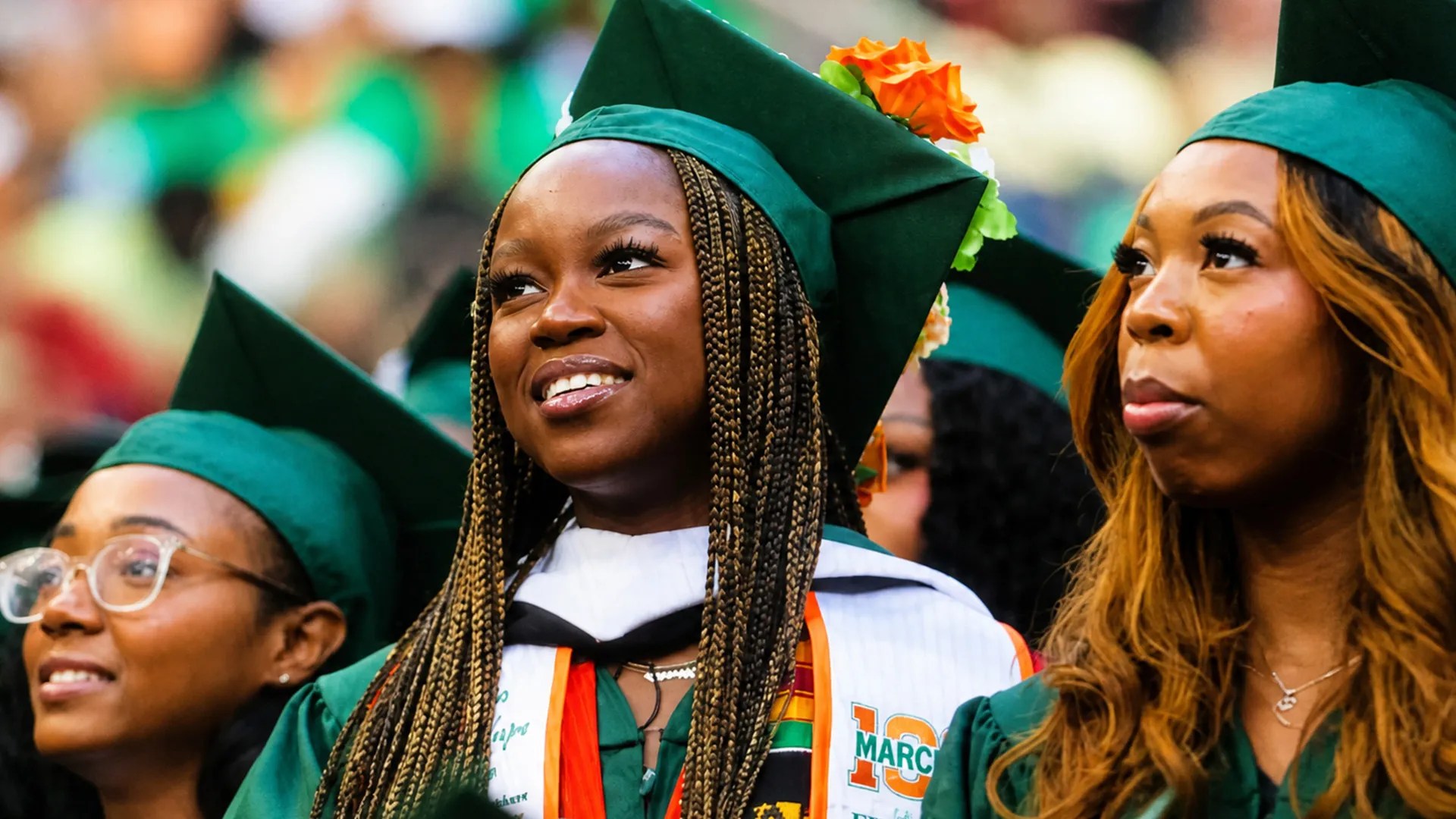
The MacKenzie Scott HBCU donation of $70 million to the United Negro College Fund (UNCF) marks one of the largest philanthropic contributions to historically Black colleges and universities (HBCUs). The gift is structured to strengthen financial stability across 37 member institutions and address long-standing funding inequities.


How the MacKenzie Scott HBCU Donation Works

UNCF will transform the $70 million contribution into a $370 million pooled endowment, with $10 million allocated for each member institution. The fund will pay out about 4% annually, giving HBCUs predictable, sustainable revenue for scholarships, academic programs, and campus improvements.


Closing Funding Gaps for HBCUs

The MacKenzie Scott HBCU donation comes at a critical time. HBCU endowments trail predominantly white institutions by nearly 70%, leaving campuses financially vulnerable. In 2019, Ivy League schools received $5.5 billion in foundation support, compared to just $45 million awarded collectively to HBCUs.

This donation, combined with UNCF’s ongoing $1 billion campaign, represents a significant step toward equity in higher education funding.


A Vote of Confidence in HBCUs

Dr. Michael Lomax, President and CEO of UNCF, described the MacKenzie Scott HBCU donation as “a powerful vote of confidence in HBCUs.” Importantly, Scott placed no restrictions on how funds must be used, giving colleges the freedom to address their most pressing needs.

Scott, known for her large unrestricted gifts since signing the Giving Pledge in 2019, has already changed the philanthropic landscape by centering historically underfunded institutions.


Lasting Impact of the MacKenzie Scott HBCU Donation

This donation will:

  • Create reliable annual income for HBCUs.
  • Expand scholarships and student aid.
  • Boost institutional independence and resilience.
  • Inspire other major donors to contribute at scale.

For students, this translates to more opportunities, stronger resources, and campuses prepared for long-term success.


Why This Donation Matters

The MacKenzie Scott HBCU donation is about more than numbers — it’s about changing the trajectory of HBCU funding. By investing in stability rather than short-term fixes, Scott is helping ensure HBCUs continue their vital role in producing leaders, innovators, and changemakers.

NASCAR confirms San Diego street race for 2026: A bold shift toward the coast

If you’re eager to dive straight into the action without the hassle of ID checks, then no verification betting sites might be exactly what you’re after. Much like these instant-access platforms, NASCAR fans can now prepare for a no-delay experience of their own: the Cup Series is officially heading to San Diego in 2026. After months of speculation, NASCAR has confirmed it will host a race at the Naval Air Station North Island in Coronado, California, replacing the Chicago street race on the schedule.

The decision, finalized in coordination with city and Navy officials, shifts the summer focus from Midwestern grids to coastal speed. Set for Father’s Day weekend, the new event will mark the first time a NASCAR Cup race runs entirely on a functioning military base. It’s not just a geographic change—it’s a signal that the sport is evolving again, leaning into spectacle, accessibility, and untapped fan markets.

From the Loop to the runway

Not only did the downtown circuit of Chicago attract attention, but it also caused tension. Traffic closures, negative feedback from the community, and adverse weather all work to undermine its long-term viability. While the first two editions drew strong attendance, local resistance and logistical friction led NASCAR to explore alternatives for 2026.

Enter Coronado.

North Island, known for its sprawling runways and views of downtown San Diego, offers a vastly different canvas. There’s no residential congestion to contend with, no holiday clashes, and no need to rewire city streets. The track will utilize a portion of the naval airfield, converting a former Festival of Speed layout into a modern Cup Series circuit.

NASCAR officials have emphasized that this isn’t just a relocation—it’s a redesign of what a race weekend can feel like.

What fans can expect

The move to San Diego comes with built-in advantages. The climate is milder. The backdrops are cinematic. And the base’s layout allows for a flexible race footprint that includes fan zones, music stages, and wide, accessible viewing angles. For drivers, it’s a fresh challenge. For spectators, it’s a step closer to immersive motorsport entertainment.

Here’s what will define the 2026 experience:

  • The track is being developed in collaboration with Cup engineers and base personnel, with an emphasis on speed and visibility—expect a hybrid of street-course turns and airfield straights.
  • Event organizers are planning a full weekend slate, including concerts, driver showcases, and potentially support races from Xfinity or Trucks.
  • Security protocols are being aligned with naval regulations, but fans will still enjoy open public access, similar to an air show.

This new setup could quickly become one of the most photogenic stops on the calendar.

Strategic gains for NASCAR

At first glance, moving from Chicago—a global city with deep media roots—to a military base might seem like a step sideways. However, NASCAR is strategically positioning itself for the long term. With Auto Club Speedway removed from the Cup Series after 2023, Southern California lost its marquee event. Bringing a race back to the region doesn’t just patch a gap; it expands the brand in a way that embraces new formats without relying on traditional ovals.

More importantly, the military backdrop builds on NASCAR’s long-standing connection with U.S. service members. The symbolism isn’t lost on the fanbase. A high-speed race alongside aircraft carriers and naval operations is the kind of Americana-meets-adrenaline moment that aligns naturally with the sport’s image.

Only two questions remain

Though the concept is firm, two pieces of the puzzle are still being fine-tuned:

  1. The final track layout.
    Engineers are currently testing simulations that blend the old Festival of Speed runway with new safety features, garage access, and broadcast needs. Expect long straights, technical turns, and aggressive braking zones designed to challenge both veterans and street-race rookies.
  2. Support series and race timing.
    While the Cup Series race is locked for Father’s Day weekend, it’s not yet clear whether Xfinity, Trucks, or ARCA will be added to the card. Depending on the logistics, this could expand to a three-day motorsport festival, with staggered starts and entertainment between sessions.

Who wins in this setup?

Fans certainly do. The West Coast hasn’t had a fresh NASCAR venue in years, and Southern California’s massive population base is under-served when it comes to live racing events. By tapping into Coronado, the sport adds a high-impact venue without sacrificing safety, scale, or speed.

Teams and drivers will benefit too, particularly those who thrive in street-style unpredictability. Road-course specialists will have a rare opportunity to showcase skill on a wide, unconventional layout—especially if weather conditions vary from practice to race day.

Here’s who stands to gain the most:

  • Southern California fans who’ve missed the presence of a top-tier NASCAR weekend
  • Street course specialists like Shane van Gisbergen or AJ Allmendinger, whose skills match technical layouts
  • Broadcast partners, who will gain an oceanfront visual package unlike anything on the current calendar
  • Sponsors, especially those targeting military families, tech, and lifestyle markets in the Southwest

On top of that, this serves as a testing ground for NASCAR itself. If San Diego proves to be successful, additional non-traditional venues may be tested during subsequent seasons. This may include expanding into other military bases or distinctive public spaces that enable the installation of temporary circuits without the hassles that are associated with urban environments.

A move designed for momentum

NASCAR’s return to Southern California isn’t a nostalgia play. It’s a pivot—one that combines modern race production with untapped terrain and logistical pragmatism. Holding a Cup Series race at Naval Air Station North Island is more than just a change of location. It’s an architectural experiment. A broadcast upgrade. A fan-centric redesign.

For fans ready to experience racing without red tape and for a sport that thrives on speed and spectacle, San Diego 2026 is already shaping up to be more than just another weekend on the calendar. It’s the next evolution of what a NASCAR event can be.

North Carolina Central Wins 2025 Men’s HBCU National Tennis Championship

DSC07160

NCCU Brings Home National Tennis Title

North Carolina Central University has soared back into the spotlight of HBCU athletics with a major victory. The Eagles clinched the 2025 Men’s HBCU National Tennis Championship at the South Fulton Tennis Center in Atlanta, finishing with 82 points to outlast Alabama State (57 points) and Tennessee State (52 points).

The win marks NCCU’s first men’s tennis national championship since 2014, breaking an 11-year drought and reestablishing the program as one of the top forces in HBCU tennis.


A Weekend of Competition and Excellence

The annual HBCU National Tennis Championship brought together programs from across the country, showcasing both rising stars and veteran athletes in singles and doubles play. NCCU’s men’s team performed with consistency throughout the tournament, delivering decisive victories that built their point total and secured the overall title.

Head coach D. Curtis Lawson, head men’s tennis coach at NCCU, praised the collective effort of his squad, emphasizing that every player contributed to the championship run. “This was about discipline, determination, and representing North Carolina Central with pride. Our team has worked tirelessly, and this moment reflects their commitment and belief,” Perry shared after the victory.


Elevating HBCU Tennis

While basketball and football often dominate headlines, the Eagles’ tennis triumph underscores the depth of athletic talent across Historically Black Colleges and Universities. Programs like Alabama State, Tennessee State, and Florida A&M have consistently raised the level of competition, making the HBCU National Tennis Championship a premier event for showcasing excellence in the sport.

For NCCU, the victory adds to a legacy of athletic achievement that spans multiple sports. Beyond the championship trophy, it highlights the importance of investing in Olympic and non-revenue sports at HBCUs, where athletes continue to thrive and make history.


A Win That Resonates Beyond the Court

This championship is more than a title—it’s a rallying point for Eagle fans, alumni, and the broader HBCU community. The success of the men’s tennis program is a reminder that championships at HBCUs come in many forms, and each one carries a story of perseverance and pride.

As the Eagles return to Durham with the 2025 HBCU National Tennis Championship, the celebration stretches far beyond the tennis courts. For NCCU, it is proof that determination and teamwork can bring home victories that inspire generations.


Looking Ahead

The momentum from this victory positions NCCU’s tennis program for future success, both on the recruiting trail and in upcoming competitions. With renewed energy and visibility, the Eagles are poised to build on this foundation and continue their ascent in HBCU athletics.

For now, North Carolina Central can proudly say it is back on top of HBCU tennis — and the Eagle family has a new championship to celebrate.

Prairie View A&M Launches Program To Support Students Living With Sickle Cell Disease

white and red dandelion flower

Prairie View A&M Prioritizes Student Health With New Initiative

Prairie View A&M University is breaking new ground with the launch of the Student Sickle Cell Warrior Project, a pilot program designed to provide critical health resources and support for students living with sickle cell disease (SCD). The initiative officially began on September 17, 2025, and is already being recognized as a potential model for universities nationwide.

Through the program, students identified by Prairie View’s Owens Franklin Health Center will gain direct access to specialized medical care and community-based resources. Partnerships include Texas Children’s Hospital, Baylor College of Medicine, UT Houston, and the Sickle Cell Association of Texas’s Marc Thomas Foundation in Austin.


Addressing Health Disparities That Impact Black Communities

Sickle cell disease is the most common inherited blood disorder in the United States and disproportionately affects African Americans. In Texas alone, 85% of families impacted by SCD are Black, underscoring the urgency of initiatives like Prairie View A&M’s.

For students between the ages of 18 and 24, the challenges are even greater. This transitional stage—moving from pediatric to adult care—often results in gaps in treatment, increased hospitalizations, and more severe complications. By creating a safety net for students, Prairie View A&M is tackling both a health equity issue and a barrier to academic success.


Creating a Model for HBCUs and Beyond

The Student Sickle Cell Warrior Project is about more than medical support—it’s about empowerment. The program provides students with preventive care, education on disease management, and coordinated services that extend into the community. This holistic approach ensures that students aren’t left to navigate the healthcare system alone while juggling their academic responsibilities.

What makes this program especially significant is its potential scalability. If successful, Prairie View’s initiative could be adopted across other HBCUs, creating a nationwide network of support for students managing chronic conditions. By centering student health as a priority, HBCUs can lead in addressing disparities that have long affected Black communities.


The Bigger Picture

Prairie View A&M’s program highlights the powerful role HBCUs play in advancing not just education, but also health outcomes for their students. By partnering with leading medical institutions and community organizations, the university is proving that higher education can—and should—take an active role in addressing systemic health challenges.

For students living with sickle cell disease, the launch of this program offers more than just treatment—it offers hope, community, and the assurance that their well-being matters. As Prairie View A&M sets this precedent, other universities will be watching closely.

This initiative is not only a victory for Prairie View students but also a roadmap for how institutions can support the next generation of leaders living with chronic health conditions.

Tennessee State Welcomes Three New Administrators Under President Dwayne Tucker

Tennessee State University, a public historically black land-grant university in Nashville, Tennessee.

Tennessee State University (TSU) is ushering in a new era of leadership with the appointment of three new administrators in advancement, fundraising, and human resources. President Dwayne Tucker made the announcement on September 16, 2025, underscoring his vision for bold leadership and student-centered excellence. The move is part of a broader strategy to position TSU for growth, accountability, and continued impact as one of the nation’s leading HBCUs.


A New Era of Leadership at TSU

Since taking the helm, President Tucker has emphasized transformation, accountability, and expanding resources for both students and faculty. The addition of these new administrators represents a significant investment in the infrastructure of the university, aimed at strengthening institutional advancement, alumni engagement, and the employee experience.

“This leadership team brings a wealth of experience, vision, and a deep commitment to help advance our great university,” Tucker said.


Meet the New Administrators

Alexis 150x150 1

Eloise Abernathy Alexis – Vice President for Institutional Advancement
Alexis brings more than three decades of expertise in philanthropy, fundraising, and higher education leadership. She previously served in advancement roles at HBCUs and most recently worked with LEAD Public Schools in Nashville. A graduate of Spelman College with a bachelor’s in English, Alexis also holds a master’s degree in higher education administration from Vanderbilt University. Her appointment signals TSU’s renewed focus on building sustainable partnerships and increasing philanthropic support.

Southern University Professor Suspended Over Social Media Post About Charlie Kirk

A Southern University law professor has been suspended after a controversial social media post about conservative activist Charlie Kirk sparked backlash nationwide. The incident has reignited debates over free speech, professionalism in higher education, and the limits of online expression for faculty at Historically Black Colleges and Universities (HBCUs).

The Post That Sparked the Suspension

The professor, Kelly Carmena, reportedly made the comments on her personal social media account shortly after Kirk was fatally shot on September 10 while speaking at Utah Valley University.

In her post, Carmena stated: “I will 1000% wish death on people like him. He is the epitome of evil, and I have no compassion, not even a minute ounce of it for people like him who go around spewing hate the way he does.”

The message quickly gained traction online, drawing sharp criticism from conservative media outlets and political figures.

Southern University’s Response

Southern University’s Board Chairman, Tony Clayton, confirmed Carmena’s immediate suspension. In an official statement, Clayton emphasized that the professor’s remarks were inconsistent with the standards expected of faculty at the Baton Rouge institution.

“Distasteful statements should not be tolerated, particularly as it relates to death,” Clayton said. “That conduct will not be tolerated at Southern University, period.”

The university also announced it will launch a formal investigation, which could lead to Carmena’s termination.

Broader National Backlash

This suspension follows a national trend in which employees across various sectors have faced consequences for public comments about Kirk’s death. According to reports, several professionals have been reprimanded, suspended, or even fired for posting statements that either celebrated or dismissed the conservative activist’s killing.

U.S. Vice President J.D. Vance also weighed in, calling for “accountability” for individuals making statements that glorify or trivialize Kirk’s death.

Free Speech vs. Professional Standards

The incident has sparked conversations on social media and within academic circles about the tension between free speech rights and professional responsibility. Supporters of Carmena argue that faculty members should not face employment consequences for personal opinions expressed online, even if controversial. Critics, however, contend that such remarks cross a line when they appear to condone violence or celebrate death.

This tension is especially sensitive at HBCUs like Southern University, where faculty are often seen as role models to students and representatives of the broader HBCU community.

What’s Next for Southern University

As the investigation continues, Southern University has not provided a timeline for its final decision on Carmena’s employment. The case is being closely watched not only within the HBCU community but also nationally, as it reflects ongoing cultural and political divides surrounding free expression, higher education, and online discourse.

Closing

The suspension of a Southern University professor over comments about Charlie Kirk underscores the complexities of social media in the modern era. For HBCUs and higher education institutions alike, this case raises critical questions about where the line should be drawn between personal freedom of speech and professional accountability.

Trump Redirects $500M Toward HBCUs, Cuts Other Minority-Serving Programs

2025 09 11t211304z 1439639993 Rc2xpgartbg5 Rtrmadp 3 Usa Trump

The Trump HBCU funding shift is sparking national conversation after the administration announced a major change in how federal money is distributed among minority-serving institutions. Nearly $500 million will now be redirected toward HBCUs and Tribal Colleges and Universities (TCCUs), while $350 million will be cut from other minority-serving programs such as Hispanic-Serving Institutions (HSIs). The announcement has been met with mixed reactions, with some celebrating the boost for HBCUs while others criticize the cuts to programs serving Latino and other underrepresented students.

What the Policy Does

The Department of Education confirmed that several discretionary grants for minority-serving institutions will be discontinued. Instead, those funds will be reallocated to HBCUs and TCCUs. Officials argue this Trump HBCU funding decision reflects a commitment to student success at schools that have historically faced inequities.

For HBCUs, the increased funding could be transformative—providing resources to expand scholarships, strengthen academic programs, and upgrade facilities. Advocates say this could help address years of underfunding compared to predominantly white institutions.

But the decision is not without controversy. By redirecting funds instead of creating new resources, critics argue the administration has set up a zero-sum game where one group of minority-serving institutions benefits at the expense of another.

Reactions from the HBCU Community

Within the HBCU community, reactions to the Trump HBCU funding plan are divided. Leaders welcome the recognition and additional resources but remain cautious about the framing of the policy. Some worry that labeling other minority-focused programs as “ineffective” or “discriminatory” could create long-term instability in federal support for all MSIs, including HBCUs.

Why It Matters

This Trump HBCU funding shift highlights the growing role of HBCUs in higher education. Over the last decade, these institutions have become more visible for producing leaders, advancing research, and serving students who might otherwise be left out of higher education.

Still, limited resources remain a challenge. While $500 million is significant, experts warn that it may not be sustainable if tied to politically motivated reallocations rather than permanent funding streams.

What Comes Next

Education Secretary Linda McMahon has defended the decision, pointing to a focus on outcomes and investment in historically underserved schools. Meanwhile, lawmakers and leaders from other minority-serving institutions are preparing to challenge the cuts and push for restoration of funding.

For HBCUs, this moment represents both opportunity and risk. They must use the additional resources strategically while continuing to advocate for long-term equity in higher education.

Alum Calls Out Ohio State for “Shameful” Treatment of Grambling HBCU Band

B0a0a1939d69dbe61fa613a95af332ff

An Ohio State University alum is speaking out after what many are calling blatant disrespect toward the Grambling State University “World Famed Tiger Marching Band.” The incident, which took place during Grambling’s halftime performance at Ohio Stadium, has sparked outrage across the HBCU community and raised questions about how predominantly white institutions host and honor visiting HBCU bands.

The Incident at Ohio Stadium

During Saturday’s game, Grambling’s band was scheduled to perform, but according to alum Penny Miller, the university failed to give them the respect they deserved. In her widely discussed op-ed, Miller revealed that whenever Grambling prepared to play, the stadium blasted music over the sound system, effectively drowning out the band’s performance.

For those familiar with HBCU culture, the issue wasn’t just about noise levels—it was about tradition and respect. HBCU marching bands are a vital part of the Black college experience, known for their precision, showmanship, and community impact. The “back-and-forth” spirit of bands engaging with the crowd and each other is an art form deeply rooted in HBCU culture. To stifle that presence, intentionally or not, sends a message that their contributions aren’t valued.

A Call to Leadership

Miller didn’t mince words. She described Ohio State’s handling of the situation as “shameful,” pointing the finger at university leadership—including the president, athletic director, and band director—for failing to ensure visiting performers were treated with dignity. Her argument goes beyond game-day logistics: she’s demanding accountability and systemic change.

The alum stressed that both home and visiting band members put in countless hours of practice and sacrifice. Their performances are more than entertainment—they’re a representation of identity, excellence, and cultural pride. By failing to silence the stadium music during Grambling’s time, Ohio State denied them the platform they rightfully earned.

Why It Matters for HBCUs

HBCU bands like Grambling’s “World Famed” aren’t simply part of the halftime show—they are the show. For decades, HBCU bands have carried traditions that extend beyond athletics, shaping community pride and serving as cultural ambassadors on some of the nation’s biggest stages.

When HBCU bands travel to perform at PWIs, the expectation is that their artistry will be respected. Instances like this highlight ongoing challenges of visibility and respect that HBCUs continue to face. The issue becomes larger than one game—it reflects how institutions value Black culture and contributions within majority-white spaces.

The Bigger Conversation

This controversy has sparked a larger dialogue within both HBCU and Ohio State circles. Should universities establish clearer guidelines to protect guest bands’ performance time? How do institutions ensure inclusivity when showcasing diverse traditions on their stages?

Advocates argue that sound checks, coordination between athletic departments and band directors, and strict rules about silencing stadium music during visiting band performances are easy fixes. More importantly, they believe universities need to acknowledge the cultural significance of HBCU bands, treating them as headliners rather than background entertainment.

A Teachable Moment

While Ohio State has not issued a formal response, the incident is already being viewed as a teachable moment. For Grambling and other HBCUs, it’s another reminder of the ongoing fight for recognition and equity—not just in academics and funding, but in cultural representation.

For Miller and countless HBCU supporters, the takeaway is clear: respect for HBCU bands is non-negotiable. If institutions want to invite these world-class performers to their fields, then they must also create space for their voices—literally and figuratively—to be heard.


Dr. Earl S. Richardson, Transformative HBCU Leader and Morgan State President, Dies at 81

Richardson4zbhgmSwWe

The HBCU community is mourning the loss of a giant. Dr. Earl S. Richardson, the ninth president of Morgan State University, passed away at age 81, leaving behind a legacy defined by transformation, advocacy, and a relentless pursuit of equity in higher education.

A Quarter-Century of Leadership at Morgan State

When Dr. Richardson took the helm of Morgan State in 1984, the university was facing challenges with aging facilities, stagnant enrollment, and limited state support. Over the next 25 years, he spearheaded what became known as “Morgan’s Renaissance,” leading the institution through a period of growth and revitalization.

During his presidency, enrollment more than doubled—from 3,000 students to over 7,000. Morgan’s campus transformed with new academic buildings, residence halls, an expanded student union, and major upgrades to athletic facilities. Dr. Richardson also elevated the school’s academic profile, guiding its transition from a primarily liberal arts college to a comprehensive doctoral research university.

Champion for Equity

Beyond physical and academic growth, Dr. Richardson was a powerful advocate for funding fairness. He played a central role in the historic lawsuit filed in 2006 against the State of Maryland, challenging decades of unequal support for HBCUs compared to predominantly white institutions.

The lawsuit stretched for 15 years before being settled in 2021, securing $577 million in supplemental funding for Maryland’s four HBCUs. For many, this victory symbolized not just financial justice, but recognition of the historic value of HBCUs and their students. Dr. Richardson’s leadership and persistence were key in shaping that outcome, making him one of the most important voices in the fight for higher education equity.

A Leader with Vision

Dr. Richardson’s leadership style was deeply rooted in both accountability and advocacy. In 1990, when Morgan students staged a protest to demand improved facilities and better learning conditions, he redirected their passion toward demanding resources from the state, helping to secure critical investment in the university.

He also pushed for higher academic standards while ensuring Morgan continued to serve a wide range of students—both high-achieving scholars and those overcoming barriers to access. His vision reinforced the dual mission of HBCUs: producing leaders who excel while ensuring education remains accessible to underserved communities.

Dr. Richardson frequently testified before Congress, emphasizing the essential role of HBCUs in shaping the future workforce. His message was clear—investing in HBCUs was investing in the nation’s progress.

A Lasting Legacy

Current Morgan State President Dr. David K. Wilson has credited Dr. Richardson with laying the foundation for the university’s continued success. Much of the momentum Morgan enjoys today—from rising enrollment and research prominence to new infrastructure—can be traced back to Richardson’s bold leadership.

For the HBCU community, Dr. Richardson’s life serves as a reminder of what vision, courage, and persistence can achieve. His work at Morgan not only redefined the institution but also strengthened the national conversation around equity for historically Black colleges and universities.

As we honor his passing, we also celebrate his remarkable contributions. Dr. Earl S. Richardson’s legacy will continue to inspire generations of HBCU leaders, students, and advocates who are committed to expanding opportunity and fighting for justice.

Charleston White Responds to Charlie Kirk’s Death After HBCU Drama: “Didn’t Nobody Shoot Me”

Charleston White In Car 2022 1

Charleston White HBCU Controversy Back in Spotlight

The Charleston White HBCU Controversy has resurfaced after the internet personality made inflammatory remarks about the recent death of conservative activist Charlie Kirk. In a video posted online, White dismissed Kirk’s killing by saying, “Didn’t nobody shoot me,” while comparing it to his own clash with students during an HBCU event earlier this year.

White’s comments immediately sparked backlash, especially given the sensitivity around campus violence and the growing concern over student safety at historically Black colleges and universities. His words are being criticized as not only disrespectful to Kirk’s family but also harmful to HBCU students who already feel under siege from threats and security challenges.

The HBCU Connection

Earlier this year, White faced heavy criticism after his appearance at Tougaloo College, where he clashed with students during a program on campus. During that event, he was booed, confronted, and ultimately escorted away after making a series of inflammatory remarks. His statements — including that he “doesn’t believe in racism” and that HBCUs are not necessary — angered students and faculty.

The incident quickly became part of the broader Charleston White HBCU Controversy, as Tougaloo students questioned why he was invited in the first place and argued the episode distracted from the mission of the school. HBCU Buzz previously reported on White being chased off campus after heated remarks, sparking debate about the line between free speech and student safety.

Comparing Himself to Charlie Kirk

In his latest video, White mocked Kirk’s death, saying Kirk “should have had protection” and dismissing concerns about the tragedy. He contrasted it with his Tougaloo experience, saying, “Didn’t nobody shoot me,” suggesting he faced criticism but not violence.

The comparison struck many as both callous and misleading. Students and commentators argue that equating a fatal shooting with being challenged by HBCU students minimizes real danger while attempting to reframe himself as a victim. Coverage of Kirk’s killing during a Utah campus event highlights the seriousness of campus violence and why White’s remarks have been so widely condemned.

Backlash Across Campuses

The response has been swift. Many in the HBCU community say White’s comments highlight why he remains unwelcome at Black colleges. Students argue that his rhetoric disrespects not only Kirk’s death but also the larger struggles HBCU students face regarding safety and respect.

Faculty and alumni have also weighed in, noting that moments like this damage the reputation of institutions when controversial speakers are given a platform. The incident has renewed conversations about how schools choose guest speakers and what responsibility they have to protect students from harmful rhetoric.

Why This Matters for HBCUs

The Charleston White HBCU Controversy underscores deeper issues about free speech, accountability, and the role of HBCUs in protecting their students. At a time when campuses are dealing with waves of threats and lockdowns, words that make light of violence feel particularly dangerous.

For HBCU students, the controversy is not just about Charleston White. It’s about ensuring their campuses remain safe spaces for dialogue, learning, and community — not stages for individuals who thrive on division. The fallout from his comments, as reported by AllHipHop, shows how quickly online controversy can spill back into HBCU culture and conversations.

Moving Forward

The latest controversy has sparked renewed calls for HBCUs to be more intentional about who they invite onto their campuses. Many argue that institutions should prioritize voices that uplift students and advance the mission of Black colleges rather than chase headlines.

As the conversation continues, the Charleston White HBCU Controversy serves as a reminder of the importance of protecting student communities while holding public figures accountable for their words.

DOE Cancels HBCU Grants: Education Department Pulls $350M from Minority-Serving Programs

Department Of Education Cancels 350M In HBCU Grants

DOE Cancels HBCU Grants, Sending Shockwaves Through Campuses

The announcement that the DOE Cancels HBCU Grants has sent shockwaves through the higher education community. The U.S. Department of Education confirmed that it is cutting $350 million in federal grants previously earmarked for historically Black colleges and universities and other minority-serving institutions. The move is being described as part of a restructuring effort — but for many HBCUs, it feels like a direct blow to programs that are critical to student success.

The cuts target a series of programs meant to strengthen HBCUs, expand STEM opportunities for underrepresented students, and provide institutional support for minority-serving colleges nationwide. For many schools already balancing tight budgets, losing this stream of funding could have serious consequences for classrooms, labs, and the students who depend on these resources.

Why the Decision Is Sparking Backlash

The Department of Education, led by Secretary Linda McMahon, positioned the decision as a “re-envisioning” of how the department supports underserved students. But critics — from lawmakers to student advocates — argue that this approach ignores the reality of what these grants mean on the ground.

When the DOE Cancels HBCU Grants, it doesn’t just shift priorities on paper. It disrupts the lives of thousands of students who rely on programs for mentorship, faculty development, and access to technology. Lawmakers have already signaled that they see this as a unilateral move, taken without sufficient consultation with Congress or with the institutions most affected.

The Stakes for HBCUs

For HBCUs, these grants often make the difference between keeping programs alive and cutting them entirely. While larger universities may find alternative funding, smaller institutions — many of which are HBCUs — lack the financial cushion to absorb a $350 million shortfall.

The cancellation could stall STEM pipelines, research opportunities, and student support services. In a moment when HBCUs are experiencing both renewed visibility and ongoing challenges, the DOE’s decision threatens to reverse progress made over the past decade.

Political Pushback

Senator Patty Murray and other lawmakers have already spoken out, warning that the department is putting students at risk by pulling resources Congress has historically supported. Many critics see this move as part of a larger national debate about the role of diversity, equity, and inclusion in higher education.

By targeting funding streams for minority-serving institutions, opponents argue, the decision undermines decades of progress made in diversifying higher education and ensuring access for marginalized students.

Student Impact

For students, the impact of the DOE Cancels HBCU Grants decision will be immediate and personal. Fewer resources for tutoring, research labs, internships, and scholarships mean fewer opportunities to thrive. Faculty warn that program closures could harm retention rates and discourage new students from enrolling.

This comes at a time when HBCUs are already juggling limited funding, rising costs, and heightened security concerns after recent waves of threats. Losing critical federal support only adds to the pressure on students and administrators alike.

What Comes Next

The backlash over DOE Cancels HBCU Grants is far from over. Congress may push for hearings or legislative remedies to restore funding. HBCU advocates and alumni networks are already mobilizing to demand accountability and ensure that minority-serving institutions remain supported at the federal level.

While the Department of Education insists it will redirect resources in new ways, HBCU leaders are making it clear: what’s needed is stability, not uncertainty. The fight for adequate funding is not just about money — it’s about ensuring that Black colleges and other minority-serving schools can continue to educate and empower the next generation.

CBC HBCU Threats: Congressional Black Caucus Demands Federal Action

Congressional Black Caucus Demands Federal Action After HBCU Threats

CBC HBCU Threats Spark Urgent Response

The latest wave of CBC HBCU Threats has placed Historically Black Colleges and Universities at the center of national attention. After several institutions were forced into lockdowns and cancellations due to terroristic threats, the Congressional Black Caucus (CBC) is demanding immediate action from federal authorities. The group has called on the FBI and Department of Justice to investigate these incidents as more than isolated hoaxes, framing them as part of a troubling pattern targeting Black institutions.

The threats, which disrupted daily life on campuses including Alabama State, Virginia State, Hampton, Southern, Bethune-Cookman, Clark Atlanta, Spelman, Morehouse, Morris Brown, and Morehouse School of Medicine, left students shaken and forced administrations to cancel classes and restrict campus movement.

HBCU Buzz has been covering the impact of these incidents across campuses, including how HBCUs faced a wave of threats that forced closures and how Virginia HBCUs suspended operations during the emergencies.

CBC Calls for Accountability

CBC members have made it clear that treating these incidents as routine hoax calls is not enough. House Minority Leader Hakeem Jeffries, alongside other CBC leaders, has pressed law enforcement to classify these threats as acts of domestic terrorism. Their argument is straightforward: even if no physical attacks occur, the psychological and educational harm is real and disproportionately impacts Black students.

This isn’t the first time the CBC has stepped up on this issue. Following similar bomb threats against HBCUs in 2022, the group demanded investigations and resources to ensure student safety. The repeat nature of these threats underscores why the CBC is urging a stronger, systemic response now.

The Impact on HBCUs

For students, the disruption goes beyond emergency alerts. Being forced to shelter in place, evacuate, or watch law enforcement sweep their campuses creates lasting stress. On social media, students and alumni voiced anger at how often HBCUs become targets of intimidation.

The CBC’s calls for action reflect a recognition that these CBC HBCU Threats don’t just interrupt classes — they undermine the mission of HBCUs by instilling fear where there should be safety. Lawmakers are framing this as a direct challenge to the federal government to ensure equal protection for Black institutions.

A Larger Pattern

The timing of the threats, landing on September 11, also raised concerns about symbolic targeting meant to amplify fear. And while authorities have yet to report credible explosives or attackers, the frequency and coordination of the calls suggest a deliberate attempt to destabilize campuses.

The CBC’s push is a reminder that these incidents must be treated as more than isolated disruptions. Instead, they are part of a broader pattern of harassment against HBCUs — a pattern that demands federal attention and accountability.

Moving Forward

The CBC’s intervention places pressure on the FBI and DOJ to not only investigate but also to prevent future incidents. Advocates argue that HBCUs deserve increased resources for security, better communication protocols, and recognition that safety on Black campuses is a matter of national concern.

As the investigation unfolds, students, alumni, and lawmakers will be watching to see whether the federal government delivers the accountability the CBC is demanding.

HBCUs Face Wave of Threats, Forcing Campus Closures and Lockdowns

A disturbing wave of threats has disrupted life across several Historically Black Colleges and Universities (HBCUs), forcing schools to cancel classes, lock down campuses, and heighten security. While no permanent closures have been reported, the repeated incidents are causing serious concern for students, faculty, and alumni communities.

Multiple Campuses Impacted

In recent days, Virginia State University and Hampton University were forced to halt operations after receiving threats. Both campuses canceled classes and suspended activities as law enforcement investigated. Students were notified via emergency alerts, leaving many shaken as campus life came to a standstill.

Further south, Alabama State University went on lockdown after receiving a terroristic threat. Similarly, Southern University in Baton Rouge paused operations and secured its campus. In Florida, Bethune-Cookman University also suspended classes in response to potential danger.

So far, officials have not confirmed any casualties or active violence, but the disruption has been significant. Students have missed classes, athletic events have been canceled, and day-to-day routines have been upended as administrators prioritize safety.

An Uneasy Pattern

Unfortunately, these incidents are not isolated. HBCUs have increasingly been the target of anonymous threats over the last several years. From bomb scares to online hoaxes, these threats take a heavy toll — both logistically and emotionally — on campuses already operating under financial strain.

The pattern raises urgent questions: Why are HBCUs repeatedly targeted, and what resources are available to help them recover? Many leaders believe these threats are part of a larger climate of hostility toward Black institutions, particularly during moments of political and social tension.

Beyond Safety: Financial Struggles and Policy Shifts

The timing of these incidents is especially troubling given the financial pressures facing HBCUs. Many campuses are already grappling with reduced federal support, shifts in diversity, equity, and inclusion (DEI) funding, and state-level budget challenges. Some states, such as Mississippi, have even floated proposals to consolidate or close multiple HBCUs.

For smaller institutions, even a temporary shutdown can be costly. Missed class days, canceled events, and heightened security expenses put additional strain on already limited budgets. Students and parents, meanwhile, may begin questioning whether these schools are safe and stable environments — a perception that could harm future enrollment.

Students and Alumni Respond

Despite the disruptions, HBCU students and alumni have once again shown resilience. On social media, students shared their frustration, fear, and determination to keep their institutions strong. Alumni have also voiced support, reminding communities that HBCUs have survived generations of challenges and will continue to stand tall.

Still, many are calling for more concrete solutions. Federal and state governments have provided grants in the past to address campus security and trauma recovery, but HBCU advocates argue more needs to be done to ensure safety and stability.

What’s Next

As investigations continue, HBCUs remain on high alert. Campus leaders stress that student safety is their top priority, but long-term solutions will require more than emergency lockdowns. Investments in mental health, campus security, and sustainable funding are needed to protect these institutions and their communities.

For now, HBCUs are once again showing their resilience under pressure. But the question remains: how many more disruptions can these vital institutions endure before the impact becomes permanent?


New Updates

The list of impacted HBCUs has now expanded to include the Atlanta University Center.

These additions highlight how widespread the disruptions have become, stretching from Virginia and Alabama to Florida and now Atlanta. Students across these campuses are facing not only lost class time and canceled activities but also the stress of living under repeated safety threats.

Mississippi Valley State Cancels Women’s Soccer Season Over Health Concerns

Ronia Pierre Louis Kicking

ITTA BENA, MS — Mississippi Valley State University has made the difficult decision to cancel the remainder of its 2025 women’s soccer season due to health and safety concerns affecting the program. The announcement, made September 9, underscores the challenges that smaller HBCU athletic programs face when player well-being is put at risk.


A Difficult but Necessary Call

According to the university, the decision followed consultation with medical staff, athletic leadership, and other stakeholders who concluded that it was no longer safe to continue.

MVSU Director of Athletics, Dr. Alecia Shields-Gadson, shared that while the choice was far from easy, it was the right one:

“This was not an easy decision to make, but it was a necessary one. The circumstances impacting the health and safety of our student-athletes have reached a point where we cannot confidently continue the season without putting them at undue risk.”

The statement highlights the reality that in athletics, particularly at HBCUs where resources can be limited, safeguarding student-athletes must come before competition.


Season Cut Short

The cancellation followed a rocky start to the season. MVSU had already faced challenges with limited roster depth and health issues. Some scheduled exhibitions against programs like Ole Miss and Louisiana Tech never happened, and the team suffered a difficult defeat in a regular season outing against Nicholls State.

With the roster already thin, injuries and other factors made continuing play unsafe. Instead of pushing forward under compromised conditions, the university chose to protect its athletes and suspend the season.


The Broader Picture

This moment is about more than one team. It reflects larger issues facing HBCU athletics:

  • Resource Gaps: Unlike larger universities, smaller HBCUs often operate with limited budgets for athletics, leaving little room to manage unexpected setbacks.
  • Student-Athlete Safety: The decision sets a precedent that well-being comes before wins and losses, reinforcing that athletes are students first.
  • Recruitment and Retention: Canceling a season can affect morale and recruiting momentum, but it also demonstrates to future players that MVSU prioritizes safety.

Supporting the Student-Athletes

For the women’s soccer team, the focus now shifts to supporting athletes off the field. MVSU will need to ensure players receive the medical attention, academic support, and emotional resources necessary to navigate the disappointment of a canceled season.

The decision may also lead to broader conversations about strengthening athletic infrastructure and health protocols to avoid similar outcomes in the future.


Looking Ahead

While the 2025 season is over for MVSU women’s soccer, the lessons from this moment may ultimately strengthen the program. The willingness to place safety above competition signals to athletes, families, and supporters that the university’s values align with protecting its students.

The move also raises questions for the wider HBCU athletic community: How can programs ensure safety with limited resources? What steps are needed to provide athletes with the same level of support seen at larger institutions?

One thing is clear—Mississippi Valley State has drawn a line in the sand, prioritizing health first.

Sean K. Campbell Joins Howard University as Visiting Professor at Center for Journalism & Democracy

Sean Campbell 0

WASHINGTON, DC — Howard University is continuing to raise the bar for investigative journalism education. The university announced that Sean K. Campbell, a nationally recognized investigative reporter, has joined its Center for Journalism & Democracy as a Visiting Professor for the 2025–2026 academic year.

This appointment marks the second year of Howard’s Visiting Professorship program at the Center, which was founded by Pulitzer Prize-winning journalist Nikole Hannah-Jones. The initiative is designed to expand investigative journalism training across HBCUs and give students access to the same level of resources and instruction found at elite institutions.


Building on Howard’s Legacy of Journalism Excellence

The Cathy Hughes School of Communications has long been known as a pipeline for Black journalists shaping the media landscape. With Campbell’s arrival, Howard students now gain access to his expertise in data-driven investigative reporting—a skill set increasingly vital in a world where truth often competes with misinformation.

The Center for Journalism & Democracy is dedicated to producing historically informed, accountability-driven reporting. Campbell’s teaching and mentorship will strengthen that mission, giving Howard students the chance to develop skills that can transform communities and hold powerful institutions accountable.


Classes That Make an Impact

Campbell will teach two key courses this fall:

  • Data-Driven Stories, which focuses on teaching students how to analyze and transform raw data into impactful stories.
  • Truth Be Told, co-taught with journalist Erika Blount, where students fact-check and produce reporting relevant to Black communities. Their work will be published through TruthBeTold.news, Howard’s student-powered news platform.

In the spring, Campbell will extend his teaching beyond Howard by offering data journalism courses at Morgan State University, further expanding the Center’s mission of strengthening investigative journalism at HBCUs nationwide.


An Investigative Journalist With Range

Campbell’s journalism career is built on exposing systemic issues and amplifying stories that often go untold. His work includes investigations into:

  • Racism and discrimination within Doctors Without Borders.
  • The hidden toll of deaths in nursing homes.
  • The illegal flow of firearms into Mexico.
  • A lead feature in New York Magazine’s award-winning “Ten Years Since Trayvon” issue.

For Howard students, access to a professor with this level of investigative experience means learning not only how to find the facts but also how to build narratives that resonate in national conversations.


Strengthening an HBCU Consortium

Campbell’s professorship also advances Howard’s broader vision of creating a network of HBCUs dedicated to investigative journalism. Through the Center for Journalism & Democracy, partner schools include:

  • Florida A&M University
  • Morehouse College
  • Morgan State University
  • North Carolina A&T State University
  • North Carolina Central University
  • Savannah State University
  • Texas Southern University
  • University of the District of Columbia

This consortium ensures that investigative journalism resources and mentorship are accessible to HBCU students far beyond Howard’s campus.


What This Means for Students

For Howard and its partner HBCUs, Campbell’s appointment represents more than just another professor—it is an investment in the next generation of truth-tellers. Students will learn how to ask tougher questions, analyze deeper patterns, and produce stories that shift narratives and challenge power structures.

As Howard continues to lead in producing groundbreaking Black journalists, the addition of Sean K. Campbell ensures that the university remains at the forefront of journalism education while uplifting HBCU students across the country.