Dr. China Jude, an Alabama State University alumna, has been appointed president of business operations for the Motor City Cruise. MCC is the NBA G League affiliate of the Detroit Pistons.
“I am excited to work with the talented team of professionals at the Detroit Pistons and to help build the Motor City Cruise brand within the community,” said Dr. Jude.
Beginning her new role on Jan. 27, Jude will spearhead business strategies to enhance revenue opportunities and strengthen connections with ticketholders, fans, sponsors, and partners.
Congratulations to our Past President @ChinaJude on this new opportunity 👏 Dr. Jude has been an influential leader in college athletics for many years and is now making an impact in pro sports 🏀 https://t.co/7uKAaQjWsY
“The city of Detroit is a fantastic sports city, and I look forward to identifying new ways in which the Motor City Cruise can build its fan base and carve its own niche in the broader sports landscape,” said Jude. “I look forward to advancing the club’s success and contributing to the larger picture in which this team supports the Detroit Pistons.”
A Proven Leader in Sports
Originally from Waukegan, Illinois, Jude came to Alabama State University on a volleyball scholarship. She quickly made her mark as a SWAC all-conference player. After obtaining a degree in broadcast journalism from ASU, Dr. Jude also served in the U.S. Naval Reserves and earned a Doctor of Education degree from Northcentral University.
Her impressive career spans over two decades across various high-profile sports organizations. Before joining the Motor City Cruise, Jude worked with organizations such as the Denver Broncos. She also held leadership positions at institutions, including the University of Wyoming, Queens College in New York, the University of North Carolina-Wilmington, and the University of the District of Columbia. Most recently, she served as an organizational strategist for USA Volleyball.
“We are pleased to welcome China to the organization, knowing her sports business experience and leadership will galvanize our Cruise business operations team and catalyze growth both on and off the court,” said Melanie Harris, president of Detroit Pistons business operations.
This article sources information from Alabama State University.
Walters-Morgan secured 210 out of 409 votes during the DNC’s Winter Meeting held in Washington, D.C. Her election marks a pivotal moment for the organization and the broader movement for voter rights, which she has championed throughout her career.
Photo Courtesy of Reyna for DNC Vice Chair
A proud North Carolina native and alumna of the University of North Carolina at Chapel Hill and Howard University School of Law, Walters-Morgan brings an extensive civic engagement and advocacy background. As a dedicated member of Alpha Kappa Alpha Sorority, Incorporated, she has long been at the forefront of the fight for voter protection and participation. Before her new role, she served as the DNC’s Civic Engagement and Voter Protection director, managing significant voter protection programs for the 2020 presidential election and the 2022 midterms.
Walters-Morgan’s transformative vision for her new position is critical as Democrats prepare for upcoming elections, particularly the 2025 Gubernatorial elections. Her strategy focuses on incorporating new technologies—like large language models and social media—to reach voters where they are most active. Additionally, she aims to rebuild national and state voter protection teams with year-round organizing efforts and enhanced partnerships beyond traditional frameworks.
Her election has garnered support from various DNC coalitions, including endorsements from the North Carolina DNC delegation and the High School Democrats of America.
As she steps into this influential role, Walters-Morgan is poised to impact the DNC’s voter engagement and protection approach profoundly. With her rich experience and clear vision, she is ready to lead Democrats toward electoral success and ensure democracy remains strong and accessible for all Americans.
Tennessee State University is poised to make significant strides in urban mobility research thanks to a recent grant announcement that has electrified the Nashville community. The U.S. Department of Transportation has awarded a $10 million Strengthening Mobility and Revolutionizing Transportation Grant to the City of Nashville, which includes $700,000 earmarked for TSU’s College of Engineering. This funding aims to foster a partnership with Nashville’s Department of Transportation and WeGo Public Transit for research focused on enhancing pedestrian safety and reducing traffic fatalities.
A Tech-Savvy Approach
TSU master’s student Tupac Moseley, left, Atiqur Mallick and Dr. Kamrul Hasan, center, attend the NDOT event announcing the $10 million SMART Grant, which will support research on pedestrian safety and traffic fatality reduction. (Photo courtesy of Tennessee State University/Aaron Grayson)
The grant announcement took place at the Dr. Ernest Rip Patton, Jr. North Nashville Transit Center, where TSU students, faculty, and administrators gathered alongside Nashville Mayor Freddie O’Connell. Dr. Quincy Quick, associate vice president for Research and Sponsored Programs at TSU, highlighted how advanced tools like artificial intelligence and LiDAR technology will be pivotal to the project’s success.
“This project embodies one of the fundamental concepts and cores of research,” said Quick. “It will employ state-of-the-art technology and make a lasting impact on society.” TSU students will be able to engage directly with these technologies, allowing them to acquire hands-on experience while contributing to real-world solutions.
Under the guidance of Dr. Kamrul Hasan, assistant professor of electrical and computer engineering, the initiative seeks to leverage data analytics and innovative technologies to cater to vulnerable road users. The project aligns with Nashville’s Vision Zero Action Plan, which aspires to eliminate traffic-related deaths and severe injuries through smart safety interventions along high-risk corridors.
A Team Effort
Graduate students Tupac Moseley and Atiqur Mallick will be integral to the project, bringing their expertise from their fields of computer science and computer information systems engineering. “We’re excited to see how the project grows and how our involvement—through real conversations with community members—helps improve safety,” Moseley shared. He added that he looks forward to building industry collaborations with other HBCUs.
Mallick emphasized the importance of applying the knowledge gained from this initiative to ensure that Nashville residents can navigate their streets safely. “We hope to apply what we learn from NDOT and TSU to ensure our state’s citizens can get home safely,” he stated.
This Phase 2 implementation follows a successful preliminary effort in 2023. With insights from this project, TSU aims to influence transportation policies and infrastructure development locally and potentially across the state.
Hampton University is excited as senior theatre major Erik Hamilton takes center stage in the national tour of the Tony Award-winning production “MJ the Musical“. The gifted performer from Lorton, Virginia, captures the essence of the legendary Michael Jackson during his late teens and early twenties in this acclaimed show, which runs for six days at Chrysler Hall in Norfolk.
Erik Hamilton
Hamilton’s mother encouraged him to submit an audition tape at the last minute, which led to his professional debut. At just 21 years old, he plays a crucial role in portraying the artistry behind Jackson’s iconic Dangerous Tour. He also serves as an understudy for the older Jackson character at age 35.
Hampton University President Darrell K. Williams expressed his pride in Hamilton’s achievements. “Erik Hamilton’s journey from our theatre program to the national Broadway stage is a testament to the excellence, discipline, and determination that define Hampton University students,” said President Williams. “His story serves as an inspiration to our entire community and reinforces the impact of a Hampton education.”
Iris Goode-Middleton, director of student theatre and liberal studies at Hampton University, admires Hamilton’s commitment to balancing five online courses with a demanding schedule of seven weekly performances. “When you combine exceptional talent with an unwavering work ethic, the result is excellence—and that is Erik Hamilton,” she noted. “From sitting in the front row at lectures to continuously refining his craft, Erik embodies the spirit of hard work and passion that we cultivate at Hampton.”
For show dates and ticket information, visit SevenVenues.com. As the curtains rise on Hamilton’s career, it’s clear that his dedication and talent will lead to an inspiring future.
The University of Arkansas at Pine Bluff is making significant strides in redefining the intersection of athletics and agriculture with a groundbreaking partnership launched by its Athletics Department. The collaboration with James Bunch, president of PickinGreens Productions, and the 1890 Agriculture and Student Athletes Project has resulted in an impressive $80,000 award focused on name, image, and likeness contracts for student-athletes. This initiative will support these young athletes academically and athletically and enable them to serve as ambassadors for the agricultural sector.
Bunch, an alumnus of UAPB with a degree in agriculture, explained that the ASAP program addresses critical challenges facing the U.S. agricultural industry, such as an aging workforce and the pressing need for sustainable practices. “By engaging these young student-athletes, we are reaching a generation that can lead our communities toward sustainable, resilient futures,” Bunch stated. He emphasized that agriculture provides unique opportunities for self-sufficiency, food security, and land stewardship, particularly through hands-on skills.
Raising Awareness About Careers in Agriculture
Launching on Feb. 1 and running through May 31, the 1890 ASAP Program already boasts 28 enrolled student-athletes who will leverage their social media platforms to highlight career opportunities and raise awareness about the agricultural industry among their peers.
“This is unique; it’s never been done before,” Bunch explained. “Utilizing athletes will help us get attention on agriculture while also giving these young people in the 1890 system opportunities to gain sponsorship support.” The program aims to foster a new generation equipped with the knowledge and skills necessary to succeed in agriculture by encouraging student-athletes to engage in this vital sector.
Johnnie Young, part of the project team, reiterated the importance of shifting the narrative surrounding agriculture. He noted that the initiative seeks to inspire younger generations to explore diverse career opportunities within the sector. “
The program also encourages entrepreneurial ventures among young, business-minded individuals by providing urban gardening and small-scale farming resources. Bunch believes this effort will contribute to fostering a vibrant neighborhood business culture centered on agriculture.
The 1890 ASAP Program is a pilot initiative, and plans are underway to expand its reach to all 1890 institutions eventually.
This article sources information from the University of Arkansas at Pine Bluff.
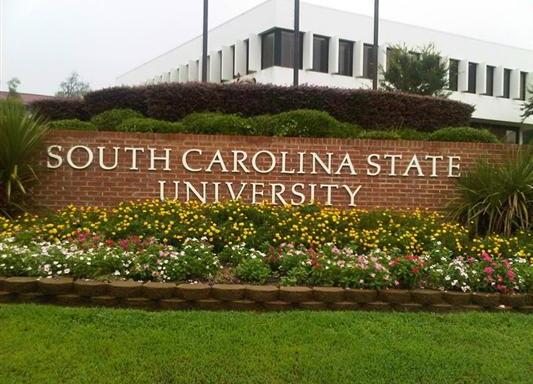
Retired Brooklyn teacher Eleanor Williams has significantly impacted the lives of future educators by establishing a $50,000 scholarship fund at South Carolina State University in memory of her late mother, Cora Shivers. This generous contribution will empower students pursuing degrees in elementary education and honor the value of education that Shivers instilled in her family.
Eleanor Williams
Cora Shivers, a native of nearby Elloree, South Carolina, moved to New York after completing high school. She became a beautician and raised two children, always emphasizing the importance of education. Her own parents, Mannie and Rebecca Darby Shivers, were proud graduates of the Elloree Training School, ensuring the value of education was passed down through generations.
Williams, a graduate of Brooklyn City College, fondly remembers her mother, who passed away in 2005, as a quiet and loving person. Reflecting on her mother’s influence, Williams credits her drive to pursue education to Shivers’ unwavering belief in its transformative power. “She believed in education, so I went to college, and I became an elementary school teacher here in New York City,” Williams shared with Bulldog News.
In a heartwarming twist of fate, Williams discovered that her mother still had relatives living in Elloree. Additionally, two of her family members attended SC State: her niece, Lorraine Shivers-Glover, who graduated with a business degree in 1990, and Lorraine’s son, Deandre Glover, who earned a civil engineering technology degree in 2015.
The Cora Shivers Scholarship Fund will specifically assist sophomores and juniors majoring in elementary education at SC State.
Through establishing this scholarship fund, Williams pays homage to her mother and uplifts the next generation of educators.
South Carolina State University is set to commemorate the 57th anniversary of the Orangeburg Massacre on Saturday, Feb. 8, with a series of reflective events beginning at 11 a.m. in the Martin Luther King Auditorium on campus. This solemn observance will pay tribute to the lives lost and impacted during the tragic night of Feb. 8, 1968, when police opened fire on a group of unarmed Black students demonstrating for integration at a local bowling alley.
The Keynote Speaker
The university has invited Dr. Willis C. Ham, a prominent businessman, educator, and SC State alumnus, to serve as the keynote speaker for the event. Dr. Ham earned his Bachelor of Science degree from SC State in 1968. He later completed a master’s degree at the institution in 1973. He obtained a Ph.D. from Florida State University in 1975, specializing in design and management of postsecondary education. His career highlights include being inducted into the SC State Athletics Hall of Fame in 1998 and serving as a guest lecturer and trainer for various military and educational organizations.
Remembering Massacre Victims
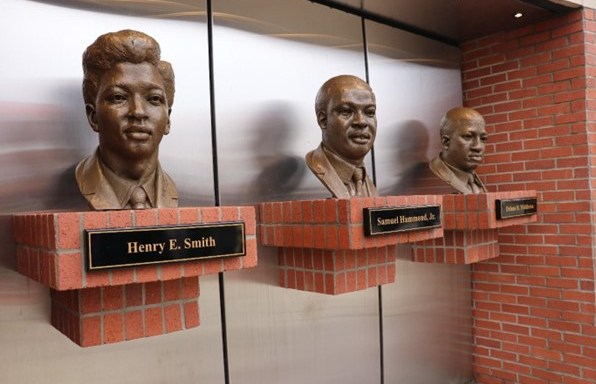
Following Dr. Ham’s address, attendees will gather for a brief remembrance ceremony at the Smith-Hammond-Middleton Legacy Plaza, which honors the three victims of the massacre—Henry Smith, Samuel Hammond, and Delano Middleton—whose lives were cut short that fateful night. Each year, SC State acknowledges their legacy and the resilience of those who survived this historic event that has come to symbolize the struggle for civil rights.
In recent commemorations, SC State has dedicated significant memorials to the victims. At the 2022 ceremony, the university unveiled a monument featuring bronze likenesses of Smith, Hammond, and Middleton, sculpted by internationally recognized artist Dr. Tolulope Filani. The Smith-Hammond-Middleton Memorial Center also serves as a lasting tribute to these individuals and their contributions.
The Orangeburg Massacre remains a pivotal moment in the history of civil rights in America, reflecting the struggles faced by Black students and activists advocating for equality. As the university prepares for this important commemoration, it reminds the broader community of the ongoing significance of these events and the continued fight for civil rights and social justice.
This article sources information from SC State University.
Historically Black Colleges and Universities (HBCUs) have long been at the forefront of innovation in education, research, and community development. With the rapid growth of industries related to weed and weed seeds, these institutions are uniquely positioned to explore the vast potential of this burgeoning market. From agricultural advancements to sustainable practices and economic empowerment, HBCUs are beginning to delve into the untapped opportunities presented by weed seeds.
As public perception shifts and legislation evolves, weed seeds have emerged as a focal point in agricultural research and development. Recognizing this, HBCUs are integrating these topics into their research initiatives, preparing students for careers in agriculture, science, and entrepreneurship. For those interested in the practical applications of weed seeds, a range of resources is available at2fast4buds.com.
How Weed Seeds Are Driving Innovation at HBCUs
HBCUs are leveraging their agricultural programs to pioneer research on weed seeds, focusing on their environmental, medicinal, and economic applications. This effort is not only advancing scientific knowledge but also creating opportunities for students and communities.
1. Agricultural Research and Development
Weed seeds are being studied for their resilience and potential to improve soil quality. HBCU agricultural programs are examining how these seeds can enhance crop rotation practices, reduce environmental impact, and promote sustainable farming.
Soil Health Improvement: Research shows that certain types of weed seeds can revitalize depleted soil by promoting nutrient cycling.
Sustainable Practices: HBCUs are developing strategies to grow weed seeds with minimal water usage, reducing the strain on natural resources.
2. Economic Empowerment Through Weed Seeds
The growing demand for weed products is opening doors for economic opportunities. HBCUs are working on initiatives to connect students and alumni with the weed industry:
Entrepreneurial Training: Courses on weed seed cultivation and product development are equipping students with the skills needed to enter this lucrative market.
Community Impact: HBCUs are partnering with local farmers to explore how cultivating weed seeds can drive economic growth in underserved areas.
Funding Opportunities for Weed Seed Research
One of the driving forces behind this innovation is the increase in research grants and funding specifically targeting weed seed studies. These grants are enabling HBCUs to expand their programs, purchase state-of-the-art equipment, and provide hands-on training for students.
Major Sources of Funding
Government Grants: Federal agencies are offering grants for agricultural research that includes the study of weed seeds as a sustainable crop.
Private Sector Partnerships: Weed-focused companies are collaborating with HBCUs to fund research that benefits both academia and industry.
Alumni Contributions: Successful HBCU alumni in the agriculture and weed industries are giving back by funding scholarships and research programs.
The Role of Weed Seeds in Sustainability Studies
Photo by Kindel Media:
Weed seeds are also playing a pivotal role in advancing sustainability research at HBCUs. These studies focus on how weed seeds can be used to address global challenges, such as climate change and food insecurity.
1. Eco-Friendly Crop Alternatives
Weed seeds are being researched as a potential alternative to traditional crops, offering higher yields with lower environmental impact.
Carbon Sequestration: Some studies suggest that weed plants grown from these seeds can absorb significant amounts of CO2, helping to combat climate change.
Biofuel Potential: Weed seeds are being explored as a renewable energy source, with the potential to produce biofuels that reduce reliance on fossil fuels.
2. Education on Sustainable Practices
HBCUs are not only conducting research but also educating the next generation of leaders on the importance of sustainability. Through workshops, internships, and community outreach programs, students are learning how to integrate weed seed cultivation into sustainable farming practices.
Preparing Students for Careers in the Weed Industry
The weed industry offers a wide array of career opportunities, from farming and product development to marketing and policy advocacy. Recognizing this, HBCUs are developing specialized programs to prepare students for success in this fast-growing field.
1. Internships and Real-World Experience
By collaborating with companies such as Fastbuds, students gain direct exposure to the weed seeds industry through internships that cover everything from cultivation to business management. These experiences are crucial, allowing students to apply classroom theories in real-world settings, enhancing their practical skills, and significantly boosting their employment prospects post-graduation.
2. Entrepreneurship and Innovation
HBCUs are fostering a culture of innovation by encouraging students to start their own businesses related to weed seeds. From developing new farming techniques to creating unique products, these programs empower students to become leaders in the industry.
Challenges and Opportunities Ahead
Despite the immense potential, there are challenges that HBCUs face when integrating weed seed research into their programs:
Regulatory Hurdles: Federal restrictions and varying state laws can complicate research efforts.
Stigma and Perception: Overcoming the lingering stigma associated with weed requires educational outreach and advocacy.
However, the opportunities far outweigh these challenges. By addressing these issues head-on, HBCUs can position themselves as leaders in the field, driving innovation and creating pathways for their students.
Weed Seeds and Community Revitalization
HBCUs have always played a pivotal role in empowering underserved communities, and the exploration of weed seeds offers new pathways for community revitalization. By teaching sustainable cultivation practices and fostering local partnerships, HBCUs are helping historically marginalized groups benefit from the economic opportunities in the weed industry. For instance, community-focused programs at agricultural schools within HBCUs are connecting farmers with the latest research, ensuring that small-scale growers can compete in the evolving market.
Expanding Academic Disciplines with Weed Seeds
The study of weed seeds is not limited to agriculture. HBCUs are incorporating the topic into diverse academic disciplines, such as business, law, and environmental science, to create a holistic approach to education and innovation.
Business and Economics: Programs focus on teaching students how to navigate the financial and operational challenges of running businesses tied to weed seeds.
Legal Studies: Students are examining policies and regulations affecting the weed industry, preparing them for roles in advocacy and compliance.
Environmental Science: Research explores the ecological benefits of weed seeds, including their potential for improving biodiversity and reducing waste.
Cultural Significance of Weed Seeds at HBCUs
Weed seeds have deep cultural and historical significance, particularly in communities served by HBCUs. These seeds represent resilience and resourcefulness, values that resonate strongly within the context of Black history and heritage. HBCU-led initiatives are highlighting this cultural connection, ensuring that students understand the broader implications of their research and the ways in which weed seed cultivation can serve as a bridge between tradition and innovation.
The Global Reach of HBCU Research on Weed Seeds
HBCUs are not only leading domestically but also making strides on the global stage. Research partnerships with international organizations are enabling HBCU scientists and students to explore the role of weed seeds in solving global challenges like food security and climate change. These collaborations are positioning HBCUs as key players in the global agricultural research community, expanding opportunities for students to participate in groundbreaking studies and gain international exposure.
Student-Led Initiatives in Weed Seed Research
One of the most inspiring aspects of HBCU research into weed seeds is the role students play in driving innovation. From designing experiments to leading community workshops, students are actively involved in every stage of research and outreach.
Undergraduate Research Projects: Students are conducting independent studies on the viability of weed seeds in different soil conditions and climates.
Leadership in Advocacy: Student organizations are raising awareness about the economic and environmental benefits of weed seeds, fostering campus-wide discussions on the topic.
Collaborative Efforts: Graduate and undergraduate students collaborate with faculty on large-scale projects, gaining valuable experience that prepares them for leadership roles in the industry.
Conclusion: A Budding Future for HBCU Research
As the demand for weed seeds continues to grow, HBCUs are taking bold steps to explore their potential. Through research, education, and community engagement, these institutions are preparing their students to lead in an industry that shows no signs of slowing down. By investing in the study of weed seeds, HBCUs are not only advancing science but also fostering economic empowerment and sustainability, ensuring a brighter future for their students and communities alike.
Xavier University of Louisiana is poised to make history as it introduces co-ed rowing as an official varsity sport beginning in fall 2025, setting a precedent as the first-ever varsity-level rowing program at a Historically Black College or University. This pivotal announcement follows the successful development of the rowing program, which has spent the last three seasons as a club sport in partnership with the New Orleans Rowing Club.
Courtesy of Xavier University of Louisiana
Since its inception in September 2023, the Xavier Rowing Club has gained significant momentum, thanks to the collaborative efforts of NORC members, including Elizabeth Manley, Ph.D., a professor of history and chair of the History Department at Xavier, and Chloé Jobin, the club’s head of community outreach and diversity initiatives. Both leaders expressed their pride in launching the program.
“The passion and dedication of our athletes, combined with the support from esteemed national figures including Olympic Rower David Banks, former Division I Coach Kevin Harris, rowing luminary Arshay Cooper, and Brannon Johnson of BLJ Rowing, who have all visited to inspire and coach our students, truly exemplifies the spirit of Xavier,” Manley and Jobin stated in a joint statement. “Launching this team of athletes onto the competitive national stage is not just about rowing—it’s about building a community, inspiring our students, and creating opportunities for growth both on and off the water.”
The club’s popularity has reached national heights, attracting attention and support from key organizations in the rowing community. Recent endorsements include sponsorships from USRowing and A Most Beautiful Thing Inclusion Fund, along with notable contributions from Vespoli USA, JL Athletics, and Concept2.
Charting New Waters
Olympic Rower David Banks commended the tenacity of the Xavier community in pushing to establish this program, noting, “It’s not easy being the first few to do something that may seem so very different and even daunting. But I’m confident and hopeful that these students will realize that this sport is theirs to make their own.”
The personal impact of the rowing community at Xavier was echoed by junior political science major Kamryn Days. “The Xavier Rowing Club has offered me the opportunity to find a family outside of my Xavier family,” she shared. “It allows us to shatter negative stereotypes and false perceptions.”
As the Xavier Rowing program prepares for its inaugural season as an official varsity sport, efforts are underway to secure a head coach and recruit prospective athletes.
In a powerful testament to the impact of community and heritage, tennis sensation Coco Gauff has made a monumental $100,000 donation to the United Negro College Fund. The gift will fund scholarships for students playing competitive tennis at Historically Black Colleges and Universities. This initiative highlights Gauff’s commitment to using her platform as an athlete to uplift aspiring student-athletes who share her passion for education and sports.
“Her commitment not only showcases her dedication to education and athletics but also inspires the next generation of student-athletes to pursue their dreams,” said Maurice E. Jenkins, Jr., UNCF’s executive vice president and chief development officer, in a press release. “This gift reinforces the importance of supporting our young leaders and ensuring they have the resources necessary to succeed both on and off the court.” Jenkins expressed gratitude for Gauff’s generosity. He emphasized how the donation will significantly enhance opportunities for HBCU students aiming for success in competitive tennis.
Launching the Coco Gauff Scholarship Program, these scholarships will be awarded beginning in May and will be distributed to eligible student-athletes through UNCF‘s established protocols.
Deep-rooted History With HBCUs
At just 20 years old, Gauff is already one of UNCF’s youngest major benefactors and is motivated by her family’s longstanding relationship with HBCUs. She stated, “My family has a deep-rooted history with HBCUs, going all the way back to my great, great grandfather. From aunts and uncles to cousins, HBCUs have played a huge role in shaping who we are,” Gauff said. “Supporting UNCF in creating opportunities for student-athletes in tennis means a lot to me. As a young Black athlete, I understand how impactful it is to see people who look like me thriving in both sports and education.
Gauff’s heartfelt message underscores the significance of representation and mentorship within the Black athletic community. With this scholarship, Gauff hopes to instill confidence in the next generation of tennis players, empowering them to pursue their dreams with the knowledge that they have a supportive community behind them.
This donation follows Gauff’s triumphs, including her victories at the 2023 U.S. Open and 2024 WTA Finals. In acknowledgment of her accomplishments, the United States Tennis Association pledged $3 million to renovate tennis courts nationwide, with North Carolina Central University receiving a $21,000 grant from this initiative.
As Gauff’s legacy continues to unfold both on and off the court, her generous contribution to UNCF represents a financial gift and a robust investment in the future of HBCU student-athletes.
In a significant shift, the Trump administration’s executive order targeting diversity, equity, and inclusion initiatives has begun to reshape the landscape for Historically Black Colleges and Universities nationwide. Signed on January 21, this order directs all federal agencies to eliminate “illegal preferences, mandates, policies, programs, activities, guidance, regulations, enforcement actions, consent orders, and requirements,” significantly affecting how federal funding can be allocated to institutions like HBCUs.
In West Virginia
The ramifications of these changes are already being felt at West Virginia State University, one of the state’s two HBCUs. Following West Virginia Governor Patrick Morrisey’s own anti-DEI executive order, WVSU is currently reviewing its programs to ensure compliance with both state and federal regulations, according to a report by West Virginia Watch. “Like all institutions of higher education in West Virginia, we are assessing our institution to ensure that we are in compliance with both the executive orders issued by Gov. Morrisey and the latest requirements issued by the federal government,” WVSU President Ericke S. Cage told the outlet. With no dedicated DEI office, the university faces scrutiny over its commitment to diversity in education.
Established in 1891, WVSU has long emphasized inclusivity and equality in its educational mission. However, the new policies limiting DEI efforts could now jeopardize this.
A Canceled Event
This trend isn’t limited to West Virginia State University alone. Reports have surfaced nationwide about similar impacts, including the decision to cancel a virtual conference to foster collaboration between HBCUs and registered apprenticeship programs. The event was canceled following a federal “stop work” order linked directly to the executive orders affecting DEI initiatives. Dr. Marybeth Gasman, director of the Center for Minority Serving Institutions at Rutgers University, clarified that the cancellation stemmed from the cancellation of funding rather than any specific targeting of HBCUs.
Impacting HBCUs in Alabama
Compounding concerns, legislative measures across various states, such as Alabama’s SB 129, threaten more than just DEI initiatives. They risk undermining the very fabric of educational freedom. As former Tuskegee University president Lily McNair noted, such restrictive laws could censor critical discussions around race, gender, and identity, disproportionately affecting the educational opportunities available to students from diverse backgrounds.
As HBCUs work to navigate this rapidly evolving landscape, the future of their commitment to diversity, equity, and inclusion is in doubt.
As the February 10 deadline approaches, students are encouraged to apply for the Taste of Tomorrow Scholarship powered by the PepsiCo Foundation!
Interested students should be current sophomores or juniors enrolled full-time at one of the following institutions for the upcoming academic year: Benedict College, Bethune-Cookman University, Florida A&M University, Hampton University, Howard University, Jackson State University, Morgan State University, North Carolina Central University, or Prairie View A&M University. Applicants must also pursue a degree in a STEM field and maintain a minimum GPA of 2.5 on a 4.0 scale.
The scholarship selection process considers several factors: academic performance, leadership experience, community involvement, work history, personal circumstances, and financial need. This comprehensive evaluation aims to identify students who excel academically and demonstrate a commitment to positively impacting their communities.
C.D. Glin, president of the PepsiCo Foundation, added, “By supporting STEM education, we hope to inspire a new era of STEM professionals to not only change the future of this industry but provide long-term impact in their communities.”
Providing Funding & Fun
The “Taste of Tomorrow” initiative not only provides scholarships but also enhances educational experiences through workshops and resources tailored to inspire innovation. With the support of celebrity ambassador 2 Chainz and numerous on-campus events featuring popular PepsiCo brands like Pepsi® Zero Sugar and Doritos®, the Taste of Tomorrow initiative is creating engagement and excitement around STEM education.
Apply Now
For more information on the application process, eligibility criteria, and required materials, visit PepsiCo’s scholarship portal. Don’t miss this opportunity to invest in your future—apply for the “Taste of Tomorrow” scholarship by the February 10 deadline!
Alabama State University is celebrating the appointment of alumnus William B. Cossey, Jr, to a senior position at Delta Airlines. An esteemed member of ASU’s Class of 1995, Cossey has taken on the role of managing director of supply chain operations at Delta’s Atlanta headquarters, where he will oversee supply chain support across various departments, including airport services, cargo, corporate travel, and logistics.
William B. Cossey
Col. (ret.) Gregory Clark, vice president of Institutional Advancement and executive director of the Alabama State University Foundation, praised Cossey as a devoted member of the Hornet Nation Family. “He is among the finest and hardest working members of the Foundation’s leadership,” Clark said, noting that Cossey also serves as the treasurer of The ASU Foundation.
Cossey brings nearly thirty years of corporate leadership experience, including financial management, operational strategy, and supply chain management. Before joining Delta, he was the senior vice president and chief development officer for ProComm LLC, an Atlanta-based private firm. His extensive background also includes a 26-year tenure with Cox Enterprises, where he held high-level positions in human resource technology, business operations, and program management.
In addition to his corporate experience, Cossey’s professional journey includes time spent as an auditor with PriceWaterhouse LLC.
Clark highlighted the depth of Cossey’s experience, stating that it, combined with his military service during Operation Desert Storm, makes him a tremendous asset to Delta Airlines. “Delta could not have hired a better person than Mr. Cossey,” he said. “Mr. Cossey is a very impressive person, both publicly and privately, and we are proud for him.”
This article sources information from Alabama State University.
Winston-Salem State University is celebrating a historic milestone as it announces its highest graduate student enrollment, reaching 590 students for the Fall 2024 semester. This achievement reflects a remarkable 14.3% increase from the previous year’s enrollment of 516 students and signifies a significant turnaround following the reinstatement of its graduate college in December 2022.
Courtesy of Winston-Salem State University
Dr. Montrale Boykin, interim dean of the graduate college, attributes this substantial growth to the university’s renewed focus on expanding graduate programs after a decade-long hiatus. “This is the largest enrollment in the history of the institution,” Boykin stated, highlighting the impressive 31.2% increase in new graduate students, with 244 new enrollees compared to an 11.3% rise the previous year.
Historically, WSSU had shifted its attention toward undergraduate liberal arts education in 2010, leading to a decline in graduate programs. However, Boykin emphasized that the absence of a formal graduate school had impeded collaboration and development within the institution. “With the program back in place, we now have a coordinated effort toward increasing enrollment, preparing graduate students for their professional careers, and exploring new graduate programs,” he explained.
The recent surge in graduate enrollment coincides with WSSU’s broader recruitment strategy to attract non-traditional students. It was a key focus for Chancellor Bonita Brown in her recent State of the Campus address. “The goal now is to sustain the program,” Boykin added. “The university is depending on graduate education to continue the enrollment growth.”
Pushing Enrollment Forward
WSSU plans to enhance outreach through graduate fairs, strategic marketing initiatives, and programs to connect current undergraduates to graduate opportunities to maintain this upward trend.
Amidst national trends of plateauing or declining graduate enrollments, WSSU stands out by addressing financial barriers through innovative funding solutions. Notably, the university is one of only four institutions nationwide awarded the HBCU Fellowship Grant, which covers tuition, books, and stipends—for minority and low-income students pursuing graduate degrees in STEM and allied health fields. In 2023, 85 students benefitted from the fellowship.
In a significant turn of events, Tennessee State University has officially opted out of participating in the Southern Heritage Classic. TSU Interim President Dwayne Tucker confirmed this decision during a recent meeting with alumni in Memphis, according to a report by Action News 5.
Jackson State and UAPB compete in the 34th edition of the Southern Heritage Classic at Simmons Bank Liberty Stadium in 2023. Photo courtesy of Tennessee State University Athletics
According to Tucker, the university was not presented with an adequate financial offer from the event’s promoter to justify continuing its long-standing involvement. The cancellation highlights ongoing financial challenges at TSU.
“I think most people understand that TSU has some financial issues,” Tucker stated in an interview with Action News 5. “we need to walk and correct ourselves, so to play an event where it’s financially not in our best interest; the fee that’s being proposed—it’s just not a good financial return for Tennessee State. But we’d love to come back.”
About the Southern Heritage Classic
The Southern Heritage Classic is an annual football game that began with a matchup between Jackson State University and Tennesse State University at Simmons Bank Liberty Stadium in Memphis. The University of Arkansas at Pine Bluff replaced Jackson State starting in 2023. Since its inception in 1990, TSU has participated in every game, making this decision particularly notable for students, alumni, and fans alike.
Promoter Fred Jones shared that he had offered the university $400,000 annually over a five-year period, with $300,000 allocated to the football team and the marching band, while the remaining $100,000 would cover expenses. Jones emphasized that he had sent the proposal to the university on Jan. 17 and had not received a formal response by the requested deadline of Jan. 27.
The Southern Heritage Classic has historically attracted large crowds, with a record attendance of 61,171 in 1997. Average attendance since the inception of the TSU-Jackson State rivalry in 1994 has hovered around 50,000.
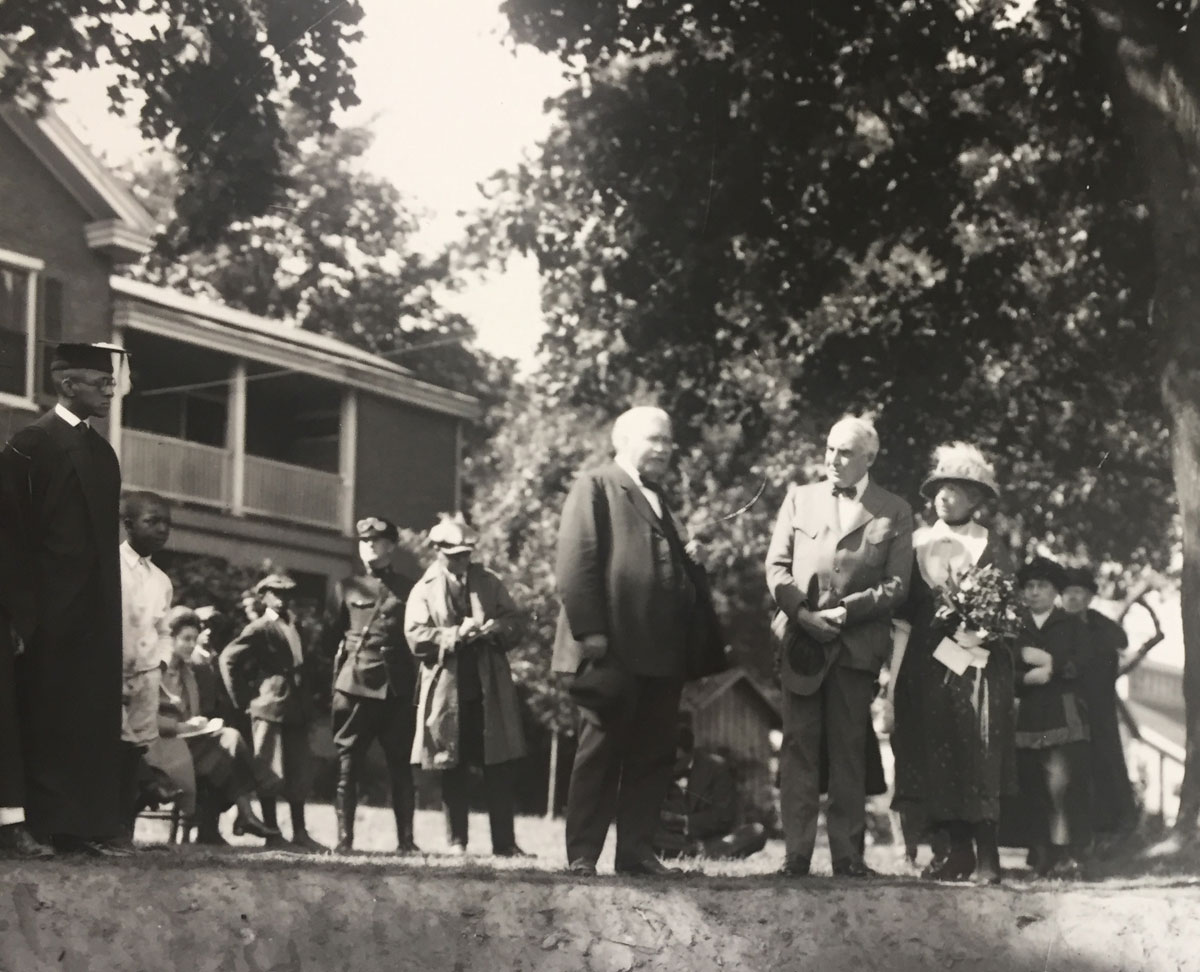
U.S. Senator Philander C. Knox and his wife and (left) President Warren G. Harding address the Class of 1921 at the Lincoln Alumni Memorial Arch dedication ceremony. Courtesy of Pennsylvania State Archives.
Lincoln University has proudly announced that finance student Travis Primrose has received the Denny’s and Getty Images Hungry for Education Stipend. The stipend, valued at $500, is part of a broader initiative under the HBCU Photo Archive Grants Program, which aims to support the digitization of HBCU archives and provide educational opportunities for students across the United States.
Primrose has made significant strides in preserving Lincoln University’s historical records while working with the university’s Special Collections & Archives. His efforts in digitizing photographs have illuminated the rich legacy of black excellence that has emerged from Lincoln University over the years.
Tiffany Davis, library director and public access & electronic resources librarian at the Langston Hughes Memorial Library, expressed her excitement for Primrose’s recognition. “I am thrilled that Travis’s exceptional work with Special Collections & Archives is being recognized. His careful attention to detail in digitizing our historical photographs has been
invaluable in preserving Lincoln University’s rich legacy,” she said.
The photographs selected by Primrose depict various facets of student life, including historical protests and notable alumni such as poet Langston Hughes and former Ghanaian president Kwame Nkrumah. His work safeguards history and serves as an inspiration for future generations looking to understand the contributions of those who came before them.
In expressing his gratitude, Travis Primrose commented, “This program has introduced me to a brand-new side of Lincoln’s legacy that I would have never known of unless I had invested myself in these images and their history,” said Travis Primrose. “These ten [images] give me a sense of community, the school’s historical importance, and the black excellence that has been produced over the years since its creation.”
The stipend will aid Primrose’s educational expenses as he continues pursuing his studies at Lincoln.