From HBCU to WWE SmackDown: Trick Williams’ Journey to the Main Roster

Trick Williams

From HBCU to WWE SmackDown, Hampton University Alum Trick Williams Breaks Through

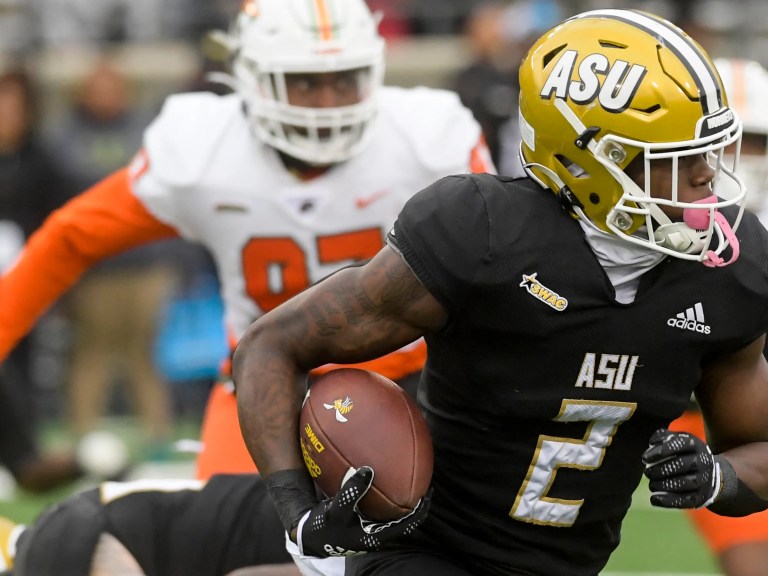
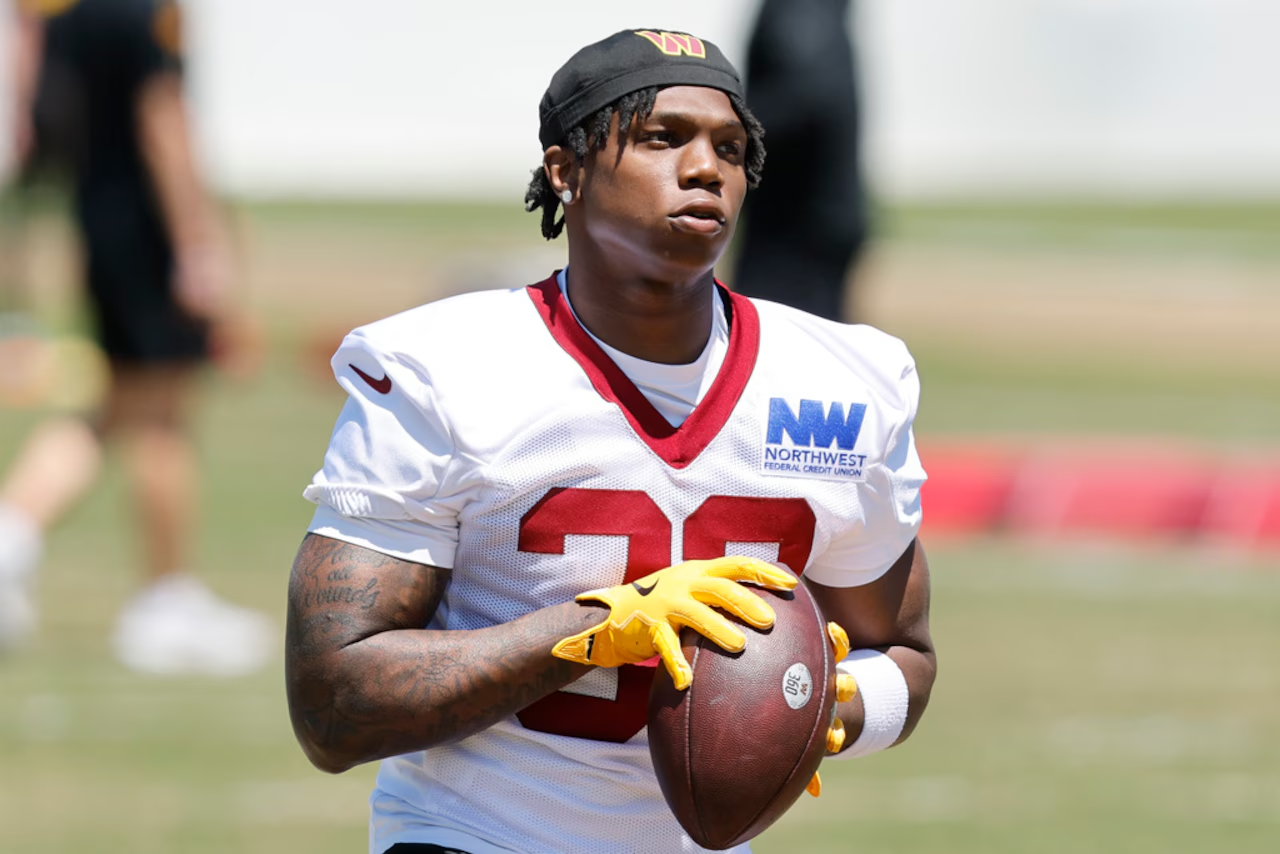
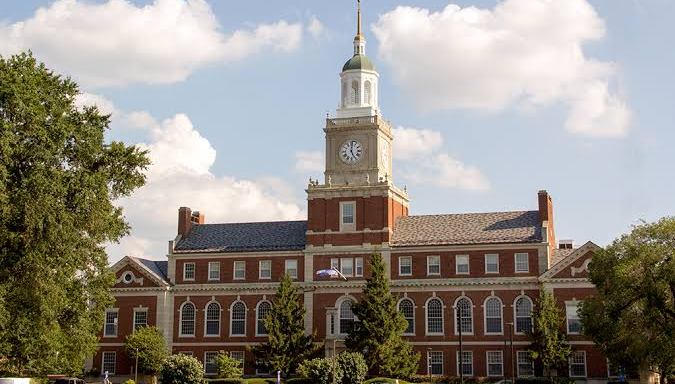
From HBCU to WWE SmackDown, Hampton University alum Trick Williams’ rise to professional wrestling’s biggest stage represents more than a personal career milestone—it’s a moment of national visibility for HBCU excellence. Williams, whose real name is Matrick Belton, played college football at Hampton University before carving out a breakout career in WWE, officially making his SmackDown debut and stepping onto one of sports entertainment’s most watched platforms.

Williams’ journey from Hampton’s campus to WWE television reflects the versatility and preparation HBCUs instill in their student-athletes. Before captivating arenas with his presence and charisma, he developed discipline, resilience, and competitive edge as a Pirate, experiences that helped shape the confidence he now brings to the ring. His SmackDown arrival follows a dominant run in NXT and positions him among WWE’s emerging stars while carrying his Hampton roots with him on a global stage.

Trick Williams’ HBCU Roots Shaped His Path to WWE

Before stepping into the squared circle, Williams was a student-athlete at a Historically Black College and University, where he played football and developed the discipline and resilience that would later define his wrestling career. His time at an HBCU provided structure, mentorship, and a competitive environment that emphasized both personal growth and accountability—values that have carried over into his success in WWE.

Williams has frequently acknowledged how his HBCU experience shaped his confidence and work ethic. The culture of excellence and pride that defines HBCUs is evident in the way he carries himself on screen, blending showmanship with authenticity. His journey reinforces the idea that HBCUs continue to prepare students for success well beyond traditional career paths.

Trick Williams July 24 A

From NXT Standout to WWE SmackDown Star

Trick Williams’ rise through NXT was marked by standout performances, major storyline moments, and championship success that positioned him as a future main-roster star. Known for his mic skills and crowd-engaging presence, Williams cultivated a loyal fan base that followed him from developmental stages to WWE’s biggest arenas.

His SmackDown debut signaled WWE’s confidence in his ability to connect with a broader audience. The transition places Williams in high-profile storylines alongside established superstars, elevating his platform while maintaining the persona that made him a fan favorite. The iconic chants that followed him from NXT into SmackDown reflect his growing cultural impact within the wrestling community.

HBCU Representation Expands in Professional Wrestling

Williams’ success also highlights the expanding presence of HBCU alumni in professional wrestling. While wrestling has historically drawn athletes from football and other sports, representation from HBCUs remains underrecognized. Williams joins a lineage of HBCU-educated athletes who have translated their competitive backgrounds into wrestling success, reinforcing the role HBCUs play in cultivating elite talent.

As WWE continues to emphasize diversity and global storytelling, Williams’ background adds depth to his narrative. His presence on SmackDown offers a visible reminder that HBCUs are not just pipelines to traditional professional leagues but are also launching pads for success in entertainment and media-driven industries.

Cultural Impact Beyond the Ring

Beyond championships and storylines, Trick Williams’ journey resonates with fans who see reflections of their own paths in his rise. His confidence, swagger, and unapologetic embrace of his background align with a broader cultural movement celebrating Black excellence across platforms. For HBCU students and alumni watching his ascent, Williams represents proof that unconventional dreams are valid and achievable.

His platform on SmackDown allows him to reach audiences far beyond the wrestling world, introducing HBCU narratives to viewers who may not otherwise engage with HBCU culture. That visibility matters, particularly for young fans who benefit from seeing success stories rooted in institutions that have historically served Black communities.

From HBCU to WWE SmackDown, the Journey Continues

As Trick Williams continues his run on WWE SmackDown, his story remains one to watch—not just for wrestling fans, but for anyone invested in the continued elevation of HBCU alumni on national and global stages. His rise underscores the lasting impact of HBCUs in shaping leaders, entertainers, and trailblazers across industries.

From packed arenas to primetime television, Williams carries his HBCU legacy with him every time he steps into the ring. His journey serves as a reminder that greatness can begin on an HBCU campus and reach the brightest lights in sports entertainment.

HBCU Graduates Bring College Inspiration to Kids in Wichita

607696097 1340808171420991 7641991755879966633 N

HBCU Graduates in Wichita Create Pathways to Higher Education

HBCU graduates are bringing college inspiration to kids in Wichita through a powerful community-driven initiative designed to expose young students to the possibilities of higher education and the transformative impact of Historically Black Colleges and Universities. Led by the Wichita HBCU Alumni Collective, the event brought together alumni from across the country to share their college journeys, answer questions, and provide firsthand insight into what life at an HBCU can offer students who may not otherwise see themselves represented in higher education spaces.

Hosted in partnership with local community organizations, the gathering focused on early exposure and encouragement, particularly for elementary and middle school students. Alumni spoke candidly about their experiences navigating college, the sense of belonging they found at HBCUs, and how those environments helped shape their personal and professional trajectories. For many of the students in attendance, it was their first opportunity to interact directly with college graduates who looked like them and shared similar backgrounds.

HBCU Graduates Share Real Stories and Real Access

Throughout the event, HBCU graduates emphasized that college is not a distant or unattainable goal, but a realistic path supported by mentorship, preparation, and community. Alumni representing a wide range of institutions—including Clark Atlanta University, Prairie View A&M University, and other HBCUs—described how campus culture, faculty support, and alumni networks played critical roles in their success.

607216323 1340808131420995 7445316509843139617 N

The conversations extended beyond academics, touching on leadership development, career readiness, and the importance of finding environments that affirm identity. Students were encouraged to ask questions openly, from what college classes are like to how scholarships and financial aid work. The alumni’s transparency helped demystify the college experience while reinforcing the message that higher education is achievable with the right support systems.

Why HBCU Representation Matters in Early Education

The Wichita initiative reflects a growing recognition of the importance of early exposure when it comes to college readiness. Studies consistently show that students who begin envisioning themselves in college at a young age are more likely to pursue higher education. By centering HBCU graduates in that process, the program highlighted institutions that have historically been committed to educating Black students and advancing social mobility.

HBCUs continue to play a critical role in producing Black professionals across industries, including education, healthcare, business, and public service. Introducing students to these institutions early helps broaden their understanding of college options while reinforcing pride in Black academic excellence. The alumni speakers emphasized that HBCUs offer not only degrees, but also environments that nurture confidence, leadership, and community responsibility.

Community Partnerships Strengthen the Impact

The event’s success was made possible through collaboration with local youth organizations, including groups focused on academic enrichment and mentorship. These partnerships ensured that the outreach reached families who could benefit most from exposure to college pathways and role models. Parents in attendance expressed appreciation for programming that combined inspiration with practical information, particularly around preparing students for long-term academic success.

By embedding the event within existing community networks, the Wichita HBCU Alumni Collective reinforced the idea that college preparation is a shared responsibility. Alumni noted that their involvement did not end with a single event, but represented an ongoing commitment to mentorship, visibility, and sustained engagement with Wichita youth.

HBCU Graduates Lead a National Movement from the Local Level

While the event was rooted in Wichita, its significance extends far beyond the city. Across the country, HBCU alumni groups are increasingly stepping into roles as ambassadors for higher education, using their lived experiences to influence the next generation. These grassroots efforts complement national conversations around access, equity, and representation in education.

By returning to their communities and investing time and energy into youth outreach, HBCU graduates are helping close opportunity gaps and reshape narratives around who belongs in college. Their work underscores the enduring impact of HBCUs—not only on individual graduates, but on entire communities that benefit from their leadership and service.

Inspiring the Next Generation Through Visibility and Connection

For the students who attended the Wichita event, the most powerful takeaway was seeing success embodied in people who once stood where they stand now. Alumni reminded students that college is not just about academics, but about discovering purpose, building networks, and learning how to contribute meaningfully to society.

As HBCU graduates continue to bring college inspiration to kids in Wichita and beyond, their efforts highlight the importance of representation, mentorship, and community-led solutions in shaping educational futures. These moments of connection—rooted in honesty, encouragement, and shared experience—are laying the foundation for a new generation of college-bound students who see possibility where it once felt out of reach.

Israeli Artists Build Cultural Bridges at Xavier University, the Nation’s Only Catholic HBCU

BamahArtsXavierUniv

Israeli Artists at Xavier University Spark Global Cultural Exchange

Israeli artists are building cultural bridges at Xavier University of Louisiana, the nation’s only Catholic HBCU, through a powerful arts residency that uses music as a vehicle for global dialogue, shared history, and mutual understanding. At a time when conversations about identity, faith, and geopolitics are increasingly polarized, the presence of Israeli artists on an HBCU campus has created space for nuanced engagement rooted in creativity rather than conflict.

The residency brought Israeli musicians Neta Elkayam and Amit Hai Cohen to Xavier’s New Orleans campus, where they worked directly with students through workshops, classroom discussions, and live performances. Their music—deeply influenced by North African Jewish traditions, Middle Eastern sounds, and contemporary global rhythms—served as both an educational tool and a conversation starter, inviting students to explore how culture preserves memory and identity across generations.

Israeli Artists at Xavier University Engage Students Through Music and Identity

Throughout the residency, students were encouraged to engage beyond surface-level exposure, examining how music functions within marginalized communities as a form of survival, resistance, and storytelling. Xavier students shared their own experiences shaped by Black American history and the legacy of Historically Black Colleges and Universities, drawing parallels between their cultural inheritance and the artists’ Jewish diasporic traditions.

The exchange emphasized mutual learning rather than instruction. Students collaborated musically with the artists, explored lyrical themes connected to displacement and belonging, and discussed how faith and tradition influence artistic expression. These conversations resonated deeply on a campus defined by its Catholic mission and commitment to social justice, reinforcing Xavier’s role as a space where global perspectives are welcomed and critically examined.

700435

Israeli Artists at HBCUs Expand Dialogue Beyond the Classroom

The Xavier residency is part of a broader effort to bring Israeli artists to HBCUs nationwide through arts-based cultural exchange programs. These initiatives are designed to foster authentic dialogue by prioritizing personal stories and creative collaboration over political framing. By centering art, students are able to engage complex global realities in ways that feel human, accessible, and emotionally grounded.

Programs supporting these residencies emphasize relationship-building and long-term understanding, ensuring students are not passive audiences but active participants in the exchange. This approach reflects a growing recognition of HBCUs as vital spaces for international engagement, particularly when discussions involve history, identity, and global power dynamics.

Why Xavier University Is Central to This Cultural Exchange

Xavier University’s participation holds particular significance. As the only Catholic HBCU in the United States, Xavier occupies a unique position at the intersection of faith, Black intellectual tradition, and global awareness. Its longstanding mission to educate students for leadership and service aligns closely with initiatives that promote cross-cultural understanding and ethical engagement.

The university’s location in New Orleans—an epicenter of musical innovation and cultural fusion—further amplified the residency’s impact. Students were able to situate Israeli musical traditions alongside the city’s own history of blending African, Caribbean, and European influences, reinforcing the idea that cultural exchange is not an abstract concept but a lived, local experience.

Israeli Artists at Xavier University Highlight the Role of HBCUs Globally

As HBCUs continue to expand their influence beyond national borders, programs like this residency underscore their importance in shaping global conversations. Xavier’s hosting of Israeli artists demonstrates how HBCUs can function as bridges between communities that may appear distant yet share common experiences of resilience, marginalization, and cultural preservation.

For students, the residency offered a reminder that global engagement does not require abandoning one’s own history. Instead, it showed how honoring different narratives can deepen understanding of one’s own identity. For the artists, the experience reinforced the relevance of HBCU campuses as spaces of intellectual rigor, cultural pride, and meaningful dialogue.

Ultimately, the residency at Xavier University affirmed the power of art to transcend boundaries and foster connection. By bringing Israeli artists into conversation with HBCU students, the program highlighted how creativity can open doors to understanding that traditional discourse often cannot—positioning Xavier as a model for how HBCUs can lead in global cultural exchange.

Howard Alum Jaha Howard Sworn In as Georgia Senator

2QWID3N2DBF3LHNQJJFOMKX6B4

Howard alum Jaha Howard has officially been sworn in as the new Georgia State Senator for District 35, adding another major chapter to Howard University’s legacy of producing public-service leaders across the country. According to coverage from WSB Radio, Howard took the oath of office at the Georgia State Capitol, stepping into the role after winning a closely watched special election to fill the vacant seat.

Howard’s moment at the Gold Dome is bigger than a local political win—it’s another reminder that HBCU alumni continue to shape policy, represent communities, and bring lived experience into leadership spaces where decisions are made. For readers who’ve been following HBCU Buzz’s coverage of Howard University and its alumni pipeline, this is the latest example of “The Mecca” producing leaders who move with purpose.

In addition to his academic and professional accomplishments, Howard is also a proud member of Alpha Phi Alpha Fraternity, Inc., the nation’s first intercollegiate Greek-letter fraternity founded by African American men. His affiliation with Alpha Phi Alpha reflects a long-standing commitment to leadership, service, and advocacy—principles that align closely with his approach to public office. Throughout his career in education, healthcare, and now state government, Howard has embodied the fraternity’s mission of developing leaders who uplift their communities and advance social justice.

Howard Alum Jaha Howard Brings Education and Community Roots to District 35

Howard’s path to the state senate is rooted in public-facing service. He previously served on the Cobb County School Board, where he built a reputation as a community-first leader focused on students, families, and equity-driven outcomes. In the WSB Radio report, Howard is described as a 44-year-old who spent four years on the school board before stepping into this statewide role, with District 35 covering parts of Fulton and Cobb counties. Those roots matter in a district where residents are juggling education access, cost-of-living pressures, and healthcare uncertainty—issues that require leaders who understand the human side of policy.

The swearing-in also came with a clear signal about priorities. In remarks reported by WSB Radio, Howard pointed to healthcare concerns, specifically referencing the risk of Georgians losing coverage tied to expiring Affordable Care Act subsidy provisions—an issue that has become increasingly urgent for working families. His quote during the ceremony underscored momentum and conviction, framing this moment as a beginning rather than an endpoint. WSB Radio’s report captures that tone and the significance of the transition.

Election Win Followed a High-Stakes Special Runoff

Howard’s swearing-in follows his victory in the District 35 special election runoff, where he defeated Roger Bruce in a tight race. Official tracking of the contest shows Howard won the December 16, 2025 runoff with 51.9% of the vote, according to Ballotpedia’s election results. Multiple local and regional outlets covered the outcome, including reporting that framed the win as a notable upset and highlighted Howard’s background as both a dentist and former education leader, including Georgia Recorder’s recap and CBS News Atlanta’s coverage.

The vacancy Howard filled was created after former senator Jason Esteves resigned, clearing the way for a special election to determine the district’s next voice in the state senate. WSB Radio notes that Esteves left the seat to pursue a run for governor, setting the stage for a competitive contest and heightened attention around who would take over representation for District 35. Ballotpedia’s District 35 overview provides additional context on the seat and its recent representation.

What This Means for Howard University’s Leadership Legacy

For Howard alumni, this moment fits into a long-running narrative: Howard University graduates don’t just participate in civic life—they lead it. Howard’s elevation to the Georgia Senate adds to a visible pipeline of HBCU-trained leaders bringing culturally grounded leadership into policy spaces, particularly in the South where historically Black political power and Black institutions remain closely intertwined.

And while the work ahead will be measured by votes, bills, and district outcomes, Howard’s story also matters on a symbolic level. A Howard alum stepping into state senate leadership is a reminder to current students and young alumni that the path from campus to the capitol is real, active, and still expanding. It is also the kind of milestone that reinforces why HBCU representation matters—not as a headline, but as a long-term investment in community-centered governance.

Kim Mulkey Says Playing HBCUs Helps Provide ‘Guarantee Money’ in the NIL Era

Da112513e01c629b002073c1d25dd407

LSU women’s basketball coach Kim Mulkey says scheduling games against HBCU programs is about more than filling nonconference slots — it’s about creating financial opportunities for schools navigating the realities of college athletics in the name, image, and likeness era. Mulkey’s comments have reignited discussion around how so-called “guarantee games” function as a vital revenue stream for HBCU athletic departments at a time when the economic gap in college sports continues to widen.

Speaking recently, Mulkey explained that intentionally playing HBCUs allows those programs to receive guaranteed payouts, money that can be reinvested into scholarships, travel, facilities, and overall program sustainability. Her remarks were first reported by HBCU Sports, which detailed Mulkey’s perspective on why these matchups matter in the modern college basketball landscape.

Why ‘Guarantee Games’ Matter More Than Ever

In college athletics, a guarantee game typically involves a larger, well-funded program paying a smaller school a predetermined fee to compete — often on the larger school’s home court. For many HBCUs, these games represent one of the most reliable sources of nonconference revenue.

Mulkey acknowledged that reality directly, noting that in the NIL era, financial disparities have become even more pronounced. While power-conference programs generate revenue through television deals, sponsorships, and donor collectives, many HBCUs rely on guarantee money to keep their athletic programs competitive and operational. Mulkey framed the decision to play HBCUs as a practical way to support schools that “don’t have what we have,” while still providing her team with meaningful early-season competition.

Her comments echo reporting from Yahoo Sports, which highlighted Mulkey’s long-standing approach to scheduling and her belief that high-profile programs can play a role in strengthening the broader basketball ecosystem.

LSU’s Track Record With HBCU Matchups

LSU’s recent schedules reflect Mulkey’s philosophy. The Tigers have faced several HBCU programs in recent seasons, offering those schools national exposure and financial support. According to Sports Illustrated, LSU made history by scheduling multiple HBCU women’s basketball teams in a single season, a move that stood out in a sport where such matchups are often limited.

Mulkey has also joked about her familiarity with HBCU competition, recalling that during her tenure at Baylor, her teams played so many Southwestern Athletic Conference opponents that someone once quipped they were “SWAC champions.” That history underscores that her approach is not new, but rather a continuation of a scheduling philosophy she has carried throughout her career.

The NIL Era and Financial Pressure on HBCUs

The rise of NIL has fundamentally reshaped college athletics, creating new opportunities for student-athletes but also new financial pressures for institutions. While NIL collectives and endorsement deals have flourished at power-conference schools, many HBCUs are still building the infrastructure needed to compete in that space.

For HBCU athletic departments, guarantee games often help offset rising costs tied to travel, staffing, and compliance in the NIL era. Analysts have noted that without these payouts, some programs would struggle to fund full schedules. Mulkey’s remarks acknowledge that reality and position guarantee games as a tangible way larger programs can provide support without altering competitive balance.

Mixed Reactions and Ongoing Debate

While Mulkey’s comments were largely viewed as candid and pragmatic, guarantee games remain a topic of debate. Critics argue that these matchups can highlight disparities on the court and question whether they truly advance equity in college sports. Supporters counter that the financial benefits and exposure outweigh the risks, particularly for programs operating with limited resources.

What’s clear is that Mulkey’s willingness to speak openly about the economics of scheduling has brought renewed attention to how HBCUs survive and compete within a rapidly changing system. By naming guarantee money as a key motivator, she underscored a reality that many athletic directors quietly navigate every season.

What It Means Moving Forward

As college athletics continues to evolve, Mulkey’s comments may influence how other high-profile programs think about scheduling HBCUs. While guarantee games alone won’t solve systemic funding gaps, they remain one of the most immediate and reliable tools available to HBCU athletic departments.

For HBCUs, these matchups represent more than a game on the calendar — they are a financial lifeline, a recruiting opportunity, and a chance to compete on a national stage. And in the NIL era, where money increasingly dictates opportunity, those games matter more than ever.

Howard Alum and Gospel Music Icon Richard Smallwood Dies at 77

Richard Smallwood 2 123025 Fceae752ad1a4232b8da50177be93d6c

Howard alum and gospel music icon Richard Smallwood, whose music reshaped contemporary gospel and influenced generations of artists and worship leaders, has died at the age of 77. According to The Hollywood Reporter, Smallwood passed away following complications related to kidney failure. His death marks the loss of one of gospel music’s most revered composers, arrangers, and musicians—an artist whose work bridged sacred tradition with musical excellence and cultural impact.

News of Smallwood’s passing sparked an outpouring of tributes across the music and faith communities, with artists, pastors, and fans reflecting on a body of work that defined modern gospel worship and transcended denominational and generational boundaries.

A Howard University Foundation Rooted in Excellence

Born in Atlanta and raised in Washington, D.C., Richard Smallwood displayed extraordinary musical talent from an early age, teaching himself to play piano by ear before formally studying music. That gift would later be refined at Howard University, where Smallwood graduated cum laude and helped establish the school’s gospel choir, laying a foundation that continues to influence Howard’s musical legacy today.

While at Howard, Smallwood combined classical training with gospel tradition, a fusion that would become the hallmark of his sound. His connection to the university placed him within a long lineage of Howard alumni who have shaped Black music, culture, and intellectual life, and his impact remains deeply felt within the HBCU community.

NVKO6KWUM4I7BEG7JAMMIIGICI 5a5552

Building a Sound That Changed Gospel Music

After graduating, Smallwood went on to teach music at the University of Maryland before forming the Richard Smallwood Singers in 1977. The ensemble introduced a sophisticated, choir-driven approach to gospel that emphasized musical complexity, theological depth, and emotional resonance. Songs such as Total Praise, “I Love the Lord,” and “Order My Steps” became modern gospel standards, regularly performed in churches across the country and around the world.

Smallwood later expanded his musical vision with the group Vision, continuing to push the boundaries of gospel music while maintaining its spiritual core. His compositions were widely praised for their intricate arrangements and scriptural grounding, elevating gospel music to new artistic heights without sacrificing its worship-centered purpose.

Influence Beyond the Church

Smallwood’s influence extended far beyond traditional gospel spaces. His song “I Love the Lord” reached mainstream audiences after being recorded by Whitney Houston for The Preacher’s Wife soundtrack, introducing his work to a global audience. Over the years, his music was also performed or cited as influential by artists across genres, including Destiny’s Child, Stevie Wonder, and Boyz II Men, underscoring the universal reach of his artistry.

Throughout his career, Smallwood earned eight Grammy Award nominations and received multiple Stellar Awards and Dove Awards, cementing his status as one of the most decorated and respected figures in gospel music history. He was later inducted into the Gospel Music Hall of Fame, a recognition that reflected both his artistic achievements and his enduring spiritual impact.

A Lasting Legacy of Faith and Culture

Beyond awards and accolades, Richard Smallwood’s greatest legacy lies in the way his music continues to shape worship experiences across denominations and generations. “Total Praise” alone has become a global anthem, performed at funerals, graduations, protests, and moments of collective reflection, often serving as a soundtrack for both grief and hope.

As a Howard alum, Smallwood’s life and career stand as a powerful example of the cultural and spiritual influence HBCUs have on American music. His work represents a tradition of Black excellence that blends intellectual rigor, artistic mastery, and faith-driven purpose—values deeply rooted in the HBCU experience.

Remembering a Gospel Giant

Following news of his passing, tributes poured in from across the gospel and music communities, with many describing Smallwood as a composer whose work did more than inspire—it ministered. Family members have asked for privacy as they prepare to celebrate his life and legacy, with memorial details expected to be shared at a later date.

As the world remembers Richard Smallwood, his music remains—a living testimony to faith, discipline, and creative brilliance. For the Howard University community, the gospel world, and generations of listeners, his legacy will continue to echo wherever voices are lifted in praise.

Texas Southern University Financial Audit Sparks State Scrutiny After ‘Deeply Disturbing’ Findings

Texas20Southern20University20CR20TT 1 Scaled 1

Texas Southern University is facing heightened scrutiny after Texas Lt. Gov. Dan Patrick called for a formal audit of the university’s financial operations, describing preliminary findings as “deeply disturbing.” The request has placed the Houston-based HBCU at the center of a growing conversation about financial oversight, governance, and accountability within public higher education institutions across the state.

According to reporting from KXAN, Patrick publicly raised concerns after a state review revealed irregularities tied to Texas Southern University’s finances, prompting him to urge the State Auditor’s Office to conduct a comprehensive audit. The development has drawn attention not only because of Patrick’s language, but also because of TSU’s historic role as one of the nation’s largest and most influential HBCUs.

State Officials Raise Concerns Over Texas Southern University Financials

Lt. Gov. Patrick’s comments followed a review connected to the Texas Legislature’s oversight of higher education spending. He cited issues that he characterized as alarming, calling for deeper examination into how funds at Texas Southern University have been managed. While specific details of the financial concerns were not fully outlined publicly, Patrick stated that the issues uncovered warranted immediate attention and transparency.

The request for an audit places TSU under the authority of the Texas State Auditor’s Office, which conducts independent reviews of public agencies and institutions. A formal audit would involve a detailed examination of financial records, contracts, and internal controls to determine whether funds were used appropriately and in compliance with state law.

Texas Southern University Responds to Audit Request

Texas Southern University officials acknowledged the scrutiny and emphasized their willingness to cooperate fully with any audit or review process. University leadership has maintained that TSU is committed to transparency, accountability, and sound financial management, particularly as it continues to serve a predominantly Black student population and fulfill its public mission.

While the university did not directly address Patrick’s characterization of the findings as “deeply disturbing,” officials stressed that audits are a routine part of public university governance and that TSU has undergone similar reviews in the past. Administrators also highlighted ongoing efforts to strengthen internal controls and financial oversight as the institution continues to grow enrollment and expand academic programming.

Broader Context: Oversight, Politics, and HBCUs in Texas

The situation at Texas Southern University unfolds against a broader backdrop of political scrutiny and heightened oversight of public universities in Texas. As a state-funded institution, TSU is subject to legislative review, budgetary controls, and audits that can be influenced by shifting political priorities at the Capitol.

For HBCUs, financial scrutiny often carries additional weight. Historically underfunded institutions like TSU frequently operate with fewer resources while being held to the same compliance standards as predominantly white institutions. Advocates have long argued that increased oversight should be paired with equitable funding and structural support to ensure long-term stability.

Texas Southern University, founded in 1927, has navigated financial and administrative challenges before while continuing to play a critical role in educating Black students and producing leaders across law, business, education, and public service. Coverage of TSU’s milestones and challenges has remained a consistent focus across ongoing reporting related to Texas Southern University and other HBCUs nationally.

What Happens Next for Texas Southern University

If the State Auditor’s Office moves forward with a full audit, the process could take several months and result in recommendations or corrective actions depending on the findings. In some cases, audits can also prompt legislative hearings or policy changes related to governance and oversight.

University officials have indicated that they will provide documentation and access as required and keep stakeholders informed as the process unfolds. For students, faculty, alumni, and supporters of Texas Southern University, the outcome of the audit will be closely watched, particularly as the institution works to maintain public trust and institutional stability.

As the situation develops, the case underscores the complex relationship between public HBCUs and state oversight, highlighting ongoing tensions around accountability, funding, and political influence in higher education. How Texas Southern University navigates this moment may have broader implications for HBCUs across Texas and beyond.

Tuskegee University Suspends Police Chief Following New Year’s Day DUI Arrest

Kareem Easley

Tuskegee University has placed its police chief on administrative leave following a New Year’s Day DUI arrest in Georgia, a move that has drawn regional and national attention and raised broader questions about leadership accountability and campus safety at one of the nation’s most historic HBCUs. The arrest occurred just months after the chief was hired, forcing the university to address a high-profile personnel matter at the start of 2026.

According to reporting by HBCU Gameday, Tuskegee University Police Chief Kareem Easley was arrested in the early morning hours of January 1 by the Sandy Springs Police Department on a charge of driving under the influence. Law enforcement officials said the stop took place shortly after midnight, a time when police agencies typically increase patrols due to New Year’s celebrations.

Details Surrounding the New Year’s Day Arrest

Authorities reportedly stopped Easley after observing him driving the wrong way on a one-way street in Sandy Springs, Georgia. Following the traffic stop, officers determined there was probable cause for a DUI arrest and transported him to jail. Additional details were confirmed by CBS News Atlanta, which reported that the arrest occurred just outside the Atlanta metropolitan area and involved local police rather than campus law enforcement.

Further reporting from FOX 5 Atlanta confirmed that Easley was taken into custody without incident and later released as the legal process moved forward. The report also noted that Easley had only recently assumed his role at Tuskegee University, having been hired in October 2025 as part of an effort to strengthen the institution’s campus police operations.

Easley brought more than 20 years of law enforcement experience to the position and was tasked with overseeing safety and security at a university that has long emphasized the well-being of its students, faculty, and staff. His arrest, however, has complicated that mission and placed increased scrutiny on leadership within the department.

Tuskegee University Places Police Chief on Administrative Leave

In response to the arrest, Tuskegee University placed Easley on administrative leave while an internal investigation is conducted alongside the ongoing legal proceedings. University officials stressed that the decision does not represent a presumption of guilt but is a standard step taken to preserve the integrity of the institution and allow the matter to be reviewed fairly.

Coverage from WSB-TV confirmed that Assistant Chief Darrius Jones has been appointed as acting police chief during the investigation to ensure continuity of campus safety operations. University representatives emphasized that campus police services remain fully operational and that student safety has not been compromised.

In statements shared with media outlets, administrators reiterated their commitment to due process and accountability, noting that the university will not rush to judgment as facts are gathered and reviewed.

Broader Accountability and Campus Safety at HBCUs

The incident has sparked broader discussion about leadership accountability within campus police departments, particularly at HBCUs where trust, transparency, and community relationships play a central role in institutional culture. While incidents involving senior law enforcement officials are not unique to HBCUs, they often receive heightened scrutiny due to the historic role these institutions play in their communities.

Tuskegee University, founded in 1881, has long been recognized for its contributions to Black excellence, leadership development, and social progress. As this situation continues to unfold, it adds to ongoing conversations across higher education about governance, oversight, and ethical leadership.

What Comes Next for Tuskegee University

As the legal process moves forward, Tuskegee University’s internal investigation is expected to continue independently. No timeline has been announced for the conclusion of either process, and university officials have said updates will be provided as appropriate.

In the meantime, the university has emphasized that its commitment to safety, accountability, and ethical leadership remains unchanged. For Tuskegee University, the weeks ahead will be critical as it works to navigate the situation transparently while preserving trust within its campus community and beyond.

North Carolina A&T State University Farm Expands Its Footprint With New Land Purchases

Images 16

North Carolina A&T University Farm Expansion Marks Largest Growth in 124-Year History

The North Carolina A&T University Farm expansion marks a significant milestone for the nation’s largest HBCU, reinforcing the university’s land-grant mission and long-standing commitment to agricultural research, teaching, and community engagement. North Carolina A&T State University recently acquired nearly 90 additional acres of land adjacent to its existing University Farm, expanding the total footprint to approximately 581 acres and representing the largest physical growth in the farm’s 124-year history. The expansion underscores the university’s continued investment in infrastructure that directly supports student learning, faculty research, and statewide outreach.

North Carolina A&T University Farm Expansion Strengthens the Land-Grant Mission

The North Carolina A&T University Farm expansion was completed through three separate land purchases totaling more than $4.2 million and funded through Title III education grant resources. Established in 1901, the University Farm has long served as a cornerstone of North Carolina A&T’s academic and research ecosystem, supporting experiential learning while advancing applied research initiatives that address food systems, sustainability, and rural development. With the additional acreage, the farm now stands among the most expansive agricultural teaching and research facilities at any HBCU, further solidifying North Carolina A&T’s leadership within the land-grant system and building on the institution’s broader legacy frequently highlighted in coverage of North Carolina A&T State University on HBCU Buzz.

Expanded Land Creates New Opportunities for Research and Student Learning

The University Farm currently features seven animal units, two horticultural research areas, and more than 20 sponsored research projects that directly support hands-on training for students across multiple academic disciplines. University officials noted that while the newly acquired land has been previously farmed, it will require restoration before being fully integrated into active production. One proposed use for the additional acreage includes expanded pastureland for the university’s beef cattle herd, a development that would enhance experiential learning opportunities for students studying animal science, agribusiness, and environmental sustainability. The expansion is also expected to support future grant activity, research partnerships, and curriculum development tied to emerging agricultural challenges and innovation.

Why the North Carolina A&T University Farm Expansion Matters

Interim Dean Radiah C. Minor emphasized that the expansion directly aligns with North Carolina A&T’s land-grant responsibilities in an agricultural state where workforce development, food security, and environmental resilience remain critical priorities. By expanding the physical footprint of the University Farm, the university is positioning itself to play a larger role in addressing both regional and national agricultural needs while providing students with access to real-world research environments. As the North Carolina A&T University Farm expansion moves forward, it stands as a clear example of how HBCUs continue to make strategic, forward-looking investments that generate long-term academic value and meaningful community impact.

Morgan State’s Magnificent Marching Machine Earns Spot in Tournament of Roses Parade

SnapInstato 608763128 18555204295019025 5893442720355100904 N

Morgan State University’s Magnificent Marching Machine Tournament of Roses Parade appearance will place the HBCU on one of the most prestigious stages in American pageantry when the band marches in the 137th Tournament of Roses Parade on January 1, 2026, in Pasadena, California. The invitation represents a defining cultural moment for Morgan State University and further solidifies the national influence of HBCU marching bands as institutions rooted in excellence, discipline, and Black tradition.

Morgan State University Selected for One of the World’s Most Prestigious Parades

Each year, the Tournament of Roses Parade selects marching units from around the world that demonstrate elite musicianship and performance precision. Morgan State’s Magnificent Marching Machine was chosen to represent both the university and the broader HBCU community on a global stage viewed by tens of millions annually. The 2026 parade theme, “The Magic in Teamwork,” mirrors the unity and coordination that have defined the band’s reputation for decades, while NBA legend Earvin “Magic” Johnson will serve as grand marshal for the historic event.

National Spotlight on HBCU Band Culture

Comprised of approximately 150 student musicians, the Magnificent Marching Machine received its official invitation during Morgan State’s homecoming celebration, marking a powerful moment of recognition for the program. Leading up to New Year’s Day, the band will participate in rehearsals and appearances throughout Southern California before completing the iconic 5.5-mile march down Colorado Boulevard, as outlined in the university’s official event listing for the Magnificent Marching Machine’s Rose Parade appearance.

For many students, performing in the Tournament of Roses Parade represents the pinnacle of marching band achievement. Morgan State’s presence ensures that HBCU band culture—known for its energy, storytelling, and musical depth—will be experienced by audiences who may be encountering it on this scale for the first time.

Building on a Legacy of Historic Performances

The Magnificent Marching Machine’s Tournament of Roses Parade appearance continues a legacy of national and international milestones. In 2019, the band became the first Maryland HBCU marching band to perform in the Macy’s Thanksgiving Day Parade, expanding its national profile and setting a new benchmark for HBCU visibility. The program has also represented HBCUs on global stages, including a historic performance in Normandy, France, commemorating the 80th anniversary of D-Day.

These moments reflect Morgan State University’s broader commitment to excellence and its ability to position students as cultural ambassadors on some of the world’s most visible platforms.

SnapInstato 609159784 18555204331019025 8698202830049515927 N

Why This Moment Matters for HBCUs Nationwide

The Tournament of Roses Parade draws an estimated 50 million viewers worldwide, in addition to hundreds of thousands of spectators lining the parade route each year. For Morgan State, this exposure enhances recruitment, strengthens alumni pride, and reinforces the university’s standing among elite collegiate institutions.

More broadly, the Magnificent Marching Machine’s participation signals continued momentum for HBCU bands reclaiming space within America’s most traditional cultural events. As interest in HBCU marching bands continues to grow, moments like this reaffirm why sustained investment in these programs matters.

As the Magnificent Marching Machine steps onto Colorado Boulevard to ring in the new year, Morgan State’s presence at the Tournament of Roses Parade will stand as a powerful statement: HBCU excellence belongs at the center of America’s most celebrated traditions.

Marshall Faulk’s Southern University Football Staff Brings Familiar Connections and Elite Experience

Marshall Faulk In The Mix To Be Southern University Head Coach

The era of Marshall Faulk Southern University football is already taking shape, and the way his coaching staff is coming together shows this hire was never just about star power. As Southern University enters a new chapter on the Bluff, Faulk is leaning into trusted relationships, shared history, and elite football experience to build a staff capable of elevating the program within the SWAC and beyond.

Marshall Faulk’s Path to Southern University

Southern University officially introduced Marshall Faulk as its next head football coach in December, a move that immediately amplified national attention around the program. A Pro Football Hall of Famer and former NFL MVP, Faulk arrives in Baton Rouge after serving as running backs coach at Colorado, where he worked alongside Deion Sanders and gained firsthand experience inside a modern Power Five operation. That exposure now informs his approach as he steps into his first head coaching role at an HBCU.

Faulk’s decision to lead Southern University reflects a broader shift in college football, where high-profile figures are choosing HBCUs as places to build culture, invest in talent, and create lasting impact.

Familiar Connections Shape Southern’s Coaching Staff

One defining element of Marshall Faulk Southern University football is the intentional structure of his coaching staff. Rather than assembling unfamiliar faces, Faulk has prioritized continuity and trust, bringing in coaches connected through NFL circles, collegiate coaching stops, and overlapping professional networks. Those relationships allow for immediate alignment in philosophy, preparation, and player development, a dynamic highlighted as Faulk’s staff began to take shape this offseason.

Donald Penn Southern 2

Among the most notable additions is former NFL offensive lineman Donald Penn, whose lengthy professional career brings credibility and technical expertise to Southern’s offensive front. His addition reinforces Faulk’s emphasis on preparing student-athletes with professional-level standards while remaining grounded in fundamentals and accountability, a strategy that has already generated buzz across HBCU football circles following early staff announcements detailed by HBCU Sports.

NFL Experience Meets HBCU Culture

While the staff carries significant professional pedigree, the foundation of the program remains rooted in HBCU culture. Southern’s football identity has long been defined by tradition, community, and pride, and Faulk has made it clear that honoring that legacy is non-negotiable.

The combination of NFL experience and cultural authenticity positions Southern as a compelling destination for recruits seeking elite coaching without sacrificing identity. As HBCU football continues to evolve nationally, Southern’s approach mirrors the growing emphasis on professional development discussed throughout the broader SWAC football landscape.

A Statement Investment in HBCU Football

Beyond staffing decisions, Marshall Faulk Southern University football represents a clear institutional investment. Faulk’s contract places him among the highest-compensated coaches in HBCU football, signaling Southern’s commitment to competitiveness, visibility, and long-term growth, a move that aligns with the program-building strategies increasingly seen across HBCUs.

With Faulk at the helm and a staff built on familiarity, experience, and shared vision, Southern University enters the upcoming season with momentum and renewed expectations. This moment is not symbolic — it is strategic, and it signals a clear intent to redefine success on the Bluff.


Why Everyone’s Talking About Ultimate Group Chat Right Now

If you’ve been paying attention, you’ve probably noticed more creators, founders, and culture-drivers moving their conversations off timelines and into private spaces. The reason is simple: the real connections are happening behind the scenes.

That’s exactly what Ultimate Group Chat is tapping into.

In a moment where people are craving real connection—not just timelines and group texts—The Ultimate Group Chat (UGC) has quietly become one of the most talked-about community-driven experiences. Built on the idea that proximity creates possibility, UGC is taking that energy global.

From May 1–4, 2026, The Ultimate Group Chat is bringing the entire Divine Nine to Montego Bay, Jamaica, for a destination weekend centered on line anniversaries, legacy, and shared celebration.

This isn’t just a trip. It’s a reimagining of how Black Greek-letter organizations come together.

Right now, Ultimate Group Chat is offering early access pricing for people who want in before doors fully open. It’s designed for those who want proximity to real conversations—whether that’s around business, culture, creativity, or simply being in rooms where opportunity lives.

This isn’t about scrolling. It’s about access.

Ultimate Group Chat gives members a chance to plug into curated group conversations, connect directly with like-minded people, and be part of a digital space that actually feels active and intentional. No algorithms. No noise. Just conversation.

For the HBCU community especially, this hits close to home. We’ve always understood the value of being in the right room, at the right time, with the right people. Ultimate Group Chat recreates that energy in a way that works for how we communicate today.

A New Take on Divine Nine Line Anniversaries

The Ultimate Divine Nine Spring Line Anniversary Celebration was created to honor the bonds that define Black Greek life—unity, tradition, and lifelong connection—while offering a setting that feels elevated and intentional.

Instead of banquet halls or single-night events, UGC transforms line anniversaries into a full experience where celebration and vacation coexist. It’s designed for line sisters and brothers, chapters, and even GDI friends who want to celebrate without the stress of planning every detail.

Where Line Anniversary Meets Vacation

The weekend is hosted at the adults-only, all-inclusive Ocean Eden Bay Resort in Montego Bay, creating a seamless environment for rest, connection, and celebration.

Guests can choose from:

  • Garden View Suites
  • Ocean View Suites
  • Swim-Up Suites

Every element of the experience is curated to remove friction and allow attendees to stay present.

What’s Included With Weekend Passes

UGC’s weekend passes are intentionally designed to cover the essentials so guests can focus on the moment, not logistics.

Weekend passes include:

  • Airport transfers
  • Line photoshoots
  • Curated events throughout the weekend
  • Travel insurance
  • Access to the official event app
  • Swag bag
  • Commemorative event T-shirt

Signature Events & Programming

Programming throughout the weekend balances entertainment, wellness, and culture—reflecting the many sides of the Divine Nine experience.

Event highlights include:

  • Comedy + Cocktails Welcome Reception with Mr. Bankshot
  • Game Night featuring Po’Up Cards
  • High-energy workouts with TrapFit
  • Exclusive dinner experience with Kinory (select guests)
  • Pier Pressure, the official Group Chat party at Pier 1
  • Level Up Financial Lounge, presented by The Student Loan Doctor

Optional Excursions to Customize Your Experience

For guests looking to personalize their weekend, UGC offers 17 optional excursions that showcase both adventure and culture.

Excursion options include:

  • Flying Dress photoshoots
  • Clear kayak photoshoots
  • ATVs and ziplining
  • Jet cars and jet skis
  • Horseback riding
  • Nightlife experiences
  • Local attractions like Dunn’s River Falls

Giving Back Through “Travel With Impact”

Community service remains a cornerstone of the experience. UGC has partnered with Inspire and Serve to create a purpose-driven “Travel With Impact” initiative, offering attendees the opportunity to support local Jamaican communities following Hurricane Melissa.

Service projects are designed specifically for Divine Nine members, reinforcing the organizations’ shared commitment to service and social responsibility.

Why It Matters Right Now

After years of postponed trips, delayed celebrations, and “maybe next summer” moments, The Ultimate Group Chat arrives at the right time. It’s about more than a good time—it’s about rebuilding connection, honoring legacy, and celebrating life together.

To mark the moment, UGC has extended its Black Friday promotion, offering 50% off weekend passes and excursions throughout the month of December. While the experience itself is rooted in community and culture, the promotion provides an opportunity for those ready to commit early.

And that’s exactly why everyone’s talking about Ultimate Group Chat right now. The current offer won’t be around long. Once early access closes, pricing and access will change.

If you’ve been looking for a smarter way to stay connected, build community, and move with people who are actually doing the work—this is your window.

Secure early access now: https://www.ultimategroupchat.com/ Ultimate Group Chat Right Now

Tuskegee University Names New Band Director, Reinforcing a Legacy of Musical Excellence

Tuskegee University has announced a new chapter for one of its most culturally significant programs as Tuskegee University names new band director, selecting Dr. Warren L. Williams to lead its renowned band program beginning in January 2026. The appointment places Dr. Williams at the helm of the Marching Crimson Pipers, Pep Band, Concert Band, and additional ensembles at Tuskegee University, reinforcing the institution’s long-standing commitment to musical excellence and student development at one of the nation’s most historic HBCUs.

The decision follows a national search and reflects Tuskegee’s continued investment in programs that shape campus culture and elevate the university’s presence beyond academics. As the Crimson Pipers remain central to athletic events, ceremonies, and community engagement, the leadership transition signals both continuity and growth for a program deeply woven into Tuskegee’s identity.

A Leadership Appointment Rooted in Experience and Vision

Dr. Williams brings a background in music education, conducting, and ensemble leadership that aligns with the university’s vision for the future of its band program. As Tuskegee University names new band director, the selection of Dr. Williams reflects an emphasis on mentorship, recruitment, and artistic growth, with leadership responsibilities outlined in the official announcement of his appointment.

In his new role, Dr. Williams will oversee multiple ensembles while working closely with students, faculty, and alumni to enhance the band’s artistic direction and visibility. The appointment reinforces the role of HBCU band programs as both performance institutions and leadership pipelines for student musicians.

Preserving Tradition While Expanding Opportunity

The announcement that Tuskegee University names new band director arrives at a moment when interest in HBCU band culture continues to grow nationwide. From halftime performances to cultural showcases, HBCU bands remain powerful ambassadors for their institutions, and Tuskegee’s Crimson Pipers have long upheld that tradition with distinction.

Dr. Williams is expected to build upon that foundation by expanding repertoire, increasing community engagement, and creating new opportunities for student musicians to perform on regional and national stages. These efforts align with Tuskegee’s broader mission to prepare students for success while honoring the cultural traditions that define the HBCU experience, a theme consistently explored across HBCU Buzz’s campus life coverage.

What This Means for Tuskegee Students and Alumni

For current students, the leadership transition represents an opportunity to grow under a director focused on both excellence and mentorship. For alumni and supporters, it reinforces confidence in the university’s commitment to sustaining the programs that foster pride, connection, and visibility. As Tuskegee University names new band director, the move underscores how leadership decisions within the arts can have lasting impacts on student experience and institutional legacy.

Tuskegee’s band program has long served as a gateway for students pursuing careers in music, education, and performance, and the new leadership is positioned to further strengthen those pathways while continuing to elevate the university’s national profile.

A Broader Moment for HBCU Band Culture

As HBCUs continue to receive increased national attention across athletics, arts, and culture, decisions like this one reflect how institutions are strategically positioning themselves for the future. The announcement that Tuskegee University names new band director is part of a wider conversation around preserving cultural excellence while adapting to modern expectations and opportunities.

With Dr. Williams stepping into the role, Tuskegee University reinforces the importance of intentional leadership in sustaining programs that resonate far beyond campus. The Crimson Pipers’ next chapter now begins with a focus on growth, innovation, and honoring the legacy that has made Tuskegee a cornerstone of HBCU band culture.

Bobby Wagner Howard University MBA Marks a Powerful HBCU Moment for the NFL Star

Washington Commanders V Arizona Cardinals 2175537383

The Bobby Wagner Howard University MBA journey is redefining what it looks like for elite professional athletes to invest in education, legacy, and life beyond sports. While continuing his career in the NFL, the Super Bowl–winning linebacker quietly completed his master’s degree at Howard University, one of the nation’s most prestigious Historically Black Colleges and Universities. Wagner’s academic accomplishment places him among a growing group of high-profile athletes choosing HBCUs not just for symbolism, but for rigor, culture, and long-term impact.

Enrolling in Howard’s accelerated MBA program, Wagner committed to an intensive academic path designed to prepare working professionals for leadership in business, entrepreneurship, and executive decision-making. The Bobby Wagner Howard University MBA is a testament to discipline off the field, mirroring the consistency and preparation that have defined his Hall of Fame–caliber football career.

Why Bobby Wagner Chose Howard University

Howard University has long been regarded as a global standard-bearer among HBCUs, producing leaders across politics, entertainment, business, and athletics. For Wagner, the decision to pursue his graduate degree at Howard aligned with his desire to deepen his understanding of business while immersing himself in an environment rooted in Black excellence and institutional legacy.

The Bobby Wagner Howard University MBA experience unfolded within the university’s 18-month program, allowing him to balance coursework with the demands of an NFL season. Completing the program ahead of schedule, Wagner demonstrated that academic excellence at an HBCU requires the same intentional focus and sacrifice demanded at the highest levels of professional sports.

Howard’s commitment to developing leaders who understand both global markets and community impact made the institution a natural fit for Wagner’s long-term goals. His presence further reinforces Howard’s standing as a destination for professionals seeking elite education within a culturally affirming environment.

More Than a Degree: Building Life After Football

Maxresdefault 3

The Bobby Wagner Howard University MBA is about far more than credentials. As professional athletes increasingly prioritize post-career preparation, Wagner’s decision highlights the importance of intentional planning beyond the game. Business education equips athletes with tools to navigate ownership, investments, philanthropy, and leadership roles that extend well past their playing days.

By choosing an HBCU for his graduate education, Wagner also helps normalize the idea that top-tier academic training exists within Black institutions—an important narrative shift at a time when HBCUs continue to fight for equitable recognition and resources. His decision reinforces the value of HBCUs as spaces where excellence is cultivated, not compromised.

The Broader Impact on HBCUs and Athlete Education

The Bobby Wagner Howard University MBA moment lands within a larger cultural shift where professional athletes are increasingly engaging with HBCUs in meaningful ways. From enrolling as students to investing in athletic programs and academic initiatives, these connections elevate the visibility of Black colleges while inspiring younger generations to view HBCUs as viable—and desirable—educational pathways.

Howard University has seen continued attention as athletes, entertainers, and business leaders align themselves with its mission, and Wagner’s achievement adds another chapter to that story. Coverage of Howard University’s influence across sports, culture, and education remains a consistent focus within HBCU Buzz’s reporting, reflecting the institution’s outsized role in shaping Black leadership nationwide.

What This Means for the Next Generation

For student-athletes watching from high school and college campuses, the Bobby Wagner Howard University MBA sends a clear message: education and elite athletic performance are not mutually exclusive. Wagner’s path demonstrates that pursuing advanced degrees—especially at HBCUs—can coexist with competing at the highest professional levels.

As conversations around athlete empowerment continue to evolve, Wagner’s decision stands as an example of how intentional choices can reshape legacy. His MBA from Howard University not only prepares him for success after football but also strengthens the broader narrative that HBCUs are essential institutions for developing leaders in every arena.

Kyrie Irving Paul Quinn College Partnership Brings Multi-Year Gear Commitment to Dallas HBCU

Kyrie Irving Dallas Mavericks NBA Action 2024

The Kyrie Irving Paul Quinn College partnership represents another meaningful investment into HBCU athletics, as Paul Quinn College becomes the latest institution to benefit from Irving’s ongoing commitment to Historically Black Colleges and Universities. The multi-year partnership will provide Paul Quinn’s men’s and women’s basketball programs with new uniforms, footwear, and apparel through Irving’s relationship with ANTA, offering tangible resources that directly impact student-athletes while elevating the visibility of Dallas’ only HBCU.

Paul Quinn College has long stood out within the HBCU landscape for its innovative academic model and community-centered mission, making the partnership a natural alignment. The Kyrie Irving Paul Quinn College partnership reflects a broader shift in how athlete-led collaborations with HBCUs are structured, prioritizing sustainability and long-term value rather than one-off sponsorship moments.

What the Kyrie Irving Paul Quinn College Partnership Includes

At the center of the Kyrie Irving Paul Quinn College partnership is a gear commitment that outfits both the men’s and women’s basketball programs with full on-court and off-court apparel, including uniforms, sneakers, warmups, and related team gear. The agreement ensures consistency across multiple seasons, giving Paul Quinn athletes access to updated equipment that supports performance, recruiting, and overall program presentation.

The partnership is part of a wider effort connected to Irving’s creative leadership role with ANTA, positioning Paul Quinn College within a select group of programs receiving sustained support rather than short-term exposure. This approach underscores a growing preference for intentional partnerships that deliver real infrastructure to HBCU athletic departments.

Why Paul Quinn College Is Built for This Moment

As the only HBCU located in Dallas, Paul Quinn College occupies a unique position within one of the nation’s largest and most influential metropolitan areas. The institution has steadily built national recognition for its commitment to workforce development, entrepreneurship, and social impact, making the Kyrie Irving Paul Quinn College partnership especially timely.

Beyond academics, Paul Quinn has continued to expand its cultural and athletic footprint, including moments that placed the college on a national stage and reinforced its ability to host and execute major sports-related initiatives. That momentum matters, particularly as HBCUs navigate an evolving athletic landscape where visibility and resources increasingly shape opportunity. Ongoing coverage of campus milestones and institutional growth continues across HBCU athletics coverage, where the conversation around investment in Black college sports remains central.

A Larger Shift in Athlete-Led HBCU Investment

The Kyrie Irving Paul Quinn College partnership reflects a broader movement of elite athletes leveraging their platforms to reinvest directly into Black institutions. Rather than symbolic gestures, these partnerships are designed to deliver measurable benefits—equipment, consistency, and national exposure—that student-athletes experience daily.

Irving’s involvement places Paul Quinn College within a growing network of HBCUs benefiting from athlete-driven support models that emphasize equity and longevity. As more athletes take ownership of how their influence is deployed, HBCUs are increasingly positioned to receive partnerships that respect institutional mission while addressing long-standing resource gaps.

What This Partnership Signals for the Future

For Paul Quinn College, the partnership represents more than upgraded uniforms—it signals confidence in the school’s leadership, vision, and place within the future of HBCU athletics. The Kyrie Irving Paul Quinn College partnership reinforces the idea that meaningful investment does not require Power Five alignment to generate impact.

As HBCUs continue to chart paths forward in athletics, culture, and education, partnerships structured around long-term commitment and shared values offer a blueprint for sustainable growth. In that context, the Kyrie Irving Paul Quinn College partnership stands as a clear example of how modern athlete engagement can help elevate Black colleges while honoring their legacy and future potential.