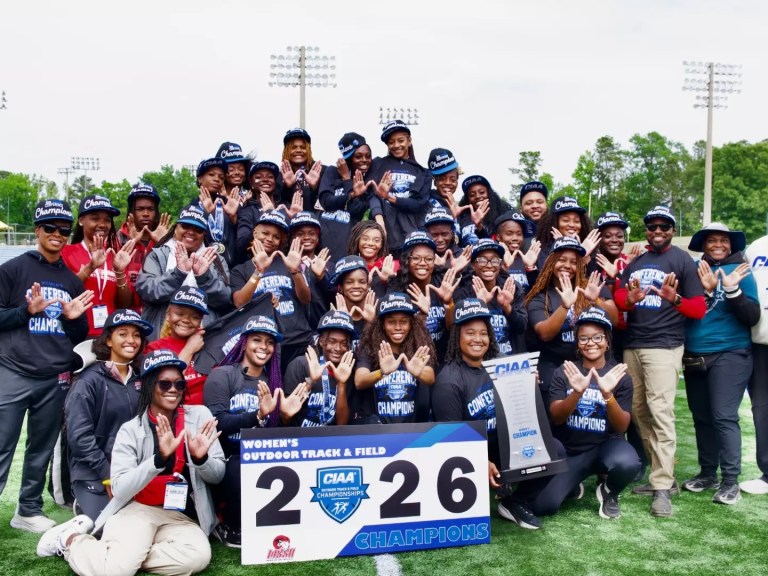
Winston-Salem State Track Wins Back-To-Back CIAA Title

DSC 1462

Winston-Salem State track is back on top of the CIAA after the Rams captured their second straight women’s outdoor track and field championship. Winston-Salem State University scored 130 points at the 2026 CIAA Outdoor Track and Field Championship, holding off Claflin University and Fayetteville State University in a tight team race at Rogers Stadium on the campus of Virginia State University. The win gave the Rams another major moment in a strong athletic year and added to the program’s growing championship history.

Winston-Salem State Track Repeats As CIAA Champions

The 2026 CIAA Outdoor Track and Field Championship ended with Winston-Salem State proving once again that its women’s track and field program belongs at the top of the conference. The Rams finished with 130 points, while Claflin placed second with 125 points and Fayetteville State finished third with 101 points, according to official TFRRS results.

The margin made every point matter. In a meet this close, championships are not won by one star alone. They are built through podium finishes, qualifiers, field-event points, relay execution, and athletes who grab fifth, sixth, seventh, and eighth-place points when the team needs them most. That depth helped Winston-Salem State separate itself from a strong field of CIAA programs.

The repeat also gives the Rams their fifth CIAA outdoor championship in program history. Winston-Salem State previously won outdoor titles in 2017, 2019, 2022 as co-champions, 2025, and now 2026. That run shows the program has moved beyond a single strong season and into a true championship window.

Rams Used Depth To Win A Close Meet

Winston-Salem State entered the final day in second place after Fayetteville State led the opening day of competition. The Rams had 56 points after day one, trailing Fayetteville State’s 59.26. But they stayed close enough to make a move on day two.

That move came through balance. Winston-Salem State collected points across sprints, hurdles, distance, jumps, throws, and relays. The Rams finished the championship with eight podium finishes, giving head coach Antonio Wells the kind of team performance needed to repeat.

Wells was named Women’s Coach of the Year after leading Winston-Salem State to back-to-back CIAA outdoor titles. That honor reflected not only the final score, but also how the Rams handled pressure. Repeating is never easy. Every team knows who the defending champion is, and every point becomes harder to earn when the target is on your back.

For Winston-Salem State, the championship was not about sneaking up on anyone. It was about defending the standard the program set last season.

Rainn Sheppard Helped Lead The Charge

Rainn Sheppard delivered one of the biggest individual performances of the meet for Winston-Salem State. On day one, she won the 1500 meters with a season-best and school-record time of 4:31.94. That performance gave the Rams an early lift and showed that Sheppard was ready for a championship-stage weekend.

Sheppard kept producing on day two, winning the 800 meters with a time of 2:09.75. Those two victories gave Winston-Salem State critical points in the distance events and helped keep the Rams in position as the team race tightened.

Her performance mattered beyond the points. School records at championship meets create momentum. They also remind the rest of the field that the team is not just trying to survive the meet. It is pushing the standard higher while chasing a title.

For a program defending its crown, Sheppard’s weekend gave Winston-Salem State a major spark.

Long Jump And Hurdles Added Key Points

The Rams also made a major statement in the long jump. Lanyjah Gunter won the event with a mark of 5.93 meters, while Charnessa Reid finished second with the same mark. That one-two finish gave Winston-Salem State a huge boost in the field events and showed the depth that made the difference across the meet.

Reid also added points in the hurdles and high jump. She finished second in the 100-meter hurdles with a time of 14.09 and placed fourth in the high jump. Layla Simpson added more value with a sixth-place finish in the 100-meter hurdles and a seventh-place finish in the triple jump.

Those performances are the kind that win conference championships. They may not all become viral moments, but they stack points. In track and field, that is the formula. One athlete wins an event. Another finishes second. Someone else grabs sixth. Together, those results build a championship total.

Sprints And Relays Kept The Rams In Control

Winston-Salem State also got important sprint points from Asheika Smith, Olivia Cosby, Leigh Wills, and Brianna Benloss. Smith finished third in the 400 meters with a time of 55.77. Cosby followed in fourth, while Wills added another point-scoring finish in eighth.

Benloss placed third in the 100 meters with a time of 11.97 and later finished fifth in the 200 meters with a season-best time of 24.81. In a championship meet where Claflin was close behind, those sprint points mattered.

The Rams also earned a second-place finish in the 4×400 relay. The quartet of Cosby, Sheppard, Jaynissa Cauthen, and Smith crossed in 3:47.07, giving Winston-Salem State another key podium result.

Cauthen added another major individual finish in the 400-meter hurdles, taking second with a time of 1:02.31. That result helped the Rams keep pressure on the rest of the field late in the meet.

Field Events Helped Seal The Championship

Winston-Salem State’s throws group also contributed to the title push. Leila Henderson finished second in the discus with a mark of 43.40 meters. Kaylee Thomas added a seventh-place finish in the same event, helping the Rams gain points outside of the running events.

Henderson also scored in the shot put, finishing eighth with a mark of 12.21 meters. Maeghan Wallace added an eighth-place finish in the javelin. Those results show how complete the Rams were across the championship.

Track fans often focus on sprints and relays, but conference titles are won everywhere. The Rams needed points from throws, jumps, hurdles, mid-distance, and relays. They got them.

That balance is why Winston-Salem State was able to hold off Claflin, which stayed close throughout the meet. It also explains why the Rams have become so difficult to beat in the CIAA.

A Bigger Moment For HBCU Women’s Track

The Winston-Salem State track title is also a strong moment for HBCU athletics. Women’s track and field programs across the CIAA continue to produce elite athletes, strong team races, and championship moments that deserve more visibility.

HBCU track often does not get the same attention as football or basketball, but the level of competition is real. Athletes train through long indoor and outdoor seasons, balancing academics, travel, injuries, and pressure while representing their schools. Championship weekends are the reward for that work.

For Winston-Salem State, this repeat title adds another chapter to the university’s athletic tradition. The Rams have built a program that can win in multiple ways. They can score in the sprints. They can win distance races. They can dominate jumps. They can get points from throws and relays. That kind of full-team strength is hard to create and even harder to maintain.

Winston-Salem State Keeps Building A Standard

Back-to-back championships create a new expectation. Winston-Salem State is no longer just chasing the top of the CIAA. The Rams are defending it.

That is the real story behind the 2026 championship. The Rams did not need a perfect meet to win. They needed a complete meet. They needed athletes to answer in every event group. They needed leadership from their coaching staff and competitive focus from athletes who knew the team race would come down to small margins.

They delivered.

Winston-Salem State track now leaves Petersburg with another CIAA trophy, another Coach of the Year honor for Wells, and another reminder that the Rams’ women’s outdoor program is one of the conference’s strongest. After winning in 2025 and repeating in 2026, the question is no longer whether Winston-Salem State can reach the top. The question is how long the Rams can stay there.
FAMU Drum Major Brand Deal Makes History

1024x768 DupeWow

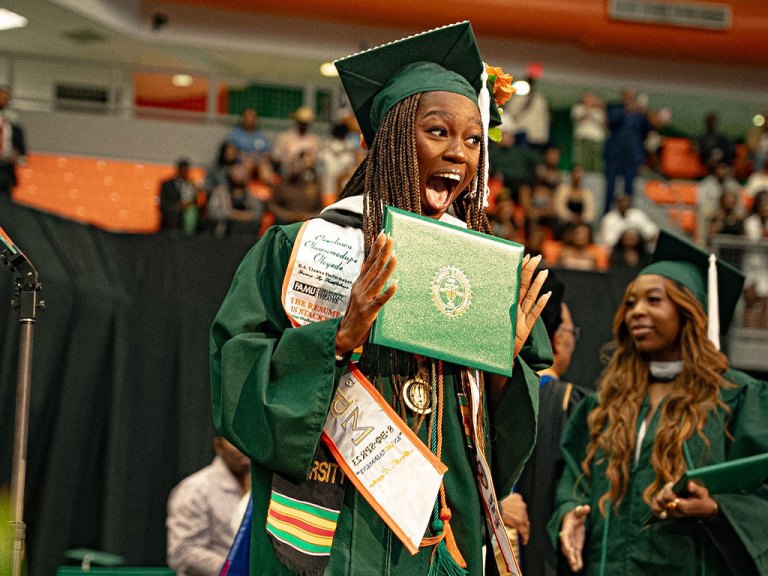
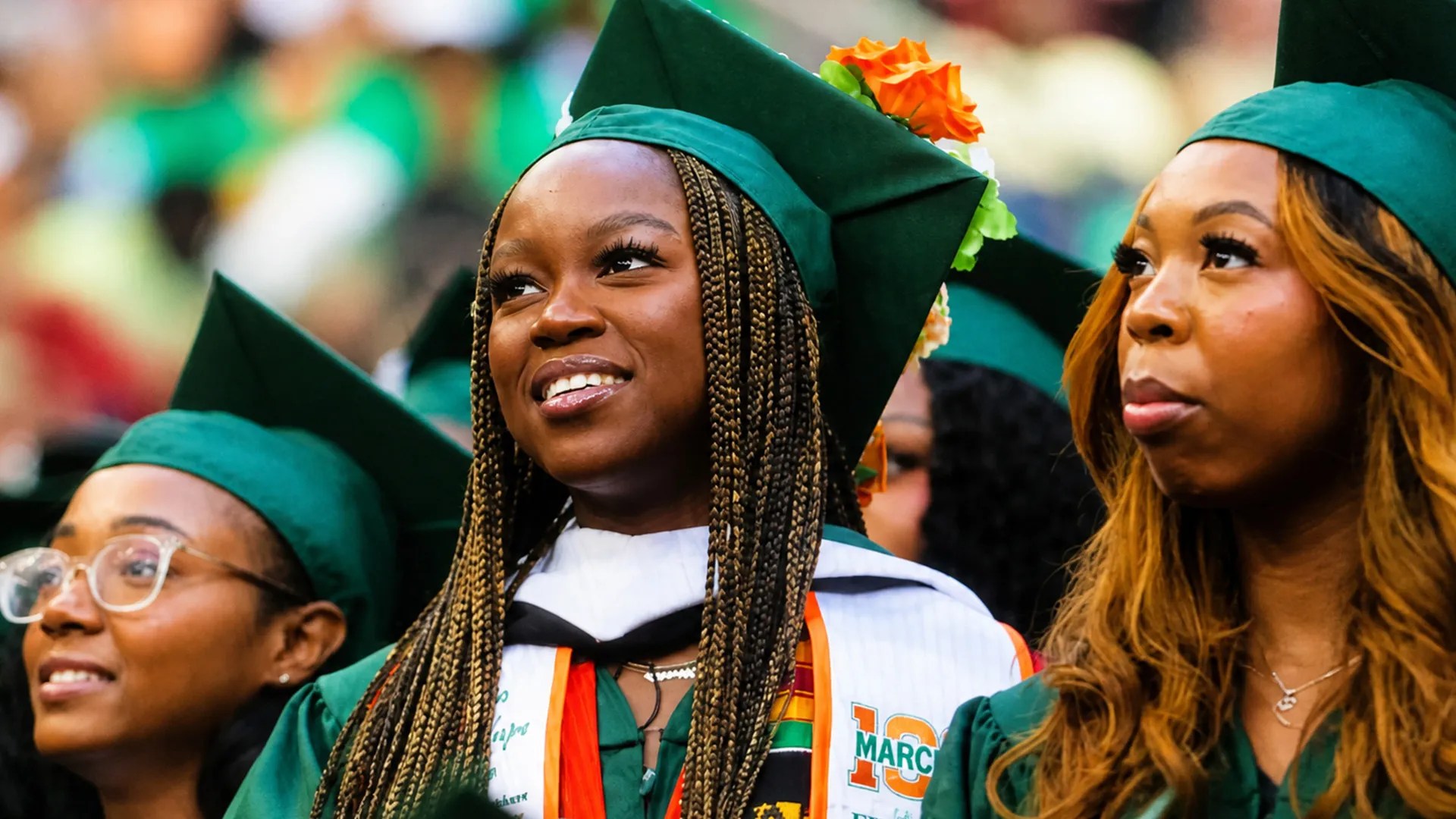
The FAMU drum major brand deal announced during Florida A&M University’s Spring 2026 commencement gave one of the school’s most visible student leaders another major milestone. Oluwamodupe “Dupe” Oloyede, the first woman to serve as head drum major of FAMU’s legendary Marching “100,” has secured her first brand endorsement deal with Head & Shoulders. The announcement came from keynote speaker Omar Goff, a FAMU alumnus and commercial leader for Head & Shoulders North America, during the university’s May 2 graduation ceremony in Tallahassee.

FAMU Drum Major Brand Deal Announced At Graduation

The FAMU drum major brand deal was revealed in front of graduates, families, faculty, alumni, and university leaders inside the Alfred Lawson Multipurpose Center. Goff used part of his commencement address to celebrate Oloyede directly, telling the audience that they would soon see her represent Head & Shoulders in her first brand deal.

The moment fit the larger theme of his message. Goff, a Spring 2004 summa cum laude graduate of FAMU’s School of Business and Industry, returned to campus with a charge for graduates to move with purpose and make their presence count. His speech also included a personal $100,000 commitment to create a “Possibility in Action” endowment for SBI, with additional matching commitments from Mielle founders Melvin and Monique Rodriguez and TIAA President and CEO Thasunda Brown Duckett.

For Oloyede, the brand deal adds another chapter to a senior year that has already carried national attention. It also shows how HBCU student leaders are building influence beyond campus spaces, especially when their work connects culture, performance, discipline, and visibility.

Dupe FAMU Marching 100 Head And Shoulders

Dupe Oloyede Made Marching “100” History

Oloyede made history in 2025 when she became the first female head drum major in the 79-year history of FAMU’s Marching “100.” The role placed her at the front of one of the most respected band programs in the country and made her a symbol of both tradition and change.

As head drum major, she did more than lead performances. She became a face of FAMU culture during a season when the Marching “100” continued to show up across major platforms. Her style, control, presence, and ability to command attention helped turn band moments into viral moments.

https://www.instagram.com/reels/DVsBZ4-Esrh

That matters because HBCU marching bands are not just entertainment. They are cultural institutions. They carry sound, movement, history, school pride, and Black performance traditions that have shaped generations of students and alumni. Oloyede’s rise shows how those traditions can still create new lanes for student visibility.

For the broader FAMU community, her endorsement deal is not just about one student landing a partnership. It is about seeing a student leader from the Highest of Seven Hills recognized by a national brand for the excellence she has built in real time.

A Senior Year Filled With Major Moments

Before the Head & Shoulders announcement, Oloyede’s name was already reaching audiences far beyond Tallahassee. FAMU highlighted her appearance at the 98th Academy Awards, where she joined the musical performance connected to the film “Sinners.” The performance brought together artists and performers including Miles Caton, Raphael Saadiq, Shaboozey, Misty Copeland, and other major names.

Oloyede described the Oscars opportunity as something she could hardly believe at first. She said performing on that stage was a once-in-a-lifetime opportunity and an affirmation that she was walking in the right direction.

That appearance followed a stretch of other high-profile moments. The Marching “100” appeared in a Lionsgate promotion for the upcoming Michael Jackson biopic “Michael.” The band also appeared in an NBA on Prime campaign tied to the theme song “Victory,” which was written in part by FAMU alum and Grammy Award-winning artist Common. Oloyede lent her voice to the opening narration.

Those moments helped build her profile before graduation. They also showed how one student’s talent can move through multiple worlds at once, from halftime fields to film promotions, sports campaigns, and one of entertainment’s biggest stages.

Why The Head & Shoulders Deal Matters

The FAMU drum major brand deal stands out because it connects HBCU band culture with a national consumer brand. While college athletes have become a major part of the name, image, and likeness conversation, Oloyede’s moment shows that student influence is not limited to sports.

Band members, student creators, campus leaders, dancers, artists, and cultural figures can also carry real marketing power. At HBCUs, that influence often comes from authenticity. Students are not just performing for attention. They are representing institutions, communities, families, and traditions.

Head & Shoulders is also a natural fit for a story that centers performance, presentation, and confidence. The full financial terms and scope of Oloyede’s endorsement have not been publicly released, but the announcement itself is significant. It places an HBCU band leader in a commercial space that has often overlooked students outside major athletics.

That is the bigger conversation. HBCU students have long driven culture, but brand investment has not always matched that impact. Oloyede’s deal shows what can happen when corporate leaders understand the value of HBCU visibility and move with intention.

Omar Goff’s FAMU Connection Adds Weight

Goff’s role in the announcement gives the moment more meaning. He is not an outsider using the ceremony for a brand moment. He is a FAMU graduate who returned to campus with a message about action, excellence, and opening doors.

FAMU’s commencement recap noted that Goff now serves as the end-to-end commercial leader for Head & Shoulders North America after previously serving as president of Mielle under Procter & Gamble. His career has placed him at the center of major beauty and personal care brands, including work focused on culturally relevant campaigns.

That background matters because Oloyede’s deal did not happen in a vacuum. It came through a leader who understands both corporate branding and the power of HBCU culture. During his address, Goff told graduates that he saw “future firsts” in the room. Oloyede’s announcement became a living example of that message.

Oloyede’s story is also a reminder that HBCU band culture deserves more national attention and investment. The Marching “100” has long been recognized as one of the most iconic college bands in the country. Its influence can be seen in music, sports, film, fashion, and live entertainment.

Yet student band leaders are not always treated like the cultural stars they are. Oloyede’s rise challenges that. She has taken the precision and pride of HBCU band life and carried it into spaces that many students dream about.

Her story also matters for young women watching. Becoming the first female head drum major at FAMU was already historic. Landing a national brand endorsement after that makes the moment even more powerful. It tells students that breaking barriers can lead to new doors, especially when talent meets preparation.

What Comes Next For Dupe

Oloyede walked across the graduation stage with more than a degree. She left FAMU with history behind her, a brand deal ahead of her, and a growing public profile shaped by hard work and performance.

Her next steps will be watched closely by many in the HBCU community. Whether she continues in entertainment, performance, brand partnerships, theater, media, or another creative lane, she has already shown the power of using every opportunity well.

The FAMU drum major brand deal is more than a viral graduation moment. It is a sign of where HBCU student influence is going. The culture has always been powerful. Now, more brands are starting to recognize the students who carry it.

Chris Paul Morehouse Commencement Speech Set For 2026

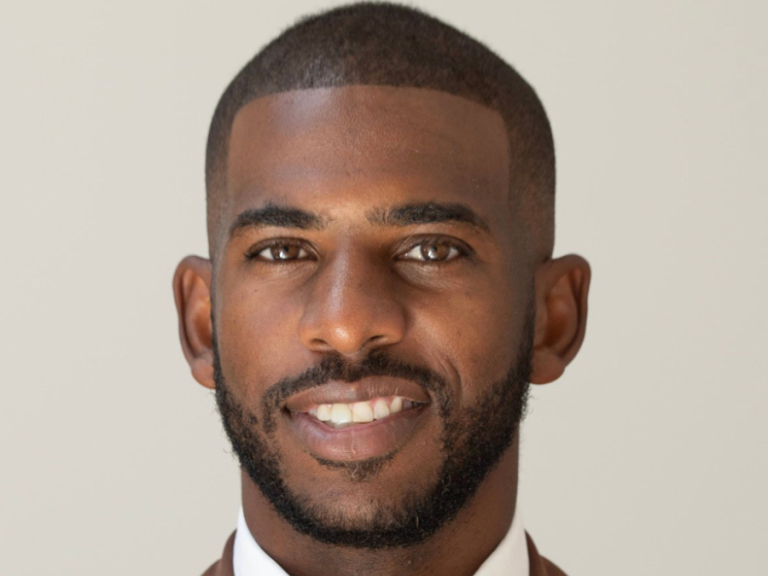
Chris Paul

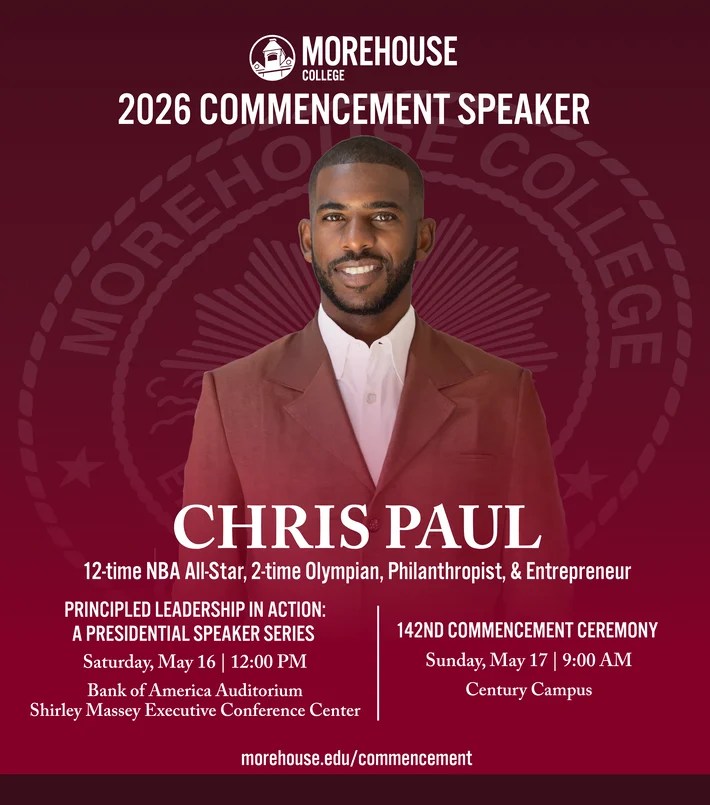
Chris Paul Morehouse commencement plans are officially set, as Morehouse College prepares to welcome the NBA All-Star, Olympian, philanthropist, entrepreneur, and HBCU graduate as the keynote speaker for its 142nd Commencement exercises. The ceremony will take place Sunday, May 17, 2026, at 9 a.m. on the college’s Century Campus in Atlanta, where Paul will also receive an honorary doctorate of humane letters.

Chris Paul Morehouse Commencement Moment Brings HBCU Ties Full Circle

The announcement gives Morehouse’s Class of 2026 a commencement speaker whose story connects sports, leadership, business, philanthropy, and HBCU pride. Paul is widely known as one of the greatest point guards in basketball history, but his work away from the court has also made him one of the most visible supporters of historically Black colleges and universities.

Morehouse announced Paul as part of a commencement celebration that will also honor Chris Womack, chairman, president, and CEO of Southern Company, and the Rev. Dr. Lawrence Edward Carter Sr., the retiring founding dean of the Martin Luther King Jr. International Chapel. Together, the honorees reflect the college’s focus on service, leadership, community impact, and legacy.

For Paul, the moment is personal. He has often used his platform to support HBCUs, create more visibility for Black college athletes, and open pathways for students interested in sports, entertainment, media, and business. Now, he will stand before the graduating class of one of the most recognized HBCUs in the country and deliver a message during one of the most important days in a Morehouse student’s life.

Cm Announcement Cp3

Paul’s HBCU Connection Runs Deep

Paul attended Wake Forest University before later completing his degree at Winston-Salem State University, making him an HBCU graduate himself. That detail gives the commencement address added weight. He is not simply a celebrity speaker visiting an HBCU campus. He is someone with his own connection to the HBCU experience.

That matters because HBCU commencement speakers often carry symbolic meaning. Students are not only listening for career advice. They are listening for a charge that speaks to identity, history, responsibility, and the next step after graduation. For Morehouse Men, that message sits inside a long tradition of leadership and public service.

Paul’s career gives him plenty to draw from. He built a reputation as a floor general, a competitor, and one of the most consistent leaders in the NBA. He was named to the NBA’s 75th Anniversary Team and became the first player in league history to record 20,000 career points and 10,000 assists. He also ranks near the top of the NBA’s all-time lists in assists and steals.

Still, the Morehouse stage will likely highlight more than basketball numbers. Paul’s story is also about discipline, longevity, advocacy, and using success to build opportunities for others.

Morehouse Honors Leadership Beyond The Court

Paul’s off-court work has become a major part of his public legacy. Through the Chris Paul Family Foundation, he has supported education, youth development, leadership programs, and community-based initiatives. His foundation has also backed HBCU-focused programming, including work tied to sports, entertainment, media, and student opportunity.

Paul has also hosted the Chris Paul HBCU Classic, which gives HBCU basketball programs a larger platform and more national attention. Events like that matter because HBCU athletes often compete with less media coverage and fewer commercial opportunities than athletes at larger programs. By putting HBCU teams in front of broader audiences, Paul has helped bring more visibility to programs that deserve it.

His support also extends beyond athletics. Morehouse’s commencement page notes his connection to the accredited HBCU Business of Entertainment, Media and Sports class at North Carolina A&T State University and Southern University and A&M College. That kind of work shows a larger commitment to helping students understand the industries around sports, not just the games themselves.

A Major Stage For Morehouse’s Class Of 2026

The 142nd Morehouse College Commencement will celebrate graduates who are stepping into a world shaped by rapid change in technology, politics, business, culture, and education. For many students, commencement is both a celebration and a challenge. It marks the end of one chapter and the beginning of another that may require even more courage.

That is where Paul’s message could connect strongly. His public career has centered on preparation, poise, and leadership under pressure. Those lessons apply beyond basketball. Graduates entering corporate spaces, graduate programs, creative industries, public service, entrepreneurship, and community work will need many of the same qualities.

Morehouse’s mission has always gone beyond producing graduates. The college has built a reputation for developing leaders who are expected to serve. That legacy includes civil rights leaders, elected officials, scholars, artists, business executives, and cultural figures who have shaped the country in different ways.

Paul’s presence adds another layer to that tradition. He represents a modern kind of leader who moves across sports, business, media, philanthropy, and social impact.

Honorary Degree Adds To The Moment

Paul will receive an honorary doctorate of humane letters during the ceremony. The honor recognizes his influence beyond professional basketball and places him among a group of leaders being celebrated for public service and impact.

Womack, one of the few Black CEOs leading a Fortune 500 company, will also receive an honorary degree. Carter will be honored after decades of service to Morehouse and the Martin Luther King Jr. International Chapel. Their recognition gives the ceremony a broader theme: leadership can show up in business, faith, community, education, and culture.

For Paul, the honorary degree also deepens his relationship with HBCU life. He already holds a degree from Winston-Salem State University, and now Morehouse will honor his larger body of work. That sends a powerful message to students about what it means to use achievement as a platform for service.

Why This Matters For The HBCU Community

The Chris Paul Morehouse commencement announcement is bigger than one graduation speech. It reflects the growing connection between HBCUs and high-profile leaders who want to invest in Black institutions in meaningful ways.

HBCUs have always produced excellence, but national recognition has not always matched that impact. When figures like Paul continue to support HBCU programs, speak on HBCU campuses, and create opportunities for students, it helps push the conversation forward.

For the broader HBCU community, this moment also reinforces the importance of representation. Students deserve to see leaders who understand their culture, respect their institutions, and recognize the value of their education.

Morehouse’s Class of 2026 will hear from someone who has competed at the highest level, led in some of the biggest moments in sports, and still made room to give back. That kind of message fits the moment.

As Paul prepares to address the graduating class, the focus will not only be on what he has done. It will be on what Morehouse graduates are now called to do. The ceremony will honor achievement, but it will also send graduates forward with a reminder that success carries responsibility.

Chicago HBCU Baseball Classic Makes History At Wrigley Field

Baseball

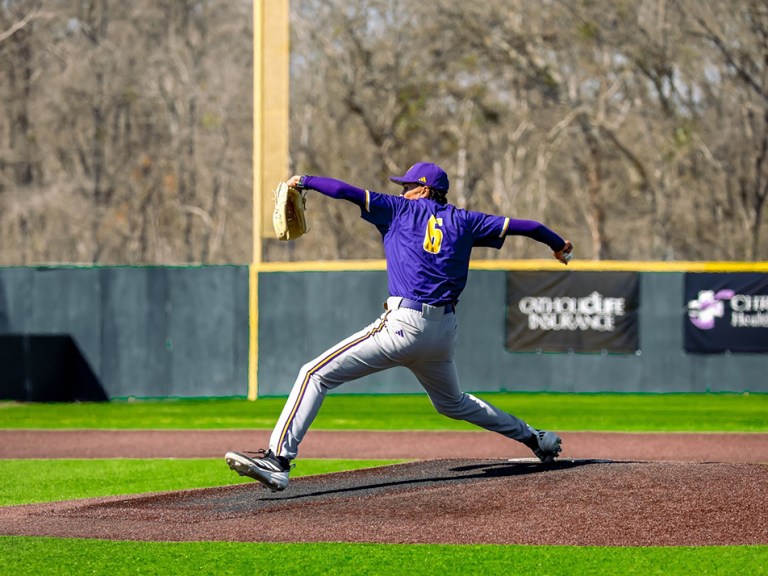
The Chicago HBCU Baseball Classic gave HBCU baseball a historic stage on Saturday night as Alabama A&M University defeated Prairie View A&M University 10-7 at Wrigley Field. The matchup marked the first time two historically Black colleges and universities competed in a baseball game at the iconic home of the Chicago Cubs, turning one of Major League Baseball’s most recognizable ballparks into a celebration of HBCU athletics, Black baseball history, and community pride.

Chicago HBCU Baseball Classic Brings HBCU Baseball To Wrigley Field

The Chicago HBCU Baseball Classic took place Saturday, May 2, following the Cubs’ regular home game earlier in the day. Once Alabama A&M and Prairie View A&M took the field, the night became much bigger than a final score. It became a cultural moment for HBCU fans, alumni, students, and supporters in Chicago.

Wrigley Field has hosted generations of baseball history, but Saturday’s matchup added a new chapter. The ballpark, known for its ivy-covered outfield walls and deep connection to the sport, welcomed two SWAC programs for a game that blended competition with tradition. Fans saw HBCU baseball on a national stage in a city with its own long Black baseball legacy.

That history made the moment even more meaningful. The event was organized as a way to place HBCU baseball in front of new audiences while giving Chicago’s HBCU community a major gathering point. From alumni pride to Divine Nine representation, the night felt like more than a neutral-site game. It had the energy of a classic.

Alabama A&M Wins Historic Matchup

On the field, Alabama A&M came out strong and built enough early offense to hold off a late Prairie View rally. The Bulldogs scored in each of the first four innings and added four more runs in the sixth to create separation.

Zak Rice led Alabama A&M’s offense, going 3-for-4 with four RBIs. Miles Jackson also had a strong night, finishing 3-for-6 with three runs scored. Their production helped Alabama A&M take control after Prairie View answered early.

The game was tied 2-2 after two innings. Alabama A&M moved ahead in the third, then added two runs in the fourth and four in the sixth. By that point, the Bulldogs had a 10-2 lead.

Prairie View did not go away quietly. The Panthers scored three runs in the bottom of the sixth, added another run in the eighth, and pushed across one more in the ninth before Alabama A&M closed out the 10-7 win.

Anthony Mateo earned the win for Alabama A&M. He settled in after allowing two early runs and gave the Bulldogs seven innings on the mound. Prairie View’s lineup also showed fight, with all nine starters reaching base safely.

Prairie View A&M Makes Late Push

Even in the loss, Prairie View A&M gave its fans something to cheer about. The Panthers showed resilience after falling behind by eight runs and made the game competitive late.

DeShon Middleton led the Panthers offensively, going 2-for-3 with a triple, a walk, and an RBI. Basilio Williams added two RBIs, and John Lawson drove in two runs during Prairie View’s three-run sixth inning.

https://www.instagram.com/reels/DX2y7Dth7eg

That late push mattered because it gave the historic game real drama. Prairie View could have let the game slip away after Alabama A&M’s big sixth inning, but the Panthers kept fighting. Their final three innings showed the kind of energy that makes neutral-site games feel alive.

The matchup also gave both programs a chance to represent HBCU baseball in front of a broader audience. For players from both schools, stepping onto Wrigley Field was a rare moment. Many college athletes never get to play in a major league stadium, much less one with the history and visibility of Wrigley.

A Classic With Culture Around The Game

The inaugural matchup was designed to mirror the cultural feel of HBCU football classics while giving baseball its own moment. Organizers planned the event around more than nine innings. The Classic included community-centered programming, youth baseball clinics, educational events, marching band energy, and fan activations.

That approach made sense. HBCU classics have always been about more than the scoreboard. They bring together alumni, students, families, Greek organizations, vendors, local leaders, and fans who may come for the game but stay for the culture.

Saturday night carried that same spirit. According to ABC7 Chicago, Chicago Mayor Brandon Johnson threw out the first pitch before the National Anthem. The outlet also reported that HBCU alumni and Divine Nine members were present throughout the evening, adding to the pride inside the ballpark.

That kind of atmosphere matters for HBCU sports. It shows that baseball can be part of the same cultural engine that powers football classics, basketball tournaments, and homecoming weekends. The right setting can turn a game into a full community event.

Why This Moment Matters For Black Baseball

The Chicago HBCU Baseball Classic also arrived at a time when conversations about Black participation in baseball remain important. HBCUs have long played a role in developing athletes, coaches, leaders, and sports professionals, but HBCU baseball does not always receive the spotlight it deserves.

Events like this can help change that. They create visibility for players who may not always get national coverage. They introduce younger fans to HBCU programs. They also remind baseball audiences that Black college baseball has its own stories, traditions, and talent.

Playing at Wrigley Field added another layer to that message. Major League stadiums carry symbolic weight. When HBCU teams are invited onto those fields, it sends a message that their programs belong in prominent spaces.

For Alabama A&M and Prairie View A&M, the game was part of a larger weekend series. But the Wrigley Field matchup will likely be remembered as the signature moment because of what it represented. It was about opportunity, exposure, and history.

Chicago Shows Up For HBCU Pride

Chicago has a deep HBCU alumni presence, even though most HBCUs are located outside the Midwest. Many alumni in the city have strong ties to schools across the South and East Coast. Events like the Chicago HBCU Baseball Classic help bring that community together without requiring fans to travel hundreds of miles.

That local impact is important. It gives HBCU alumni a chance to celebrate their schools in their own city. It also introduces HBCU culture to families and students who may not have experienced it up close.

For young people in Chicago, seeing two HBCU teams play at Wrigley Field could spark new interest in both baseball and historically Black colleges. That is one of the biggest wins from the night. The game did not just honor the past. It created a future-facing moment for students who may now see HBCUs as part of their own path.

HBCU Baseball Gets A Bigger Stage

The Chicago HBCU Baseball Classic gave HBCU baseball something it needs more of: visibility. Alabama A&M earned the win, Prairie View A&M showed fight, and both programs helped make history in one of baseball’s most famous venues.

The night also proved that HBCU baseball can carry the same kind of cultural energy that fans expect from larger HBCU sporting events. With the right city, the right venue, and the right community support, baseball can become another major platform for HBCU pride.

For the broader HBCU community, this was not just a game at Wrigley Field. It was a reminder that HBCU athletics deserves premium stages, national attention, and continued investment.

Alabama A&M left Chicago with a historic win. Prairie View A&M left as part of a first-of-its-kind moment. And HBCU baseball left Wrigley Field with proof that its story can still grow in powerful new ways.

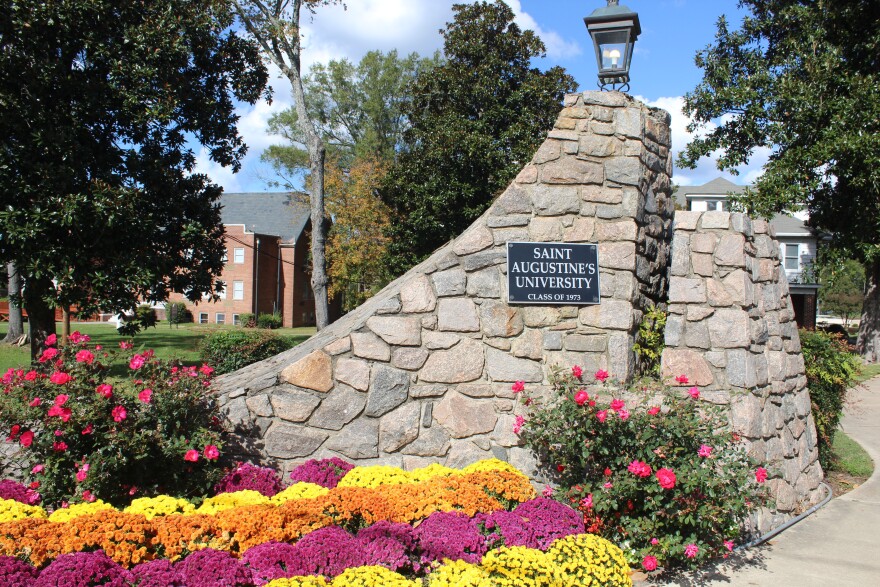
Saint Augustine’s University Bankruptcy Raises Questions

SAU Campus 1 1170x750 1

The Saint Augustine’s University bankruptcy filing has placed one of the nation’s oldest HBCUs at the center of a difficult conversation about money, accreditation, student support, and the future of historic Black institutions. The Raleigh, North Carolina university announced that its Board of Trustees approved a Chapter 11 bankruptcy filing as part of a larger effort to reorganize its finances and create a path forward. School leaders also confirmed that Saint Augustine’s will stop its legal fight tied to accreditation, which is expected to conclude effective May 15.

Saint Augustine’s University Bankruptcy Comes During A Critical Moment

Saint Augustine’s University said the Chapter 11 filing is meant to help the school address financial challenges through a court-supervised process. Chapter 11 does not automatically mean a school is closing. It is often used by organizations that need to reorganize debts, pause certain collection actions, and attempt to rebuild under a structured plan.

For Saint Augustine’s, the move comes after years of financial stress, accreditation challenges, leadership changes, and concerns about the long-term health of the institution. The university said it will continue operating, but its immediate academic future will look very different. Instead of continuing degree programs under its current accreditation fight, the school says it will focus on teach-out agreements, non-degree certificates, apprenticeship programs, and a path toward reaccreditation.

That shift is significant. Saint Augustine’s is not just another small private college. It is a historic HBCU founded in 1867, shortly after the Civil War, with a mission rooted in educating Black students during a time when access to higher education was heavily restricted. For generations, schools like Saint Augustine’s carried both academic and cultural weight in Black communities.

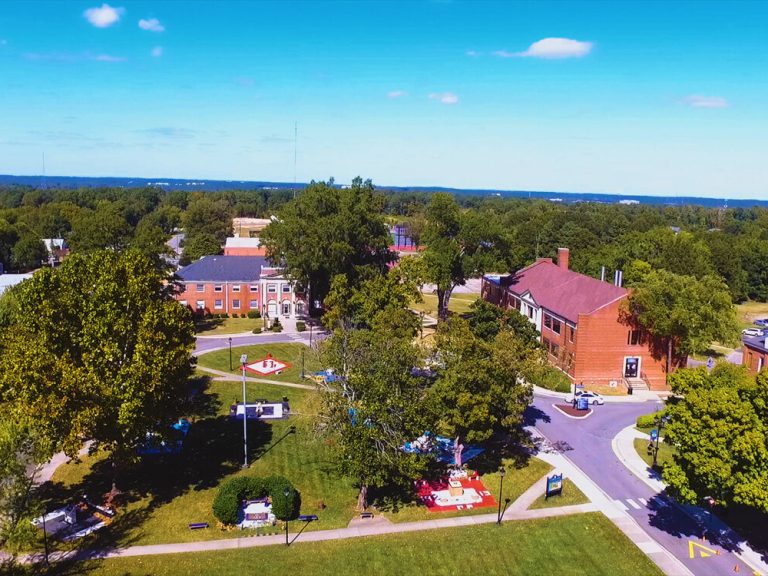
Saint Augustine’s University in Raleigh, North Carolina.

Accreditation Fight Will End In May

Saint Augustine’s had been fighting to keep its accreditation with the Southern Association of Colleges and Schools Commission on Colleges, also known as SACSCOC. The university previously used legal action to remain accredited while the process played out. That allowed current students to continue working toward degrees from an accredited institution during the 2025–26 academic year.

Now, the university says continuing that litigation would not be a wise use of its remaining resources. According to Saint Augustine’s, student work and degrees completed through May 15 will be completed under accreditation. Students who are still enrolled after that point will need to finish their degrees at another accredited institution.

That is where teach-out agreements become important. A teach-out agreement is designed to help students transfer credits, continue their studies, and finish their academic programs at another school. For students, this can help reduce confusion and protect the work they have already completed.

Still, the transition is not easy. Students choose an HBCU for more than classes. They choose a campus culture, a support system, a legacy, and a community. Losing that continuity can be painful, especially for students who expected to graduate from Saint Augustine’s.

Leadership Changes Add To The Transition

The university also announced a leadership change. Interim President Dr. Jennie Ward-Robinson has stepped down, and Dr. Verjanis A. Peoples has been appointed interim president. Peoples has previously served in academic leadership and now takes over during one of the most important periods in the school’s modern history.

Leadership stability will matter as Saint Augustine’s works through the bankruptcy process, student transitions, and any future plan for rebuilding. The university will need to communicate clearly with students, families, alumni, faculty, staff, creditors, and community partners.

For alumni and supporters, the news is difficult but not final. Saint Augustine’s leaders have said the school is not giving up on its future. The question now is what that future can realistically look like without accreditation in the near term and with a major financial restructuring underway.

Why This Matters Beyond One Campus

The Saint Augustine’s University bankruptcy story is bigger than one institution. It speaks to the pressure many small private colleges face across the country, especially those that serve students with fewer financial resources. For HBCUs, those pressures are often deeper because of historic underfunding, smaller endowments, deferred maintenance, and the challenge of competing in a higher education market that increasingly rewards scale.

Many HBCUs continue to thrive, grow enrollment, expand research, and attract major partnerships. But the struggles at Saint Augustine’s show that the sector is not immune to the financial realities hitting colleges nationwide.

The moment also raises larger questions about how historic Black colleges are supported before they reach crisis. HBCUs have produced generations of leaders, teachers, doctors, artists, scientists, entrepreneurs, and public servants. They have done that work while often operating with fewer resources than peer institutions. When one of these schools faces a crisis, the impact reaches beyond campus boundaries.

Saint Augustine’s has long been part of Raleigh’s Black educational history. Its legacy connects to the broader story of HBCUs that were built to serve Black students when many doors were closed. That legacy is why many students, alumni, and community members are watching closely.

Students Remain The Priority

The most urgent issue is student protection. Saint Augustine’s has said students who complete their studies by May 15 will have valid degrees earned while the institution was accredited. For students who need more time, the university says it will support them through teach-out agreements with other institutions.

That support must be clear, fast, and practical. Students need to know which schools will accept their credits, whether their majors will continue elsewhere, how financial aid may be affected, and what steps they must take next. Families also need direct guidance so they are not left sorting through uncertainty alone.

This is especially important because students at HBCUs often carry deep emotional ties to their institutions. A transfer caused by institutional crisis is not the same as a student choosing to leave on their own. It comes with stress, questions, and sometimes grief.

What Comes Next For Saint Augustine’s

The university says its long-term plan includes developing non-degree certificates, apprenticeship programs, and a path toward reaccreditation. That suggests Saint Augustine’s may attempt to rebuild in stages instead of immediately returning to a traditional four-year degree model.

That strategy could allow the school to keep serving students while working on financial recovery. Certificate and apprenticeship programs may also connect with workforce needs in areas like technology and nursing. But the path will be challenging. Accreditation, student trust, financial stability, and community confidence will all need to be rebuilt.

For now, Saint Augustine’s is trying to survive a major turning point. The bankruptcy filing gives the university a legal process to address its debts, but it does not solve the deeper work ahead. The school must now prove that it can protect students, stabilize operations, and create a future that honors its 157-year legacy.

The Saint Augustine’s University bankruptcy is a serious moment for the HBCU community. It is also a reminder that legacy alone cannot carry an institution without sustained investment, strong governance, and clear support. Saint Augustine’s has served Black students since Reconstruction. Now, its future depends on whether the school can turn this crisis into a real plan for survival.

HBCU Research Coalition Launches With 15 Schools

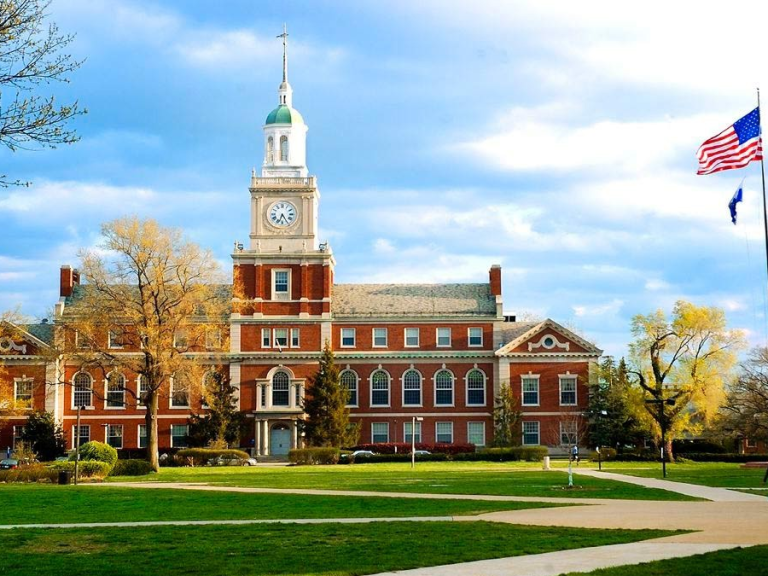
A new HBCU research coalition is bringing 15 historically Black colleges and universities together to expand research power, increase federal funding opportunities, and push more HBCUs toward the nation’s top research classification. The Association of HBCU Research Institutions, known as AHRI, officially launched with a mission to strengthen HBCU-led research in areas that affect communities across the country, including health, science, education, justice reform, agriculture, technology, and economic development.

HBCU Research Coalition Aims To Expand Black-Led Research

The launch of the Association of HBCU Research Institutions marks a major step for HBCUs that have long produced important research while receiving a smaller share of national research investment. The coalition is designed to help member institutions build stronger research infrastructure, attract more faculty talent, grow student research pathways, and compete for larger grants.

That matters because research status can shape how universities are seen, funded, and supported. Schools with stronger research classifications often have more access to major federal grants, corporate partnerships, graduate education pipelines, and national academic influence. For HBCUs, the work is also tied to representation. More HBCU-led research means more Black scholars, students, and communities helping shape the questions, solutions, and policies that affect the country.

AHRI’s launch also comes at a time when national conversations around higher education, equity, and research funding remain intense. A 2025 report from the Center for American Progress and the Thurgood Marshall College Fund found that HBCUs received only 0.91 percent of federal research and development expenditures in fiscal year 2023, even though they made up 3.2 percent of all four-year degree-granting colleges and universities.

Fifteen HBCUs Are Part Of The Coalition

The founding members include Morgan State University, Clark Atlanta University, Delaware State University, Florida A&M University, Hampton University, Jackson State University, North Carolina A&T State University, Prairie View A&M University, South Carolina State University, Southern University, Tennessee State University, Texas Southern University, Virginia State University, the University of Maryland Eastern Shore, and Howard University.

Howard University currently holds R1 status and remains the only HBCU with that top research designation. Many of the other schools in the coalition already hold R2 classification, which recognizes high research activity. Through AHRI, the goal is to create a stronger pathway for more HBCUs to move from R2 to R1 while also increasing the national visibility of research already happening on HBCU campuses.

The coalition’s member institutions collectively account for 50 percent of competitively awarded federal research funding among HBCUs. That gives AHRI a strong foundation to build from, especially as schools work together instead of competing in isolation.

Morgan State President To Chair AHRI Board

Morgan State University President David K. Wilson will serve as AHRI’s inaugural board chair. Prairie View A&M University President Tomikia P. LeGrande will serve as board vice chair, while Howard University Interim President Wayne A. I. Frederick will serve as AHRI interim president.

That leadership structure places several major HBCU research voices at the center of the new organization. Morgan State has continued to grow its research profile in recent years, while Prairie View A&M and Howard bring major institutional experience to the effort.

AHRI will also work in partnership with the Association of American Universities. The coalition’s offices will be co-located with AAU, giving HBCU research leaders closer proximity to one of the most influential groups in American higher education.

Harvard Grant Will Support Research Infrastructure

The launch is being supported by a three-year, $1.05 million grant from the Harvard & the Legacy of Slavery Initiative. Harvard’s Office of the Vice Provost for Research will also provide technical support to help AHRI member schools strengthen research administration, compliance systems, grant processes, and infrastructure.

That support is important because reaching R1 status is not only about having strong faculty or major ideas. Universities also need the systems to manage grants, track compliance, support labs, recruit researchers, and help students move into research careers. For many HBCUs, those systems have often been built with fewer resources than peer institutions.

This partnership is meant to help address some of those long-standing gaps while giving HBCU research leaders more tools to compete at scale.

Why R1 Status Matters For HBCUs

R1 is the highest research classification in the Carnegie system. It signals that a university has very high research activity and a strong doctoral research enterprise. For HBCUs, reaching that level can bring more than prestige. It can open doors to larger grants, stronger partnerships, expanded graduate programs, and new opportunities for students.

Research also creates economic power. It can lead to patents, startups, public policy changes, medical advances, technology development, and workforce growth. When HBCUs gain more research capacity, surrounding communities can benefit as well.

That is especially true for schools that serve as anchor institutions in Black communities. HBCUs often study issues that are overlooked elsewhere, including health disparities, environmental justice, food insecurity, education gaps, criminal justice reform, and economic mobility. More funding for HBCU research means more support for solutions rooted in the lived experiences of the communities most affected.

A Bigger Moment For HBCU Innovation

The new HBCU research coalition also challenges outdated views about what HBCUs are and what they can lead. HBCUs are often celebrated for culture, student life, athletics, and alumni pride. Those parts of the story matter, but they are not the full story.

HBCUs are also producing scientists, engineers, doctors, policy experts, entrepreneurs, and researchers whose work can shape the future. AHRI gives those institutions a more unified platform to tell that story, secure resources, and build long-term research strength.

The coalition also creates a clearer message for government agencies, corporations, and philanthropic partners: investing in HBCU research is not charity. It is an investment in national innovation, workforce development, and problem-solving.

For students, the impact could be even more direct. Stronger research infrastructure can mean more lab opportunities, paid research roles, graduate school preparation, mentorship, conference travel, and career pathways in high-demand fields. That can help HBCU students enter industries where Black talent remains underrepresented.

What Comes Next For AHRI

AHRI’s launch included its inaugural research symposium, “Expanding the Research Mission of HBCUs,” which brought together higher education leaders, policymakers, and industry partners to discuss how to grow HBCU research capacity.

The next phase will likely focus on turning the coalition’s mission into measurable outcomes. That includes more grant applications, deeper partnerships, stronger research administration, expanded student opportunities, and long-term movement toward more R1 designations.

For the broader HBCU community, this is one of the most important higher education developments of the year. It shows that HBCUs are not waiting to be invited into the national research conversation. They are building their own table, bringing their own institutions together, and making a clear case for why Black-led research must be central to the future of American innovation.

MoveLink Baltimore Builds Community Through Movement

DSC 4096

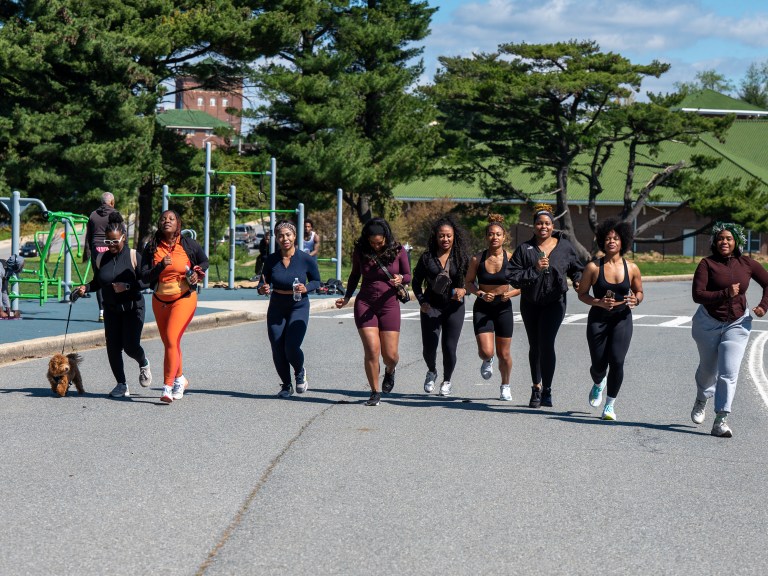
MoveLink Baltimore is creating a new space for people who want to move, connect, and feel part of something real. The Baltimore-based community wellness group officially launched on April 11 with a simple mission: bring people together through walking, jogging, running, and shared experiences that support both physical and social wellness.

MoveLink Baltimore Creates Space For Connection

In a world where many people feel busy, disconnected, or unsure where they belong, MoveLink Baltimore wants to make community feel easier to find. The group is not built only for serious runners or people with strict fitness goals. It is designed for anyone who wants to show up, move at their own pace, and connect with others in a positive environment.

The idea behind MoveLink Baltimore is simple. Movement can be a bridge. A walk can turn into a conversation. A jog can turn into accountability. A weekend meetup can become a place where people feel seen, encouraged, and welcomed. That is the heart of the platform.

MoveLink meets every second and fourth weekend, on both Saturday and Sunday, at 10:00 AM at Lake Montebello in Baltimore, Maryland. Participants can walk, jog, or run based on their comfort level. That open format helps make the group accessible to people across different fitness levels, ages, and backgrounds.

Founded By A Team Focused On Wellness And Community

MoveLink Baltimore was founded by Mikkyo, Kalah, Shaina, and Charissa, a team with a shared passion for wellness, culture, and connection. Each founder brings a different lens to the work. Mikkyo is an educator and health enthusiast. Kalah is an engineer and HBCU alumnae. Shaina serves as a legacy curator. Charissa is a health and wellness enthusiast.

That mix of backgrounds helps shape MoveLink into more than a fitness group. It gives the platform a community-first feel, with a strong focus on belonging. The founders created MoveLink because they saw a need for a consistent space where people could build healthy habits and relationships at the same time.

Mikkyo said the idea came from a real desire to stay active while helping others feel supported.

“We started MoveLink because we genuinely enjoy being active and wanted to create something where we could not only move together, but also hold each other accountable,” Mikkyo said.

“With the stresses of everyday life, family, personal responsibilities, and everything in between, sometimes you just need a walk, jog, or run. But having that encouragement, that community, or even just someone to hit the gym with makes all the difference.”

That message speaks to a wider need. Many people want to be more active, but they struggle with consistency. Others want community, but they may not know where to start. MoveLink Baltimore brings those needs together in a way that feels natural and welcoming.

DSC 8541
kevin himple photography

More Than A Walk Or Run

MoveLink Baltimore is rooted in movement, but the founders see the work as much bigger than fitness. The group also wants to create space for people to connect beyond active experiences. That may include social events, wellness-centered gatherings, and other community-driven moments in the future.

“At the same time, we wanted a space where people could connect beyond just fitness, through both active and non-active experiences,” Mikkyo said. “It’s really about building community in every way.”

That vision gives MoveLink room to grow. Walking and running may be the starting point, but the long-term goal is to build a culture. The founders want people to see the group as a place where they can return, reset, and build connections that extend past the trail.

This type of community-centered wellness work also connects with a larger conversation happening across Black communities and HBCU culture. Wellness is not just about working out. It is also about mental health, rest, friendship, accountability, and access to safe spaces where people can belong.

For many people, especially young professionals and community builders, finding that type of space matters. MoveLink Baltimore offers a low-pressure way to show up. There is no need to be the fastest person there. There is no pressure to perform. The goal is to move, connect, and stay in motion together.

Lake Montebello Becomes A Community Meeting Point

The group gathers at Lake Montebello, a well-known outdoor space in Baltimore. The location gives participants room to walk, jog, run, and connect in a relaxed setting. For a city with deep cultural roots and strong neighborhood pride, the setting matters. It gives MoveLink a home base while keeping the experience open and approachable.

The schedule also helps build consistency. By meeting every second and fourth weekend at 10:00 AM, MoveLink gives people a recurring opportunity to plug in. That rhythm is important because community often grows through repeated presence. When people know where to go and when to show up, it becomes easier to build momentum.

MoveLink Baltimore also uses its digital presence to keep people connected between meetups. The group shares updates through Instagram, where community members can follow along, stay informed, and see the movement grow. Photos from the launch and community gatherings are also available through the group’s media gallery.

Building A Culture Of Consistency

At its core, MoveLink Baltimore wants to create a culture of consistency, connection, and community. The founders understand that wellness can feel easier when people do not have to do it alone. A simple walk can help someone clear their mind. A run with others can help someone stay motivated. A group gathering can help someone feel less isolated.

That is what makes the platform timely. People are looking for more real-life connection. They want spaces that feel genuine, not forced. They want ways to be active without feeling judged. MoveLink Baltimore is working to meet that need with energy, intention, and care.

As the group continues to grow, the goal is to bring together people from all walks of life. Whether someone is new to fitness, returning to movement, looking for community, or simply trying to spend more time outside, MoveLink gives them a place to start.

The message is clear: join the movement and stay in motion. MoveLink Baltimore is not just asking people to walk or run. It is inviting them to build something together.

John Wall Joins Howard University As Basketball Operations President

January Was Fun 2

John Wall Howard Move Adds NBA Power To The Hilltop

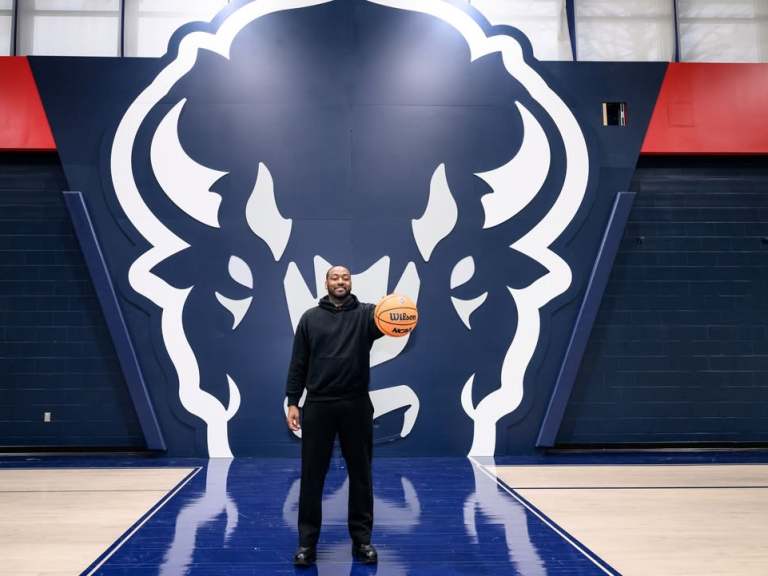
John Wall Howard is now one of the biggest stories in college basketball after the former NBA All-Star joined Howard University as president of basketball operations for the men’s basketball program. The move brings one of Washington, D.C.’s most beloved basketball figures back to the city where he became a franchise star, while giving Howard another major piece in its push to grow as a national HBCU basketball brand.

Wall, a five-time NBA All-Star and former No. 1 overall NBA Draft pick, steps into a role that connects player development, roster building, recruiting vision, NIL strategy, alumni engagement, and mentorship. For Howard, this is not just a splashy name attached to a title. It is a sign that the program wants to keep moving like a modern college basketball operation.

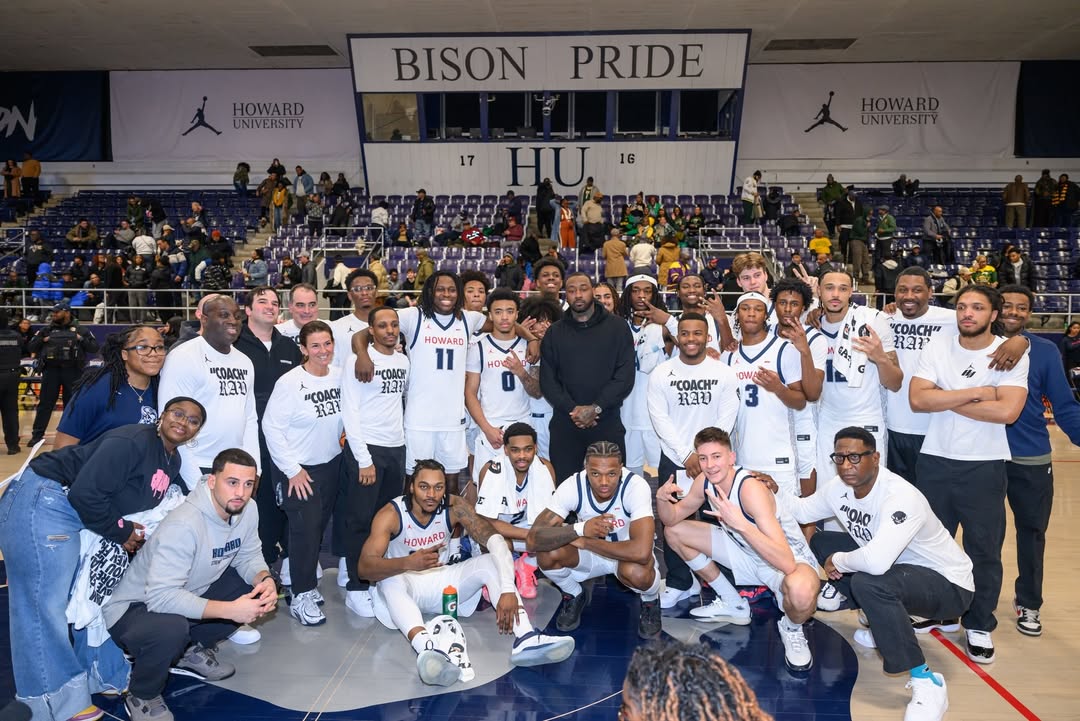
The new role places Wall alongside head coach Kenny Blakeney and general manager Daniel Marks as Howard continues to build on one of the strongest runs in recent program history. Blakeney has helped restore the Bison as one of the most visible names in HBCU basketball, and Wall’s presence gives the program another bridge to the NBA, the DMV basketball scene, and young players who grew up watching his game.

GettyImages 682475694 Scaled 1

A Familiar Face Back In Washington, D.C.

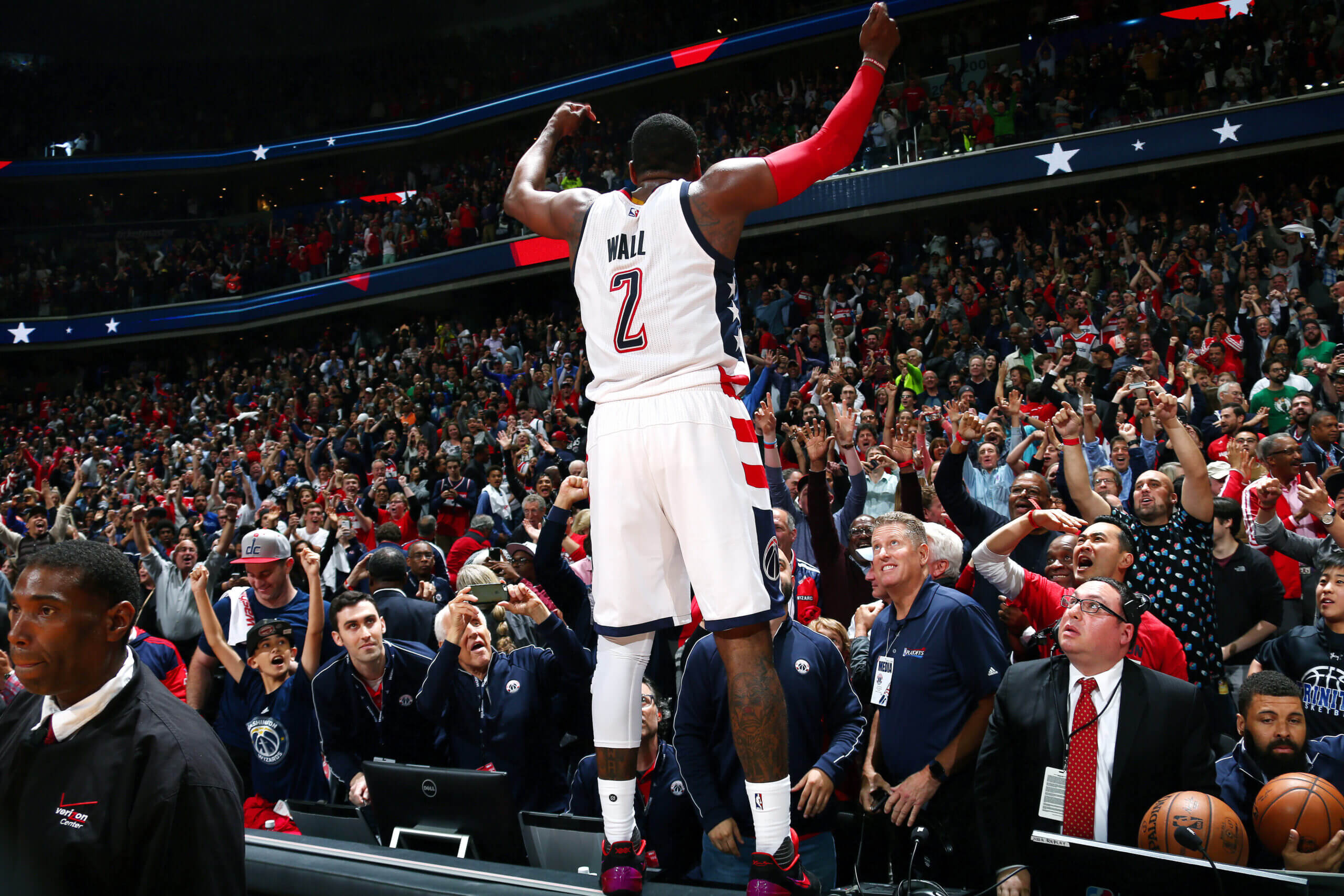
Wall’s return to the D.C. basketball space carries real weight. The Washington Wizards selected him with the first overall pick in the 2010 NBA Draft after his standout freshman season at Kentucky. He quickly became the face of the franchise and one of the most electric point guards in the league.

His speed, court vision, and competitive edge made him a fan favorite. He helped bring playoff energy back to Washington and gave the city a star who played with emotion. Wall spent most of his NBA career with the Wizards, building a deep connection with the city on and off the floor.

That connection matters now. Howard sits in the heart of Washington, D.C., and the school has always carried a national name with local roots. Wall joining the Bison gives the program someone who understands the city, understands player expectations, and understands what it takes to perform with major attention on your back.

January Was Fun

Howard Basketball Is Building From Strength

This move comes at a strong moment for Howard men’s basketball. The Bison are not trying to create momentum from scratch. They are adding to it.

Under Blakeney, Howard has built a program that has reached the NCAA Tournament multiple times in recent years. The Bison captured MEAC Tournament titles in 2023 and 2024, and the program kept pushing forward with another major postseason moment in 2026.

Howard’s recent NCAA Tournament win gave the program another history-making chapter. That kind of success changes how recruits, transfers, fans, and national media view a program. It also raises the standard inside the building.

Wall enters at a time when Howard has proof that it can win. His job now becomes helping the program keep that progress moving. That could mean helping identify players who fit the culture, giving current players a mentor who has played at the highest level, and helping Howard compete in the fast-changing college basketball market.

Why This Role Matters In Today’s College Game

College basketball looks very different than it did a decade ago. Programs now need more than good coaching and strong campus support. They need a real plan for the transfer portal, NIL, branding, alumni involvement, player development, and visibility.

That is why a president of basketball operations role makes sense. The title sounds like something from the NBA, but the work now fits the college game. Players want to know how a program can help them grow. Families want to know who has real relationships. Donors and sponsors want to know where the program is headed. Fans want to see ambition.

Wall gives Howard instant credibility in those conversations. He knows what elite guards need. He knows what NBA scouts notice. He knows the pressure that comes with being a highly watched player. He also knows how quickly a career can change, which makes his voice even more valuable for young athletes trying to build a future.

For an HBCU program, this move also sends a message. Howard is not waiting for permission to operate on a bigger stage. The Bison are using their brand, location, alumni power, and recent success to attract high-level basketball minds.

A New Kind Of HBCU Basketball Statement

Wall joining Howard also fits a larger shift across HBCU athletics. Schools are finding new ways to bring in former pros, cultural figures, business leaders, and media personalities who can help programs grow beyond the scoreboard.

This is important because HBCU programs often compete with fewer resources than larger Power Five schools. Visibility can help close part of that gap. Relationships can help. Storytelling can help. Player development can help. A name like Wall can open doors that might have been harder to reach before.

But the real test will be what happens next. Howard will need Wall’s role to have real structure and clear impact. The title alone will not win games. The work behind it will matter most.

That means consistent involvement with the staff, smart roster support, honest mentorship, and strong alignment with Blakeney’s vision. If those pieces come together, Howard could use this move as more than a headline. It could become part of the program’s next step.

What Comes Next For The Bison

Howard basketball has already shown it can compete for MEAC titles and reach the NCAA Tournament. Now the question is how far the program can go with more infrastructure around it.

Wall’s arrival gives the Bison a chance to think bigger. It gives players a direct connection to someone who has lived the journey from college star to NBA franchise leader. It gives recruits another reason to look at Howard as a serious basketball destination. It also gives the school another national storyline at a time when HBCU athletics continue to demand more attention.

For Wall, this is also a meaningful next chapter. After an NBA career filled with highlights, injuries, comebacks, and deep ties to Washington, he now gets to shape young players from a different seat. His playing days made him a star. This role gives him a chance to build, guide, and influence the next generation.

The John Wall Howard partnership could become one of the most interesting moves in college basketball if both sides turn the moment into a long-term plan. Howard already has the history. Wall brings the name, experience, and D.C. connection. Together, they could help push Bison basketball into a new era.

SCSU Commencement Speaker Controversy Sparks Student Protests

683782965 1417216563767572 1820298908572851924 N

The SCSU commencement speaker controversy is intensifying as students at South Carolina State University continue protesting a reported decision to invite South Carolina Lt. Gov. Pamela Evette as the university’s 2026 commencement speaker.

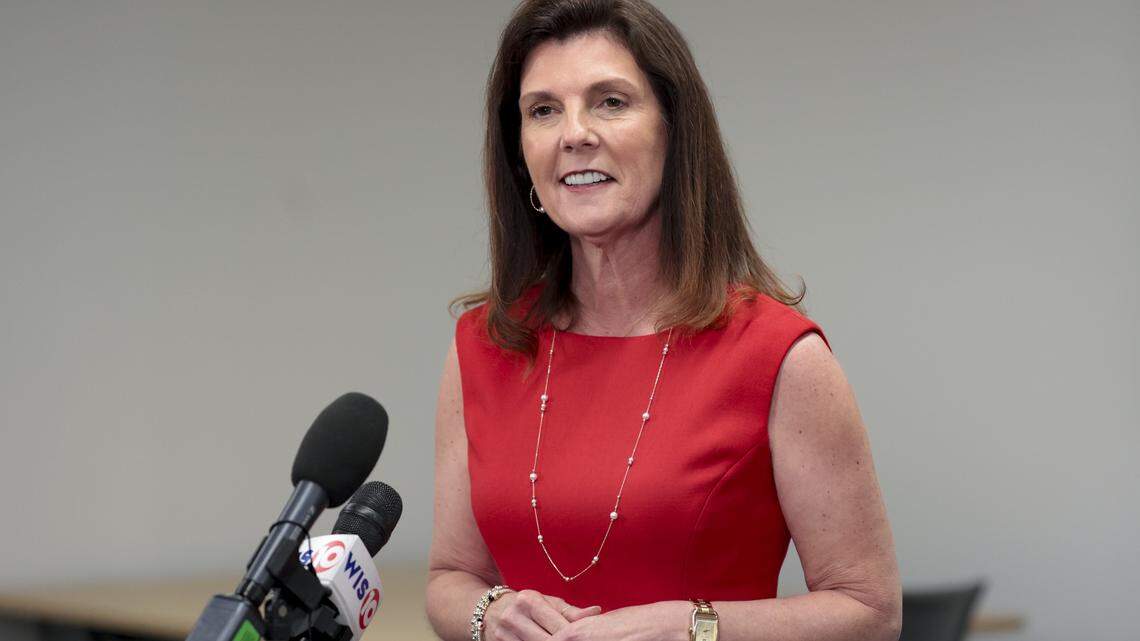
What started as campus frustration has now grown into a broader movement, with students organizing protests, launching petitions, and now releasing a joint statement in solidarity that is gaining attention across the HBCU community. As first reported when The State covered the backlash, the decision quickly sparked concern among students who say the choice does not reflect the values of the institution.

Students organize and speak out on SCSU commencement speaker controversy

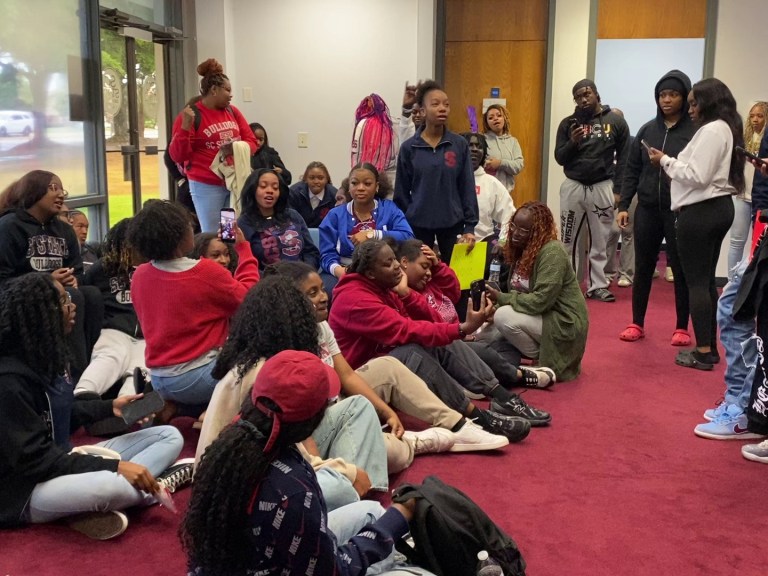
The SCSU commencement speaker controversy escalated as students began organizing sit-ins and demonstrations across campus. According to WIS News 10 coverage of the protests, students gathered to demand a change in speaker and accountability from university leadership.

At the same time, a student-led petition calling for a new speaker gained thousands of signatures, showing how quickly the issue resonated beyond campus.

For many students, commencement is not just a ceremony. It is a defining moment that should reflect their journey, their values, and the legacy of an HBCU. That belief continues to drive momentum behind the SCSU commencement speaker controversy.

Joint statement adds national attention to SCSU commencement speaker controversy

A newly released joint statement from student leaders across multiple universities has added a powerful voice to the SCSU commencement speaker controversy.

In the statement, students framed the issue as part of a larger national pattern, writing that young people across the country are asking when their voices will be treated as legitimate rather than dismissed. They questioned how many times students must organize and protest before being taken seriously.

The statement also directly addressed comments attributed to Evette, pointing to reports that she referred to protesting students as “mobs” and “radicals.” Students argue that language like this dismisses their concerns and undermines their right to peaceful protest.

The message emphasized that commencement is a sacred milestone. It should honor sacrifice, perseverance, and possibility. According to the statement, any speaker who responds to student activism with contempt does not reflect the moment or the students being celebrated.

Debate Mugs 7101 1

DEI and history at the center of SCSU commencement speaker controversy

Another major theme in the joint statement focuses on diversity, equity, and inclusion. Students described DEI not as a handout, but as a necessary correction to systemic inequities.

They highlighted how DEI initiatives have supported multiple communities, including first-generation students, veterans, and individuals who historically lacked access to opportunity. Within that context, students argue that dismantling DEI efforts undermines progress rather than preserving merit.

The statement also connected the current moment to South Carolina State University’s history. Students referenced the legacy of protest on campus, including the long history of students advocating for justice and equality.

By drawing that connection, the joint statement positions the SCSU commencement speaker controversy as part of a much larger narrative tied to civil rights, student activism, and the role of HBCUs in shaping social change.

The university has not officially confirmed any changes to the speaker lineup. However, the continued protests and growing national attention suggest the SCSU commencement speaker controversy is far from over.

Students say this moment is bigger than one speaker. It is about respect, representation, and ensuring that HBCU traditions reflect the voices of those who live them every day.

As the situation develops, the response from South Carolina State University could shape how similar controversies are handled across other HBCU campuses in the future. For now, students remain firm in their message: their voices deserve to be heard.

Shaw CIAA Women’s Tennis Championship Streak Reaches Eight

The Shaw CIAA women’s tennis championship streak is still alive, and the Lady Bears are once again standing at the top of HBCU tennis. Shaw University defeated Bluefield State University 4-2 on Saturday to win the 2026 CIAA Women’s Tennis Championship at Virginia State University in Ettrick, Virginia. The victory gave Shaw its eighth straight conference title and added another chapter to one of the strongest championship runs in HBCU athletics. In a season where the Lady Bears went unbeaten in conference play, Shaw showed once again that its program is not just winning matches. It is setting the standard for CIAA women’s tennis.

Shaw CIAA Women’s Tennis Championship Run Ends With Another Title

Shaw entered the tournament as the team everyone had to chase. The Lady Bears had already handled the regular season with control, and that same form carried into championship weekend. The program opened the tournament with a 4-0 quarterfinal win over Virginia Union University, then followed it with a 4-0 semifinal sweep of Virginia State University.

By the time Shaw reached the final, the message was clear. The Lady Bears had depth, experience, and a roster that understood what championship pressure required.

Bluefield State did not make the final by accident. The Big Blue had strong players across the lineup and reached the championship match after beating Livingstone College in the quarterfinals and Johnson C. Smith University in the semifinals. But Shaw’s championship experience showed up when the match got tight.

According to Shaw Athletics, the Lady Bears took the early lead by winning the doubles point. Serena Teluwo and Camilla Angiani-Mortino won at No. 1 doubles, while Allan Antonyan and Veronika Phillippova added a win at No. 3 doubles. The No. 2 doubles team of Halley Banda and Tanaka Garikai held a 5-0 lead when Shaw clinched the doubles point.

That fast start mattered. In a championship match, the doubles point can set the tone. Shaw grabbed it and forced Bluefield State to play from behind.

Bluefield State Pushed Back In Singles

Bluefield State made the final competitive by responding in singles play. The Big Blue earned wins at No. 3 and No. 5 singles, pulling the match even and putting pressure back on Shaw.

That was the first real test of the day for the Lady Bears. A championship program has to respond when a match stops feeling comfortable. Shaw did exactly that.

Teluwo won at No. 1 singles, defeating Ekin Ozmen 6-4, 6-1. Angiani-Mortino controlled No. 2 singles with a 6-1, 6-0 win over Sirisha Dheer. Phillippova also delivered a dominant 6-0, 6-0 result at No. 6 singles against Isabella Disibbio.

Those three singles wins sealed the championship. The remaining matches stopped once Shaw reached the deciding point.

The 4-2 final score showed that Bluefield State had the talent to challenge Shaw. It also showed why Shaw has controlled the conference for so long. When the final needed someone to close the door, Shaw had multiple players ready.

Serena Teluwo Leads The Lady Bears Again

Serena Teluwo was once again at the center of Shaw’s title run. She won at No. 1 doubles and No. 1 singles in the championship match, then earned CIAA Tournament Most Valuable Player honors for the second straight season.

That award added to a strong year for Teluwo. The CIAA named her Women’s Tennis Player of the Year after she led the Lady Bears from the top of the lineup. The conference noted that Teluwo faced each opponent’s top player and produced major wins throughout the season.

At No. 1 singles, there is no place to hide. Players at that spot face the best player on the other side almost every match. Teluwo handled that role with consistency and gave Shaw a reliable leader in the most important position.

Her presence also helped Shaw in doubles, where quick chemistry and clean execution often decide the early point. That complete impact is why her MVP honor fits the moment.

Coach Sunday Enitan Keeps Shaw’s Standard High

Shaw’s title also reflects the work of head coach Sunday Enitan. The CIAA named Enitan Women’s Tennis Coach of the Year after he led the Lady Bears to an undefeated conference season and another division championship.

That honor matters because Shaw had to manage roster turnover and still remain the team to beat. Winning one title is hard. Winning eight straight takes structure, recruiting, player development, and steady leadership.

Enitan has built Shaw into the type of program that expects to compete for championships every season. That kind of standard can be difficult to keep. Opponents study the lineup. Players graduate. New players have to adjust. Pressure grows with every title.

Yet Shaw continues to answer.

This year’s roster had multiple contributors step up across singles and doubles. Teluwo and Angiani-Mortino gave the Lady Bears elite play at the top. Phillippova helped close the final. Banda and Garikai added depth in doubles. Antonyan also played a key role in helping Shaw control the doubles point.

That full-team effort is why the Lady Bears’ streak continues.

Why This Title Matters For HBCU Women’s Sports

The Shaw CIAA women’s tennis championship story deserves attention because HBCU women’s sports often do not get the spotlight they deserve. Football and basketball usually lead the conversation, but programs like Shaw women’s tennis are building dynasties in real time.

Eight straight conference championships is a major achievement in any sport. It shows consistency, discipline, and culture. It also gives young athletes another example of excellence inside HBCU athletics.

The CIAA remains one of the most historic conferences in college sports. Founded in 1912, the conference has helped shape generations of Black college athletes, coaches, and leaders. Shaw’s current run adds to that legacy.

For Shaw, this title is another reason to celebrate a program that keeps delivering. For the CIAA, it gives the conference a women’s tennis power that raises the level for everyone else. For HBCU fans, it is a reminder that championship culture exists across every sport, not just the ones with the biggest crowds.

The Ninth Chase Starts Now

The Shaw CIAA women’s tennis championship streak now sits at eight. That number will follow the Lady Bears into next season. Every opponent will know what Shaw has done. Every match will carry the weight of a program trying to protect its standard.

That is the reality of a dynasty. The wins bring respect, but they also bring expectation.

Shaw has earned that pressure. The Lady Bears did not stumble into this streak. They built it through strong doubles play, reliable singles production, smart coaching, and a roster that knows how to finish.

The 2026 championship belongs to Shaw. The title is another trophy, another statement, and another reminder that the Lady Bears remain the team to beat in CIAA women’s tennis.

Eight straight is history. Now the chase for nine begins.

Jackson State NFL Opportunities Come After Draft Weekend

Convert 1

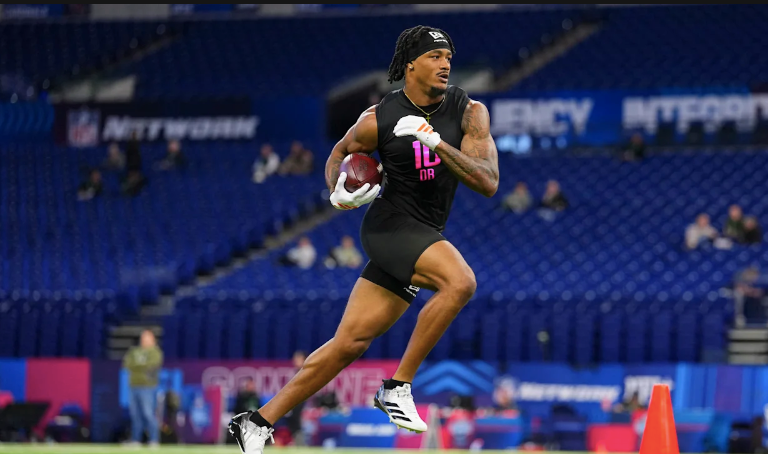
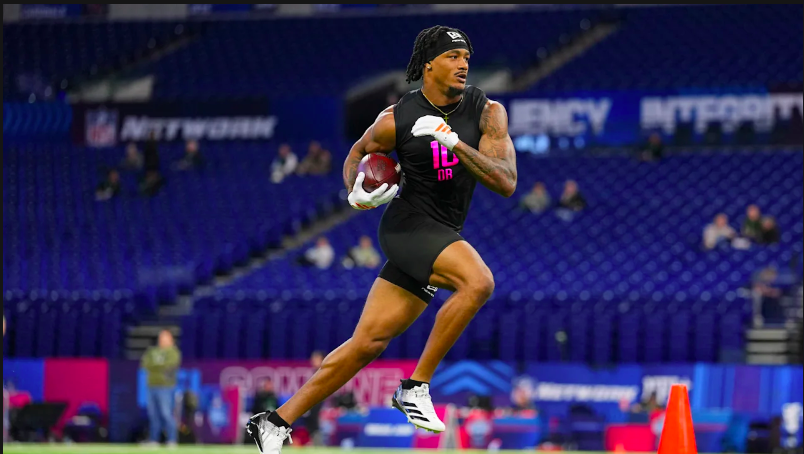
The 2026 NFL Draft ended without a player who finished his college career at an HBCU being selected. That reality added more frustration to an ongoing conversation around visibility, scouting access, and how HBCU talent gets evaluated at the pro level. But the weekend did not end the dream for several players across Black college football.

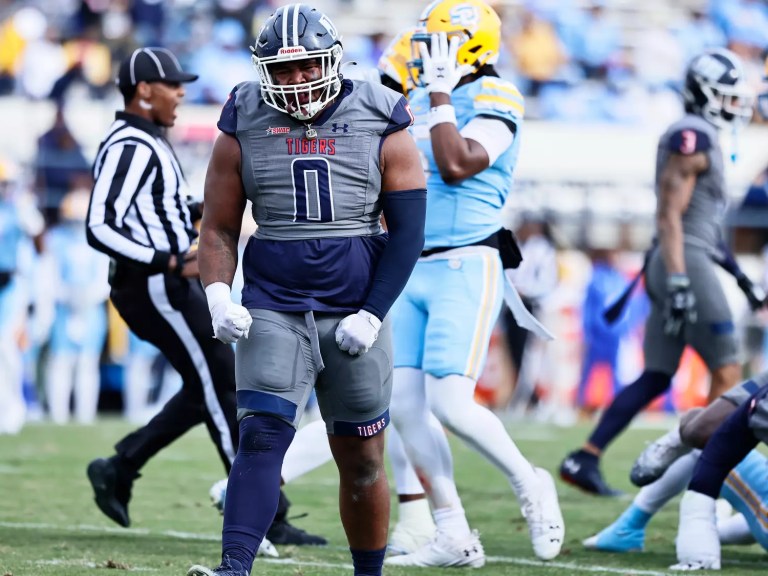
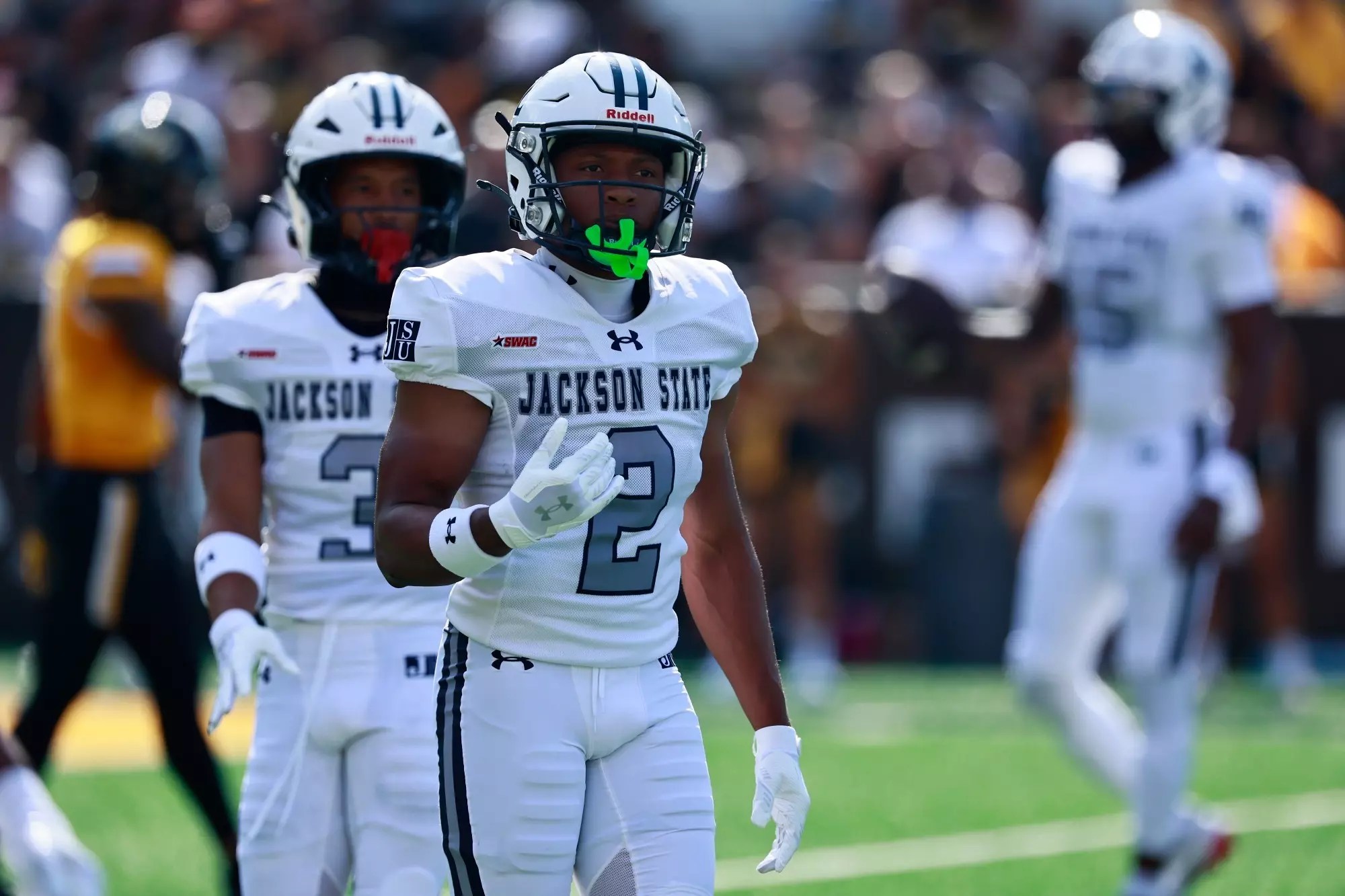
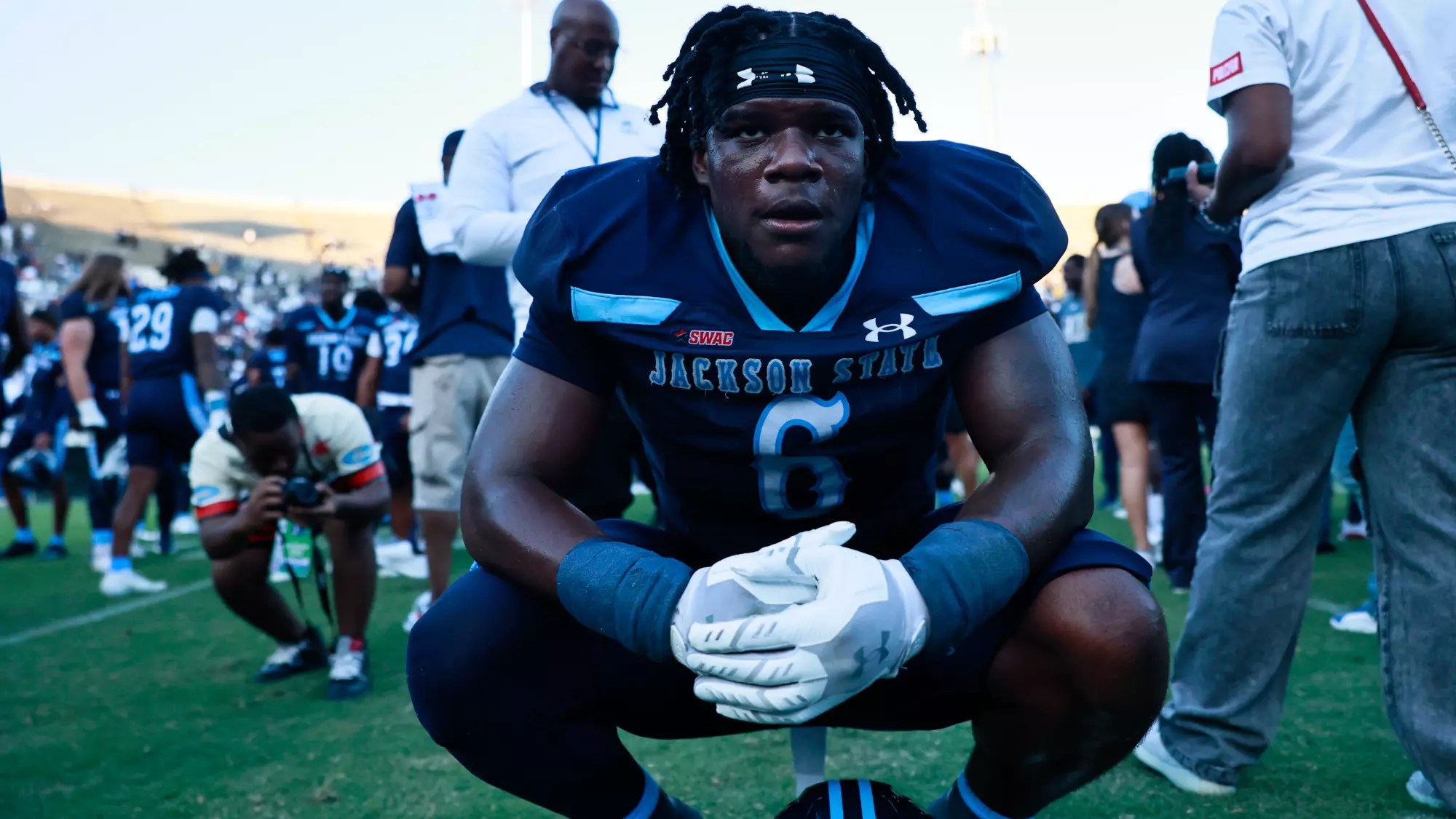
Jackson State became one of the schools that still saw movement after the draft. According to HBCU Gameday, Williams, Dupree, and Ivory each earned a path into an NFL building. The opportunities are different. Dupree signed as a free agent, while Williams and Ivory landed rookie minicamp invites. Still, all three now get a chance to compete in front of professional coaches and decision-makers.

That is the first step. For undrafted players and minicamp invitees, the margin is small. Every rep matters. Special teams value matters. Position flexibility matters. So does showing that the production from college can translate into an NFL environment.

Jeremiah Williams Gets Vikings Rookie Minicamp Invite

Jeremiah Williams gives the Vikings an interior defensive lineman with a strong HBCU résumé. He was one of Jackson State’s key defenders during the program’s recent run, and his production helped make him one of the Tigers’ most respected players up front.

Williams had a decorated 2024 season. He earned FCS Football Central All-American honors, Phil Steele All-SWAC recognition, and Defensive MVP honors in the Cricket Celebration Bowl. That season included 58 total tackles, 7.5 tackles for loss, two sacks, and four quarterback hurries.

He followed that with another productive year in 2025. Williams finished with 35 tackles, seven tackles for loss, and two sacks in 10 games. He also earned All-American recognition from the BOXTOROW voters, with Jackson State athletics noting that he joined Quincy Ivory among the Tigers honored after the season.

For Minnesota, Williams will need to show power, leverage, and consistency in a short window. Interior defensive linemen who enter the league this way often have to win with effort, pad level, and the ability to handle double teams. Williams has already shown that he can produce in big HBCU games. Now he gets to prove it against NFL hopefuls.

Convert 2

Ja’Naylon Dupree Signs With Cleveland Browns

Ja’Naylon Dupree may have the clearest path of the three because he signed an undrafted free agent deal with the Browns. That does not guarantee a roster spot, but it gives him a stronger entry point than a simple tryout invitation.

Dupree gives Cleveland a receiver with speed, scoring ability, and special teams potential. In 2024, he caught 21 passes for 356 yards and five touchdowns. In 2025, he raised his production with 31 receptions for 509 yards and six touchdowns. He also added 54 rushing yards and another score, giving him seven total touchdowns on the season.

That versatility will be important. Undrafted receivers rarely make teams on receiving talent alone. They often need to cover kicks, return kicks, block with effort, learn multiple receiver spots, and make plays when the ball comes their way in preseason action.

Dupree has already shown that he can stretch the field. He was Jackson State’s second-leading receiver in 2025, and his production helped the Tigers average more than 32 points per game. If he can turn that big-play ability into reliable camp reps, Cleveland will have a reason to keep watching.

Convert 3

Quincy Ivory Brings Edge Production To Tampa Bay

Quincy Ivory may be the most decorated name of the group from the 2025 season. The edge rusher became one of the best defensive players in the SWAC and one of the most disruptive defenders in HBCU football.

Ivory finished the 2025 regular season with a team-high 64 tackles, 13.5 tackles for loss, six sacks, an interception, five quarterback hurries, one forced fumble, and two fumble recoveries, according to Jackson State athletics. He was also named a Buck Buchanan Award finalist, putting him in the conversation with the top defensive players in FCS football.

His full 2025 line was even stronger by the end of the season. Ivory finished with 71 tackles, 14 tackles for loss, six sacks, one interception, six quarterback hurries, and two forced fumbles. That production earned him a Tampa Bay rookie minicamp invite.

Ivory’s path has been anything but simple. He spent time at Mississippi Valley State as a quarterback, played junior college football at East Los Angeles College, moved on to Florida, and then landed at Jackson State. That background makes him an interesting evaluation. He has athletic traits, pass-rush production, and experience adjusting to new roles.

For Tampa Bay, he will need to show he can win off the edge, play with discipline, and contribute on special teams. For Ivory, the minicamp invite is a chance to turn a great HBCU season into a longer NFL look.

Why These Opportunities Matter For HBCU Football

The Jackson State NFL opportunities come during a difficult moment for HBCU draft representation. Several HBCU players signed or received rookie minicamp invites after the draft, but no player who finished at an HBCU was selected. That continues a trend that has concerned fans, coaches, and former players.

Still, the post-draft market remains important. A player does not need to be drafted to build a career. Many NFL players have entered the league through undrafted free agency or tryout routes. The path is harder, but it is real.

For HBCUs, every camp invite and signing matters. It helps recruiting. It shows current players that scouts are still watching. It gives coaches proof that development is happening. It also keeps the broader Jackson State University brand connected to the pro conversation.

Jackson State has become one of the most visible HBCU football programs in the country. The Tigers’ recent success, national attention, and player development have raised expectations. Williams, Dupree, and Ivory now give the program three more chances to show that its players can compete beyond the SWAC.

A Pro Pipeline Still In Motion

Jackson State finished 9-3 in 2025 and averaged 32.8 points per game, according to official team statistics. The Tigers had impact players on both sides of the ball, and three of them now have NFL opportunities.

That does not erase the disappointment of draft weekend. HBCU fans want to see players selected. They want to see names announced on national television. They want the same recognition that other programs receive when their top talent moves to the league.

But these next steps still matter. Williams, Dupree, and Ivory now get access to NFL coaches, facilities, playbooks, and competition. What they do with that access will decide the next chapter.

For Jackson State, the message is clear. The Tigers did not have a draft pick, but their pro pipeline is still active. Three players now have a shot. In the NFL, sometimes that is all a player needs.

Former HBCU Cornerbacks Selected In 2026 NFL Draft

Screen Shot 2026 04 25 At 64148 PM

Former HBCU cornerbacks selected in the 2026 NFL Draft gave Black college football another reason to celebrate, even as the larger draft conversation raised questions about the current HBCU-to-NFL pipeline. Karon Prunty, who previously played at North Carolina A&T before finishing his career at Wake Forest, was selected by the New England Patriots in the fifth round. Andre Fuller, who began his college career at Arkansas-Pine Bluff before transferring to Toledo, was selected by the Seattle Seahawks in the seventh round. Their selections showed how HBCU programs continue to identify and develop pro-level talent, even when players later move through the transfer portal.

Former HBCU Cornerbacks Selected After Transfer Journeys

The two cornerbacks took different roads to the NFL, but both paths included important stops at HBCUs. Prunty played at Kansas before transferring to North Carolina A&T. He later finished his college career at Wake Forest, where he became an All-ACC defensive back and improved his draft stock.

The New England Patriots selected Prunty with the No. 171 overall pick. The pick came in the fifth round, giving him a chance to compete for a spot in one of the NFL’s most visible defensive systems.

Fuller’s journey started at Arkansas-Pine Bluff. He later transferred to Toledo, where he became one of the top defensive backs in the Mid-American Conference. The Seattle Seahawks selected Fuller with the No. 236 overall pick in the seventh round.

Both players left HBCU programs before the end of their college careers. Still, their stories remain connected to HBCU football. Their development, early reps, and first major college opportunities came through Black college programs that helped put them on the path.

Karon Prunty Gives North Carolina A&T Another NFL Connection

Prunty’s selection adds another pro connection to North Carolina A&T’s football story. The Aggies have built one of the strongest brands in HBCU athletics, especially across football and track and field. Prunty’s time in Greensboro gave him a place to reset and grow after starting his college career at Kansas.

1 Karon Prunty 1200x675 1

At Wake Forest, Prunty put together the kind of final season that forced NFL teams to take a closer look. He recorded 40 tackles, one interception, and eight pass breakups during the 2025 season. He also earned third-team All-ACC honors.

His full college career showed steady production. According to the Patriots, Prunty played in 55 games, all starts, and totaled 166 tackles, three sacks, seven interceptions, 30 passes defended, two forced fumbles, and one fumble recovery.

That experience matters. NFL teams value cornerbacks who have seen different systems, lined up against strong competition, and played a high number of snaps. Prunty checks those boxes. His path may not have been simple, but it gave him a wide view of college football.

Andre Fuller Turns UAPB Start Into Seahawks Opportunity

Fuller’s selection also gives Arkansas-Pine Bluff a reason to celebrate. He arrived at UAPB during the 2021 spring season and played a role in the Golden Lions’ run to the SWAC championship game. He later became one of the top defensive backs in the conference.

During his breakout season at UAPB, Fuller led the SWAC with 17 passes defended. He also added three interceptions, 29 total tackles, three tackles for loss, and one sack. That production showed his ball skills and coverage ability early.

After transferring to Toledo, Fuller kept building. He missed the 2023 season because of injury, but returned and became a first-team All-MAC selection. Toledo also noted that Fuller became the second Rocket defensive back selected in the 2026 NFL Draft.

The Seahawks drafted Fuller into a franchise that values length, toughness, and competition in the secondary. That makes his fit interesting. Seattle has a long history of developing defensive backs, and Fuller will now get a chance to prove he belongs at the next level.

Screen Shot 2026 04 25 At 64148 PM

The Transfer Portal Complicates The HBCU Draft Conversation

The former HBCU cornerbacks selected in the 2026 NFL Draft also highlight a complicated reality. HBCU programs are producing talent, but some of that talent is finishing elsewhere.

That matters because draft counts often focus only on where a player ended his college career. Under that view, HBCU representation can look smaller than the actual development story. Prunty and Fuller are examples of players who passed through HBCU programs and later became NFL draft picks after moving to FBS schools.

This does not erase the need for more players to be drafted directly from HBCUs. It does show that HBCU football remains part of the talent pipeline. Coaches at these schools are finding players, giving them reps, and helping them grow. The transfer portal has changed how those stories are tracked.

For HBCUs, the challenge is bigger than talent. Schools also need more scouting visibility, stronger pro-day platforms, more NIL support, and better retention tools. When top players leave, it can help their individual careers. It can also make it harder for HBCU programs to receive full credit for their development.

No Players Finished At HBCUs And Got Drafted

The positive news around Prunty and Fuller comes with a harder truth. No player who finished his college career at an HBCU was selected in the 2026 NFL Draft, according to The Sporting News. That continues a concern for HBCU football fans who want to see more direct draft representation.

HBCUs have produced some of the greatest players in NFL history. Jerry Rice, Walter Payton, Michael Strahan, Shannon Sharpe, and many others helped build the league’s legacy. That history still matters, but the modern draft process has become more competitive and more data-driven.

Scouts want film against top competition. They want verified testing. They want medical reports, pro-day numbers, all-star game reps, and clean projection. HBCU players can meet those standards, but they need more consistent access to the same evaluation pipeline.

That is why the success of former HBCU players like Prunty and Fuller matters. Their stories show that NFL talent is still passing through HBCUs. The next step is making sure more of that talent can stay, shine, and still hear its name called.

HBCU Development Still Deserves Credit

There is a simple takeaway from this draft: HBCU programs helped two cornerbacks reach the NFL. That should not get lost because both players transferred.

North Carolina A&T and Arkansas-Pine Bluff were part of their growth. Those programs gave them snaps, coaching, confidence, and opportunity. In college football, early opportunity can shape everything. It can help a player build film, find rhythm, and prove he can compete.

HBCU Buzz has continued to cover the broader HBCU football pipeline because these stories matter. Draft picks are not the only measure of program success, but they do carry weight. They affect recruiting, visibility, alumni pride, and national perception.

Prunty and Fuller now enter the NFL with different expectations. Prunty, as a fifth-round pick, may get a stronger early chance to compete for defensive depth. Fuller, as a seventh-round pick, will likely need to stand out on special teams and in camp. Both have the same goal: make the roster and prove they belong.

A Draft Moment With A Bigger Message

The former HBCU cornerbacks selected in the 2026 NFL Draft represent both progress and urgency. Their selections prove that HBCU-connected talent can still reach the league. They also remind fans that the path is not always direct.

For Prunty, the road went from Kansas to North Carolina A&T to Wake Forest to New England. For Fuller, it went from Arkansas-Pine Bluff to Toledo to Seattle. Both players carried pieces of their HBCU journeys with them.

Now, they have a chance to turn draft weekend into long-term NFL careers.

For HBCU football, their stories should spark a bigger conversation. The talent is there. The development is there. The next goal is making sure more players can complete that journey while finishing at HBCUs and still receive the same NFL attention.

DeSean Jackson Delaware State Lawsuit Draws Response From Former NFL Star

98wuvG2b

The DeSean Jackson Delaware State lawsuit has placed one of HBCU football’s most watched rebuilds under national scrutiny. Former Delaware State defensive back Malachi Biggs has filed a lawsuit against Delaware State University, head coach DeSean Jackson, assistant coach Travis Clark, Director of Football Operations Jane Hicks, and former teammate Anthony Hebert. The lawsuit centers on an alleged locker room assault that Biggs says left him with serious injuries, including jaw fractures and major dental damage. The claims have not been proven in court, and Jackson has publicly denied building or encouraging the kind of program culture described in the complaint.

Jackson Responds To Lawsuit Allegations

After being named in the lawsuit, Jackson posted a statement on Instagram addressing the allegations. He said he takes the safety, well-being, and development of every Delaware State football student-athlete seriously.

Jackson also denied encouraging hazing, bullying, or violence inside the program. He said that has never been the culture he has worked to build. Because the matter is now part of pending litigation, Jackson said he would not comment further on the case.

His response is important because the lawsuit directly questions the environment inside Delaware State football under his leadership. Jackson’s statement pushes back against those claims while still avoiding detailed comment on the active legal matter.

7261e18e5c646d4bcd62f76dfa077b9b

Lawsuit Stems From Alleged Locker Room Assault

According to the lawsuit reported by HBCU Gameday, the alleged incident happened on Nov. 19, 2025, before a morning Delaware State football practice. Biggs, then a freshman defensive back, says he entered the locker room after receiving treatment.

The complaint alleges that Hebert confronted another teammate over an Instagram post before turning toward Biggs. Biggs alleges Hebert placed him in a chokehold and ignored his efforts to break free. The lawsuit claims Biggs lost consciousness and fell head or face first to the ground.

The filing says Biggs suffered serious injuries to his face and head. Those injuries allegedly included multiple jaw fractures, a chin wound that required surgery, and major damage to several teeth. Biggs was taken to the emergency room by ambulance, according to the complaint.

The lawsuit also says Biggs returned home to North Carolina for recovery and further medical care and has not returned to school since the alleged assault.

Complaint Claims Delaware State Failed To Discipline Player

The complaint goes beyond the alleged attack itself. It claims Delaware State and football staff failed to properly supervise the program and failed to discipline Hebert after the alleged incident.

According to CBS Philadelphia, the lawsuit alleges Hebert was not disciplined and played in a game days after the alleged locker room incident. The lawsuit also claims Hebert later remained associated with the football program.

Those claims remain allegations. Delaware State declined to comment on the active litigation, according to multiple reports.

The case includes negligence claims against Delaware State and football staff, along with battery and emotional distress claims against Hebert. Biggs is seeking damages related to medical bills, pain and suffering, lost wages, loss of earning capacity, and other alleged harm.

A High-Profile HBCU Coaching Era Faces Scrutiny

Jackson’s arrival at Delaware State brought national attention to the Hornets. The former NFL star was hired in December 2024 as the next head coach of Delaware State football, giving the program one of the biggest names in HBCU coaching.

At the time, Delaware State presented Jackson as a leader who could help change the direction of the program. The school’s official athletics announcement highlighted his 15-year NFL career, recruiting ties, and focus on mentorship, accountability, achievement, and discipline.

Jackson quickly turned that attention into results. Delaware State later announced that he signed a new deal through 2028 after leading one of the program’s best seasons in years. The university said the Hornets finished 8-4, went 4-1 in the MEAC, led the FCS in rushing, and reached the MEAC championship game.

That fast rise made Jackson one of the most talked-about coaches in HBCU football. HBCU Buzz has also covered his early impact at Delaware State, including his first win as head coach and the attention around the program’s new era.

Now, the lawsuit adds a serious challenge to that story.

Why The Allegations Matter For HBCU Athletics

The DeSean Jackson Delaware State lawsuit matters because it touches on player safety, program culture, and accountability inside college athletics.

HBCU football programs carry deep pride and tradition. They also operate in the same modern college sports world as every other Division I program. That means schools must balance toughness with care, discipline with player development, and competition with safety.

Every football program wants athletes who play with edge. But player safety has to stay at the center of the culture. Locker rooms must be competitive, but they cannot become places where students feel unsafe or unsupported.

That is why this case will draw attention beyond Delaware State. It involves a high-profile coach, an HBCU program with rising visibility, and a former player who says the school failed to protect him.

The court process will determine what happened legally. But the public conversation is already raising larger questions about how programs supervise athletes, respond to conflict, and create standards inside team spaces.

Delaware State’s Football Rebuild Continues Under A Cloud

Delaware State’s football rebuild under Jackson has been one of the biggest stories in HBCU sports. The program generated national buzz, packed major stages, and placed the Hornets back into a larger football conversation.

But this lawsuit now sits beside that momentum. It does not erase what Jackson and Delaware State accomplished on the field. It does, however, create a serious issue the school must face with care.

For Biggs, the lawsuit is about accountability for an alleged assault and its lasting impact on his life. For Jackson and Delaware State, it is about defending the program’s culture and leadership. For HBCU football fans, it is a reminder that visibility brings more attention to both success and controversy.

What Comes Next

The DeSean Jackson Delaware State lawsuit will now move through the legal process. The allegations remain unproven, and the defendants will have the chance to respond in court.

Until then, the story should be handled with care. It involves a student-athlete who says he suffered serious injuries, a school that declined comment due to active litigation, and a coach who denies building the kind of environment described in the complaint.

Delaware State’s rise under Jackson made the Hornets a national HBCU football story. This lawsuit now adds a difficult chapter. The next steps will matter not only for the people named in the case, but also for how the program protects trust during one of the most visible periods in its recent history.

Jackson State Names First Alumna Permanent President In Historic Move

Dr

Jackson State names first alumna permanent president with the appointment of Dr. Denise Jones Gregory as the university’s 14th president. The move gives Mississippi’s largest HBCU a leader with deep ties to the campus, academic experience, and a personal connection to the institution’s legacy. Gregory has served as interim president since May 2025, and the Mississippi Board of Trustees of State Institutions of Higher Learning selected her after an eight-month national search. For Jackson State, the appointment marks a historic leadership moment and a chance to bring stability to one of the most visible HBCUs in the country.

Jackson State Names First Alumna Permanent President After National Search

The Mississippi Board of Trustees of State Institutions of Higher Learning selected Gregory after a process that included 79 applicants, first-round interviews with eight candidates, second-round interviews with three candidates, and background and reference checks conducted by AGB Search consultants.

Gregory’s appointment is historic because she is the first alumna to lead Jackson State University in a permanent role. She is also the second woman to serve as president of the university. Dr. Carolyn W. Meyers previously served as Jackson State’s first woman president from 2011 to 2016.

That distinction matters. Gregory is not coming to JSU as an outsider learning the culture from a distance. She is returning to permanent leadership as someone shaped by the school, the city, and the HBCU mission. Her story gives alumni, students, faculty, and supporters a leader who can speak to Jackson State’s past while helping guide its next chapter.

Dr. Denise Jones Gregory Brings JSU Roots To The Role

Gregory’s connection to Jackson State runs deep. She graduated magna cum laude from JSU in 1994 with a Bachelor of Science in chemistry. She later earned a doctorate in chemistry from the Georgia Institute of Technology.

Before becoming interim president, Gregory served as provost and vice president for academic affairs at JSU. That role placed her near the center of the university’s academic operations. It also gave her a close view of student success, faculty needs, research goals, and campus priorities.

Her background helps explain why many see this appointment as more than a leadership change. It is also a full-circle moment.

In a statement reported by Mississippi Today, Gregory said Jackson State shaped her life in profound ways and called it an honor to serve the university that helped shape her. That kind of language fits the moment. For many alumni, Jackson State is not just a school. It is a place of identity, pride, and possibility.

Gregory now has the job of protecting that legacy while moving the university forward.

A Leadership Moment Focused On Stability

Jackson State has faced several leadership changes in recent years. That history makes Gregory’s appointment even more important. The university has needed a permanent leader who can rebuild trust, strengthen relationships, and create a clearer sense of direction.

Stability matters at any university. At an HBCU with Jackson State’s profile, it matters even more. JSU carries a powerful brand in academics, athletics, culture, alumni pride, and public life. When leadership turns over too often, it can affect morale, fundraising, enrollment confidence, and long-term planning.

Gregory steps into the permanent role at a time when the university needs both steady management and strong vision. Her appointment gives JSU a leader who already knows the campus and has already served in the interim role. That may help reduce transition time and give the university a smoother path into its next phase.

Alumni Support Was Part Of The Conversation

The search process drew attention from alumni and supporters who wanted transparency and a strong long-term choice. That concern reflects how deeply people care about Jackson State.

Patrease Edwards, president of the JSU National Alumni Association and a member of the Search Advisory Constituency, said the process was long and involved. She also said the alumni association was prepared to support Gregory as she takes on the role.

That support will matter. No president can move an HBCU forward alone. Alumni, students, faculty, staff, donors, community leaders, and state officials all play a role. Jackson State’s next chapter will require shared investment, especially around enrollment, student resources, academic growth, campus infrastructure, athletics, and fundraising.

Gregory’s status as an alumna gives her a unique advantage in those conversations. Alumni often want to know that the person leading their school understands the culture from the inside. Gregory can make that case in a real way.

Jackson State’s HBCU Legacy Remains Central

Jackson State has long stood as one of the most recognized HBCUs in America. The university has produced leaders across education, public service, business, media, science, sports, and culture. It also remains a major force in Mississippi and across the broader Black college community.

That visibility creates opportunity. It also creates pressure.

Gregory will be expected to protect the school’s legacy while strengthening its future. That means supporting academic excellence, growing student success efforts, expanding research, attracting resources, and keeping JSU competitive in a crowded higher education landscape.

It also means honoring the culture that makes Jackson State special. From the Sonic Boom of the South to Tiger athletics to the university’s deep alumni network, JSU has a brand that extends far beyond the campus. HBCU Buzz readers already know how central Jackson State remains to the larger HBCU community.

Now, Gregory has a chance to use that cultural power as part of a broader institutional vision.

Why This Appointment Matters For HBCUs

The story of Jackson State naming its first alumna permanent president matters beyond one campus. Across HBCUs, leadership stability is tied to student outcomes, fundraising, public trust, and institutional growth.

When a school chooses a leader who understands its culture, history, and community, that decision can send a strong message. It tells students and alumni that the institution values lived connection, not just administrative experience.

Gregory brings both. She has the academic background, the executive experience, and the personal JSU story. That combination gives her appointment weight.

It also adds to the larger conversation about HBCU alumni returning to lead the institutions that shaped them. Those leaders often carry a different kind of responsibility. They are not just managing a university. They are caring for a place that helped form their own identity.

A New Chapter For Jackson State

Jackson State names first alumna permanent president at a time when the university needs focus, unity, and momentum. Gregory now has a chance to turn a historic appointment into a strong presidency.

Her path will not be simple. JSU faces the same pressures many colleges face, including enrollment competition, budget concerns, student support needs, and the demand to prove value in a changing higher education market. But Gregory’s appointment gives the university a leader who already knows the institution and understands what is at stake.

For Jackson State students, this is a new era. For alumni, it is a full-circle moment. For HBCU supporters, it is a reminder that leadership matters deeply.

Dr. Denise Jones Gregory is not just stepping into an office. She is stepping into the responsibility of leading one of the most important HBCUs in the country. Her appointment gives Jackson State a chance to steady itself, honor its legacy, and move forward with a president who knows what the university means because she lived it first.

Trey Holly Avoids Jail Time As Southern RB Enters New Chapter

6918daa46de68image

Trey Holly avoids jail time after entering a no contest/best interest plea to felony gun charges in Union Parish, closing a major legal chapter for the former LSU running back who continued his college football career at Southern University. Holly received one year of probation and a $1,000 fine after the plea agreement. A spokesperson for the Attorney General’s Office also said he was sentenced to two years behind bars, but that sentence was suspended as part of the deal. Now, the Southern running back can move forward with his focus back on football, school, and the next stage of his life.

Trey Holly Avoids Jail Time In Union Parish Case

Holly’s case stemmed from a February 2024 shooting in Farmerville, Louisiana, that left two people injured. At the time, Holly was a running back at LSU. He later turned himself in after authorities issued a warrant and initially faced several charges, including attempted second-degree murder.

A grand jury later rejected the attempted murder charge. However, Holly still faced gun-related charges tied to the case. That is what made the plea agreement significant. Instead of going to trial, Holly entered a no contest/best interest plea to illegal use of a weapon or dangerous instrumentality.

His attorney, J. Michael Small, said there was a belief that Holly had a chance to win if the case went before a jury. Still, he also noted that the original charges carried serious risk if Holly had been convicted. That helped shape the decision to resolve the case through a plea agreement.

According to WBRZ, Holly avoided jail time and received probation and a fine. WAFB also reported that after Holly completes his probation period, his attorney said he can file a motion to have the conviction set aside and the prosecution dismissed.

A Case That Followed Him From LSU To Southern

The legal situation changed the direction of Holly’s college career. Before the case, he was one of the most accomplished high school running backs in Louisiana history and had signed with LSU as a major in-state talent.

Holly played in three games for LSU during the 2023 season. He rushed 11 times for 110 yards and a touchdown. He also earned SEC Freshman of the Week honors after a breakout moment early in his college career.

Then came the February 2024 arrest. LSU suspended him from team activities after the charges, and Holly’s future with the program became uncertain. He maintained that he was innocent and said he had been misidentified.

The legal process continued through 2024 and into 2026. In the meantime, Holly eventually found a new football home at Southern University.

That move gave him a second chance to stay close to the game while still carrying the weight of an unresolved case. It also brought his story into the HBCU football world, where Southern gave him a platform to play, contribute, and rebuild momentum.

8f87b0426794cdee29833ccc11f7ebca

Southern University Gave Holly A New Football Home

Southern University took a chance on Holly, and he quickly became one of the most important players in the Jaguars’ offense. His 2025 season showed why he had been so highly regarded as a recruit.

According to Southern’s official roster bio, Holly arrived with one of the strongest high school résumés in Louisiana football history. At Union Parish High School, he broke the state’s all-time rushing record with 10,523 career rushing yards. He also scored 160 total touchdowns, including 146 on the ground.

That production followed him to Baton Rouge. Southern’s 2025 statistics show Holly led the Jaguars with 798 rushing yards and nine touchdowns in 10 games. He averaged 5.1 yards per carry and 79.8 rushing yards per game. He also added 15 receptions for 126 yards, finishing the season with 977 all-purpose yards.

For a Southern offense that needed consistency, Holly gave the Jaguars a clear threat. He could run between the tackles, break explosive plays, and contribute in the passing game. Even during a difficult season for the program, he stood out as one of Southern’s top offensive weapons.

Why This Moment Matters For Holly

The headline is simple: Trey Holly avoids jail time. But the larger story is more layered.

This is a young athlete who went from Louisiana high school legend to LSU running back, then from criminal charges to a fresh start at an HBCU. The case placed his future under a cloud for more than two years. Now, with the plea agreement in place, Holly has more clarity.

That does not erase the seriousness of the case or the fact that two people were injured in the 2024 shooting. It also does not erase the legal outcome. But it does shift Holly’s path forward. The uncertainty that followed him from LSU to Southern is no longer hanging over his season in the same way.

For Holly, the next step is about discipline. He must complete probation and stay available for his team. He also has to show growth away from the field. Talent has never been the question. The bigger question now is what he does with this new opening.

Marshall Faulk Era Adds Another Layer

Holly’s next football chapter also comes at an important time for Southern. The Jaguars are entering the Marshall Faulk era, which has already brought more national attention to the program.

Faulk, a Pro Football Hall of Famer and one of the greatest all-purpose running backs in football history, gives Southern a unique voice in the running back room. For Holly, that could matter. He now has access to a coach who understands the position at the highest level.

HBCU Buzz previously covered how Marshall Faulk’s Southern University football staff has brought new energy and visibility to Baton Rouge. Holly could be one of the players who benefits most from that shift.

The fit is clear. Holly has the talent. Faulk has the knowledge. Southern has a need for impact players who can help the program climb back into SWAC contention.

A Chance To Rewrite The Story

Trey Holly avoids jail time, but now the harder work begins. The legal case brought national attention for difficult reasons. His next opportunity has to be built on accountability, consistency, and production.

Southern gave him a place to keep playing when his future was uncertain. Now, under Faulk, Holly has a chance to turn that opportunity into something more stable. His 2025 season proved that he can still perform at a high level. The 2026 season can show whether he can become a leader as well.

For Southern fans, Holly’s return to football focus gives the Jaguars another major piece in the backfield. For Holly, it gives him a chance to move from survival mode into a new chapter.

His story is not finished. But after this plea agreement, the path ahead is clearer than it has been in a long time.

Southern University Esports Championship Makes HBCU History

01kbaz1rv8xapghvpwdz

The Southern University esports championship is a historic moment for HBCU athletics, gaming, and STEM culture. Southern University became the first historically Black college or university to win a Division II title in collegiate esports after claiming the Eastern College Athletic Conference EA Sports College Football National Championship. The title was secured by Coby Robinson, a sophomore computer science major known in competition as “K1ngC0by,” who helped bring a national championship back to Baton Rouge and placed Southern’s esports program in the national spotlight.

Southern University Esports Championship Marks A First For HBCUs

Southern’s win is more than another trophy. It is a major first for HBCU esports and a sign of where Black colleges can lead next. The championship came through the Eastern College Athletic Conference, where Southern competed in EA Sports College Football against a national field of Division II programs.

Robinson faced Bellarmine University in a best-of-five championship series. The matchup went the distance and forced a deciding Game 5. Robinson closed the series with a 38-29 victory, giving Southern a 3-2 win and the national title. In the final game, he used Texas to defeat an opponent playing as Oregon.

That pressure-filled finish turned the Southern University esports championship into a defining moment. Southern had already made history by reaching the title stage. Winning it moved the story from a breakthrough to a legacy moment.

Coby Robinson Delivered When It Mattered Most

Robinson entered the championship as one of the key faces of Southern’s growing esports program. A sophomore computer science major, he showed the focus and calm needed to compete at a high level.

After the win, Robinson called the moment a dream come true. He said he felt “happy and accomplished” and added that continuing to dominate and make history showed him that he belonged. That quote says a lot about the deeper meaning of this victory. For Robinson, the win was not only about the game. It was also about belief, confidence, and proof.

Those traits matter in esports. Competitive gaming requires more than fast hands. Players must read opponents, adjust strategy, manage momentum, and stay locked in when one mistake can change everything. Robinson did that with a championship on the line.

His win also gives HBCU students another example of what competitive gaming can become when schools invest in the right spaces, coaching, and support. For many students, esports is not just entertainment. It can connect to game design, broadcasting, cybersecurity, computer science, sports management, media production, and business.

WINCFBCHAMPS

Southern’s EDGE Program Is Building Something Bigger

Southern’s rise did not happen by accident. The school has been building its esports presence through the Southern University Esports Digital Gaming Ecosystem, also known as EDGE. The program gives students a place to compete, train, learn, and connect gaming with academic and career growth.

Christopher Turner, director and head coach of Southern University EDGE, called the win a “monumental moment” for Southern and the larger HBCU landscape. He also credited the victory as a true team effort, built around commitment to the plan.

That part matters. Even though Robinson secured the title, esports programs need structure behind the scenes. Coaches, alumni, graduate students, partners, and student leaders all help create the kind of environment where players can grow. Southern’s official release also recognized contributors to the team’s preparation, including program alumnus Mahcoe Edwards, Alabama A&M graduate student Jaeveon Jordan, and Civ, owner of Civil.gg.

The championship reflects what happens when an HBCU treats esports as a serious part of the student experience. It gives students a place to compete, but it also gives them access to a fast-growing digital industry.

Why This Win Matters Beyond Gaming

The Southern University esports championship matters because it challenges narrow ideas about what HBCU athletics can be. For decades, HBCU sports culture has centered heavily on football, basketball, marching bands, classics, rivalries, and homecoming. Those traditions remain powerful. But esports adds another lane.

Competitive gaming brings together strategy, technology, leadership, production, and community. It also reaches students who may not see themselves in traditional varsity sports but still want to represent their school at a high level.

That is why this title feels bigger than one player or one match. Southern’s win gives HBCU esports more visibility. It also gives students across the country a reason to see gaming as part of the Black college experience.

For HBCUs, esports can open doors to new scholarships, labs, partnerships, academic programs, and career pipelines. Gaming already connects to major industries, including entertainment, software development, live event production, content creation, and streaming. Southern’s championship shows that HBCU students are not just watching those spaces grow. They are competing in them and winning.

Southern Is Expanding Its Digital Future

Southern University has long held a powerful place in HBCU culture. From football Saturdays to the Human Jukebox, the Baton Rouge campus understands the power of school pride, competition, and community. Now, esports has added a new chapter.

The title also connects with Southern’s larger push in STEM and innovation. The university has continued to invest in science, technology, engineering, and related fields, including its work on a new $68 million STEM complex. That kind of growth helps show why esports belongs in the broader conversation about HBCU advancement.

Gaming is not separate from the future of work. It sits inside the same world as technology, media, data, content, design, and entrepreneurship. When HBCUs build strong esports programs, they are not only creating competition teams. They are building new entry points into the digital economy.

Southern’s championship proves that students can lead in that space right now.

A New Standard For HBCU Esports

The Southern University esports championship should not be viewed as an ending. It should be seen as a signal. More HBCUs are building esports labs, launching teams, and finding ways to connect gaming with academics and career development.

Southern just gave the movement a national title moment.

With Robinson’s championship performance, the Jaguars made history and raised the standard for what HBCU esports can become. The win gives Southern fans another reason to celebrate. It also gives future student-gamers a new example to follow.

For Robinson, the victory places him in HBCU history. For Southern, it validates the investment in esports. For the larger HBCU community, it proves that Black colleges can compete in new spaces while still carrying the culture that makes them special.

Southern University did more than win a game. It made HBCU history, expanded the meaning of college athletics, and showed the next wave of gamers that there is room for them on the national stage.